A Journey into the Winter Landscapes of Uttarakhand
The Indian Himalayas offer countless opportunities for travellers to experience dramatic mountain landscapes, traditional villages, dense forests, alpine meadows, and the quiet beauty of high-altitude wilderness. Among the trekking destinations that have attracted considerable attention in recent years, Kedarkantha holds a special place.
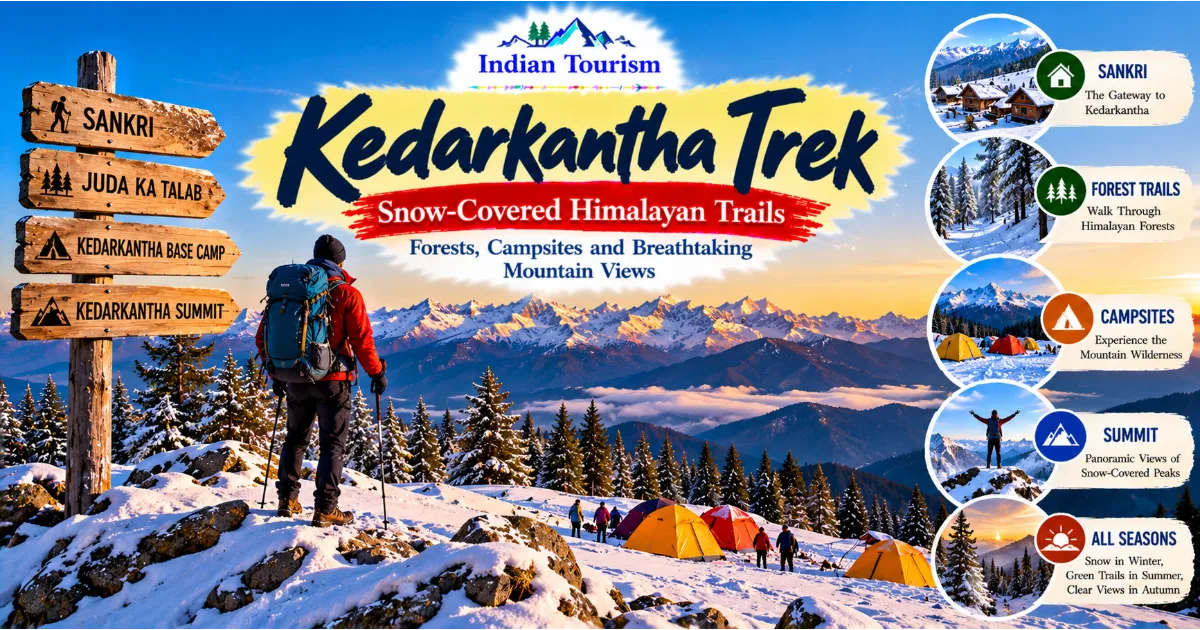
Located in the Garhwal Himalayas of Uttarakhand, the Kedarkantha region is known for its forest trails, mountain campsites, snow-covered slopes during winter, and expansive views of Himalayan peaks. The trek provides an opportunity to experience the mountains through a gradual journey from village surroundings into a landscape shaped by forests, open ridges, changing weather, and high-altitude terrain.
Kedarkantha is frequently associated with winter trekking, but its appeal extends beyond snowfall. The surrounding landscape changes dramatically throughout the year. During warmer months, forests and meadows reveal different shades of green, while clear mornings can provide remarkable views of distant mountain ranges. Winter transforms the route into a snowy landscape that requires additional preparation, appropriate equipment, and careful attention to weather conditions. Each season offers a different experience, making Kedarkantha an interesting destination for travellers who want to understand the seasonal character of Uttarakhand's mountains.
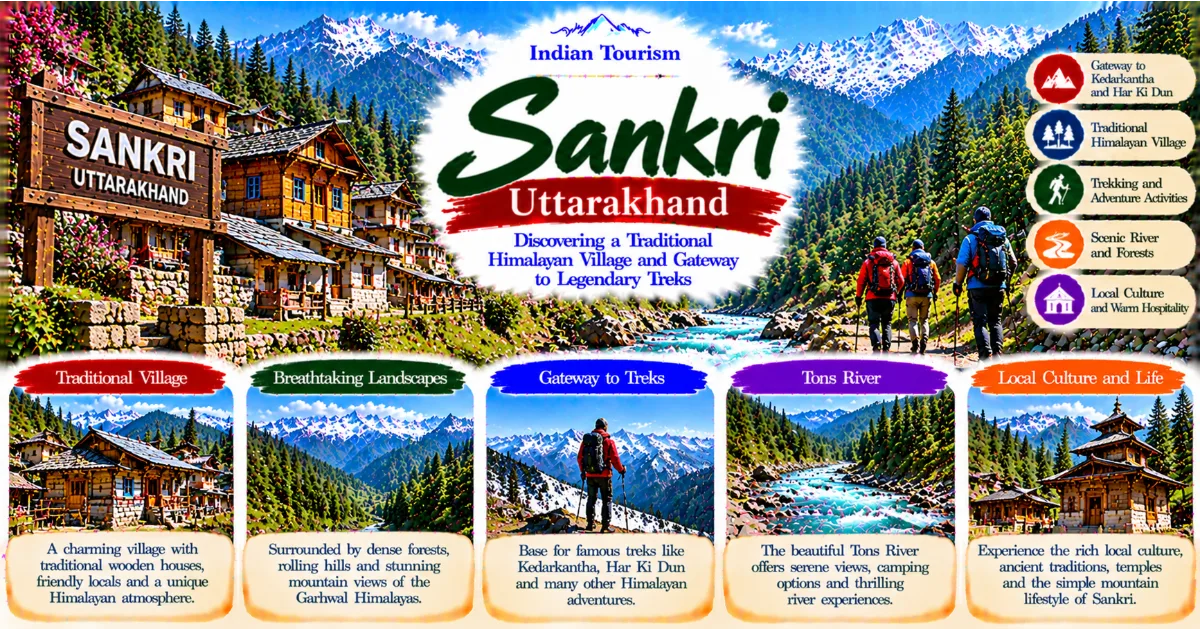
The trek is also connected with the villages and local communities that support mountain tourism. Sankri, an important settlement in the region, is widely used as a starting point for several trekking routes. The village provides a place for trekkers to arrange accommodation, guides, transport, and other essential services before beginning their journey. The relationship between trekking destinations and local settlements is an important part of responsible tourism, as visitors depend on local knowledge and services while their spending can support livelihoods in remote mountain areas.
Kedarkantha should not be approached as merely a place to take photographs of snow. It is a high-altitude environment where physical preparation, responsible decision-making, and respect for nature are essential. Mountain weather can change quickly, trails may become difficult during snowfall, and altitude can affect people differently. Travellers should plan carefully, follow qualified guides where appropriate, and remain willing to change their itinerary when conditions require it.
Continue Reading
This article explores Kedarkantha as a trekking destination, covering its geographical setting, landscape, route experience, seasonal attractions, preparation requirements, nearby cultural experiences, responsible tourism, and practical considerations for visitors planning a Himalayan journey.
Understanding Kedarkantha and Its Himalayan Setting
Kedarkantha is a mountain peak and trekking destination in Uttarakhand's Garhwal Himalayan region. The surrounding landscape consists of forested slopes, open ridges, alpine environments, and mountain viewpoints that become increasingly prominent as trekkers gain elevation. The area is part of a broader Himalayan landscape where changes in altitude influence vegetation, temperature, weather, and the experience of travelling through the terrain.
The journey to Kedarkantha usually begins in the wider Tons Valley region, with Sankri serving as a major access point for trekking activity. From the settlement, trekkers follow established routes through forests and mountain terrain before reaching campsites and higher sections of the trail. The route's changing scenery is one of its major attractions. The lower sections introduce travellers to village landscapes and woodland, while the higher sections offer more open views and a stronger sense of the surrounding mountain environment.
The Himalayan landscape is not static. Rainfall, snowfall, temperature changes, and seasonal vegetation all influence how the route appears. A trail that is green during warmer months may become snow-covered in winter. Clear weather can reveal distant peaks, while clouds may obscure views and make navigation more difficult. Travellers should therefore approach Kedarkantha as a natural destination whose conditions vary rather than expecting identical experiences on every visit.
The area's elevation also influences the physical demands of trekking. Walking uphill for extended periods can be challenging even for people who regularly exercise at lower altitudes. Cold weather, uneven terrain, and changes in breathing comfort can add to the difficulty. A successful journey depends not only on enthusiasm but also on preparation, pacing, suitable equipment, and sensible decisions throughout the trek.
Sankri: The Gateway to the Kedarkantha Trek
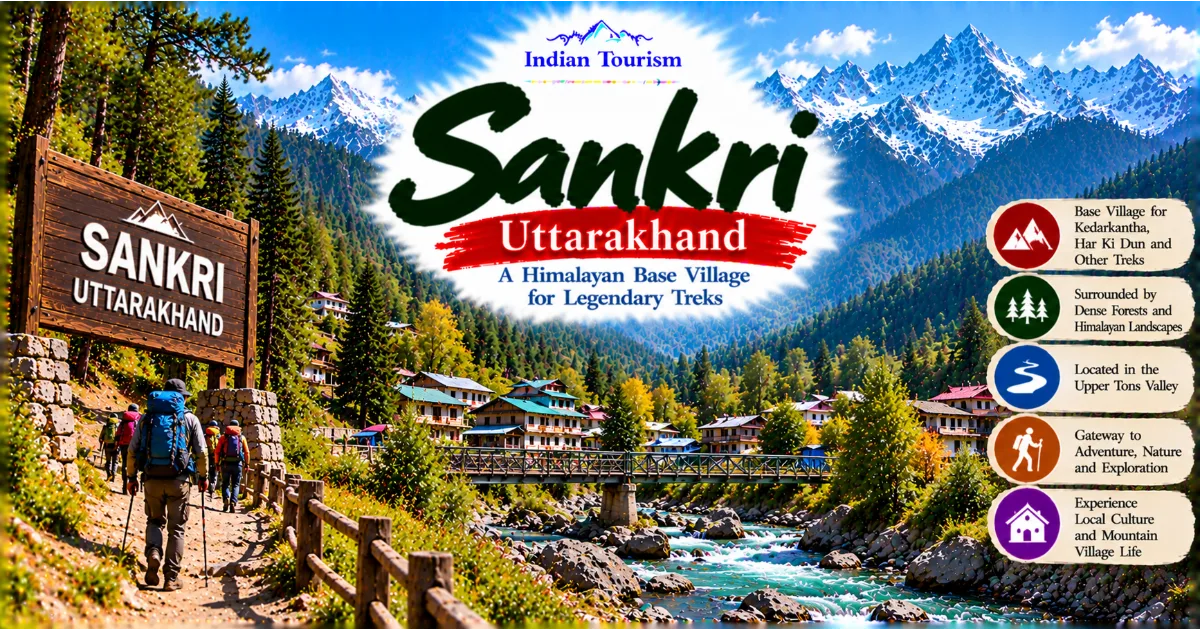
Sankri is an important village for travellers exploring this part of Uttarakhand. Its location makes it a practical starting point for several Himalayan trekking routes, including Kedarkantha. The settlement provides access to accommodation, meals, trekking arrangements, and local services that help visitors prepare before entering more remote terrain.
For many travellers, arriving in Sankri is the first opportunity to experience the distinctive atmosphere of a Himalayan mountain village. The surrounding hills, traditional buildings, forested slopes, and changing light create a different environment from the cities and plains from which many visitors begin their journeys. The village also offers an introduction to the local communities whose knowledge and work contribute to mountain tourism.
Trekkers should use their time in Sankri to confirm route arrangements, check weather conditions, organise equipment, and discuss the journey with their guide or trekking operator. Winter expeditions may require additional preparation because snow can affect walking conditions, visibility, and access to campsites. Even during other seasons, mountain weather can change rapidly.
Spending time in the village can also make the journey more meaningful. Rather than treating Sankri only as a place to sleep before beginning the trek, visitors can learn about local livelihoods, regional food, building traditions, and the challenges of living in a mountainous environment. Buying supplies locally when practical and using reputable local services can help direct some tourism income towards the communities that support visitors.
The Journey Through Forests and Mountain Trails
One of the defining characteristics of the Kedarkantha trek is the gradual transition from settlement landscapes to forested mountain terrain. The route allows travellers to experience several environments within a relatively compact trekking journey, although the actual duration and difficulty depend on the itinerary, weather, group pace, and local conditions.
Walking Through Himalayan Forests
Forest sections form an important part of the trekking experience. Depending on the route and season, trekkers may pass through woodland dominated by conifers and other Himalayan vegetation. The trees create a changing pattern of shade and light, while the forest floor may be covered with fallen needles, leaves, soil, or snow.
Walking through these forests offers a quieter experience than the open ridges that appear at higher elevations. The surrounding trees can make the landscape feel enclosed, especially when clouds or snowfall reduce visibility. During clear weather, occasional openings may reveal views of nearby slopes and distant mountains.
Trekkers should remain on established paths and avoid damaging vegetation to create shortcuts. Forest ecosystems are vulnerable to repeated disturbance, and unnecessary trail widening can increase erosion. Carrying rubbish out of the forest is essential, as discarded packaging and food waste can affect wildlife and degrade the environment.
The forest also provides a reminder that mountain landscapes are interconnected. Vegetation helps stabilise soil, influences water movement, and provides habitat for wildlife. Protecting these areas contributes to the long-term health of the region and the quality of future trekking experiences.
Open Slopes and Mountain Ridges
As the route gains elevation, the character of the landscape changes. Forest cover becomes less continuous, and more open slopes and ridges create wider views of the surrounding mountains. These sections can be particularly rewarding for travellers who enjoy observing the scale and structure of the Himalayas.
The openness of the higher trail also exposes trekkers to wind, direct sunlight, cold temperatures, and changing weather. During winter, snow may cover uneven ground and make the route more difficult to follow. Under such conditions, experience, suitable equipment, and reliable local guidance become especially important.
Ridges can create excellent opportunities for photography, but travellers should avoid standing close to unstable edges or moving away from the established route for a better view. Snow can conceal rocks, hollows, and changes in the ground surface. Safe positioning and attention to the guide's instructions should take priority over photographs.
The transition from forest to open mountain terrain is one of the reasons Kedarkantha remains memorable. It allows trekkers to observe how vegetation and the overall appearance of the landscape change with altitude, while also experiencing the increasing demands of the climb.
Winter in Kedarkantha: Snow, Silence and Mountain Beauty
Kedarkantha is particularly well known for its winter trekking experience. Snow-covered forests, white slopes, cold mornings, and broad mountain views create an environment that differs significantly from the landscape seen during warmer months. For many visitors, the possibility of walking through snow is the main attraction.
However, winter trekking requires more careful preparation than a simple sightseeing trip. Snow can make trails slippery, conceal obstacles, reduce walking speed, and increase the physical effort required to complete a route. Cold conditions can also affect hands, feet, and exposed skin. The experience can be rewarding, but it should be approached with respect for the risks associated with mountain weather.
Experiencing Snow-Covered Forests
When sufficient snowfall has occurred, forest paths may be covered by a layer of snow that changes both the appearance and sound of the landscape. Trees can carry snow on their branches, while the ground becomes brighter under clear skies. The combination of woodland and snow creates a distinctive winter environment.
Walking through snowy forests requires suitable footwear and careful movement. Ice may develop beneath fresh snow, making apparently simple sections unexpectedly slippery. Trekkers should follow the guide's advice about route conditions and avoid moving ahead of the group without permission.
Snow conditions vary from year to year and even from one part of the route to another. Travellers should not assume that a particular date guarantees deep snow or a completely white landscape. Checking recent conditions with reliable local operators is more useful than relying on photographs from previous seasons.
Cold Mornings and Changing Light
Winter mornings in the mountains can be extremely cold, particularly at exposed campsites and higher elevations. The first light of the day may gradually illuminate nearby slopes and distant peaks, creating opportunities for photography and quiet observation.
Trekkers should prepare warm clothing in advance rather than waiting until they begin to feel uncomfortable. Layering allows clothing to be adjusted as physical activity increases or decreases. Gloves, a warm hat, insulated layers, and suitable outerwear can make a considerable difference to comfort.
Photographers should protect their equipment from moisture and sudden temperature changes. Batteries may lose charge more quickly in cold conditions, so keeping spare batteries insulated can be helpful. Nevertheless, equipment should never become a reason to delay movement when the guide recommends continuing or returning to camp.
Why Winter Safety Matters
The beauty of winter landscapes can encourage travellers to underestimate the demands of snow trekking. Slippery trails, low temperatures, wind, and reduced visibility can turn a manageable route into a difficult one. Participants should follow professional guidance, use appropriate equipment, and respect decisions to change or cancel plans.
Trekking groups should maintain communication and avoid separating unnecessarily. People who begin to feel unusually cold, dizzy, confused, or physically unwell should inform their guide promptly. Continuing despite serious symptoms can increase the danger.
Winter tourism is most rewarding when safety is treated as part of the experience rather than an obstacle to it. Responsible preparation makes it easier to enjoy the scenery while reducing avoidable risks.
The Kedarkantha Summit Experience
The summit is a major objective for many people undertaking the Kedarkantha trek. Reaching a high viewpoint after several days of walking can provide a strong sense of achievement, particularly for those experiencing Himalayan trekking for the first time.
The final ascent may involve steep terrain, uneven surfaces, snow, or icy sections depending on the season. The difficulty varies with weather and trail conditions, so the summit should never be treated as a guaranteed outcome. A guide may recommend turning back if visibility deteriorates, wind becomes severe, or the group is not progressing safely.
Preparing for the Final Ascent
A summit attempt requires more than physical enthusiasm. Trekkers should follow the prescribed schedule, carry the equipment recommended for the conditions, and maintain a pace that allows the group to move safely. Rushing can lead to fatigue and increase the likelihood of slips or poor decisions.
Adequate rest, hydration, and nutrition support performance during the climb. Cold weather may reduce the sensation of thirst, but the body still requires fluids. Small amounts of food taken at suitable intervals can help maintain energy during sustained activity.
The summit attempt may begin early, depending on the itinerary and conditions. Travellers should be prepared for darkness or low light if this forms part of the planned route. Headlamps, suitable footwear, warm layers, and reliable guidance may be essential.
Enjoying the Views Responsibly
On a clear day, higher viewpoints can provide expansive views across the surrounding Himalayan landscape. The experience offers an opportunity to appreciate the scale of the mountains and the terrain crossed during the journey.
Weather conditions determine how much of the landscape is visible. Clouds, snow, wind, or haze can limit distant views, and visitors should not judge the success of the trek solely by whether they see a particular peak.
At the summit, trekkers should remain within safe areas and follow instructions from their guides. Crowding, unstable snow, and exposed terrain can create unnecessary hazards. Taking time to enjoy the surroundings without rushing for photographs is often the most satisfying way to experience the destination.
Camping in the Kedarkantha Region
Camping is an important part of many Kedarkantha itineraries. Campsites allow trekkers to rest between walking stages and experience the mountain environment beyond the village. Depending on the route and season, camps may be surrounded by forests, open slopes, or snowy landscapes.
The experience of staying in a mountain camp differs from ordinary accommodation. Temperatures can fall considerably after sunset, facilities may be basic, and access to electricity or other services may be limited. Travellers should understand the arrangements provided by their operator before departure.
Life at a Mountain Campsite
A typical camp evening may include arranging equipment, eating a warm meal, preparing clothing for the following day, and resting before the next stage of the trek. The quieter environment can provide time to observe the surrounding landscape and reflect on the journey.
Visitors should keep their belongings organised and follow the campsite team's instructions. Food should be stored appropriately, and waste should never be left behind. Fires should not be started unless explicitly permitted and safely managed by authorised personnel, as careless fire use can damage vegetation and create serious risks.
Respect for other trekkers is also important. Noise, bright lights, and unnecessary disturbance can affect people trying to rest before an early start. A considerate approach helps maintain a pleasant environment for everyone.
Protecting Campsites and Mountain Soil
Campsites are vulnerable to environmental pressure when visitor numbers increase. Repeated trampling can damage vegetation, while waste and poorly managed sanitation can affect soil and water. Responsible trekking operators should follow appropriate waste management practices and use designated camping areas.
Trekkers can contribute by carrying reusable bottles, reducing disposable packaging, and taking all personal rubbish back to suitable collection points. Waste should not be buried or hidden beneath snow, because it may reappear when conditions change.
Water sources should be protected from contamination. Toileting arrangements should follow local guidelines and the instructions of the trekking team. Small individual actions, repeated across many visitors, can make a meaningful difference to the condition of mountain campsites.
Kedarkantha Across the Seasons
Although winter is the season most strongly associated with Kedarkantha tourism, the destination changes throughout the year. Each season influences trail conditions, vegetation, temperature, visibility, and the type of experience available to visitors.
Spring: Forest Renewal and Clear Mountain Days
Spring can bring changing vegetation and more moderate temperatures compared with the coldest winter periods. Snow may remain in higher sections depending on recent weather, while lower areas gradually reveal more of the forest floor and surrounding landscape.
This season may appeal to travellers who want to experience a transition between winter conditions and warmer weather. However, melting snow can create wet or slippery trails, so appropriate footwear remains important.
Trekkers should confirm current conditions before departure, particularly if they expect to encounter snow. A route that was heavily snow-covered during winter may look substantially different by late spring.
Summer: Green Landscapes and Trekking Opportunities
During summer, lower sections of the route may appear greener, and longer daylight hours can support trekking itineraries. The landscape offers opportunities to observe forest vegetation and mountain views without necessarily experiencing the same level of cold associated with winter.
Summer does not eliminate mountain risks. Rain, cloud, and changing temperatures can affect visibility and trail conditions. Trekkers should carry suitable rain protection and avoid assuming that a warm forecast in the plains reflects conditions at higher elevations.
The season can be attractive for travellers who prefer to avoid deep snow, but the most appropriate dates depend on current weather, route management, and the advice of experienced local operators.
Monsoon: Rain, Slippery Trails and Caution
The monsoon period can bring heavy rainfall to parts of Uttarakhand. Wet trails, reduced visibility, muddy ground, and the possibility of landslides on approach roads can complicate travel. The suitability of a Kedarkantha trek during this period depends on local conditions and current guidance.
Travellers should not proceed merely because a trek has been advertised as available. Weather forecasts, road reports, and advice from responsible operators should guide the decision. If conditions are unsafe, postponing the journey is preferable to attempting the route at any cost.
Rain protection and suitable footwear are important, but equipment alone cannot eliminate the risks associated with severe weather. Responsible planning includes allowing the possibility of cancellation.
Autumn: Clear Air and Mountain Views
Autumn can offer attractive conditions for mountain scenery, depending on the weather and the timing of the visit. Clearer periods may provide good visibility across the surrounding landscape, while changing vegetation gives the forests a different appearance from summer.
The season is often appealing to travellers who enjoy photography and walking in cooler weather. However, temperatures may fall considerably at night, particularly at campsites, so warm clothing remains necessary.
Visitors should confirm the route's current condition and understand what facilities are available during their chosen travel period. The experience is likely to be more comfortable when expectations match the actual season.
Winter: Snow Trekking and Cold-Weather Preparation
Winter remains a major attraction for Kedarkantha, especially among people who want to experience snow trekking. The landscape may include snow-covered forests and slopes, but the depth and distribution of snow depend on weather conditions.
The season requires suitable cold-weather clothing, appropriate footwear, and careful route planning. Some sections may require specialised equipment or additional guidance. Trekkers should follow the instructions of qualified local professionals and avoid making independent decisions that increase exposure to hazards.
The best winter experience is not necessarily the one with the deepest snow. It is the one in which visitors can safely appreciate the landscape while respecting the limitations imposed by weather and terrain.
Physical Preparation for the Kedarkantha Trek
Preparing for Kedarkantha involves developing the stamina and balance needed for several days of walking on uneven terrain. People who are accustomed to regular physical activity may find the preparation process easier, but general fitness does not guarantee that a high-altitude trek will be comfortable.
Walking, climbing stairs, and other suitable cardiovascular activities can help develop endurance. Gradually increasing the duration of exercise allows the body to adapt to sustained activity. Strength and balance exercises may also support movement on uneven ground.
Training should be realistic and consistent rather than concentrated into a few exhausting sessions immediately before departure. Travellers who have medical concerns or are uncertain about their fitness should seek appropriate professional advice before undertaking a demanding trek.
It is equally important to understand personal limits during the journey. People progress at different speeds, and the group should not pressure participants to walk faster than they can safely manage. Rest breaks, hydration, and a steady pace can improve the overall experience.
Essential Clothing and Equipment
The equipment required for Kedarkantha depends on the season, route conditions, and arrangements provided by the trekking operator. Visitors should obtain a detailed packing list before departure rather than relying on a generic checklist.
Suitable footwear is essential. Trekking shoes should fit properly, provide adequate support, and be appropriate for the expected surface. Winter conditions may require footwear compatible with snow and other equipment recommended by the guide.
Clothing should be arranged in layers so that trekkers can adjust insulation according to temperature and physical activity. A warm base layer, insulating mid-layer, and protective outer layer can provide flexibility. Gloves, a hat, suitable socks, and protection from wind and rain may also be necessary.
A headlamp, reusable water bottle, personal medication, basic first-aid supplies, sun protection, and a small daypack are commonly useful items. The precise requirements should be confirmed with the operator, especially if specialised equipment is needed for snow or ice.
Packing too much can make the trek unnecessarily tiring, while leaving behind essential items can create discomfort or safety problems. The goal is to carry suitable equipment without adding unnecessary weight.
Food, Hydration and Rest During the Trek
Food and water play an important role in maintaining energy during a multi-day trek. The availability and type of meals depend on the itinerary and the arrangements made by the trekking team. Travellers should confirm what is included and communicate any dietary restrictions before departure.
Eating regular meals and carrying suitable snacks can help maintain energy during long walking sections. People should avoid relying entirely on large meals at the end of the day, particularly when the route requires sustained activity.
Hydration remains important in cold weather as well as warmer conditions. The sensation of thirst may be less obvious in winter, but physical exertion still results in fluid loss. Trekkers should follow their guide's advice regarding water availability and treatment.
Rest is equally important. A trekking itinerary that allows adequate recovery can be more enjoyable than one that attempts to cover too much distance in a short period. Poor sleep, inadequate food, and excessive pace can contribute to fatigue and reduce the ability to make good decisions.
Responsible Tourism and the Protection of Kedarkantha
The popularity of mountain trekking can bring economic opportunities to local communities, but it can also increase pressure on fragile ecosystems. Kedarkantha's long-term appeal depends on maintaining the quality of its forests, trails, campsites, and surrounding landscape.
Visitors should avoid littering, damaging vegetation, disturbing wildlife, or leaving food waste behind. Disposable items should be reduced wherever possible, and all rubbish should be carried to appropriate disposal points. Waste must never be concealed beneath snow or thrown into forested areas.
Travellers should remain on established routes and follow the instructions of guides and local authorities. Creating shortcuts can accelerate erosion and damage vegetation. Collecting plants, removing natural objects, or disturbing animals for photographs should also be avoided.
Responsible tourism includes respect for local people. Guides, porters, campsite staff, drivers, and other workers contribute significantly to the trekking experience. Fair treatment, clear communication, and respect for working conditions are important parts of an ethical journey.
Visitors should also recognise that mountain communities face challenges related to changing weather, access to services, seasonal employment, and environmental pressures. Supporting reputable local businesses can contribute to the regional economy, although tourism should not be viewed as a replacement for the wider needs of these communities.
Photography and Experiencing the Mountain Landscape
Kedarkantha offers a variety of photographic opportunities, from forest trails and campsite scenes to snow-covered slopes and distant mountain views. Different times of day can change the appearance of the landscape, with soft morning light and changing cloud patterns creating varied conditions.
Travellers should balance photography with awareness of their surroundings. Stopping in narrow or exposed sections can obstruct others or create unnecessary risk. Photographs should be taken from stable positions, and no one should leave a safe route simply to obtain a more dramatic image.
Cold weather may affect camera batteries and other equipment. Keeping spare batteries protected from the cold and using suitable waterproof storage can help protect valuable items. However, equipment should remain secondary to personal safety and the instructions of the trekking team.
The most meaningful memories may not always be the most dramatic photographs. The quiet experience of walking through a forest, watching clouds move across a mountain ridge, or sharing a warm meal at camp can be just as important as reaching a viewpoint.
Planning the Journey: Transport, Accommodation and Trek Arrangements
Travellers usually organise their Kedarkantha journey through the wider Uttarakhand transport network, reaching the region before continuing towards Sankri. The exact route and travel time depend on the starting city, road conditions, transport arrangements, and weather.
Mountain journeys can take longer than expected because roads may be narrow, winding, or affected by rain and other conditions. Visitors should allow sufficient time for the approach journey and avoid arranging an itinerary that depends on arriving at a precise time without flexibility.
Accommodation is generally arranged in the settlements used as starting points and through the trekking itinerary itself. Facilities can vary considerably. Travellers should confirm sleeping arrangements, meals, equipment, guide services, transport, and any additional charges before making a booking.
A responsible trekking operator should provide clear information about the route, expected difficulty, required equipment, emergency procedures, and the conditions under which a trek may be changed or cancelled. Visitors should be cautious about arrangements that promise a summit regardless of weather or group ability.
Current local rules, permits, registration requirements, and route restrictions should be checked before travel. These requirements can change, so information from reliable local authorities and established operators is more useful than assumptions based on an earlier visit.
Who Should Consider the Kedarkantha Trek?
Kedarkantha may appeal to travellers who enjoy outdoor activity, mountain landscapes, camping, and the challenge of walking over several days. It can be attractive to people seeking an introduction to Himalayan trekking, provided they understand that the route still requires preparation and that winter conditions may increase its difficulty.
First-time trekkers should pay particular attention to fitness, equipment, group arrangements, and the quality of local guidance. The presence of other beginners on a route should not be taken as proof that it is suitable for everyone. Individuals differ in fitness, experience, and response to altitude.
Families considering the trek should assess the abilities and needs of every participant rather than focusing only on age. Children and older travellers may require different preparation and supervision, and the suitability of a particular itinerary depends on current conditions and individual health.
Kedarkantha is also suitable for travellers who prefer a slower experience of nature, but the trek should not be confused with a road-accessible sightseeing destination. Reaching the higher sections requires walking, and some conditions may make the route physically demanding.
People who do not enjoy cold weather, uneven trails, or multi-day outdoor activity may prefer other destinations in Uttarakhand. Choosing a journey that matches personal interests and abilities is more important than following a popular travel trend.
Common Mistakes to Avoid
One common mistake is assuming that winter trekking requires little preparation because the route is popular. Familiarity among trekking operators does not remove the risks associated with snow, cold, or rapidly changing weather. Visitors should take preparation seriously even when travelling with an organised group.
Another mistake is packing unsuitable clothing or footwear. Inadequate insulation and poor grip can make a trek uncomfortable and increase the chance of problems on the trail. Equipment should be selected according to the expected conditions and checked before departure.
Travellers may also underestimate the time required to reach the trekking region. Long road journeys, weather disruptions, and mountain traffic can affect schedules. Allowing sufficient time for travel reduces pressure and makes it easier to respond to delays.
Some visitors focus entirely on reaching the summit. While the summit can be an important goal, the journey through forests, campsites, and mountain landscapes is also a major part of the experience. Treating the summit as the only measure of success can encourage unsafe decisions when conditions deteriorate.
Finally, visitors should avoid leaving rubbish behind or disturbing the environment for photographs. The natural beauty that attracts travellers depends on the collective behaviour of those who visit. Responsible decisions help preserve the destination for future trekkers.
Conclusion: Discovering Kedarkantha with Preparation and Respect
Kedarkantha is a memorable Himalayan trekking destination because it combines forest trails, changing mountain scenery, high viewpoints, seasonal snow, and the experience of travelling through the Garhwal Himalayas. Its connection with Sankri and the wider Tons Valley also provides opportunities to understand the role of local settlements and communities in supporting mountain tourism.
Winter has made Kedarkantha especially well known, but the destination's appeal is not limited to snow. Different seasons reveal changing vegetation, forest landscapes, weather, and views. Each visit depends on conditions that cannot be guaranteed in advance, making flexibility an important part of planning.
The trek rewards preparation, patience, and respect for the mountains. Suitable clothing, physical readiness, reliable local guidance, careful attention to weather, and responsible waste management all contribute to a better experience. Travellers should understand that reaching the summit is not more important than returning safely, and that changing plans when conditions require it is a sign of good judgement.
Kedarkantha also reminds visitors that tourism is connected with the lives of people who work in mountain regions. Supporting reputable local services, treating workers respectfully, and protecting natural spaces can help ensure that trekking remains beneficial to both visitors and host communities.
For travellers seeking to discover Uttarakhand beyond its well-known towns and road-accessible viewpoints, Kedarkantha offers a journey into a quieter and more demanding mountain environment. Its forests, ridges, campsites, and seasonal landscapes provide an opportunity to appreciate the Himalayas through direct experience, careful preparation, and a lasting respect for the natural world.
#IndianTourism #KedarkanthaTrek #HimalayanTrekking #WinterTrekking #Sankri