Discovering the Beauty of Dayara Bugyal
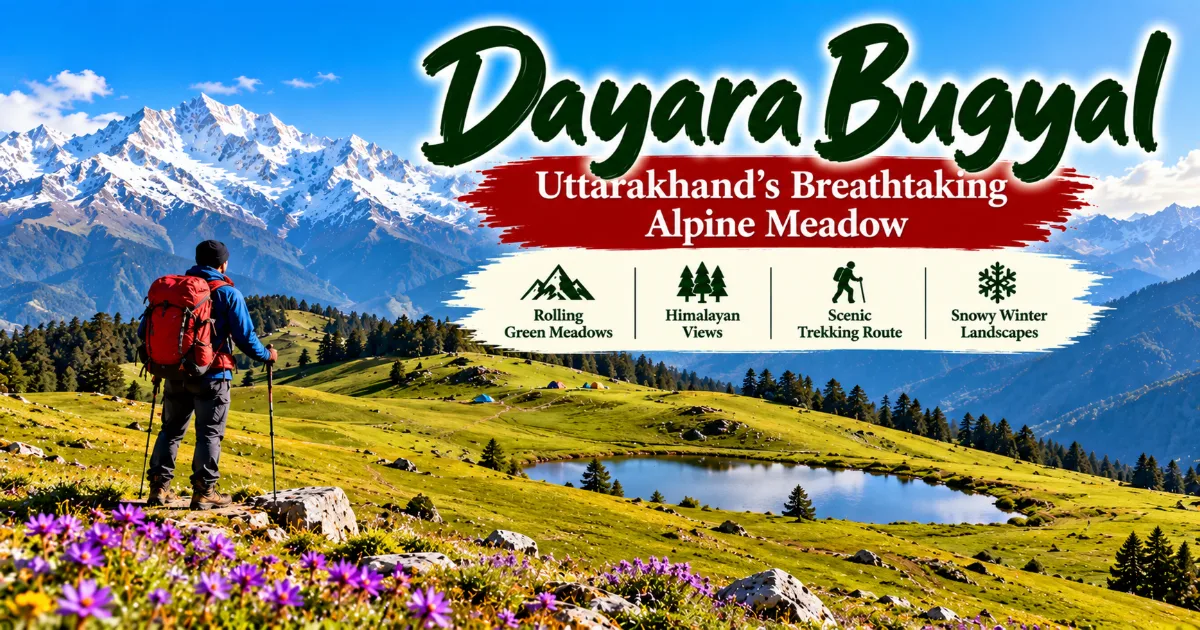
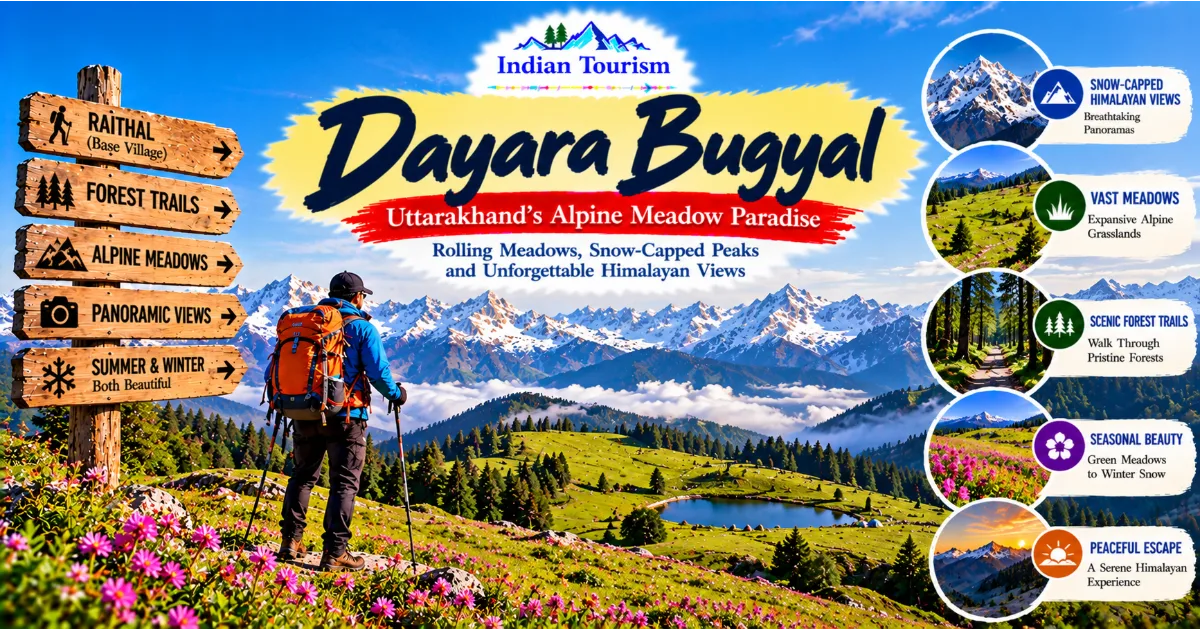
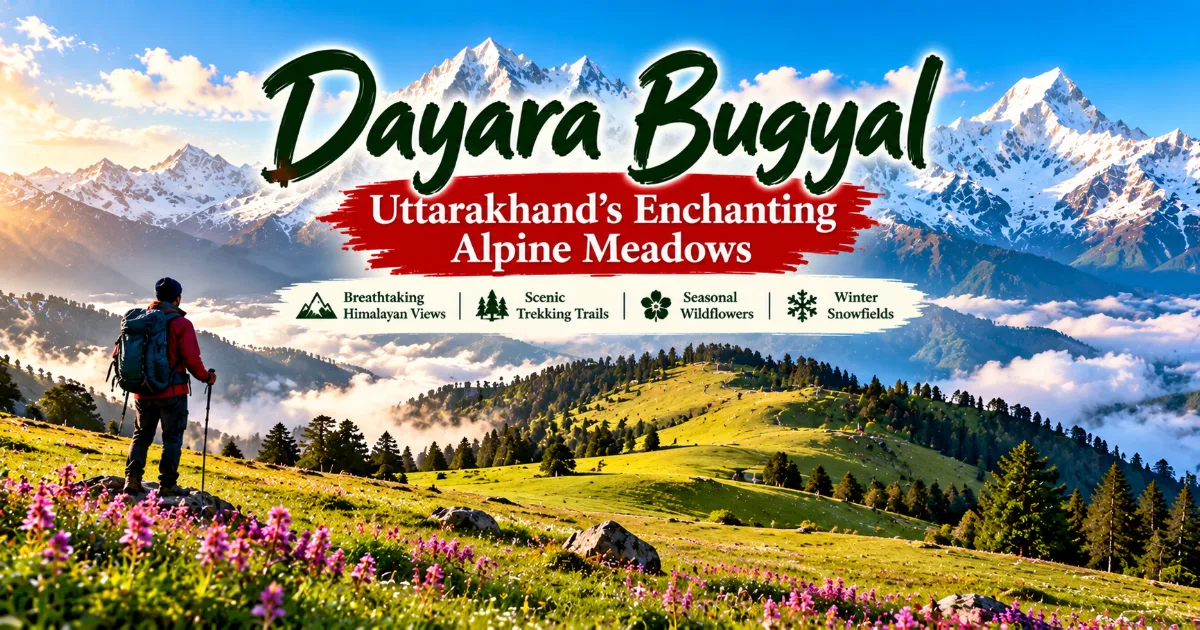
High in the Garhwal Himalayas of Uttarakhand lies Dayara Bugyal, a magnificent stretch of alpine meadow celebrated for its sweeping grasslands, snow-covered mountain views, seasonal wildflowers, and peaceful natural surroundings. Located at an elevation of approximately 3,400 metres above sea level, this destination offers a refreshing escape into the Himalayan wilderness. Unlike crowded hill stations, Dayara Bugyal invites travellers to experience the mountains through walking trails, open landscapes, quiet forests, and the changing colours of the seasons.
The word bugyal means a high-altitude meadow in the local language. These meadows are an important part of the Himalayan landscape, providing seasonal grazing grounds for livestock and supporting a delicate mountain ecosystem. Dayara Bugyal is among Uttarakhand’s most admired examples of this natural environment. It is especially attractive to trekkers, photographers, nature enthusiasts, and travellers who want to experience the mountains beyond the usual roadside viewpoints.
The journey to Dayara Bugyal is as memorable as the destination itself. The trail passes through traditional Himalayan settlements, forested slopes, and gradually opening landscapes before reaching the broad meadows. During favourable weather, the surrounding mountains create a spectacular backdrop, while winter can transform the area into a snow-covered wilderness. Each season presents a different experience, making Dayara Bugyal a destination worth understanding before planning a visit.
Continue Reading
Where Is Dayara Bugyal Located?
Dayara Bugyal is situated in the Uttarkashi district of Uttarakhand, within the Garhwal Himalayan region. The destination lies above the villages and valleys that form part of the traditional mountain landscape around Uttarkashi. It is generally approached through settlements such as Raithal or Barsu, both of which serve as important starting points for trekking routes into the surrounding highlands.
Uttarkashi is one of the significant towns in this part of the state and acts as a useful gateway for travellers exploring the upper Bhagirathi valley and nearby Himalayan destinations. From the town, visitors continue by road towards the villages that provide access to Dayara Bugyal. The final section of the journey must be completed on foot, as the meadow itself is reached by trekking through mountain terrain.
The landscape around Dayara Bugyal is characterised by steep hillsides, dense forests, traditional villages, open grazing grounds, and distant Himalayan peaks. The region reflects the relationship between mountain communities and their environment. Local settlements depend on agriculture, livestock rearing, seasonal tourism, and other activities suited to life in a mountainous area.
Although Dayara Bugyal is increasingly recognised as a trekking destination, it remains a natural landscape rather than a developed resort. Travellers should not expect extensive commercial infrastructure across the meadows. The appeal of the destination lies precisely in its openness, quiet surroundings, and the opportunity to experience a high-altitude environment with relatively limited construction.
Understanding the Meaning of a Bugyal
A bugyal is a high-altitude meadow found in the Himalayan region. These grasslands usually develop above substantial forest belts, where climatic conditions and seasonal changes support a distinctive variety of grasses, flowering plants, and other alpine vegetation.
During the warmer months, a bugyal can appear as an enormous green carpet spread across rolling mountain slopes. The grass moves with the wind, clouds drift over distant ridges, and small flowers may appear across the ground. The open landscape offers a striking contrast to the dense forests through which trekkers often walk before reaching the meadow.
Bugyals are not simply attractive tourist destinations. They also have ecological and cultural importance. Traditionally, mountain communities have used many high-altitude meadows as seasonal grazing grounds. Livestock may be taken to suitable pastures during warmer periods, following local practices shaped by generations of experience with the mountain environment.
These landscapes are sensitive to excessive grazing, careless camping, littering, and unplanned construction. Alpine vegetation often grows slowly because of the short growing season and challenging climatic conditions. Damage to the soil and plants may therefore take considerable time to recover.
Dayara Bugyal should be understood as a living ecosystem rather than an empty space created exclusively for recreation. Responsible tourism means enjoying the landscape while protecting its natural character and respecting the people whose lives are connected to the surrounding mountains.
The Journey Through Raithal and Barsu
One of the most enjoyable aspects of visiting Dayara Bugyal is the approach through traditional Himalayan villages. Raithal and Barsu are among the commonly used starting points for trekking towards the meadow. The exact route, distance, and walking time depend on the chosen trail, accommodation arrangements, weather, and the location from which the trek begins.
Starting the Trek from Raithal
Raithal is a mountain village known for its traditional surroundings and its role as a starting point for the Dayara Bugyal trek. The village offers a glimpse of rural life in Uttarakhand, where homes, terraced fields, mountain paths, and livestock remain closely connected to the local environment.
From Raithal, the trail climbs gradually through forested terrain before reaching more open landscapes. The initial sections can involve shaded paths, uneven ground, and steady uphill walking. As trekkers gain elevation, the surrounding scenery changes. The village landscape becomes smaller in the distance, and the mountain environment begins to dominate the view.
The forest section is an important part of the journey. It provides shade during warmer weather and creates a peaceful atmosphere, especially when the trail is less crowded. Depending on the season, visitors may notice different types of vegetation, fallen leaves, birds, and changing light filtering through the trees.
As the path approaches the meadow, the enclosed forest environment gradually gives way to open slopes. This transition is one of the most memorable moments of the trek. The sudden expansion of the landscape reveals the scale of the surrounding hills and the vastness of the alpine grassland.
Starting the Trek from Barsu
Barsu is another commonly used access point for Dayara Bugyal. Like Raithal, it provides an opportunity to experience a traditional mountain settlement before beginning the ascent.
The route from Barsu follows forest paths and mountain slopes towards the higher meadow. The terrain may include uneven sections, gradual climbs, and stretches that become more demanding depending on weather conditions. Travellers should choose a route based on their fitness, available time, seasonal conditions, and guidance from experienced local operators.
Both Raithal and Barsu can offer rewarding approaches to Dayara Bugyal. Instead of treating one route as universally better, visitors should consider their travel arrangements and the current condition of the trails. Local guides can help determine which route is appropriate for the season and the group's experience level.
The First View of Dayara Bugyal
Reaching Dayara Bugyal after walking through the forest can feel like entering a different world. The dense tree cover opens into broad grasslands that extend across gently rolling slopes. The landscape feels expansive, with the horizon broken by mountain ridges and distant peaks.
The meadow does not have the appearance of a conventional tourist attraction. There are no elaborate entrance structures or continuous rows of shops defining the experience. Instead, the scenery itself becomes the main attraction. Travellers can walk across suitable sections of the grassland, pause to observe the mountains, and appreciate the changing atmosphere.
On clear days, the views may include prominent Himalayan peaks in the surrounding region. Visibility varies considerably with weather, season, and atmospheric conditions. Clouds can gather quickly, sometimes covering distant mountains within a short period. The same landscape may look entirely different in bright sunlight, mist, rain, or snowfall.
The scale of the meadow is another defining feature. Its open terrain allows visitors to see how the grassland follows the contours of the mountain slopes. Gentle rises and dips create natural viewpoints, while the surrounding forest forms a darker boundary around portions of the open landscape.
For many visitors, the greatest attraction is the feeling of space. Dayara Bugyal offers a chance to step away from busy roads and commercial areas and spend time in an environment shaped primarily by nature.
Himalayan Mountain Views and Photography
Dayara Bugyal is an appealing destination for landscape photography because of its combination of open terrain, mountain backdrops, forest edges, and changing weather. The meadow offers broad compositions that are difficult to find in heavily wooded mountain destinations.
Photographers may choose to capture the curves of the grassland, the distant peaks, or the transition between forest and open meadow. During the warmer months, green slopes provide a natural foreground, while clouds can add depth to the mountain scenery. Winter presents a different challenge, with snow and subdued colours creating a quieter visual atmosphere.
Early morning can be particularly rewarding when the weather is clear and the mountain outlines are visible. Soft light can reveal the contours of the meadow without creating harsh contrasts. Later in the day, changing cloud patterns may create dramatic conditions, although visibility is less predictable.
Travellers using mobile phones can capture excellent memories without carrying professional equipment. Wide-angle photographs are useful for showing the scale of the landscape, while closer compositions can focus on grasses, flowers, forest details, or the textures of rocks and snow.
Photography should never take priority over safety or environmental responsibility. Visitors should avoid trampling delicate vegetation to reach a preferred viewpoint. They should also remain aware of sudden weather changes, especially when clouds reduce visibility across open terrain.
Dayara Bugyal in Summer: Green Meadows and Fresh Mountain Air
Summer is one of the most attractive seasons for visitors who want to experience Dayara Bugyal as a green alpine meadow. As temperatures rise in the lower valleys and snow retreats from suitable sections of the higher terrain, vegetation begins to grow across the grassland.
The meadow gradually develops a greener appearance, creating a striking contrast with the darker forests and rocky mountain slopes. The air can feel fresh, and the open landscape provides relief from the heat experienced in many lowland areas.
Summer trekking allows visitors to focus on the natural environment rather than the challenges associated with deep snow. However, the trail can still be demanding because of elevation gain, uneven ground, rain, and changes in temperature. Weather conditions in the Himalayas remain variable even during warmer months.
Travellers should carry sufficient drinking water, sun protection, suitable walking shoes, and clothing that can be adjusted as conditions change. Sunlight can be intense at higher elevations, while shaded forest sections may feel much cooler.
Summer is also a good period for observing the transition between different ecological zones. The journey from the village towards the meadow passes through vegetation that changes with elevation and exposure. The experience offers an opportunity to appreciate how Himalayan landscapes respond to differences in temperature, moisture, and growing conditions.
Dayara Bugyal in the Monsoon: Mist, Rain and Changing Landscapes
The monsoon transforms much of Uttarakhand into a landscape of rain-washed forests, flowing streams, and thick vegetation. Dayara Bugyal can appear especially green during this period, with clouds moving across the hills and mist creating an atmospheric setting.
However, the monsoon is also a challenging time for trekking. Heavy rain can make trails slippery, increase the risk of falling rocks and landslides on surrounding roads, and reduce visibility. Streams may rise quickly, and sections of the path can become muddy or difficult to navigate.
The beauty of the season should therefore be balanced against practical safety considerations. Visitors should check local weather forecasts, road conditions, and advice from experienced guides before travelling. If authorities or local operators advise against a trek because of unsafe conditions, postponing the journey is the responsible decision.
Monsoon travel is not suitable for everyone. Those who prefer stable weather and clearer mountain views may find other periods more rewarding. Travellers who do visit during rainy conditions should avoid walking alone, remain on established paths, and carry waterproof clothing and protection for their equipment.
Autumn: Clear Views and Golden Landscapes
Autumn can offer a particularly rewarding experience at Dayara Bugyal. As the monsoon withdraws, periods of clearer weather may reveal extensive mountain views. The atmosphere can feel crisp, and the landscape often becomes more defined after the rainy season.
The grassland may shift from bright green towards shades of gold and brown as seasonal changes affect the vegetation. Forests and mountain ridges create layers of colour, while the lower angle of sunlight can make the landscape especially appealing for photography.
For trekkers who value panoramic views, autumn is often an attractive time to consider the journey. Nevertheless, clear weather cannot be guaranteed, and conditions can change quickly in the mountains. Temperatures also begin to fall as the season progresses, particularly at night and in the early morning.
Proper clothing is essential, even when daytime conditions appear comfortable. Visitors should carry warm layers, a wind-resistant outer garment, and enough protection for colder periods. Those planning overnight stays should confirm that their accommodation and equipment are suitable for the expected temperatures.
Autumn also offers a valuable opportunity to experience the quieter side of mountain travel. Depending on the dates and local visitor numbers, the trails may feel less busy than during some peak holiday periods.
Winter at Dayara Bugyal: A Snow-Covered Himalayan World
Winter gives Dayara Bugyal a dramatically different appearance. Snow can cover the meadow and surrounding slopes, transforming the familiar grassland into an expansive white landscape. Trees may carry snow, paths can disappear beneath fresh snowfall, and the distant mountains can blend into a striking winter panorama.
This seasonal transformation has made Dayara Bugyal popular among people interested in snow trekking. For visitors who have never experienced a Himalayan winter landscape, walking across a snow-covered meadow can be memorable.
However, winter conditions require careful planning. Snowfall, freezing temperatures, wind, poor visibility, and icy trail sections can make the trek considerably more difficult. The actual depth and distribution of snow vary from year to year, and there is no guarantee that the meadow will have a particular appearance on a chosen date.
Winter trekking should be undertaken with appropriate clothing, footwear, equipment, and guidance. Visitors unfamiliar with snow conditions should avoid attempting the route independently. A qualified local guide or reputable trekking operator can help assess the weather, trail conditions, and the group's ability.
Travellers should also understand that snow-covered terrain can hide uneven ground and make familiar routes difficult to recognise. Carrying adequate supplies and following established safety instructions are essential.
The winter experience is most rewarding when visitors prepare for the conditions rather than treating snowfall as a simple photographic attraction.
Trekking Difficulty and Physical Preparation
The trek to Dayara Bugyal is commonly considered suitable for beginners who have a reasonable level of fitness and prepare properly. However, the experience should not be described as effortless. The route involves sustained uphill walking, and the altitude can affect people differently.
The total walking distance depends on the selected starting point, campsite, and route. Visitors should confirm the current itinerary with a reliable local guide rather than relying on a single distance estimate. Walking time can also vary according to fitness, weather, snow conditions, and the number of breaks taken along the way.
People who lead a largely sedentary lifestyle may benefit from preparing several weeks in advance. Regular walking, stair climbing, and moderate cardiovascular exercise can help build endurance. Strengthening the legs and improving balance can also make uneven mountain paths easier to manage.
During the trek, it is better to maintain a steady pace than to rush uphill. Frequent short breaks, appropriate hydration, and attention to breathing can help travellers manage their energy. Visitors should communicate openly with their guides if they feel unusually tired, dizzy, breathless, or unwell.
Altitude-related illness can affect people even when they are physically fit. Symptoms such as a persistent headache, nausea, dizziness, unusual fatigue, or worsening breathlessness should not be ignored. Severe or worsening symptoms require prompt descent and appropriate medical assistance.
People with existing medical concerns should seek professional advice before undertaking a high-altitude trek. Physical preparation is helpful, but it does not eliminate the risks associated with altitude and mountain weather.
What to Pack for Dayara Bugyal
Packing correctly can make a significant difference to the comfort and safety of the journey. The exact requirements depend on the season, the length of the trek, and whether the traveller is staying in village accommodation, a campsite, or another organised arrangement.
Comfortable trekking shoes with good grip are essential. The trail may include soil, stones, roots, mud, and snow, depending on the season. Shoes should be properly fitted and worn before the journey to reduce the risk of blisters.
Clothing should be layered so that travellers can adapt to changing temperatures. A base layer, warm middle layer, and weather-resistant outer layer provide more flexibility than relying on a single heavy jacket. Warm socks, gloves, and a cap become especially important during colder months.
A small backpack can hold drinking water, snacks, personal medication, sunscreen, sunglasses, a basic first-aid kit, and a rain cover. A headlamp or torch is useful in case the journey takes longer than expected or light fades before reaching the accommodation.
Winter visitors may need additional equipment, including suitable insulation and traction aids, depending on current conditions and the guidance provided by their trekking operator. Such equipment should be chosen according to the route and weather rather than purchased without understanding how it is used.
Travellers should also carry personal identification and keep emergency contact information accessible. Those using a guided package should confirm what equipment, meals, transport, and safety arrangements are included before departure.
Local Villages and Himalayan Culture
Dayara Bugyal is closely connected to the villages that surround it. These settlements reflect the agricultural traditions, building practices, food habits, and social relationships that shape life in the Garhwal Himalayas.
Terraced fields are a familiar feature of the region. Because flat land is limited on steep mountain slopes, communities have adapted cultivation to the terrain. Crops, livestock, household activities, and seasonal work are influenced by weather, elevation, and access to markets.
Traditional houses often reflect practical responses to the mountain climate and locally available materials. Village life may follow rhythms that differ from those of urban areas, with agricultural work, animal care, religious observances, and community events playing important roles.
Visitors should approach local culture with respect and curiosity. Asking permission before photographing people, respecting private property, and following local guidance are simple ways to build positive relationships.
Tourism can create valuable opportunities for village households through homestays, guiding, transport, food services, and the supply of local products. When travellers choose responsible local services, a greater share of tourism spending can remain within the destination.
At the same time, tourism should not pressure residents to change their customs or daily routines merely to satisfy visitors. The most meaningful cultural experiences often come from listening, observing, and appreciating the region on its own terms.
Local Food and Mountain Hospitality
Food is an important part of travelling through Uttarakhand. In and around the villages that provide access to Dayara Bugyal, visitors may encounter simple home-cooked meals influenced by Garhwali traditions and the availability of local ingredients.
Meals can include rice, lentils, seasonal vegetables, flatbreads, and other familiar regional preparations. Depending on the household or establishment, travellers may also find local dishes made using grains, pulses, and ingredients suited to mountain agriculture.
Food availability varies by village, season, and accommodation. Visitors with dietary restrictions should communicate their needs in advance rather than assuming that every preference can be accommodated in a remote mountain setting.
Travellers should also remember that food supplies may be limited at higher elevations. Carrying suitable snacks can be helpful during the trek, but packaging should always be brought back rather than discarded along the trail.
Local hospitality is often an important part of the journey. Staying in a village homestay can provide an opportunity to learn about regional food, family life, and the practical realities of living in the mountains. Visitors should treat these stays as exchanges with local hosts rather than as hotel experiences with identical facilities and services.
Responsible Tourism and Protection of the Meadow
Dayara Bugyal's beauty depends on the health of its grassland ecosystem. As the destination attracts more visitors, responsible travel becomes increasingly important.
Alpine vegetation can be fragile, and repeated trampling may damage plants and compact the soil. Visitors should remain on established paths wherever possible and avoid creating new shortcuts across the meadow.
Waste management is another major concern. Plastic wrappers, disposable bottles, food packaging, and other rubbish can remain in the environment long after a trek has ended. Travellers should carry reusable water bottles where practical and bring all non-biodegradable waste back to suitable collection points.
Campfires should never be started without clear permission and appropriate safety arrangements. In some conditions, fires can damage vegetation, create a risk of forest fires, or disturb the surrounding ecosystem. Visitors should follow local rules about camping and cooking.
Noise pollution can also affect the experience of wildlife and other visitors. Loud music and unnecessary shouting undermine the quiet atmosphere that makes the meadow special. Respectful behaviour allows people to enjoy the destination without imposing their preferences on others.
Tourism operators and visitors share responsibility for protecting the area. Choosing operators who explain environmental rules, manage waste properly, and respect local communities helps support a more sustainable model of tourism.
How to Reach Dayara Bugyal
The journey generally begins with travel to Uttarkashi district, followed by a road journey towards Raithal or Barsu, depending on the chosen trekking route.
By Road
Road travel is the main way to reach the villages used as starting points for the trek. Travellers coming from Dehradun, Rishikesh, or other parts of Uttarakhand should plan for a mountain journey that may take longer than expected because of road conditions, traffic, weather, and seasonal disruptions.
Road distances and travel times depend on the starting location and route. Before departure, visitors should check current road conditions and allow sufficient time to reach their accommodation before beginning the trek.
By Rail
Dehradun and Rishikesh are commonly used rail access points for travellers heading towards this part of Uttarakhand. From either location, the journey continues by road towards Uttarkashi district and the selected trekking village.
Rail availability, arrival times, and onward transport arrangements should be checked when planning the trip. Travellers arriving late in the day may find it more practical to stay overnight before continuing into the mountains.
By Air
Jolly Grant Airport near Dehradun is the principal airport commonly considered by travellers approaching this region by air. From the airport, the journey continues by road.
The airport-to-trailhead journey is substantial, so visitors should avoid assuming that they can arrive by air and immediately begin the trek. Building a buffer into the itinerary helps account for delays and changing mountain conditions.
Final Trek to the Meadow
The final approach to Dayara Bugyal is completed on foot. The route and duration depend on the chosen trail, weather, fitness, and the location of the starting accommodation.
Travellers should confirm route details locally before setting out. Maps and online descriptions can be useful for planning, but they cannot replace current information about snow, trail damage, weather, and local restrictions.
Best Time to Visit Dayara Bugyal
There is no single best season for every traveller. The ideal time depends on whether the main interest is green meadows, clear mountain views, wildflowers, or winter snow.
Late spring and summer can be attractive for those seeking greener landscapes and more manageable walking conditions, although weather remains variable. Autumn can provide rewarding mountain views when skies are clear. Winter appeals to visitors interested in snow, but it requires additional preparation and experienced guidance.
The monsoon period can produce beautiful greenery, yet rain may make trekking and road travel more difficult. Travellers should assess conditions carefully rather than selecting dates based only on photographs or general seasonal descriptions.
Before finalising a visit, confirm the current status of the trail, local access rules, accommodation, transport, and weather. If a particular trekking route is closed or considered unsafe, choose another date rather than attempting to continue regardless of conditions.
Where to Stay Near Dayara Bugyal
Accommodation options are generally concentrated in the villages and towns used to access the trek. Depending on the route and season, travellers may find guesthouses, homestays, small lodges, or organised trekking arrangements.
Village accommodation can be a useful choice for visitors who want to understand the local setting and begin the trek after resting overnight. Facilities vary, and travellers should confirm room availability, heating, meals, washrooms, drinking water, and transport arrangements in advance.
Camping may be available through organised trekking operators, subject to local rules and current conditions. Visitors should not assume that they can camp anywhere on the meadow. Sensitive vegetation, weather exposure, waste management, and local regulations all affect where overnight stays may be permitted.
Travellers who require specialised facilities or a high level of comfort should plan carefully. Remote mountain destinations may not offer the same range of services as large tourist towns. Carrying essential personal medication and confirming arrangements before arrival can help prevent avoidable difficulties.
How Many Days Should You Plan?
A visit to Dayara Bugyal can be arranged in different ways, depending on the traveller's starting point and chosen route. Many visitors set aside several days to include road travel, time in the access village, the trek itself, and the return journey.
A short itinerary may be suitable for people travelling from nearby parts of Uttarakhand, while visitors arriving from distant cities should consider allowing additional time. Road journeys in the mountains can be affected by weather, traffic, and unexpected delays.
Travellers should avoid planning the return journey so tightly that a small delay creates pressure to rush. A flexible schedule is particularly valuable during winter and the monsoon, when conditions can change quickly.
Those who enjoy photography or want to experience the landscape without rushing may prefer an itinerary that allows time for rest and observation. The purpose of the journey is not simply to reach the meadow, but to appreciate the changing environment along the way.
Who Should Visit Dayara Bugyal?
Dayara Bugyal can appeal to a wide range of travellers, provided they choose an appropriate itinerary and understand the demands of a mountain environment.
Beginners who enjoy walking and have reasonable fitness may find it a rewarding introduction to Himalayan trekking when accompanied by suitable guidance. Experienced trekkers may appreciate its open landscapes, seasonal variations, and opportunities for photography.
Families with older children may consider the destination after assessing the route, weather, altitude, and individual fitness. Families travelling with young children should seek guidance from experienced local operators and avoid assuming that a trek suitable for adults will be equally suitable for every child.
Nature photographers can enjoy the combination of meadow, forest, and mountain scenery. Visitors interested in rural life may also value the opportunity to spend time in Raithal or Barsu and learn about the surrounding communities.
However, Dayara Bugyal is not a conventional roadside picnic destination. Reaching the meadow requires walking, and visitors should be prepared for physical effort, limited facilities, and changing weather. People who are unwilling or unable to undertake the trek may prefer to explore more accessible destinations in the surrounding region.
Travel Budget and Practical Planning
The cost of visiting Dayara Bugyal depends on the starting city, transport arrangements, accommodation, group size, season, and whether the trek is self-organised or booked through an operator.
A traveller using public transport and basic village accommodation may have a different budget from someone booking private road transport and a guided trekking package. Winter visits can require additional equipment and services, which may affect the overall cost.
Instead of relying on a single fixed price, travellers should request a clear breakdown before booking. The estimate should explain what is included, such as transport, meals, guide services, camping equipment, accommodation, permits where applicable, and any additional charges.
Visitors should also keep a reserve for unexpected expenses, changes to transport, or an extra night of accommodation. Mountain travel can be unpredictable, and a flexible budget is more useful than planning around the lowest advertised price.
Choosing the cheapest option is not always the best decision. Safety arrangements, guide experience, equipment quality, and responsible environmental practices deserve consideration alongside cost.
Essential Safety Advice for Visitors
Mountain travel requires awareness and preparation. Weather can change rapidly, temperatures can fall unexpectedly, and trail conditions can vary significantly between seasons.
Before setting out, visitors should check the forecast and confirm local advice about the route. They should carry suitable clothing, enough water, snacks, a charged phone, and a basic first-aid kit. A power bank may be useful, although mobile network coverage should not be assumed along the entire trail.
Travellers should begin early enough to complete the day's walking within a reasonable period. Walking after dark can make navigation and injury management more difficult, especially on unfamiliar terrain.
It is important to remain with the group and follow the guide's instructions. Visitors should not leave established paths simply to reach a photograph location or explore an unfamiliar slope.
People should also recognise the symptoms of altitude-related illness. Severe headache, persistent vomiting, confusion, loss of coordination, or breathlessness at rest can indicate a serious problem requiring urgent action. Such symptoms should never be ignored in the hope that they will disappear after a short break.
A responsible trekking plan includes knowing when to turn back. Reaching a destination is never more important than returning safely.
Why Dayara Bugyal Deserves a Place on Your Uttarakhand Travel List
Dayara Bugyal offers a distinctive combination of natural beauty, trekking, seasonal landscapes, and cultural connections. Its broad meadows create a sense of openness that contrasts with the forested trails and narrow mountain roads leading towards it.
The destination is attractive because it changes throughout the year. Green grasslands, seasonal flowers, autumn light, and winter snow provide different reasons to visit. The surrounding villages also add depth to the journey, showing how mountain communities live alongside landscapes that attract travellers from far beyond Uttarakhand.
Yet the most important part of the experience may be its simplicity. A walk across a meadow, a pause to observe the clouds, or a quiet view of distant mountains can become more memorable than a crowded tourist attraction.
Dayara Bugyal also reminds visitors that beautiful landscapes require care. The meadow's ecological value, the traditions of nearby communities, and the safety of future travellers all depend on responsible decisions today.
For anyone planning to explore Uttarakhand beyond its well-known pilgrimage centres and hill stations, Dayara Bugyal offers a rewarding opportunity to discover the high-altitude grasslands of the Garhwal Himalayas. With proper preparation, respect for local communities, and a commitment to leaving the landscape clean, the journey can become a meaningful part of an exploration of India's mountain heritage.
Conclusion
Dayara Bugyal is one of Uttarakhand's memorable alpine landscapes, offering sweeping grasslands, mountain panoramas, forest trails, and seasonal beauty. Located in the Uttarkashi district and approached through villages such as Raithal and Barsu, the meadow provides an opportunity to experience the Garhwal Himalayas on foot.
Summer and autumn can appeal to visitors seeking open landscapes and mountain views, while winter attracts those interested in snow-covered terrain. Every season requires appropriate planning, and local advice should guide decisions about route access and safety.
A visit to Dayara Bugyal becomes more meaningful when travellers appreciate both its natural beauty and its ecological importance. By respecting the meadow, supporting local communities, and travelling responsibly, visitors can help preserve this Himalayan landscape for future generations.
#DayaraBugyal #UttarakhandTourism #GarhwalHimalayas #IndianTourism #HimalayanTrekking