Walking Through History in the Himalayas
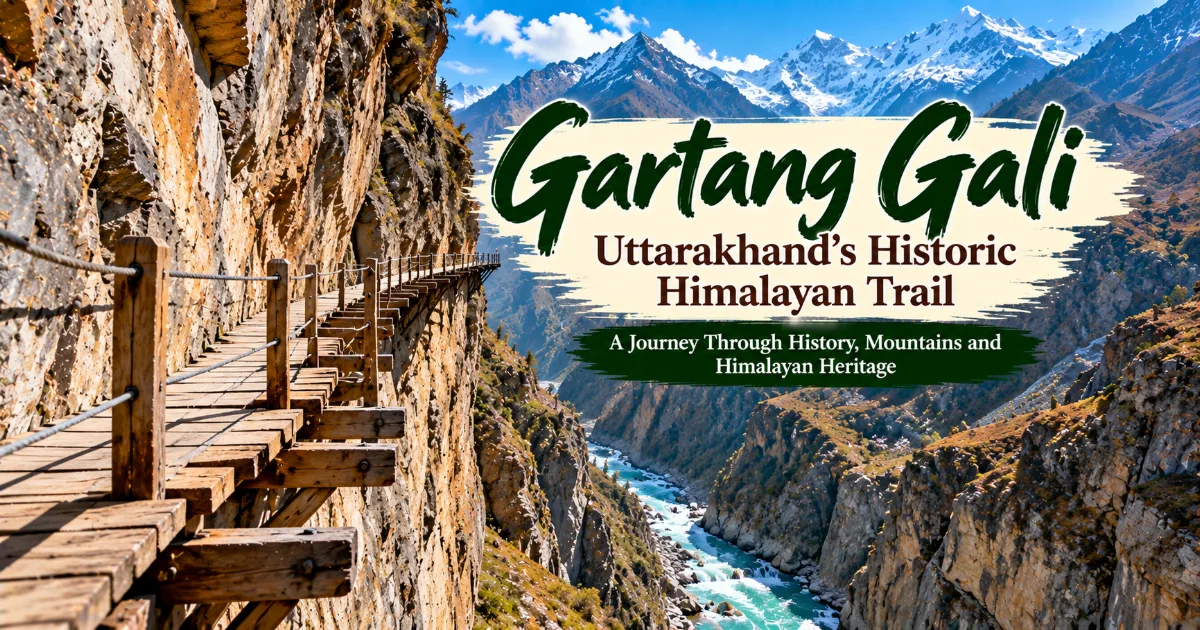
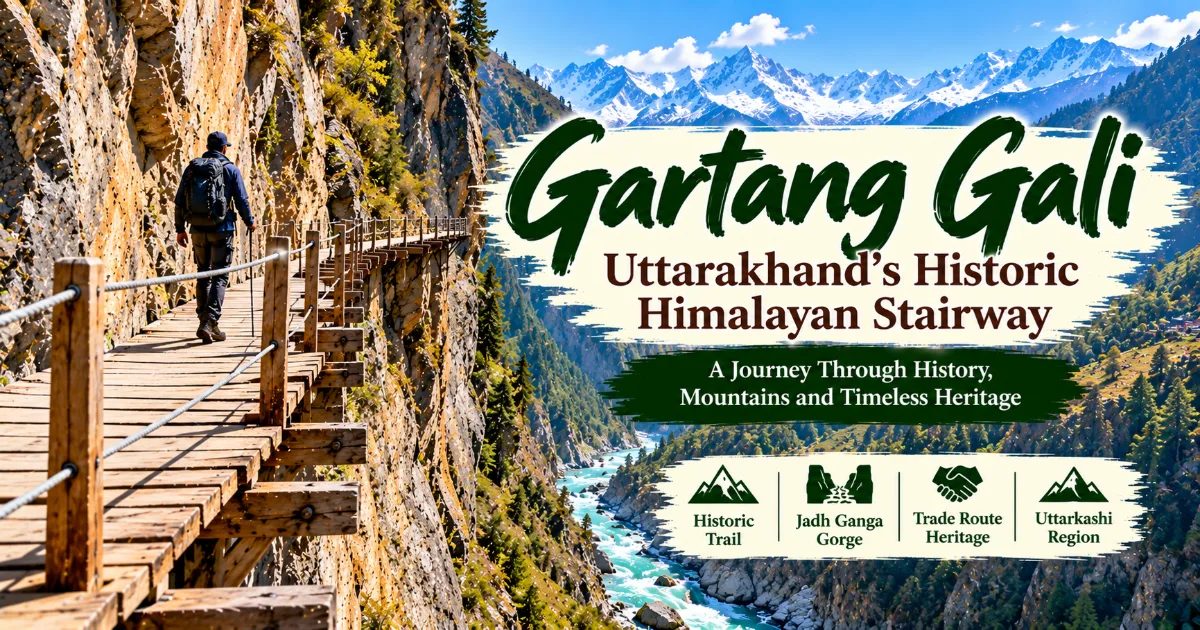
Hidden among the rugged mountains of Uttarkashi district in Uttarakhand, Gartang Gali is a remarkable historic trail carved into a steep rock face above the Jadh Ganga gorge. The wooden walkway, narrow passages, and dramatic mountain surroundings make it one of the region’s most distinctive heritage attractions. Located near the India-Tibet border region, this historic route offers travellers a glimpse into the old trade connections that once linked Himalayan communities across some of the most challenging terrain in Asia.
Gartang Gali is more than a spectacular mountain walkway. It reflects the ingenuity of people who built routes through difficult landscapes to maintain trade, communication, and cultural relationships. The trail is associated with the traditional movement of traders and communities between the Garhwal Himalayas and Tibet. Its revival as a tourism destination has renewed interest in the history of mountain commerce, traditional engineering, and the lives of people who inhabited these remote valleys.
For travellers exploring Uttarakhand, Gartang Gali offers a distinctive experience that combines history, dramatic scenery, and a sense of adventure. However, the trail is located in a sensitive border region, and access is subject to official rules and local conditions. Visitors should verify current access arrangements before travelling and follow all safety instructions.
Continue Reading
Where Is Gartang Gali Located?
Gartang Gali is located in the Uttarkashi district of Uttarakhand, in the upper reaches of the Garhwal Himalayas. It lies near the Nelong Valley region and the Jadh Ganga gorge, a dramatic landscape shaped by steep rock walls, mountain streams, and rugged terrain.
The area is remote compared with Uttarakhand’s more accessible hill stations. Travellers generally approach the region by road from Uttarkashi towards the upper valleys, with the final arrangements depending on current road conditions, local permissions, and the rules governing access to the border area.
The surrounding landscape is characterised by rocky mountains, narrow gorges, sparse high-altitude vegetation, and powerful views into the valley below. Unlike destinations known for green forests or broad alpine meadows, Gartang Gali has a more austere character. The rock formations and steep terrain dominate the scenery, reminding visitors of the demanding environment in which the trail was constructed.
Because the route lies in a strategically sensitive region, travel planning requires more care than a visit to an ordinary tourist attraction. Entry procedures, identification requirements, permitted travel areas, and operating arrangements can change. Visitors should confirm the latest information with local authorities or authorised tourism operators before setting out.
What Is Gartang Gali?
Gartang Gali is a historic passage built along a steep rocky cliff. Parts of the route feature a narrow wooden walkway supported against the rock face, creating an extraordinary path above the gorge. The design reflects the challenges faced by people who needed to move through the mountainous landscape long before modern roads reached the region.
The word gali commonly refers to a narrow passage or lane in several North Indian languages. Gartang Gali is widely recognised for its cliffside structure and its connection to historical trade routes in the upper Garhwal Himalayas.
The trail is notable because it uses the natural shape of the rock face rather than following a broad, gently sloping path. Building and maintaining such a route would have required knowledge of the terrain, careful placement of structural supports, and an understanding of how to move people and goods through a narrow mountain corridor.
The setting also contributes to its significance. The walkway overlooks a deep gorge, and the surrounding rock walls create a powerful impression of height and exposure. Visitors can appreciate the route's engineering while observing the scale of the landscape around it.
Gartang Gali should not be approached as a thrill attraction alone. Its importance comes from the relationship between geography, trade, traditional construction, and the communities that depended on routes through the Himalayas.
The Historical Importance of Gartang Gali
For generations, Himalayan communities maintained trade and cultural links across valleys that are now divided by international borders. These connections developed through a combination of local knowledge, seasonal movement, established paths, and exchanges between communities on both sides of the mountains.
The region around Gartang Gali was associated with traditional trade involving communities from the upper Garhwal Himalayas and Tibet. Traders moved goods across difficult terrain, relying on established routes and local expertise to navigate steep slopes, narrow passes, and changing weather conditions.
Mountain trade was not simply about transporting merchandise. It also supported relationships between settlements, encouraged the exchange of customs and knowledge, and connected people who lived in environments separated by formidable natural barriers.
The Himalayan landscape shaped these exchanges. Routes had to accommodate the terrain, seasonal conditions, and the availability of food and shelter. A path that appeared short on a map could require considerable effort because of steep elevation changes, exposed sections, and unpredictable weather.
Gartang Gali illustrates how people adapted to these challenges. The cliffside passage provided a way through a difficult section of terrain, demonstrating that the need for communication and commerce could encourage remarkable engineering solutions.
The route also reminds visitors that border regions have long histories that extend beyond modern political boundaries. Communities developed their own networks of movement and exchange before contemporary border controls changed how people could travel.
Traditional Trade Between Garhwal and Tibet
Trade across the Himalayas connected communities with different climates, resources, and economic needs. The high mountains created natural barriers, but they also contained routes through which goods could move between regions.
Communities in the Garhwal Himalayas participated in trading networks that linked settlements across the upper valleys. Such exchanges helped people obtain products that were scarce or unavailable in their own local environments.
The goods involved in Himalayan trade varied across time and place. Wool, salt, livestock-related products, grains, and other commodities formed part of wider regional exchange systems. The exact goods and trading practices depended on local demand, available resources, and the routes being used.
Trade was often shaped by seasonal conditions. Snowfall, rain, river levels, and the condition of mountain paths influenced when people could travel. Traders needed practical knowledge of weather, terrain, and the availability of resting places along the way.
The movement of goods also depended on human relationships. Local knowledge, trust, and cooperation were essential when travel involved remote settlements and challenging terrain. Trade routes therefore connected not only markets but also families, communities, and cultural traditions.
Gartang Gali forms part of this wider historical story. Its narrow construction demonstrates the effort required to maintain access through difficult geography. The trail gives modern visitors a tangible way to imagine the work involved in moving through the mountains before the arrival of modern transport infrastructure.
The Engineering Behind the Cliffside Walkway
One of the most striking aspects of Gartang Gali is the way the walkway follows the rock face. Rather than cutting a broad road into the mountainside, the route uses a narrow passage supported along a steep cliff.
Constructing a path in such a location would have presented several challenges. Workers would have needed to assess the rock surface, create secure points of support, and ensure that the structure could withstand the conditions of a high mountain environment.
The gorge below adds to the difficulty. Working along an exposed cliff requires careful planning and specialised knowledge because the consequences of structural failure or a fall can be severe.
Traditional construction in mountain regions often depended on locally available materials and accumulated experience. Builders learned to work with the shape of the landscape, using methods suited to the terrain and the resources they could obtain.
Gartang Gali demonstrates the importance of such practical knowledge. Its structure reflects a response to a specific geographical problem: how to create a usable passage through a section of steep and difficult rock.
The route also raises questions about conservation. Historic structures exposed to weather and changing environmental conditions require appropriate maintenance. Restoration work must balance visitor access with the preservation of the original character and the safety of the walkway.
For visitors, observing the structure offers an opportunity to appreciate traditional engineering without reducing the trail to a simple photo opportunity. The walkway is a reminder that infrastructure can be both functional and historically significant.
The Jadh Ganga Gorge: A Dramatic Himalayan Landscape
The setting around Gartang Gali is an essential part of its appeal. The Jadh Ganga gorge cuts through a rugged mountain landscape, creating steep rock walls and dramatic changes in elevation.
From the walkway, visitors can appreciate the depth and scale of the gorge, although the exact views depend on the accessible sections of the trail and current visitor restrictions. The exposed terrain gives the location a distinctive character that differs from the forested valleys and grassy meadows found elsewhere in Uttarakhand.
The landscape has been shaped by geological processes operating over long periods. Water, weathering, erosion, and the movement of material along the slopes have contributed to the formation of the gorge and its surrounding terrain.
Mountain streams can appear modest in some conditions and more powerful during periods of increased water flow. The valley also reflects the influence of seasonal weather, with changes in sunlight, cloud cover, and precipitation altering the appearance of the rock surfaces.
The rugged setting encourages visitors to think about the relationship between natural geography and human movement. The gorge created an obstacle, but people developed a route that made passage possible.
This combination of dramatic scenery and historical ingenuity makes Gartang Gali particularly memorable. The landscape is not merely a background to the walkway. It explains why the route was needed and why its construction was so challenging.
The Jadh Community and the Cultural Heritage of the Region
The upper valleys of Uttarkashi have a rich cultural history shaped by mountain geography, seasonal movement, traditional livelihoods, and relationships with neighbouring regions. The Jadh community is associated with this part of the Himalayas and has historically maintained connections across the upper valleys and the Tibet region.
Local cultural traditions developed in response to the conditions of high-altitude life. Communities needed to manage limited agricultural land, challenging weather, transport difficulties, and seasonal access to resources.
Trade was one part of this way of life. Movement across mountain routes created opportunities for economic exchange and cultural interaction, while local knowledge helped people navigate a landscape that could be difficult for outsiders to understand.
The history of the region should not be reduced to a single trail or a single period. Gartang Gali is one physical feature within a much larger story involving families, settlements, economic networks, and the changing political circumstances of the Himalayas.
Visitors can contribute to the respectful preservation of this heritage by learning about the region before travelling, listening to local accounts where available, and avoiding unsupported claims about local customs or history.
Photography should also be approached thoughtfully. People, homes, religious places, and culturally significant objects should be photographed only with appropriate permission and respect.
How Border Changes Affected Traditional Trade
The history of Himalayan trade changed significantly as modern borders, political relationships, and security arrangements developed. Routes that had once supported movement between neighbouring regions became more restricted as international boundaries acquired greater administrative and strategic importance.
The political changes of the twentieth century affected communities whose livelihoods depended partly on cross-border exchange. The closure or restriction of traditional routes disrupted established trading relationships and changed the economic circumstances of settlements in the upper Himalayas.
These developments had consequences beyond commerce. When movement became difficult or impossible, families and communities could lose access to long-standing relationships, markets, and places connected to their shared history.
Gartang Gali became less prominent as a functioning trade route as these wider changes took effect. Over time, the walkway fell into disuse and deteriorated, leaving behind a striking but vulnerable reminder of an earlier period of Himalayan movement.
The trail's history illustrates how political boundaries can transform the practical geography of a region. A route that once connected communities may become inaccessible even when the physical landscape remains unchanged.
For modern visitors, Gartang Gali provides a way to understand this transition. Its surviving structure links the present landscape with the history of trade and travel that shaped life in the upper valleys.
The Restoration and Revival of Gartang Gali
The restoration of Gartang Gali renewed public interest in a historic structure that had deteriorated after years of limited use. Making the walkway accessible again required attention to its physical condition, visitor safety, and the restrictions associated with the surrounding border region.
Restoration of a historic trail is more complicated than simply replacing damaged materials. Work must consider the structure's historical character, the condition of the supporting rock, exposure to weather, and the risks created by the steep gorge.
The challenge is to provide safe access without erasing the features that make the structure historically meaningful. Where modern safety measures are necessary, they should support responsible visitation while preserving as much of the route's original character as practicable.
The reopening of Gartang Gali as a tourism attraction has helped introduce a wider audience to the heritage of Uttarkashi's upper valleys. It has also encouraged visitors to explore the region's history rather than focusing exclusively on its natural scenery.
However, restoration does not mean that the route is permanently open or accessible under all conditions. Entry rules, visitor limits, operating periods, and safety arrangements may change. Travellers should confirm the latest requirements before planning a visit.
The long-term value of the restoration depends on careful maintenance, responsible tourism, and respect for the historic and strategic significance of the area.
What Makes Gartang Gali Different from Other Uttarakhand Destinations?
Uttarakhand offers a wide range of travel experiences, from pilgrimage towns and forest reserves to alpine lakes, snow-covered peaks, and traditional villages. Gartang Gali stands apart because it combines a dramatic physical setting with a visible connection to historic transportation and trade.
A visit is not primarily about spending time in a commercial hill station or enjoying a conventional scenic viewpoint. Instead, travellers encounter a narrow walkway built into a cliff, with the surrounding gorge revealing the challenges that shaped its construction.
The destination also provides a different perspective on Himalayan history. Many travellers associate the mountains with pilgrimage, trekking, or wildlife, but trade routes were equally important in shaping regional relationships.
Gartang Gali brings that history into view. The physical path offers evidence of how people adapted to the landscape to maintain movement between settlements.
Its location near a sensitive border region adds another dimension to the experience. Visitors must recognise that access is governed by rules that serve purposes beyond tourism. Respecting these restrictions is part of travelling responsibly in the upper Himalayas.
For those interested in heritage, geography, traditional engineering, and mountain culture, Gartang Gali offers an experience that is distinct from many better-known attractions in the state.
Best Time to Visit Gartang Gali
The most suitable time to visit depends on the official opening arrangements, road conditions, and weather. Unlike destinations where travellers can choose dates mainly according to personal preference, Gartang Gali requires attention to access restrictions and local safety guidance.
Warmer months may provide more favourable conditions for road travel and walking, but the exact dates and availability should be confirmed locally. Rain can make roads and mountain paths more difficult, while poor visibility may reduce the experience of the surrounding landscape.
During colder periods, temperatures can fall significantly in the upper valleys. Snow and ice may affect travel, and some routes may be restricted or difficult to access.
Visitors should not assume that a particular season guarantees entry. Before making bookings, confirm whether the trail is open, whether advance permission is required, what identification must be carried, and whether any additional rules apply to visitors.
It is also sensible to allow flexibility in the itinerary. A route may become inaccessible because of weather, road conditions, or administrative decisions, even when the original travel plan appeared straightforward.
The best visit is one planned around confirmed conditions rather than fixed expectations.
How to Reach Gartang Gali
Reaching Gartang Gali requires planning because the destination lies in a remote part of Uttarkashi district.
By Road
Road travel is the principal way to approach the region. Visitors generally travel towards Uttarkashi and continue into the upper valleys according to the current route and permitted access arrangements.
Mountain roads can be affected by rainfall, landslides, roadworks, and other disruptions. Travel times may therefore be longer than expected, and travellers should check conditions before departure.
Using a reliable local driver or authorised operator can be helpful, particularly for visitors unfamiliar with the region.
By Rail
Travellers arriving by train commonly consider rail connections to Dehradun or Rishikesh before continuing by road. The best option depends on available train services, arrival times, and the overall itinerary.
An overnight stay before continuing towards the upper valleys may make the journey more comfortable and reduce the pressure of reaching a remote destination within a narrow time window.
By Air
Jolly Grant Airport near Dehradun is a commonly used airport for visitors travelling to this part of Uttarakhand. From the airport, the journey continues by road.
Because the destination is remote, air travel does not eliminate the need for substantial onward road travel. Visitors should plan their arrival time carefully and allow sufficient flexibility for the mountain journey.
Access Permissions and Local Rules
Gartang Gali lies in a sensitive border region. Visitors should verify the current permit and identification requirements with the relevant authorities before departure. They should also confirm whether any restrictions apply to the route, photography, travel dates, or the use of private vehicles.
Carrying the required documents and following official instructions is essential. Travellers should not attempt to enter restricted areas or bypass checkpoints.
Travel Safety at Gartang Gali
The cliffside setting makes safety a central part of visiting Gartang Gali. The walkway passes above a deep gorge, and the narrow structure requires visitors to remain alert throughout the experience.
Visitors should follow all instructions given by officials and site staff. Where safety barriers or marked boundaries are present, they must not be crossed. Running, pushing, leaning dangerously over the edge, or attempting unusual photography positions can create serious risks.
Footwear with good grip is advisable, particularly when the surface is damp or weather conditions are changing. Visitors should move carefully and allow enough space for others to use the walkway safely.
People who are uncomfortable with heights should consider the nature of the route before committing to the visit. There is no reason to feel pressured into continuing if the exposure causes significant distress.
Children should be supervised closely, and groups should follow any rules about visitor movement or capacity. Visitors should not assume that a historic walkway can accommodate unrestricted traffic.
Weather conditions deserve equal attention. Rain, strong winds, poor visibility, or other adverse conditions may affect access. Official closures and safety instructions must always take priority over travel plans.
Photography at Gartang Gali
Gartang Gali is a compelling destination for photographers because it combines a distinctive structure with a dramatic Himalayan setting. The walkway's relationship with the rock face creates strong lines and patterns, while the gorge provides a sense of depth.
Wide-angle photography can capture the overall relationship between the structure and the landscape. Closer photographs may highlight the materials, construction details, and narrow shape of the passage.
Light conditions can alter the appearance of the rock walls. Clear skies may produce strong contrasts, while clouds and mist can create a softer atmosphere. The exact conditions depend on the season and the weather during the visit.
Photographers should prioritise safety over composition. It is never appropriate to cross barriers, lean beyond safe boundaries, or block the walkway for an extended period to obtain a photograph.
Visitors should also respect any restrictions on photography imposed by authorities in the border region. Rules can vary according to the location and circumstances, so travellers should seek clarification when necessary.
A good photograph should record the experience without compromising personal safety, disturbing other visitors, or violating local regulations.
Local Communities and the Benefits of Responsible Tourism
Tourism can create opportunities for communities in remote mountain regions. Transport services, homestays, guides, food providers, and small businesses may benefit when visitors travel responsibly and use locally provided services.
For villages in Uttarkashi district, tourism can help diversify income sources in areas where agriculture and other traditional livelihoods are influenced by difficult terrain and seasonal conditions.
Visitors can support local businesses by purchasing appropriate local products, choosing reliable local services, and treating residents respectfully. Even small decisions can contribute to a more positive relationship between tourism and community life.
However, tourism should not be treated as an automatic solution to the economic challenges of remote areas. Benefits depend on how opportunities are distributed, the quality of infrastructure, environmental protection, and the ability of local people to participate in tourism on fair terms.
The historic importance of Gartang Gali also makes it necessary to approach tourism with cultural sensitivity. The trail is part of a larger regional story, not simply a structure created for visitors.
Responsible tourism recognises both the economic opportunities and the obligations that come with increased attention. Protecting heritage, following rules, reducing waste, and respecting local life are essential parts of that responsibility.
Nearby Experiences in the Upper Uttarkashi Region
Travellers visiting Gartang Gali may be interested in exploring other parts of Uttarkashi district, subject to current access rules and the time available.
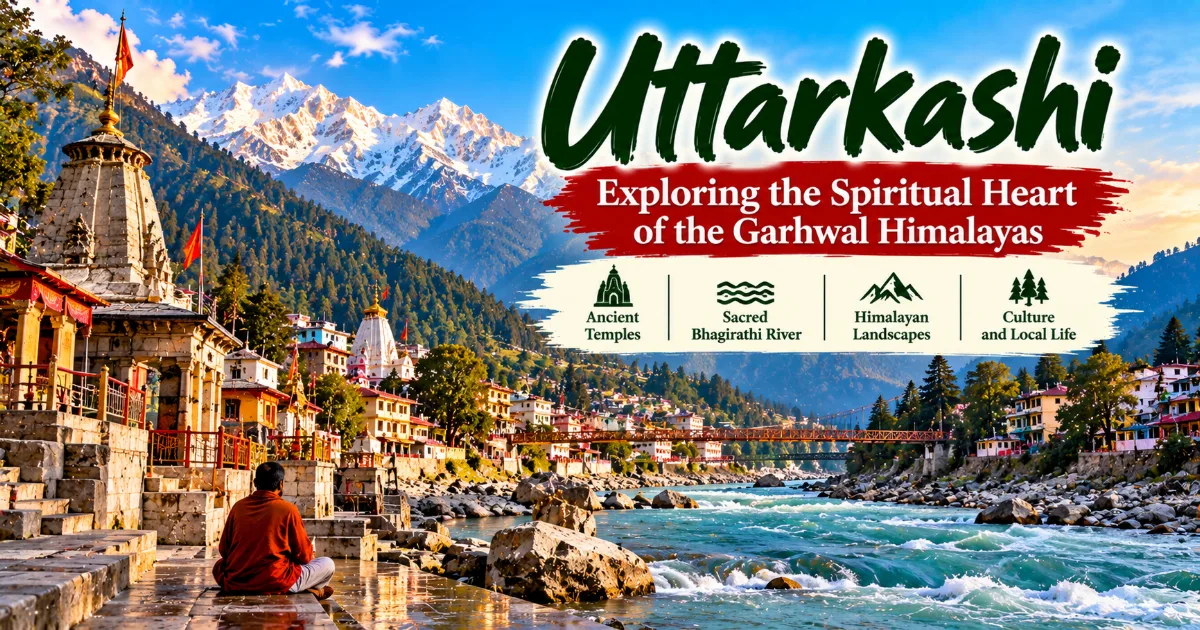
The town of Uttarkashi provides a useful base for understanding the region and arranging onward travel. It has its own cultural and religious significance and serves as an important centre for visitors travelling through the upper Bhagirathi valley.
Harsil Valley is known for its mountain scenery, village landscapes, and seasonal changes. It offers a different environment from the rocky gorge around Gartang Gali, with forested slopes and views of the surrounding mountains.
The Gangotri region is another important part of Uttarkashi's travel landscape. It combines religious significance with dramatic Himalayan geography, although access, road conditions, and seasonal arrangements should be checked before planning a visit.
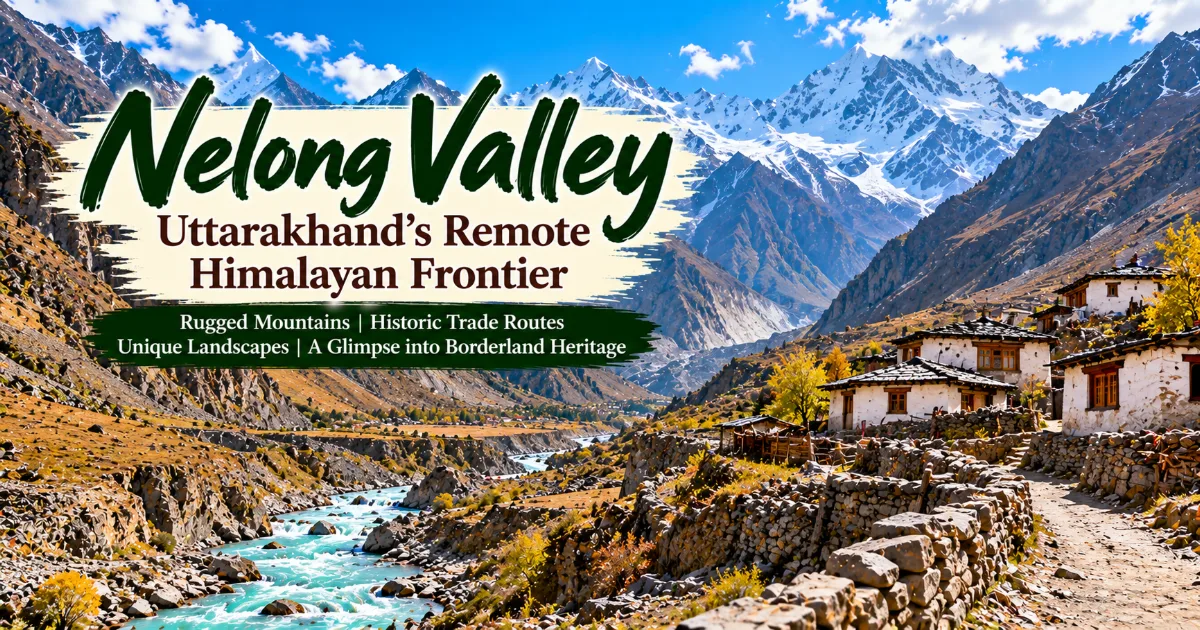
Nelong Valley is associated with the remote frontier landscapes of the upper district. Because it lies in a sensitive border area, travel restrictions may apply, and visitors should not assume that access rules are the same as those for ordinary tourist destinations.
These places should be treated as separate experiences rather than combined automatically into a single itinerary. Distances, road conditions, altitude, and official access requirements can make travel between destinations more demanding than expected.
How Many Days Should You Plan?
The time required for Gartang Gali depends on the starting point, road conditions, access arrangements, and whether travellers want to explore other destinations in the district.
Visitors coming from distant cities should generally avoid planning the journey as a quick day trip without accounting for road travel and possible delays. A flexible itinerary allows time for overnight stays and reduces pressure if conditions change.
Before travelling, confirm the expected journey time with a reliable local operator and check whether the trail can be visited on the intended date. If the destination is temporarily closed, an alternative activity may be necessary.
Travellers who want to explore the wider Uttarkashi region should allow additional days rather than attempting to cover several remote places in a rushed schedule.
A well-planned trip balances travel time, rest, weather, and the practical requirements of visiting a sensitive mountain region.
Who Should Visit Gartang Gali?
Gartang Gali is particularly appealing to travellers interested in history, traditional engineering, Himalayan geography, and unusual walking experiences.
Photography enthusiasts may value the contrast between the wooden walkway, rock face, and gorge. History enthusiasts can use the visit as a starting point for learning about traditional trade networks and the communities that maintained them.
Travellers who enjoy dramatic landscapes may also find the location rewarding, provided they are comfortable with narrow paths and exposed heights.
However, the destination is not suitable for every visitor. People who experience severe discomfort around heights should carefully consider the route. Those with mobility limitations should seek accurate information about the terrain and accessibility before travelling.
Families should assess the experience according to the ages and needs of their children. Everyone in the group must be able to follow the safety instructions and remain within the permitted areas.
Visitors who prefer fully developed tourist infrastructure may find the journey demanding. The remote setting, travel requirements, and limited facilities are part of the experience and should be understood in advance.
Practical Checklist Before Departure
Before travelling to Gartang Gali, confirm whether the route is officially open and whether permits or identification documents are required. Check the weather forecast, road conditions, and any local restrictions that may affect your itinerary.
Choose suitable footwear and clothing for the expected conditions. Carry drinking water, personal medication, a charged phone, and essential travel documents. If using a guide or tour operator, confirm what services are included and what arrangements you need to make yourself.
Allow enough time for the road journey and avoid scheduling important onward travel immediately after the planned visit. Weather and road conditions in the Himalayas can change, and flexibility is important.
Follow all instructions at the site, stay within permitted areas, and avoid risky behaviour on the walkway. Take all rubbish back with you and respect the surrounding environment.
Most importantly, treat Gartang Gali as a historic and sensitive mountain location. The goal is not simply to reach the trail, but to understand its significance while returning safely.
Conclusion: A Historic Path Through the Garhwal Himalayas
Gartang Gali is one of Uttarakhand's most distinctive heritage destinations. Its narrow walkway carved into a steep rock face tells a story of traditional engineering, mountain trade, cultural connections, and the determination of people who developed routes through difficult Himalayan terrain.
The surrounding Jadh Ganga gorge adds dramatic natural beauty to the experience, while the region's history provides a deeper reason to visit. Gartang Gali is a reminder that the Himalayas have long served not only as a landscape of mountains and pilgrimage but also as a place where communities traded, travelled, and maintained relationships across great distances.
Visiting the trail requires preparation and respect. Its location in a sensitive border region means that official access rules and safety arrangements must be checked before departure. Weather, road conditions, and the exposed nature of the walkway also demand careful planning.
For travellers interested in Uttarakhand's historical routes and lesser-known heritage, Gartang Gali offers a meaningful experience. By following local rules, respecting the environment, and recognising the communities connected to its history, visitors can appreciate this remarkable mountain passage while helping preserve its significance for the future.
#GartangGali #UttarakhandTourism #Uttarkashi #HimalayanHeritage #IndianTourism