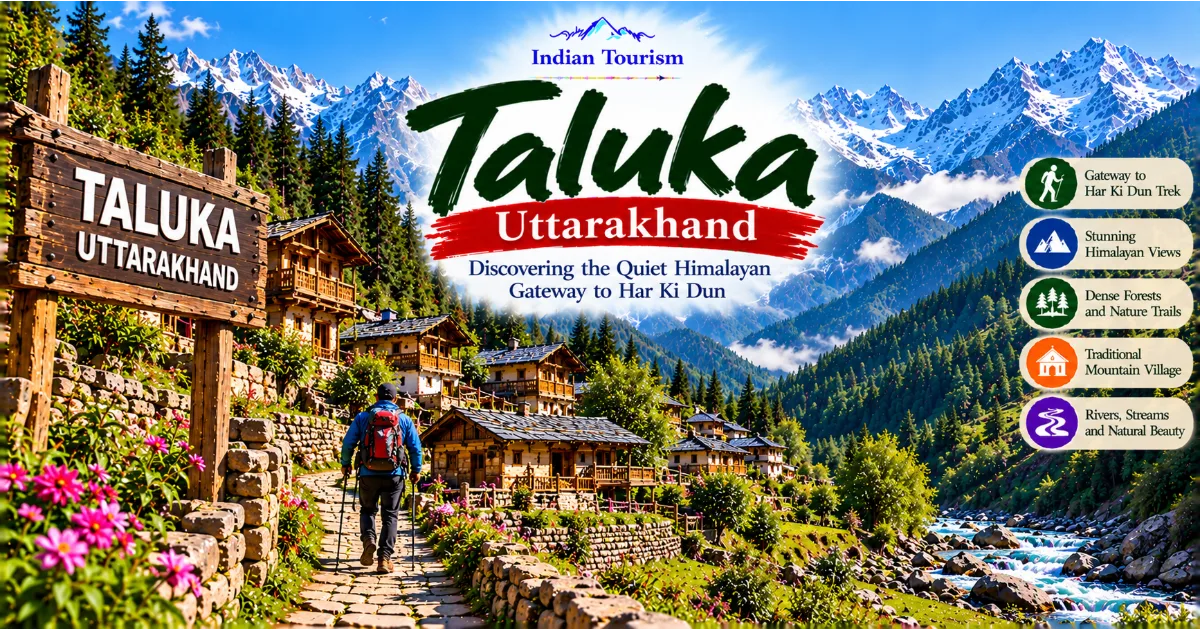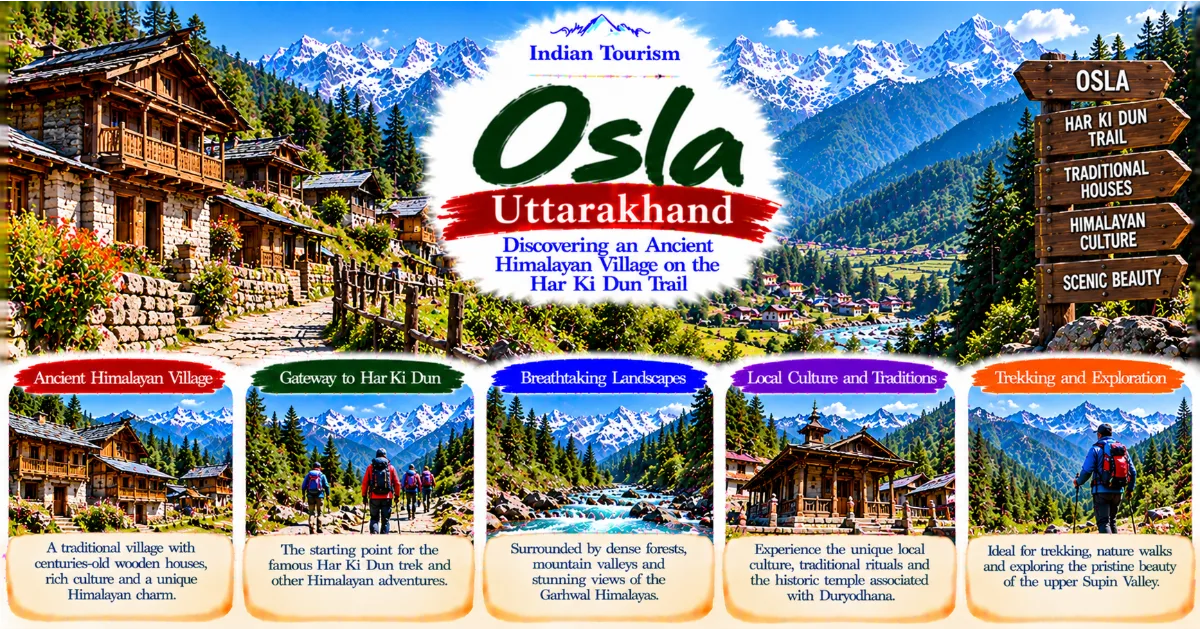
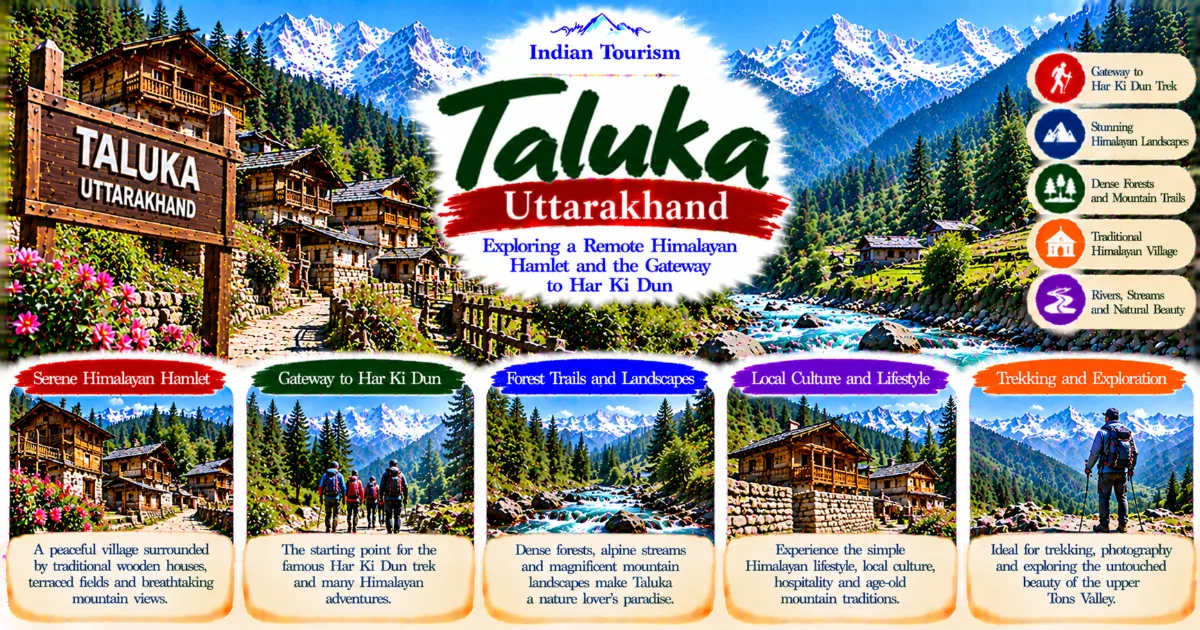
Discovering Taluka, a Quiet Himalayan Settlement
Hidden in the mountainous landscapes of Uttarkashi district in Uttarakhand, Taluka is a small Himalayan settlement surrounded by dense forests, rushing streams, steep mountain slopes and the quiet beauty of the upper Tons Valley. Located beyond the familiar tourist circuits of Mussoorie, Nainital and Rishikesh, Taluka offers a different experience of the Himalayas. It is a place where travel becomes slower, the landscape becomes more intimate, and the journey itself becomes as memorable as the destination.
Taluka is particularly known as an important starting point for the famous Har Ki Dun trek. Trekkers travelling towards the Har Ki Dun valley commonly pass through Sankri and continue by road towards Taluka before beginning the longer walking journey into the mountains. From here, the route follows forest paths, mountain streams and traditional settlements before reaching the deeper valleys of the Garhwal Himalayas. For many visitors, Taluka is the place where a road journey gives way to a more immersive experience of mountain life.
Yet Taluka should not be understood only as a starting point for trekking. Its surroundings reveal a quieter side of Uttarakhand, one shaped by forests, seasonal streams, traditional village life and the natural rhythms of the mountains. Visitors who take time to appreciate the settlement can discover the importance of remote Himalayan communities and the landscapes that sustain them.
Unlike commercial hill stations, Taluka does not offer rows of fashionable cafés, large hotels or busy shopping streets. Its appeal lies in simplicity. The settlement is surrounded by greenery, and the atmosphere changes with the weather, the season and the movement of travellers along the trekking route. Mist may settle over the surrounding slopes, sunlight may filter through tall trees, and the sound of flowing water may become the dominant feature of the landscape.
Continue Reading
For travellers interested in nature, mountain culture, walking routes and lesser-known destinations, Taluka provides an opportunity to experience the Himalayas beyond conventional sightseeing. It is also an excellent place to understand how geography influences life in remote mountain regions, where roads, weather, forests and seasonal access determine the way people live and travel.
Where Is Taluka Located?
Taluka is situated in Uttarkashi district in the northern Indian state of Uttarakhand. It lies in the upper Tons Valley region and is associated with the mountain settlements around Sankri. The wider landscape belongs to the Garhwal Himalayas, a region known for forested mountains, deep river valleys, traditional villages and trekking routes that lead towards high-altitude meadows and dramatic mountain scenery.
The journey to Taluka usually begins with travel towards Uttarkashi district and continues through the mountain roads leading to Sankri. Sankri serves as a significant base for trekkers exploring several routes in this part of Uttarakhand. From there, Taluka is reached by a further road journey, subject to local road conditions and seasonal accessibility.
The settlement's location makes it geographically important. It stands near the transition between road-accessible mountain communities and the footpaths that lead deeper into the Himalayan landscape. Once travellers begin walking beyond Taluka, the character of the journey changes. The surrounding forests become more prominent, the road gives way to trekking trails, and the route begins to reveal the quieter valleys and settlements of the upper region.
The wider area is influenced by the Tons River system and the streams that descend from the surrounding mountains. These waterways shape the valleys, support vegetation and contribute to the dramatic character of the landscape. During the warmer months, flowing water and green hills create a refreshing setting. In colder periods, the same environment can become more demanding, with low temperatures, slippery paths and weather conditions that require careful preparation.
Taluka's remoteness is part of its appeal, but it also means that travellers should plan realistically. Facilities are limited compared with major tourist destinations, and transport options may depend on the season, road conditions and local arrangements. A visit is most enjoyable when approached with patience and respect for the challenges of mountain travel.
The Journey to Taluka: A Road Through the Garhwal Himalayas
Travelling to Taluka is an experience in itself. The journey through Uttarakhand's mountain districts gradually reveals the changing character of the landscape. Roads wind through valleys, pass small settlements and cross sections of forest where steep slopes rise above the route. As travellers move deeper into the mountains, the scenery becomes increasingly defined by river channels, wooded hillsides and distant ridgelines.
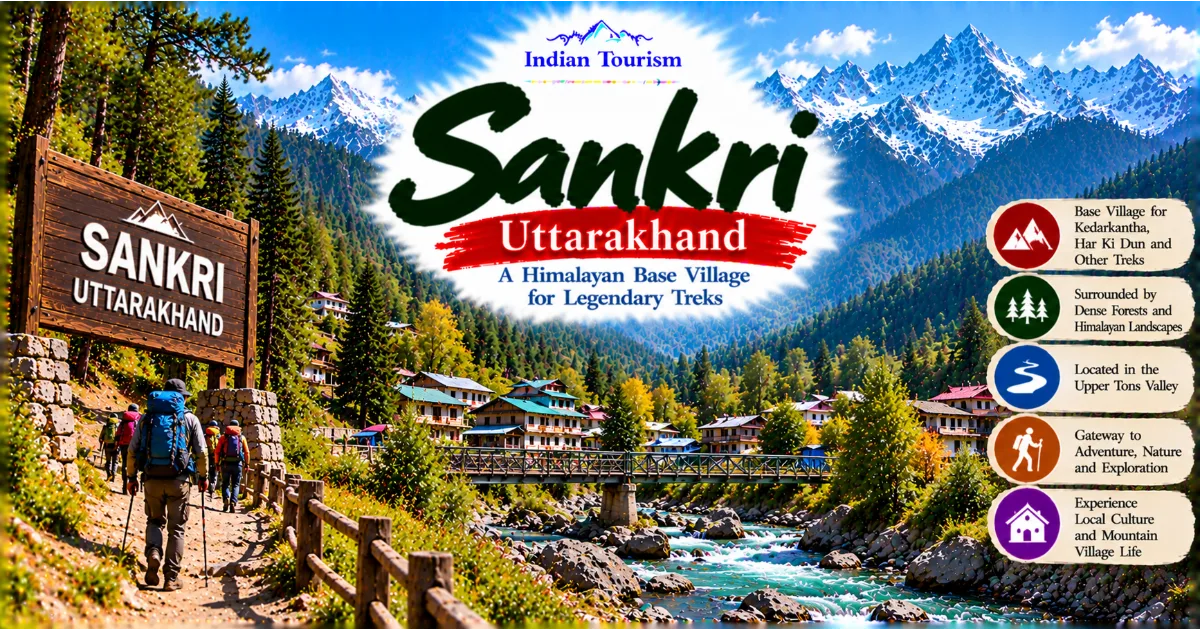
The route towards Sankri is especially important for visitors planning to explore Taluka. Sankri is a familiar base for people undertaking treks in the region, and it provides a practical place to organise onward transport, accommodation and local guidance. The final stretch towards Taluka can feel more remote than the earlier journey, reinforcing the sense that travellers are moving away from the busy centres of everyday tourism.
Road conditions in this region can change because of rainfall, landslides, falling rocks, snow in higher areas and maintenance work. A journey that is straightforward during one period may take longer during another. Travellers should check local conditions before departure and avoid assuming that a vehicle can always reach the settlement without interruption.
For those who enjoy scenic road journeys, the changing landscape offers plenty to appreciate. Small houses appear along the hillsides, terraced fields occupy suitable slopes, and streams cut through the valleys. Forests grow thickly in many areas, while open stretches provide views towards surrounding mountains. The atmosphere may change quickly as clouds move across the ridges.
Photography enthusiasts may find the journey especially rewarding. However, stopping on narrow mountain roads can be dangerous. Photographs should be taken only from safe stopping areas, and visitors should avoid blocking traffic or approaching unstable slopes. The scenery is best enjoyed without compromising safety.
Reaching Taluka also encourages travellers to rethink the purpose of a journey. In highly commercialised destinations, transport is often treated as a necessary step between attractions. Here, the road is part of the experience. It reveals the geography of the region and prepares visitors for the slower pace of travel that lies ahead.
Taluka and the Har Ki Dun Trek
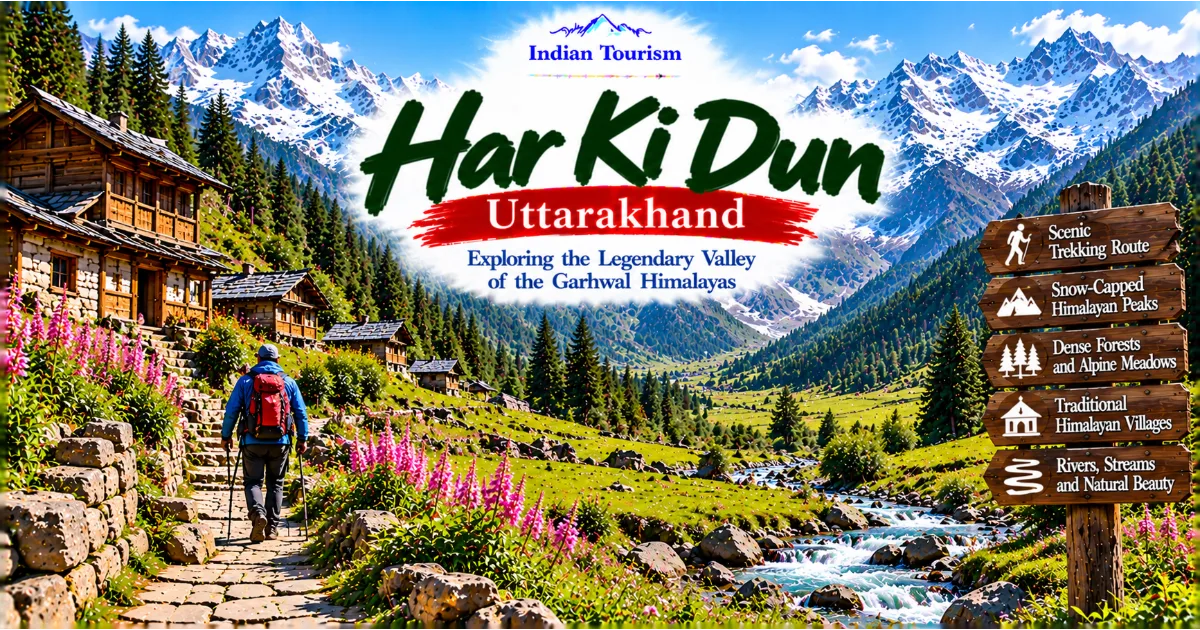
Taluka's strongest association is with the Har Ki Dun trek, one of the best-known trekking routes in the Garhwal Himalayas. The journey towards Har Ki Dun leads through forests, traditional settlements, mountain streams and open valley landscapes. It introduces trekkers to a region where natural scenery and human settlement remain closely connected.
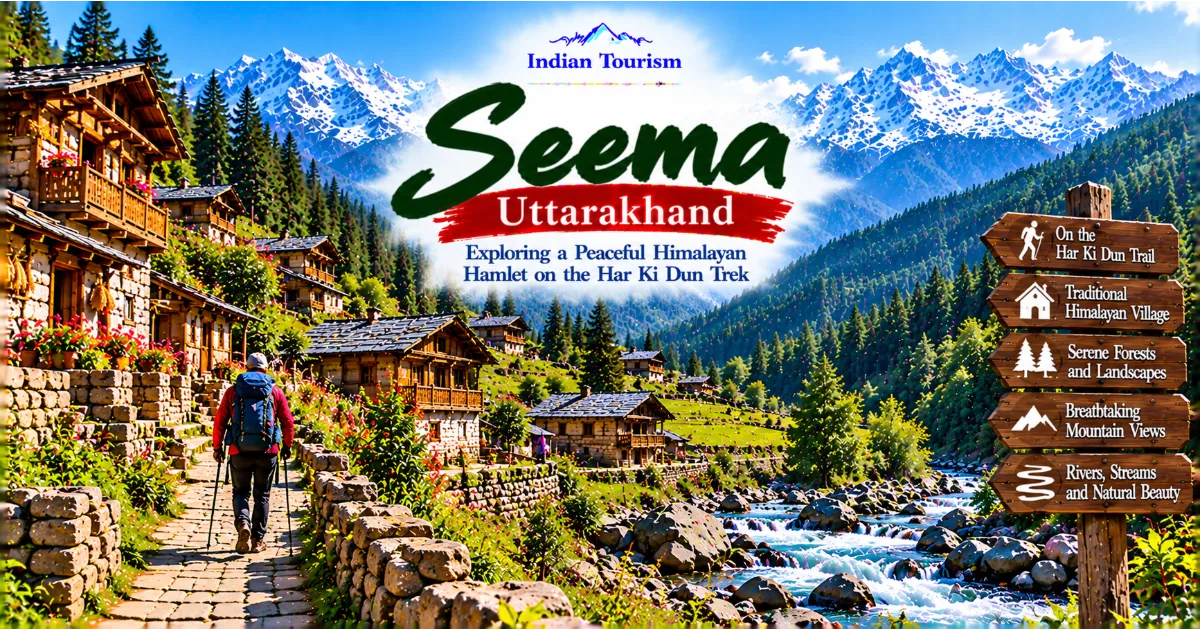
The wider trekking route is commonly approached through Sankri, with Taluka serving as a road-accessible starting point for the walking section. From Taluka, trekkers follow trails towards settlements such as Seema and onward into the Har Ki Dun valley, depending on the itinerary and prevailing conditions.
Har Ki Dun is often appreciated for its combination of forest scenery, traditional mountain villages and broad Himalayan landscapes. The valley offers a different atmosphere from treks focused primarily on reaching a high summit. Instead of concentrating only on altitude, the journey allows visitors to observe changing vegetation, streams, settlement patterns and the gradual opening of the valley.
Taluka is therefore an important part of the trekking experience. It marks the beginning of a journey in which the landscape is encountered on foot. Travellers begin to notice details that might be missed from a vehicle, including the sound of water, the texture of forest paths, the shape of terraced fields and the way sunlight moves across the slopes.
The trek should not be underestimated simply because the route is popular. Walking distances, elevation changes, weather, trail conditions and the availability of accommodation all influence the difficulty of the journey. People unfamiliar with mountain trekking should select an itinerary appropriate to their fitness and experience.
A local guide or an experienced trekking operator can help visitors understand the route, arrange logistics and respond to changing conditions. Travellers should also check any current forest permissions, local regulations and route requirements before setting out.
The value of Taluka extends beyond its role in a trekking itinerary. It provides a setting in which travellers can begin to understand the landscape before entering the deeper valley. Spending time here, rather than rushing through, can make the entire experience more meaningful.
Forests, Streams and the Natural Landscape
The natural environment around Taluka is one of its defining features. Forested slopes, mountain streams, rocky sections and steep valley walls create a landscape that feels distinctly Himalayan. The region's vegetation changes with altitude, exposure and season, producing a mixture of woodland, shrubs, grasses and cultivated patches near settlements.
Walking through this landscape allows visitors to experience the relationship between forests and mountain water systems. Rainfall and snowmelt feed streams that move down steep slopes, carrying water through rocky channels and into larger rivers. These waterways influence the vegetation and help sustain communities situated along the valleys.
The sound of flowing water is a recurring feature of the region. Small streams may cross paths, while larger channels can be heard from nearby slopes. Their appearance changes according to rainfall and the season. During wetter periods, water levels may rise rapidly, making crossings dangerous. Visitors should never assume that a stream is safe simply because it appears manageable from a distance.
The forests also provide habitat for a variety of birds, insects and other wildlife. Observant visitors may notice bird calls, movement among branches and the changing sounds of the forest throughout the day. Wildlife sightings are never guaranteed, and the best approach is to move quietly and avoid disturbing animals.
Responsible travellers should not feed wildlife, collect plants or leave food waste along trails. Even small amounts of litter can affect remote environments where waste collection and disposal facilities are limited. Carrying reusable water bottles, packing waste back out and staying on established paths are simple ways to reduce environmental impact.
The beauty of the landscape is not limited to clear weather. Mist can create an atmosphere of mystery, while overcast skies reveal the layered shapes of the mountains. After rainfall, vegetation may appear especially fresh, but wet rocks and muddy trails require additional caution.
Taluka offers an opportunity to appreciate the natural environment without needing elaborate attractions. A quiet walk, a view across a forested slope or the sound of a stream can become the most memorable parts of a visit.
Traditional Mountain Life Around Taluka
The settlements of the upper Tons Valley reflect the practical demands of living in a mountainous region. Houses, fields, paths and water sources are shaped by steep terrain, seasonal weather and the distance between villages and larger towns. Daily life often requires careful planning because supplies, transport and access to services may be affected by road conditions and weather.
In mountain regions such as this, agriculture and livestock have traditionally played important roles in household life. The exact activities vary between settlements and families, but terraced cultivation, seasonal work and the use of local resources form part of the wider cultural landscape. The growing tourism economy has also created opportunities for guides, drivers, porters, homestay hosts and other service providers.
Taluka's connection with trekking brings visitors into contact with the people who make mountain travel possible. Local knowledge can be particularly valuable in understanding weather patterns, trail conditions, safe river crossings and the practical realities of travelling through the region. Guides and support workers often possess experience that cannot be replaced by a map or a general travel description.
Visitors should remember that remote villages are lived-in places, not open-air attractions created solely for tourism. People have their own responsibilities, routines and privacy. Asking permission before photographing residents, respecting household boundaries and following local instructions are basic signs of courtesy.
Travellers who stay in locally operated accommodation or hire legitimate local services can help tourism income reach the people who live in the region. Spending money thoughtfully may support small businesses that depend on seasonal visitors.
It is equally important to avoid treating local culture as a performance. Traditions are part of everyday life and may vary between families and settlements. A respectful visitor listens, asks questions politely and accepts that not every person wishes to discuss personal beliefs or appear in photographs.
The experience of mountain life can be especially valuable for visitors accustomed to urban convenience. Limited connectivity, fewer shops and a slower pace of activity encourage people to reconsider their expectations. Taluka can remind travellers that the quality of a journey is not measured only by the number of facilities available.
Architecture and the Character of Himalayan Settlements
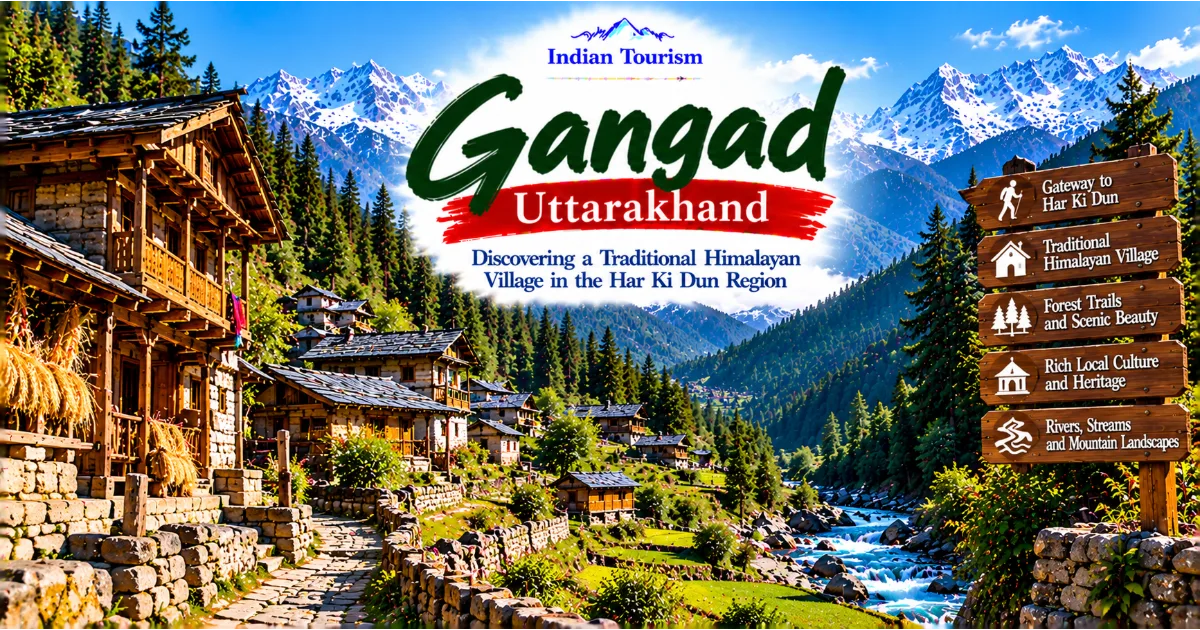
Traditional Himalayan architecture develops in response to local materials, terrain, weather and the practical needs of household life. Across the wider Garhwal region, older buildings may feature timber, stone and other materials suited to local conditions. Construction styles differ according to the village, household resources and historical influences.
In settlements along trekking routes, houses may stand close to narrow paths or occupy terraces cut into the slopes. Their placement reflects the limited availability of flat ground. Fields, storage areas and livestock spaces may be arranged around the household in ways that support everyday activities.
Visitors should avoid assuming that every house in the region follows one uniform architectural style. Building materials and designs can differ between neighbouring settlements, and newer construction may exist alongside older structures. Changes in materials and housing practices also reflect the need for safer, more durable and more convenient homes.
Architecture is best understood through observation and respectful conversation. Travellers can notice how buildings fit the terrain, how paths connect houses and fields, and how communities use the limited space available on steep slopes.
Photographers should remember that homes are private spaces. Exterior photographs may still capture people, household activities or personal belongings, so asking permission is often appropriate. Entering courtyards or buildings without invitation is not acceptable.
For travellers interested in heritage, the built environment provides insight into how mountain communities adapt to their surroundings. It also illustrates the relationship between local knowledge and changing economic circumstances.
Best Time to Visit Taluka
The most suitable time to visit Taluka depends on whether the main objective is sightseeing, village exploration or trekking towards Har Ki Dun. Weather, road access and trail conditions should guide the decision rather than a fixed calendar alone.
Spring: March to April
Spring can bring changing temperatures, fresh vegetation and pleasant conditions for exploring the lower mountain settlements. As the season progresses, the landscape may become increasingly green, although conditions vary with elevation and the year's weather pattern.
Travellers should be prepared for cool mornings and evenings. Higher sections of trekking routes may retain snow or experience unstable conditions, so anyone planning to continue beyond Taluka should obtain current information before setting out.
Late Spring and Early Summer: May to June
This period is often attractive for trekking in the region because temperatures in lower areas become more comfortable and many mountain routes are accessible. Forest paths, streams and green slopes can make the journey particularly rewarding.
However, weather can change quickly in the Himalayas. Afternoon cloud, rain and occasional trail disruptions are possible. Travellers should avoid planning an itinerary so tightly that a delay leaves them without a safe place to stay.
Monsoon: July to September
The monsoon brings heavy rainfall to many parts of Uttarakhand. Forests and hillsides may appear lush, but rain can increase the risk of landslides, falling rocks, swollen streams and road closures. Walking trails may become muddy or slippery, and visibility can be poor.
This period requires extra caution. Visitors should check official and local advisories, consult experienced guides and be willing to postpone a trip if conditions are unsafe. The beauty of the landscape does not justify taking unnecessary risks.
Autumn: October to November
Autumn can offer clear views and cooler air, making it appealing for travellers who enjoy mountain scenery. The post-monsoon landscape may provide excellent visibility when weather conditions are stable.
Temperatures fall as winter approaches, especially at night. Trekkers should bring appropriate clothing and confirm the operating status of accommodation and route services. Shorter daylight hours also make an early start important.
Winter: December to February
Winter conditions can be challenging. Snow, ice and low temperatures may affect higher routes, and access to some areas may become difficult. Taluka's conditions may differ from those of the higher Har Ki Dun valley, so visitors should not assume that an accessible road means the trekking route is safe.
Winter travel should be planned only after checking current weather, road access, local advice and any route restrictions. Appropriate cold-weather equipment and experienced support may be essential for journeys into snow-covered terrain.
Things to Do in and Around Taluka
Explore the Settlement at a Relaxed Pace
One of the simplest ways to appreciate Taluka is to walk through the accessible parts of the settlement, observe the surrounding landscape and notice how the village connects with the mountain environment. Visitors should remain on public paths and respect private property.
A slow walk can reveal the details that are often overlooked when Taluka is treated only as a point on a trekking itinerary. The arrangement of houses, the movement of local residents and the sound of water all contribute to the character of the place.
Begin the Har Ki Dun Trek
For trekking enthusiasts, Taluka is the starting point for the walking journey towards the Har Ki Dun region. The route offers forest scenery, river views and opportunities to experience the landscape on foot.
Trekking should be undertaken with appropriate preparation. Visitors should understand the expected distance, elevation profile, accommodation arrangements and weather conditions before beginning.
Enjoy Nature Photography
The forested slopes, mountain streams and surrounding valley provide opportunities for landscape photography. Early morning and late afternoon can offer attractive light, although cloud and mist can change conditions quickly.
Photographers should avoid standing in roadways, approaching unstable riverbanks or leaving marked trails for a better angle. Respect for local residents and wildlife should remain a priority.
Observe Birds and Forest Life
The surrounding woodland may offer opportunities to observe birds and other small forms of wildlife. A quiet approach improves the chances of noticing natural activity without disturbing it.
Visitors should use binoculars where helpful and avoid playing loud sounds to attract animals. Wildlife observation is most rewarding when it takes place on nature's terms.
Learn About Local Livelihoods
Conversations with local residents, guides and accommodation hosts can provide insight into life in the upper Tons Valley. Travellers may learn about seasonal weather, agriculture, mountain transport and the role of trekking in the local economy.
Questions should be asked politely, and visitors should accept that people may be busy or prefer not to engage. Hiring local services through reliable arrangements is one way to support the region's tourism economy.
Continue Towards Seema and Har Ki Dun
Travellers undertaking a longer trek may continue beyond Taluka towards Seema and the Har Ki Dun valley, following an appropriate itinerary. These routes require planning, sufficient time and awareness of changing mountain conditions.
The trek should not be treated as an informal walk that can be extended without preparation. Overnight arrangements, food, drinking water, equipment and local guidance all matter.
Food and Accommodation
Taluka is a small mountain settlement, so visitors should expect a more limited range of food and accommodation than they would find in a major hill station. Available arrangements may vary by season, local demand and the current condition of the route.
Travellers may find simple meals and basic lodging through local providers or through trekking arrangements organised in advance. The exact facilities available should be confirmed before departure rather than assumed from general descriptions of the region.
Traditional food in the wider Garhwal region often reflects local ingredients, seasonal availability and practical household cooking. Depending on the establishment, visitors may encounter simple rice and lentil meals, vegetables, flatbreads and other familiar regional dishes. Specific menus should be checked with the host.
Those with dietary restrictions should communicate their needs in advance. Remote settlements may have limited access to specialised ingredients, packaged foods and medical supplies.
Accommodation should be chosen according to the purpose of the trip. Visitors who are simply exploring the settlement may prefer to arrange a suitable overnight stay through a trusted local provider. Trekkers should confirm whether accommodation is available along the route and whether sleeping bags, bedding or other equipment are required.
It is wise to carry essential personal medicines, a basic first-aid kit, sufficient cash and any necessary charging equipment. Connectivity and electricity may not be as reliable as in larger towns, and travellers should be prepared for temporary limitations.
Responsible tourism includes treating hosts and their property with respect. Keeping rooms clean, reducing unnecessary water and electricity use, and following local guidance can help maintain good relationships between visitors and residents.
How to Reach Taluka
By Road
The usual approach is through the mountain roads leading towards Sankri in Uttarkashi district, followed by the onward road journey to Taluka. Travellers commonly begin from larger transport points in Uttarakhand and arrange onward travel through local buses, shared vehicles, taxis or pre-arranged transport, depending on availability.
Because this is a mountain route, travel time depends on road conditions, traffic, weather and vehicle access. Visitors should confirm the final stretch with local operators before setting out.
By Train
There is no railway station in Taluka itself. Travellers arriving by train need to reach a suitable railhead in Uttarakhand or the wider northern Indian region and continue by road. The most practical connection depends on the departure city, available services and the current condition of the mountain roads.
Train tickets and road transport should be planned together, allowing enough time for delays.
By Air
Taluka does not have its own airport. Visitors arriving by air need to travel onwards by road from an airport serving the region. The overall journey may be long, so travellers should avoid assuming that a flight arrival will allow them to reach Taluka on the same day.
For a trekking trip, arriving in the region with enough time to rest, confirm local arrangements and check the weather is generally more sensible than attempting a rushed connection.
Essential Travel Tips for Taluka
Taluka is a remote Himalayan destination, and preparation is an important part of visiting responsibly. Travellers should check the weather forecast, road status and any local travel advisories before leaving. Mountain conditions can change rapidly, and a flexible itinerary is safer than a tightly packed schedule.
Carry clothing suitable for changing temperatures. Even when daytime weather is pleasant, mornings and evenings can be cold. Rain protection, sturdy footwear and warm layers are useful for visitors planning to walk in the surrounding area.
Anyone continuing towards Har Ki Dun should prepare for a proper mountain trek. This includes suitable footwear, a backpack, water, food or planned meal arrangements, essential medicines, appropriate clothing and a realistic assessment of physical fitness. A guide or experienced local support can be especially helpful for those unfamiliar with the route.
Carry enough cash for expected expenses because digital payment facilities and connectivity may be limited. Keep emergency contact information accessible and inform someone reliable about your itinerary, particularly if you are trekking beyond Taluka.
Do not rely entirely on mobile navigation. Signal coverage may be intermittent, and maps may not reflect temporary trail closures or recent changes in local conditions. Follow local advice and remain on established routes.
Visitors should also plan their waste carefully. Carry reusable containers where practical, avoid single-use packaging when possible and take rubbish back to appropriate disposal points. Never leave plastic, food wrappers or other waste along streams or forest paths.
Finally, understand your own limits. If weather deteriorates, a trail becomes unsafe or a local guide recommends turning back, take that advice seriously. In the mountains, changing plans can be the most responsible decision.
Responsible Tourism and Protecting the Upper Tons Valley
Taluka's value lies partly in the relatively quiet environment that surrounds it. As trekking and nature tourism bring more visitors into the region, responsible behaviour becomes increasingly important.
Tourism can support local livelihoods through accommodation, transport, guiding, food services and the supply of trekking equipment. These opportunities can help families earn income while encouraging visitors to learn about the region. At the same time, poorly managed tourism can increase waste, put pressure on local resources and disturb the environment.
Travellers can make a positive difference by choosing local services where possible, paying agreed prices fairly and respecting the people who live in the settlement. Visitors should not bargain aggressively for essential services in ways that ignore the time, effort and risk involved in mountain work.
Environmental responsibility begins with small decisions. Carrying waste out, avoiding disposable plastic, using water thoughtfully and remaining on established paths help reduce the impact of tourism. Campfires should never be started without explicit permission and a safe, lawful arrangement, especially in forested areas.
Respect for wildlife is equally important. Animals should not be approached, fed or chased for photographs. Their habitat should remain undisturbed, and visitors should follow local instructions about restricted areas.
Cultural respect also matters. Ask permission before photographing people, avoid entering homes without invitation and do not assume that religious or cultural practices are available for tourist entertainment. Listening and learning are better than treating local customs as a spectacle.
The future of Taluka's tourism depends on maintaining a balance between economic opportunity and environmental protection. Visitors who travel thoughtfully help preserve the qualities that make the region worth exploring.
Who Should Visit Taluka?
Taluka is particularly suitable for travellers who appreciate quiet mountain environments, nature, walking routes and destinations that remain outside the mainstream tourist circuit. It is an excellent choice for people preparing for the Har Ki Dun trek or seeking to understand the landscapes and communities associated with the upper Tons Valley.
Photography enthusiasts may enjoy the forested hills, mountain streams and changing light. Nature lovers can appreciate the quiet atmosphere and the possibility of observing birds and other wildlife. Travellers interested in local culture may find value in learning how people live in remote mountain settlements.
Taluka is less suitable for visitors seeking luxury accommodation, nightlife, extensive shopping or a large selection of organised attractions. Facilities are limited, and comfort depends partly on the arrangements available at the time of travel.
Families can consider a visit if they plan carefully, but the suitability of the journey depends on the ages and needs of the travellers, the weather, road conditions and the activities planned. The longer trek beyond Taluka requires a separate assessment of fitness and experience.
First-time Himalayan travellers can also visit, provided they understand that remote mountain destinations require flexibility and preparation. Arranging reliable transport and accommodation in advance can make the journey more comfortable.
Taluka Compared With More Commercial Hill Stations
Taluka offers a very different experience from destinations such as Mussoorie or Nainital. Those places have larger tourism industries, more accommodation choices, established shopping areas and a broader selection of visitor services. Taluka is smaller, quieter and closely connected with trekking and rural mountain life.
The difference is not simply a matter of popularity. It reflects the role each destination plays in the wider tourism landscape of Uttarakhand. Commercial hill stations are designed to accommodate large numbers of visitors, while remote settlements such as Taluka operate within the constraints of mountainous geography and limited infrastructure.
In Taluka, visitors are more likely to focus on the journey, the natural surroundings and the practical experience of reaching a trekking route. There may be fewer conventional attractions, but the landscape itself becomes central to the visit.
Travellers who understand this distinction are more likely to enjoy their time here. Taluka should not be judged by the number of cafés, hotels or entertainment facilities it offers. Its appeal comes from its location, its connection with the Har Ki Dun route and its setting within the Garhwal Himalayas.
Suggested Two-Day Visit to Taluka
A short visit can be organised around travel, acclimatisation to the mountain environment and a relaxed exploration of the settlement, although the actual itinerary depends on transport and accommodation availability.
On the first day, travel towards Sankri and continue to Taluka if road conditions and local arrangements permit. Allow sufficient time for the journey rather than planning several additional activities. After arrival, settle into the accommodation, take a short walk where appropriate and enjoy the surrounding landscape. An early night can be helpful for travellers who plan to begin trekking the following day.
On the second day, visitors who are not undertaking the longer trek can spend the morning exploring accessible paths and observing the settlement's natural surroundings. Those who are beginning the Har Ki Dun trek should follow their planned itinerary and local guidance rather than treating a two-day visit as sufficient for the full journey.
A longer stay can provide more flexibility, particularly when weather or road conditions change. Travellers should not attempt to compress a multi-day trekking route into an unrealistic schedule.
Conclusion: Taluka, Where the Road Meets the Himalayan Trail
Taluka is a small destination with an important place in the travel landscape of Uttarakhand. Situated in the upper Tons Valley, it offers visitors a close encounter with forested mountains, flowing streams and the quieter settlements of the Garhwal Himalayas. Its role as a starting point for the Har Ki Dun trek gives it recognition among trekking enthusiasts, but its appeal extends beyond the trail.
The settlement provides a reminder that some of the most meaningful travel experiences begin when the familiar conveniences of commercial tourism become less important. A mountain road, a forest path, the sound of water and the sight of houses set against steep slopes can offer a powerful sense of place.
Taluka is not a destination that needs elaborate entertainment to justify a visit. It invites travellers to slow down, observe the landscape and approach mountain life with curiosity and respect. For those continuing towards Har Ki Dun, it marks the beginning of a journey into one of Uttarakhand's memorable trekking regions. For others, it offers an introduction to a quieter side of the Himalayas.
The best way to experience Taluka is to arrive prepared, travel responsibly and leave enough time to appreciate the surroundings. By supporting local livelihoods, respecting residents and protecting the natural environment, visitors can help ensure that the region remains a rewarding destination for future travellers.
#IndianTourism #Taluka #UttarakhandTourism #GarhwalHimalayas #HarKiDunTrek #Uttarkashi #HimalayanVillages #MountainTravel #HimalayanTrekking #NatureTravel #ResponsibleTourism #ExploreUttarakhand #HiddenHimalayas #TravelIndia