Discovering the Valley of the Gods
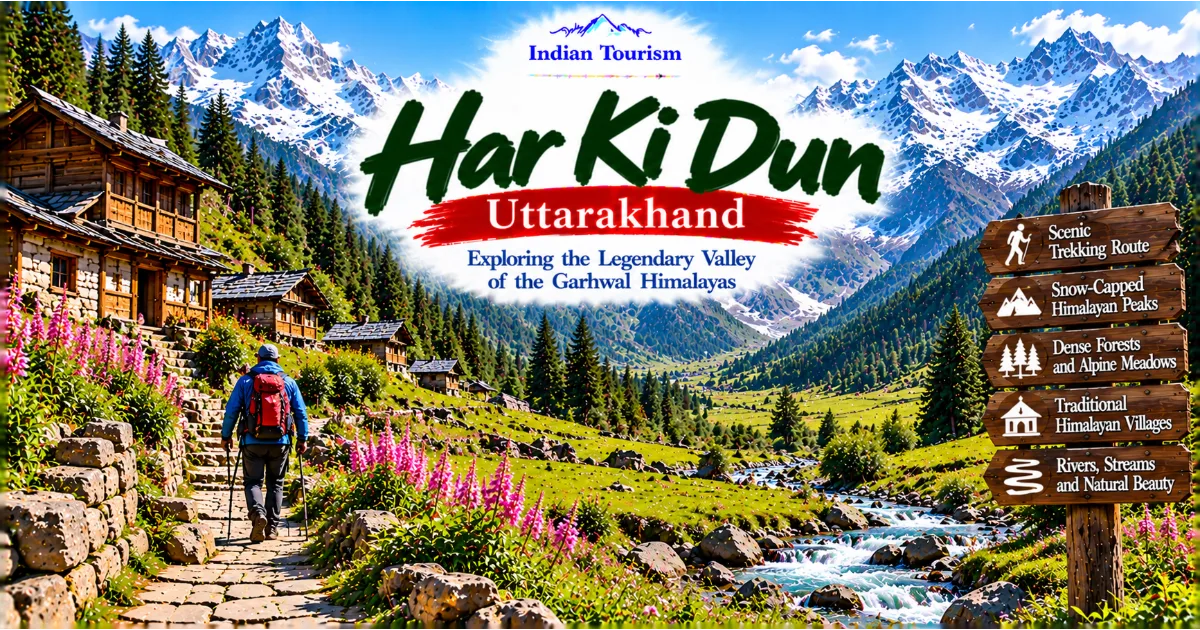
Hidden deep within the Garhwal Himalayas of Uttarakhand, Har Ki Dun is one of the region's most captivating mountain valleys. Surrounded by towering peaks, forested slopes, alpine meadows and traditional settlements, this remarkable destination offers a trekking experience that combines natural beauty, cultural history and the quiet atmosphere of the high Himalayas. Often described as the Valley of the Gods, Har Ki Dun attracts travellers who want to experience a landscape that feels far removed from the crowded roads and commercial centres of modern tourism.
Located in Uttarkashi district, Har Ki Dun lies within the wider upper Tons Valley region. Reaching it requires a journey through mountain roads, forest paths and villages where traditional ways of life remain closely connected to the surrounding environment. Unlike destinations that can be reached directly by car, Har Ki Dun is generally explored on foot as part of a multi-day trek. This journey is an essential part of the experience because it allows visitors to observe how the landscape changes gradually from inhabited valleys to increasingly open mountain terrain.
The trek passes through forests, streams, cultivated slopes and remote settlements. Every section reveals a different aspect of the Himalayas. In some places, the trail moves beneath tall trees and follows the sound of flowing water. Elsewhere, the valley opens to wider views of mountain ridges and snow-covered peaks. The changing scenery creates a sense of movement through a landscape shaped by altitude, weather and centuries of human interaction.
Har Ki Dun is not only a destination for adventure enthusiasts. It also appeals to nature lovers, photographers, birdwatchers and travellers interested in traditional Himalayan culture. The surrounding villages provide insight into rural mountain life, while the valley's natural environment offers opportunities to appreciate the ecological diversity of the Garhwal region.
Continue Reading
However, the beauty of Har Ki Dun comes with responsibilities. The terrain can be demanding, weather conditions can change quickly, and facilities become limited as travellers move farther into the mountains. A successful visit requires preparation, realistic expectations and respect for the natural environment.
For travellers willing to approach the valley thoughtfully, Har Ki Dun offers an experience that goes beyond reaching a scenic destination. It is a journey into the geography, history and living traditions of the Uttarakhand Himalayas.
Where Is Har Ki Dun Located?
Har Ki Dun is located in Uttarkashi district in the northwestern part of Uttarakhand. It forms part of the upper Tons Valley landscape in the Garhwal Himalayas, an area known for forested mountains, remote villages and trekking routes that lead into the higher Himalayan environment.
The valley lies within the broader Govind Pashu Vihar National Park and Wildlife Sanctuary landscape. This protected region is important for its mountain ecosystems, forests, alpine vegetation and wildlife. Its varied terrain supports different habitats as elevation changes, making the wider area significant for nature conservation as well as outdoor recreation.
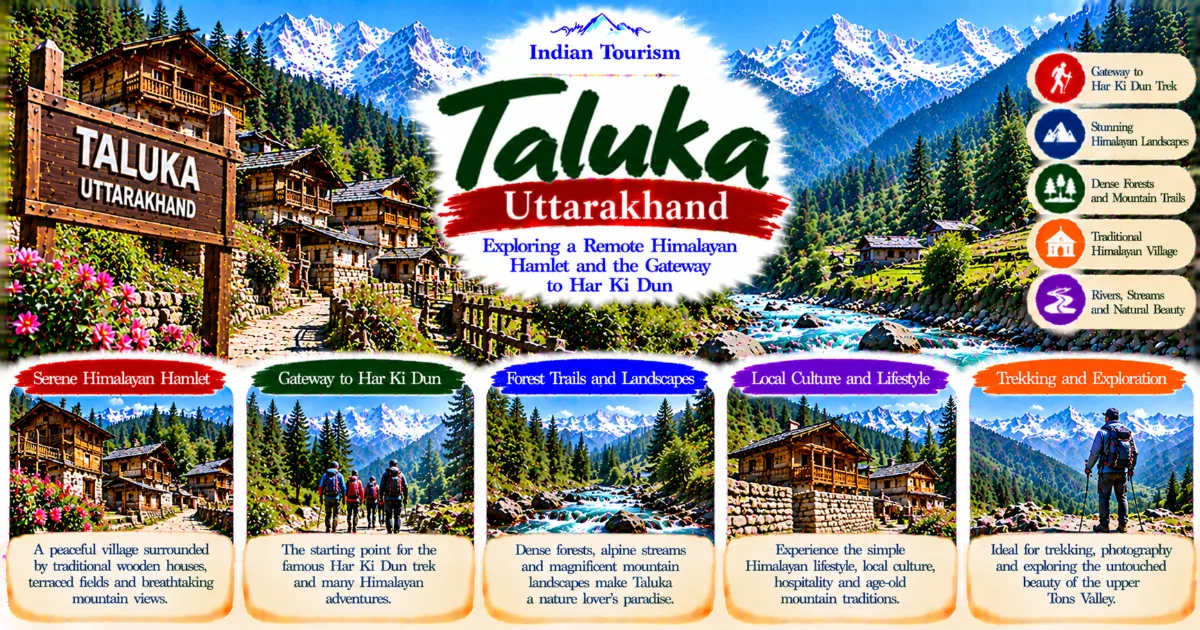
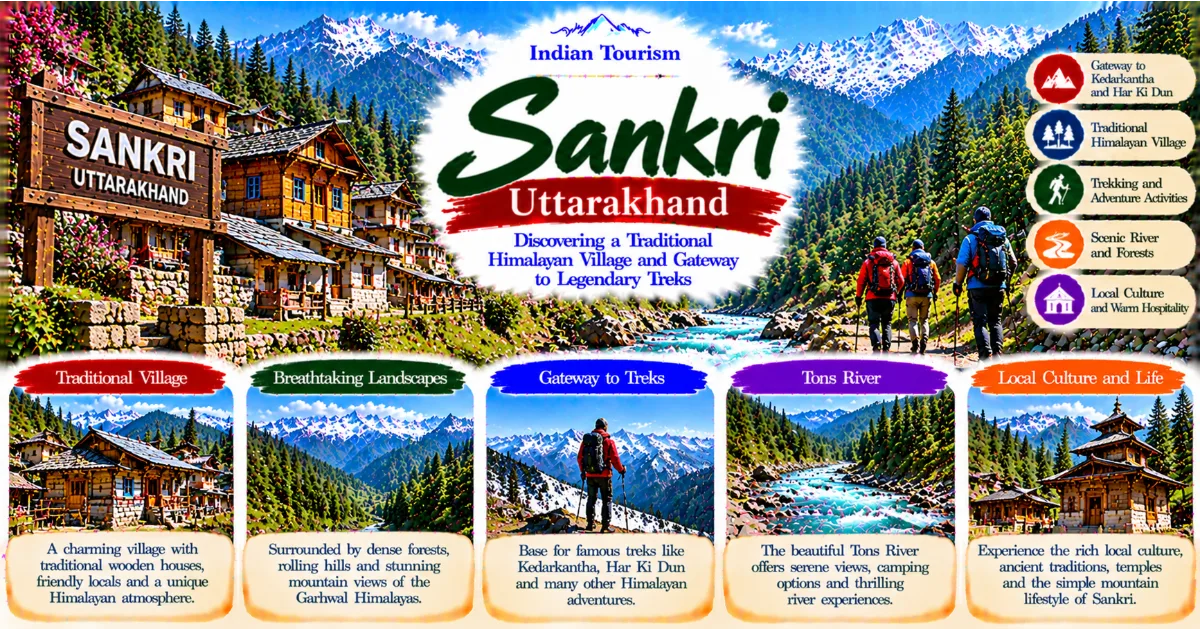
Sankri is one of the principal access points used by trekkers planning a journey to Har Ki Dun. Visitors generally travel to Sankri by road and then continue towards Taluka, depending on road conditions and the arrangements made for the trek. From there, the journey proceeds along mountain trails through the upper Tons Valley.
The route passes through or near traditional settlements, including the villages of the Har Ki Dun region. These settlements form an important part of the cultural landscape and provide a connection between the inhabited valleys and the more remote mountain environment.
The exact distance and walking time depend on the selected itinerary, trail conditions, weather and the pace of the trekking group. Travellers should confirm these details with a reliable local guide or trekking operator before departure.
Har Ki Dun's location gives it a distinctive character. It is remote enough to offer a sense of wilderness, yet the surrounding villages demonstrate that the landscape is also a place of human habitation, livelihood and cultural continuity.
The Journey From Sankri to Har Ki Dun
The journey to Har Ki Dun is one of the most rewarding aspects of visiting the valley. Rather than arriving directly at a viewpoint, travellers gradually move through a changing landscape that reveals the natural and cultural character of the upper Tons Valley.
Beginning in Sankri
Sankri is an important base for trekking in this part of Uttarakhand. The settlement provides access to several recognised mountain routes and is a practical place to arrange accommodation, transport and trekking support.
Travellers should use their time in Sankri to confirm the route, check weather conditions, organise essential equipment and discuss the itinerary with their guide. It is also useful to understand what facilities will be available along the way.
The village provides an introduction to the mountain environment before the trekking journey begins. Its location and role in local travel make it a familiar meeting point for people heading towards the surrounding valleys.
The Route Towards Taluka
From Sankri, trekkers commonly continue towards Taluka before starting the main walking section. The road journey follows a mountainous route where forested slopes, streams and steep terrain shape the scenery.
Road access can vary according to weather and local conditions. Heavy rainfall, landslides and fallen rocks may disrupt transport, so visitors should not assume that the road will always be passable.
Travellers should confirm the condition of the road before setting out and allow additional time in their schedule. If the road is affected, local advice can help determine whether the itinerary needs to change.
Walking Through the Forests
Beyond the road-accessible section, the journey continues on foot. The trail passes through forested terrain and follows the contours of the valley. Walking allows travellers to notice details that are often overlooked when moving quickly, including the changing vegetation, the sound of streams and the relationship between the trail and the surrounding slopes.
The path may contain uneven sections, muddy ground, stones and exposed areas. Good footwear and careful walking are important, particularly after rainfall.
The pace should be appropriate for the group. Travellers should take breaks when needed and avoid pushing ahead simply to meet an unrealistic timetable.
Passing Traditional Settlements
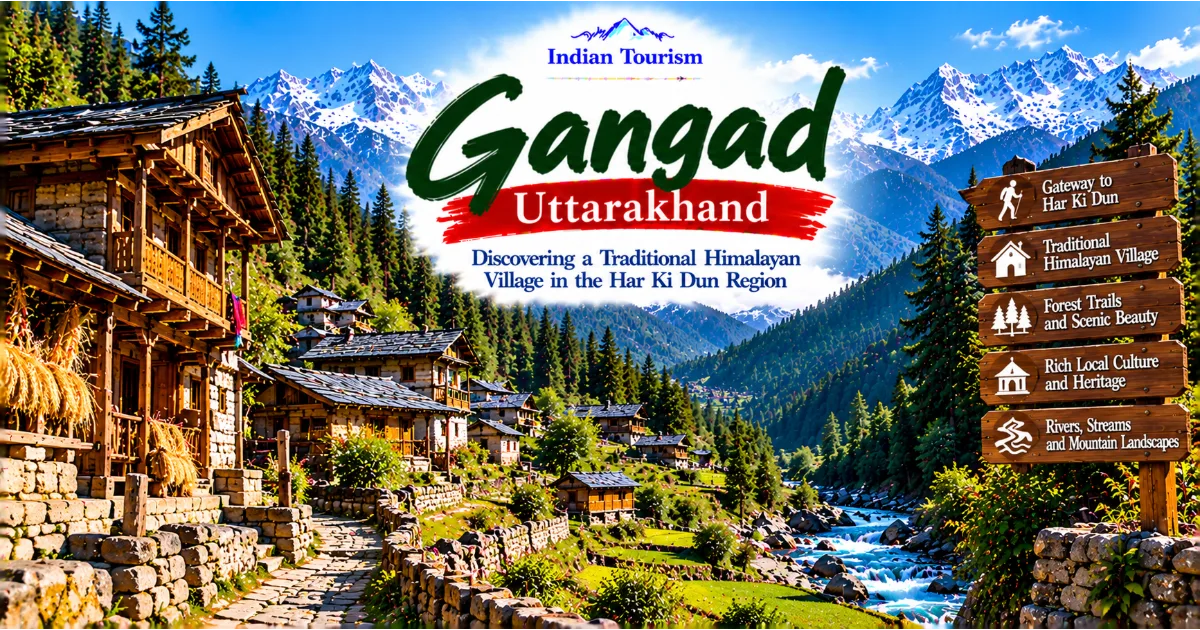
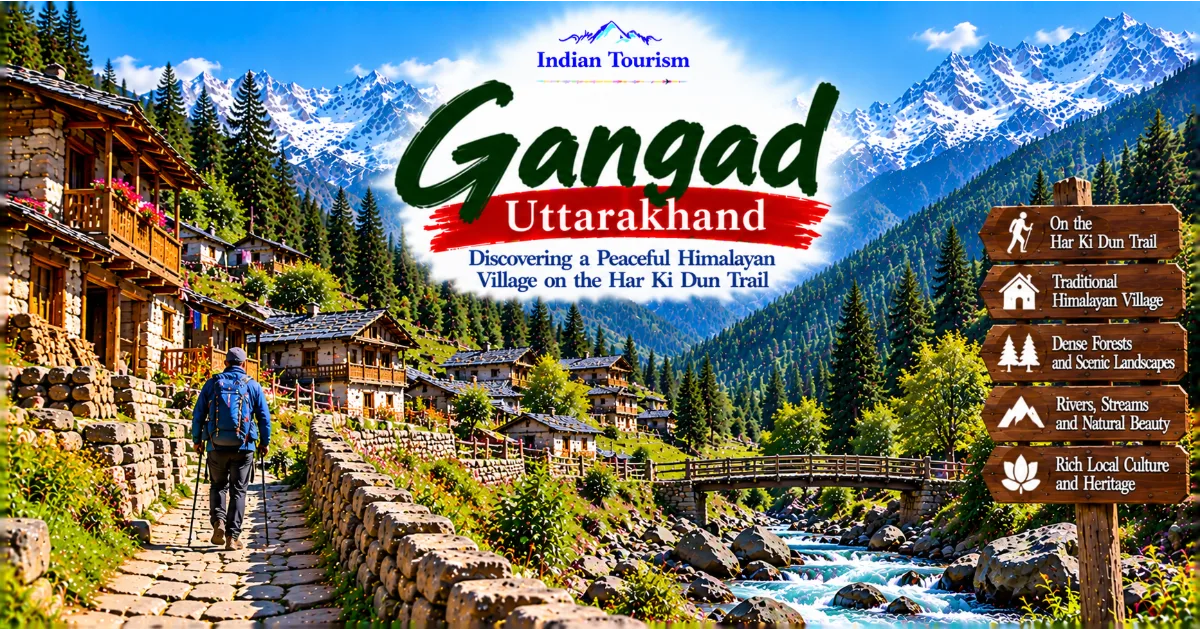
The route towards Har Ki Dun passes through a landscape where villages and agricultural areas remain important features. These settlements provide insight into the lives of people who have adapted to the challenges of mountain geography.
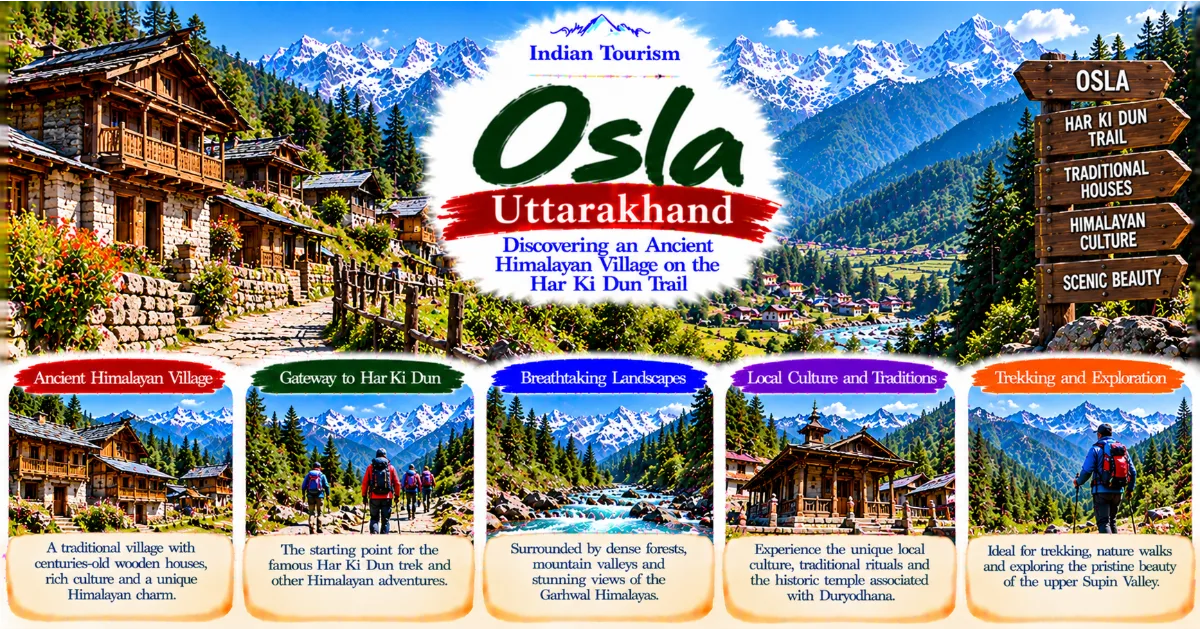
Traditional homes, cultivated terraces and narrow paths reveal how communities use the limited flat ground available in the valley. They also demonstrate that trekking routes often follow paths that have practical importance for local movement.
Visitors should remember that these are living communities. Respect private property, ask permission before taking photographs of residents and avoid treating homes or courtyards as public attractions.
Reaching the Valley
As the route approaches Har Ki Dun, the landscape becomes more open in places, allowing wider views of the surrounding mountains. The valley's broad terrain, alpine vegetation and dramatic ridgelines create a striking contrast with the enclosed forest sections encountered earlier.
The final approach can feel especially rewarding because the landscape has unfolded gradually throughout the journey. Instead of appearing suddenly, the valley becomes the culmination of several days of walking through the Himalayas.
The experience is best enjoyed without rushing. Taking time to appreciate the surroundings helps visitors understand why Har Ki Dun is regarded as one of the distinctive trekking destinations of Uttarakhand.
The Natural Beauty of Har Ki Dun Valley
Har Ki Dun's natural beauty comes from the combination of mountain terrain, vegetation, water and changing light. The valley is surrounded by Himalayan slopes that create a dramatic setting, while streams and open areas add variety to the landscape.
The scenery changes with the seasons. During warmer months, vegetation becomes more prominent, and the landscape can appear green and lively. In autumn, changing colours and clearer weather may create excellent conditions for photography. Colder months bring a different atmosphere, with snow and ice affecting parts of the wider region.
The valley's shape creates a sense of enclosure while still allowing broad views of the surrounding mountains. The relationship between the open valley floor and the rising slopes gives the landscape much of its visual appeal.
Visitors should avoid reducing the experience to photographs of distant peaks alone. The smaller details are equally important. Moss-covered stones, forest paths, water moving through rocky channels and the gradual transition between vegetation types all contribute to the character of the region.
Light and weather can change rapidly in the mountains. A clear morning may give way to cloud, mist or rain later in the day. These changes can create beautiful scenery, but they can also affect visibility and trail safety.
Travellers should enjoy the landscape from safe locations and avoid approaching unstable slopes or riverbanks for photographs. Protecting personal safety is more important than obtaining a particular image.
Har Ki Dun's appeal lies in the variety of experiences it offers. The valley can feel expansive and dramatic in one moment, then quiet and intimate when attention shifts to the forest, water or vegetation nearby.
Mountains and Himalayan Views
The mountain scenery around Har Ki Dun is one of the main attractions for trekkers. The surrounding ridgelines create a dramatic backdrop, and the valley offers changing perspectives as visitors move through different sections of the route.
The Himalayan landscape is shaped by geological forces, erosion, rivers and changing climatic conditions. Over long periods, these processes have created steep slopes, deep valleys and the rugged terrain that defines the region.
For visitors, the result is a setting that feels both powerful and delicate. Large mountain forms dominate the horizon, while small streams and patches of vegetation occupy the spaces between the slopes.
Mountain views depend heavily on weather. Clear conditions may provide distant visibility, while cloud and mist can obscure the peaks. Travellers should not expect the same views every day, and a cloudy period does not mean that the journey has failed.
Photography is often most rewarding when visitors remain flexible. Instead of waiting for a single perfect viewpoint, look for different compositions along the route. The shape of a ridge, the movement of clouds or the contrast between forest and open ground may create memorable images.
The altitude and terrain also require sensible behaviour. Visitors should avoid climbing onto unstable rocks or leaving the established trail in search of a wider view. Conditions can be difficult to judge, particularly when vegetation hides loose ground.
A mountain journey is more enjoyable when travellers focus on the overall experience rather than treating the scenery as a checklist of photographs.
Forests, Streams and Alpine Vegetation
The Har Ki Dun region contains a variety of habitats that change according to altitude, moisture and exposure. Forests occupy many of the lower and middle sections of the trekking landscape, while more open vegetation becomes prominent in other areas.
The forests form an important part of the regional ecosystem. Trees and other plants help stabilise the soil, provide habitat for wildlife and influence how water moves through the landscape. Forest cover also contributes to the atmosphere of the trekking route, creating shaded sections and quieter walking environments.
As trekkers move through the region, they may notice changes in the size and type of vegetation. These changes reflect the influence of elevation, temperature, sunlight and growing conditions.
Streams are another defining feature. Water descends from the surrounding slopes and moves through rocky channels towards the larger river systems of the region. The sound of flowing water often accompanies the walk, adding to the sense of being immersed in the natural environment.
Streams can become dangerous after rainfall. Water levels may rise quickly, and crossings that appear manageable in dry weather may become unsafe. Visitors should follow local guidance and never attempt a crossing when conditions are uncertain.
Alpine vegetation contributes to the valley's character, particularly in more open areas. Plants in these environments must adapt to cold temperatures, short growing seasons and changing moisture conditions. Visitors should avoid trampling vegetation or collecting plants as souvenirs.
The region's natural systems are interconnected. Forests influence water and soil, streams shape the valley, and vegetation provides habitat for wildlife. Protecting these systems is essential to maintaining the ecological quality of Har Ki Dun.
Wildlife and Biodiversity
The wider landscape around Har Ki Dun forms part of an important Himalayan ecological region. Changes in elevation create a range of habitats, from forested slopes to more open mountain terrain. These habitats support different forms of plant and animal life.
Wildlife observation can add another dimension to the trekking experience. Visitors may notice birds, insects and other animals along the route, although sightings depend on season, weather and the behaviour of individual species.
The possibility of seeing wildlife should never become a reason to disturb it. Animals need space to feed, move and avoid danger. Travellers should observe from a respectful distance and avoid chasing animals for photographs.
Birdwatchers may find the forest environment especially interesting because different habitats support different bird communities. Binoculars can help visitors observe birds without approaching too closely.
The protected landscape around the valley also highlights the importance of conservation. Mountain ecosystems can be sensitive to habitat disturbance, pollution and poorly managed tourism. Even small amounts of waste can accumulate along heavily used trails.
Visitors can contribute to conservation by remaining on established paths, carrying waste out of the valley and avoiding loud or disruptive behaviour. They should never feed wildlife or leave food scraps along the trail.
A responsible approach recognises that wildlife is not an attraction that must perform for visitors. The opportunity to experience a natural environment is valuable in itself, even when animals remain hidden.
The Cultural Importance of Har Ki Dun
Har Ki Dun is known not only for its scenery but also for the cultural landscape of the surrounding region. Traditional settlements, agricultural practices and local knowledge contribute to the identity of the upper Tons Valley.
The name Har Ki Dun is commonly interpreted as the Valley of the Gods. Such names reflect the cultural meanings people attach to mountain landscapes. Across the Himalayas, mountains, rivers, forests and valleys often appear in local stories and religious traditions.
Visitors should approach these associations with respect and avoid presenting folklore as verified historical fact unless reliable evidence supports a specific claim. Cultural traditions may vary between communities, and the same landscape can hold different meanings for different people.
The surrounding villages provide a more direct way to understand the cultural setting. Their homes, paths and agricultural areas reveal how people have adapted to the local terrain. Seasonal work and weather continue to influence daily life, while tourism has introduced additional opportunities for some households.
Travellers who engage with local guides may learn about regional customs, stories and practical knowledge associated with the landscape. These conversations can deepen the experience by connecting the scenery with the people who know it best.
Visitors should remember that cultural exchange requires mutual respect. Ask questions politely, avoid making assumptions and seek permission before photographing people or private spaces.
Har Ki Dun's cultural significance is therefore best understood as part of a living landscape, where history, belief, livelihood and nature continue to interact.
Traditional Villages Along the Trek
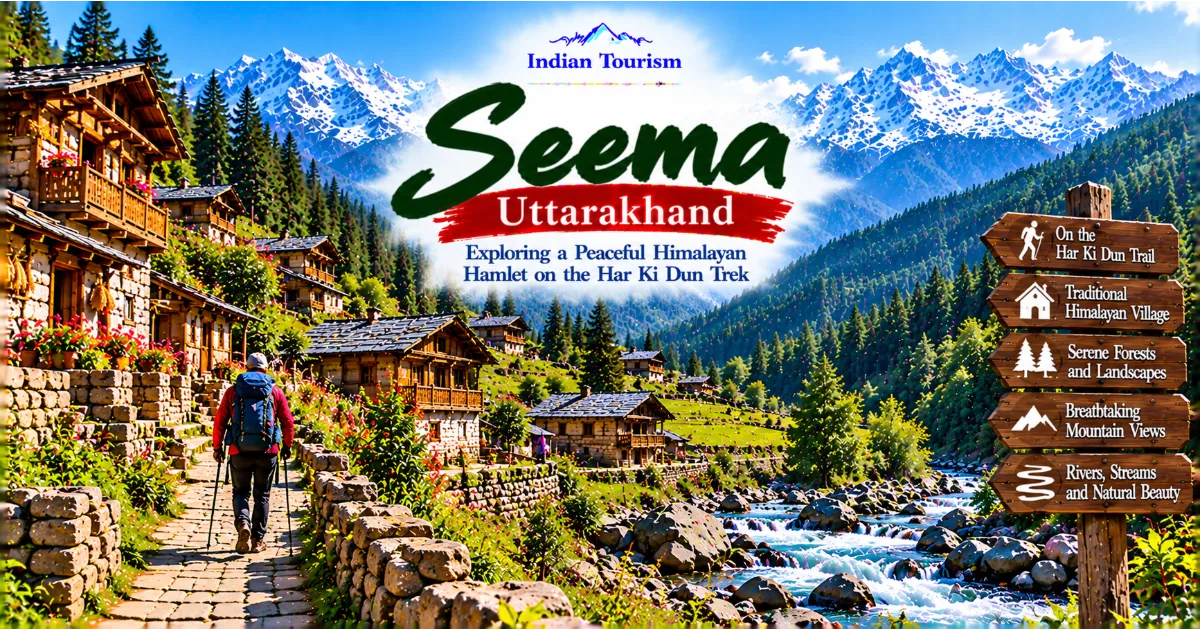
The villages associated with the Har Ki Dun route form an important part of the journey. Settlements such as Osla and Seema are linked to the wider trekking landscape and provide insight into the communities that live in the upper Tons Valley.
These villages demonstrate how settlement patterns respond to mountain geography. Houses occupy suitable ground, paths connect homes and fields, and cultivated terraces make use of slopes where farming is possible.
Agriculture and livestock have historically contributed to rural livelihoods in many parts of the Garhwal Himalayas. The exact activities of each village vary, however, and travellers should avoid assuming that every household follows the same routine.
Tourism has added another economic dimension. Local people may provide guiding, transport, food, accommodation and trekking support. These services can create income while allowing visitors to learn from people familiar with the terrain.
Walking through villages also requires sensitivity. Residents may be carrying out everyday tasks, moving livestock or working in fields. Visitors should give people space and avoid obstructing narrow paths.
Photography should be approached respectfully. Ask permission before taking close-up pictures of residents or entering private courtyards. A village is not an open-air museum, and its residents should not be expected to participate in a tourist experience.
The settlements enrich the trek by showing that the Himalayas are both a natural environment and a place where people maintain homes, livelihoods and traditions.
Best Time to Visit Har Ki Dun
The best time to visit Har Ki Dun depends on the kind of experience travellers want and the condition of the route. Weather can change quickly in the mountains, so seasonal descriptions should be treated as general guidance rather than a guarantee of safe conditions.
Spring: March to April
Spring brings changing temperatures and fresh vegetation to many parts of the region. Lower sections of the trek may become more comfortable for walking, while higher areas can still experience cold conditions.
Snow may remain on parts of the route, depending on the winter and current weather. Travellers should confirm trail conditions and carry suitable clothing.
Late Spring and Early Summer: May to June
Late spring and early summer are popular periods for trekking in many parts of Uttarakhand. Daytime conditions can be comfortable, and the landscape may be green and lively.
The route still involves substantial walking and changes in elevation. Visitors should prepare for cold nights and sudden weather changes, particularly in higher sections.
Monsoon: July to September
The monsoon brings heavy rainfall to much of Uttarakhand. The landscape can become lush, but rain also increases the risks of landslides, slippery trails, falling rocks and swollen streams.
Travellers should check local advisories and avoid trekking when conditions are unsafe. It is better to postpone a trip than to continue into a hazardous route.
Autumn: September to November
The period after the main monsoon can provide clearer conditions, depending on the weather. Forests and mountain slopes may offer attractive colours, while cooler temperatures create a different trekking atmosphere.
Conditions become colder as winter approaches. Travellers should carry warm clothing and check the availability of accommodation and trekking support.
Winter: December to February
Winter can bring snow and ice to parts of the wider region. Temperatures may fall considerably, and some routes or services may become unavailable.
Winter trekking should be considered only after checking current conditions and arranging suitable equipment and experienced support. Visitors should not assume that a route remains accessible simply because it was open during another season.
The most appropriate travel window depends on current conditions, the experience of the trekking group and the guidance of local professionals.
Things to Do in Har Ki Dun
Trek Through the Valley
Trekking is the main way to experience Har Ki Dun. The journey allows visitors to observe the changing landscape, pass through forests and settlements, and appreciate the scale of the surrounding mountains.
The trek should be planned according to fitness, experience and available time. Travellers should understand the walking distances, elevation changes and overnight arrangements before setting out.
Photograph the Himalayan Landscape
Har Ki Dun offers opportunities for landscape photography throughout the journey. Forests, streams, open valley sections and mountain ridges provide different subjects.
Weather changes can create dramatic light and mist, but photographers should prioritise safety. Avoid leaving established paths or approaching unstable slopes to capture an image.
Observe Nature
The surrounding environment offers opportunities to notice birds, vegetation and the changing character of the forest. Visitors who move quietly may discover details that would otherwise go unnoticed.
Nature observation is most rewarding when it does not disturb the environment. Stay on established paths, avoid feeding wildlife and carry waste out of the valley.
Experience Village Life
The settlements along the route provide insight into the cultural landscape of the upper Tons Valley. Visitors can learn about local geography and trekking conditions through conversations with guides and hosts.
Respect residents' privacy and ask permission before photographing people or private property. A considerate approach helps ensure that tourism remains welcome.
Enjoy the Quiet of the Mountains
One of the most rewarding activities is simply taking time to appreciate the surroundings. Sitting safely in an appropriate rest area, listening to flowing water or watching clouds move across the ridges can make the journey memorable.
The valley is not a place where every moment needs to be filled with activity. Its atmosphere is part of the experience.
Food and Accommodation
Har Ki Dun is a trekking destination rather than a conventional resort area. Facilities become more limited as travellers move away from larger settlements, and accommodation arrangements depend on the chosen itinerary and current local services.
Trekkers commonly arrange overnight stays through their guide or trekking operator. Depending on the route and facilities available, accommodation may involve basic guesthouses, village stays or organised camping arrangements.
Visitors should confirm the details before departure. Do not assume that every stop has a commercial guesthouse, restaurant or shop. Remote locations may have limited supplies, and services can change according to season and weather.
Meals on trekking routes are often simple and designed to provide energy for walking. Travellers may encounter dishes based on rice, lentils, vegetables and flatbreads, although the available menu depends on the provider and the supplies brought into the region.
People with dietary restrictions should communicate their requirements in advance. Carry essential personal medicines and a small first-aid kit, and ask the trekking organiser what equipment and food will be supplied.
It is also sensible to carry sufficient cash because digital payment facilities may be unreliable in remote areas. Mobile connectivity and charging options can be limited.
Visitors should use water thoughtfully, respect the accommodation provider's instructions and avoid creating unnecessary waste. Simple facilities are part of the reality of trekking in a remote Himalayan environment.
How to Reach Har Ki Dun
By Road
The journey usually begins with travel to Sankri in Uttarkashi district. From Sankri, trekkers commonly continue towards Taluka, subject to road conditions, before beginning the walking route.
The road journey involves mountain terrain, and travel times can vary. Rainfall, landslides, road maintenance and other conditions may affect access.
Travellers should confirm the road status before departure and allow additional time for delays. It is advisable to arrange onward transport through a reliable local provider.
By Train
Har Ki Dun does not have a railway station. Travellers arriving by train must continue by road to the Sankri region and then follow the trekking route.
The best railway connection depends on the starting point and the onward transport available. Visitors should coordinate train and road travel carefully and avoid tight connections.
By Air
There is no airport at Har Ki Dun. Visitors arriving by air must travel onwards by road towards Sankri and then begin the trek.
Because the journey can take considerable time, it is sensible to include a rest period before trekking. This allows visitors to check the weather, organise equipment and confirm the route.
Essential Travel Tips
Preparation is essential for a safe and enjoyable journey to Har Ki Dun. Visitors should check the weather forecast, trail conditions and local advisories shortly before departure.
Choose a trekking itinerary that matches your fitness and experience. The route involves sustained walking, uneven ground and changes in elevation. Travellers who are new to mountain trekking should consider experienced local support.
Wear sturdy footwear and carry warm layers, rain protection, a headlamp, personal medicines and other essential equipment. Weather can change rapidly, and temperatures may fall after sunset.
Keep emergency contact details accessible and tell someone trustworthy about your itinerary. Mobile connectivity may be intermittent, so do not rely entirely on a phone for navigation or emergency communication.
Carry enough cash and confirm overnight arrangements in advance. Supplies and services may be limited in remote areas.
Follow local guidance around streams, steep slopes and exposed trail sections. Avoid crossing fast-moving water and do not continue along an unsafe route simply because accommodation or transport has already been booked.
Carry all rubbish back out and avoid disturbing wildlife. Respect village privacy, ask permission before taking photographs and treat local workers fairly.
A responsible trekking plan includes flexibility. If weather or trail conditions become dangerous, change the itinerary or postpone the journey.
Responsible Tourism and Conservation
Har Ki Dun's natural environment is an important reason for its popularity, but increasing visitor numbers can place pressure on mountain ecosystems. Responsible tourism helps reduce this pressure and supports the long-term wellbeing of local communities.
Visitors should carry reusable bottles and containers where practical, minimise single-use packaging and take their rubbish back to suitable disposal points. Waste should never be left beside streams, in forests or at camping areas.
The protected landscape around Har Ki Dun supports a range of habitats. Visitors should remain on established paths and avoid collecting plants, damaging trees or disturbing animals.
Campfires should never be started without permission and an appropriate safe arrangement. Fires can damage vegetation and create risks in dry conditions. Travellers should follow the instructions of their guide or accommodation provider.
Supporting local services can help tourism benefits reach the communities that maintain and use the surrounding landscape. Hiring experienced local guides and using legitimate accommodation providers can also improve visitors' understanding of the region.
Respect for culture is equally important. Ask permission before photographing residents, follow guidance around religious or culturally significant places and avoid entering private spaces without invitation.
Responsible tourism is not simply a matter of keeping the valley attractive for future visitors. It is about recognising that the landscape has ecological value and is also home to communities whose needs and traditions deserve consideration.
Who Should Visit Har Ki Dun?
Har Ki Dun is particularly suited to travellers who enjoy multi-day trekking, natural scenery and the experience of moving through a remote Himalayan landscape. It can appeal to nature lovers, photographers and visitors interested in traditional villages and rural mountain life.
The trek may also suit travellers who want an experience that combines physical activity with cultural observation. Walking through the upper Tons Valley allows visitors to see how forests, streams, settlements and agricultural areas form part of a connected landscape.
However, the journey is not suitable for everyone. Visitors should consider their fitness, health, previous trekking experience and ability to manage changing weather. Anyone with concerns about the physical demands should seek appropriate professional advice before choosing an itinerary.
Har Ki Dun is less suitable for people who expect luxury accommodation, extensive shopping or easy vehicle access to every viewpoint. Facilities are limited, and the journey requires planning.
Families considering the trek should assess the route carefully and choose an itinerary appropriate for every member of the group. Children and older travellers may need different pacing and additional support.
With sensible preparation and realistic expectations, Har Ki Dun can offer a memorable experience for people who appreciate the natural and cultural richness of the Himalayas.
Conclusion: A Memorable Journey Into the Garhwal Himalayas
Har Ki Dun is one of the distinctive trekking destinations of Uttarakhand, combining dramatic mountain scenery with forests, streams and traditional settlements. Its location in the upper Tons Valley creates an experience that is both a journey through nature and an introduction to the cultural landscape of the Garhwal Himalayas.
The trek rewards patience. Travellers gradually move from road-accessible settlements into a quieter environment where walking becomes the main way to experience the landscape. Along the route, forests and streams provide changing scenery, while traditional villages reveal how people have adapted to life in the mountains.
Har Ki Dun's value lies not only in its views but also in the relationship between the natural environment and the communities that live around it. Understanding that relationship makes the journey more meaningful than simply reaching a destination.
A successful visit requires careful planning, suitable equipment and respect for local guidance. Weather can change quickly, trail conditions may vary and facilities are limited in remote areas. Travellers should prepare thoroughly and remain flexible if conditions become unsafe.
By following responsible travel practices, visitors can help protect the valley while supporting the local people who contribute to the trekking experience. For those who enjoy nature, walking and quiet mountain landscapes, Har Ki Dun offers a rewarding opportunity to explore a remarkable part of Uttarakhand.
#IndianTourism #HarKiDun #UttarakhandTourism #GarhwalHimalayas #Uttarkashi #HarKiDunTrek #HimalayanTrekking #MountainTravel #NatureTourism #HimalayanVillages #ExploreUttarakhand #ResponsibleTourism #HiddenHimalayas #TravelIndia