A Hidden Village in the Garhwal Himalayas
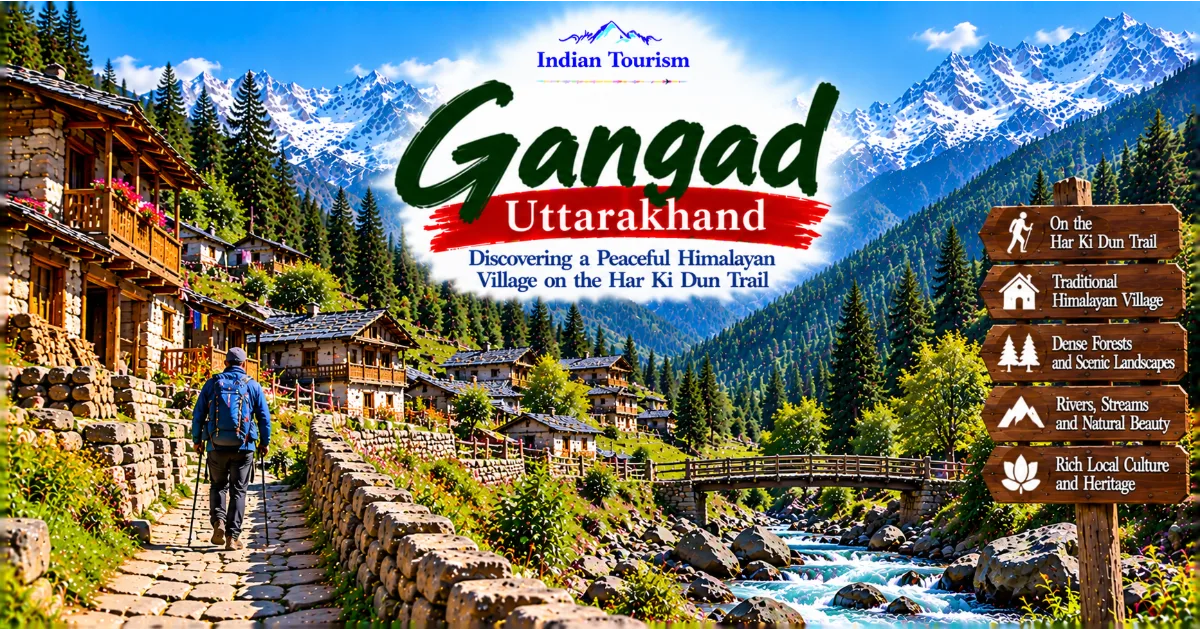
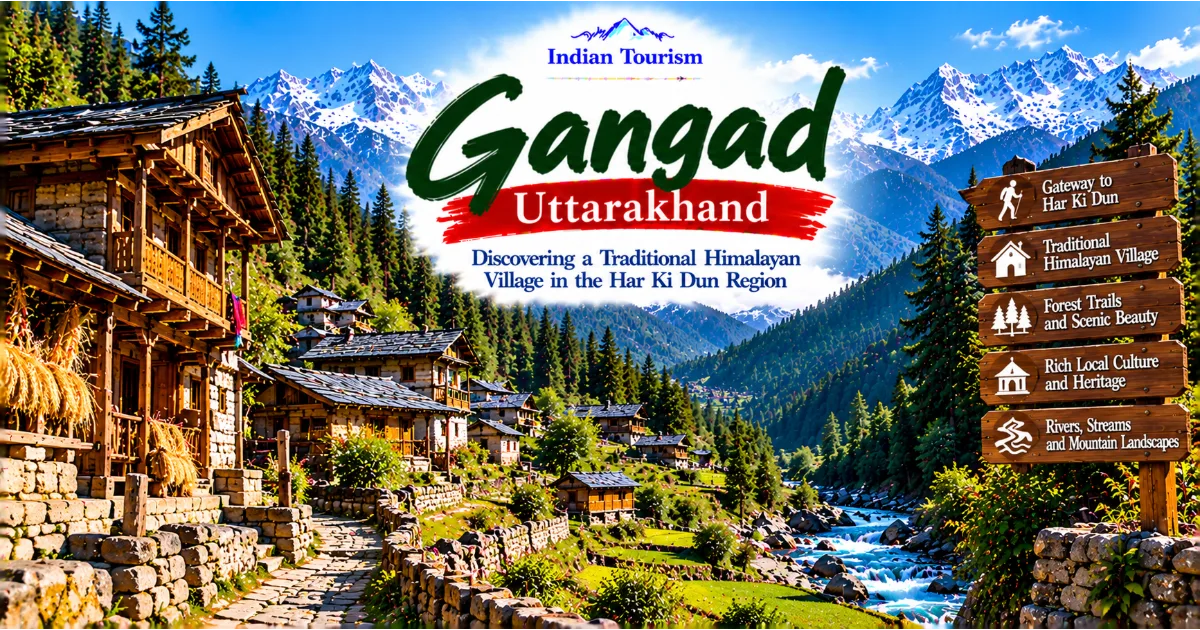
Deep within the mountainous landscape of Uttarkashi district in Uttarakhand lies Gangad, a traditional Himalayan village associated with the upper Tons Valley and the trekking region surrounding Har Ki Dun. Far from the busy streets of India's commercial hill stations, this remote settlement offers a glimpse into a quieter mountain world shaped by forests, rivers, steep slopes, seasonal agriculture and generations of local knowledge.
Gangad belongs to a landscape where villages are closely connected to the natural environment. Mountain paths link settlements, streams provide water, and the surrounding forests form an important part of the wider ecological system. The terrain influences almost every aspect of daily life, from how people construct their homes to how they move between villages and manage their agricultural activities.
For travellers exploring the Har Ki Dun region, Gangad represents an opportunity to look beyond the main trekking route and appreciate the human geography of the upper Garhwal Himalayas. Trekking in this region is not only about reaching a scenic valley or photographing distant mountain peaks. It is also about passing through living settlements, understanding the challenges of remote mountain life and recognising the relationship between people and their surroundings.
The wider area is known for its traditional villages, wooded valleys and walking routes that lead towards the interior of the Himalayas. The journey through these landscapes can be rewarding for visitors who enjoy slow travel, nature observation and cultural exploration. Unlike highly commercialised tourist destinations, the experience depends less on organised entertainment and more on the surroundings themselves.
Continue Reading
Gangad is best approached as a place to appreciate with patience. Visitors should not expect extensive tourist infrastructure or a long list of conventional attractions. Its appeal lies in its setting, its association with the Har Ki Dun trekking region and the opportunity to experience a less familiar part of Uttarakhand.
Travelling here requires preparation. Mountain weather can change rapidly, roads and footpaths may be affected by rainfall, and facilities may be limited. With appropriate planning and respect for local conditions, however, the village and its surrounding region can provide a meaningful introduction to the quieter side of Himalayan travel.
Where Is Gangad Located?
Gangad is situated in the upper Tons Valley region of Uttarkashi district in Uttarakhand. The surrounding landscape forms part of the Garhwal Himalayas, a mountainous region characterised by deep river valleys, forested slopes, traditional settlements and routes that extend towards higher Himalayan terrain.
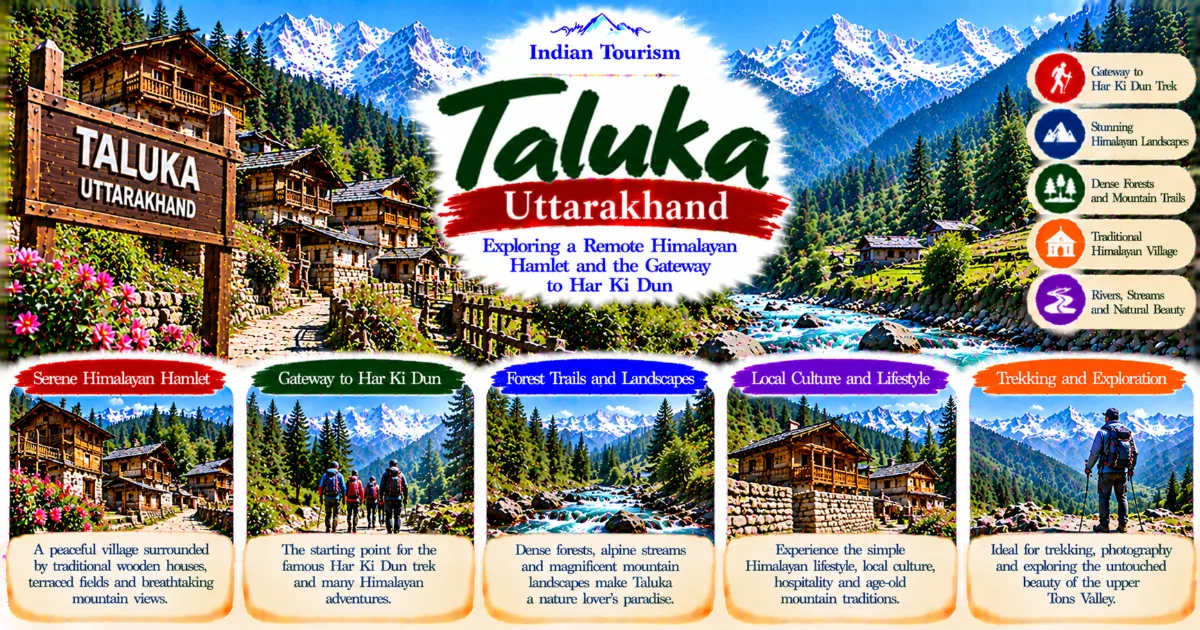
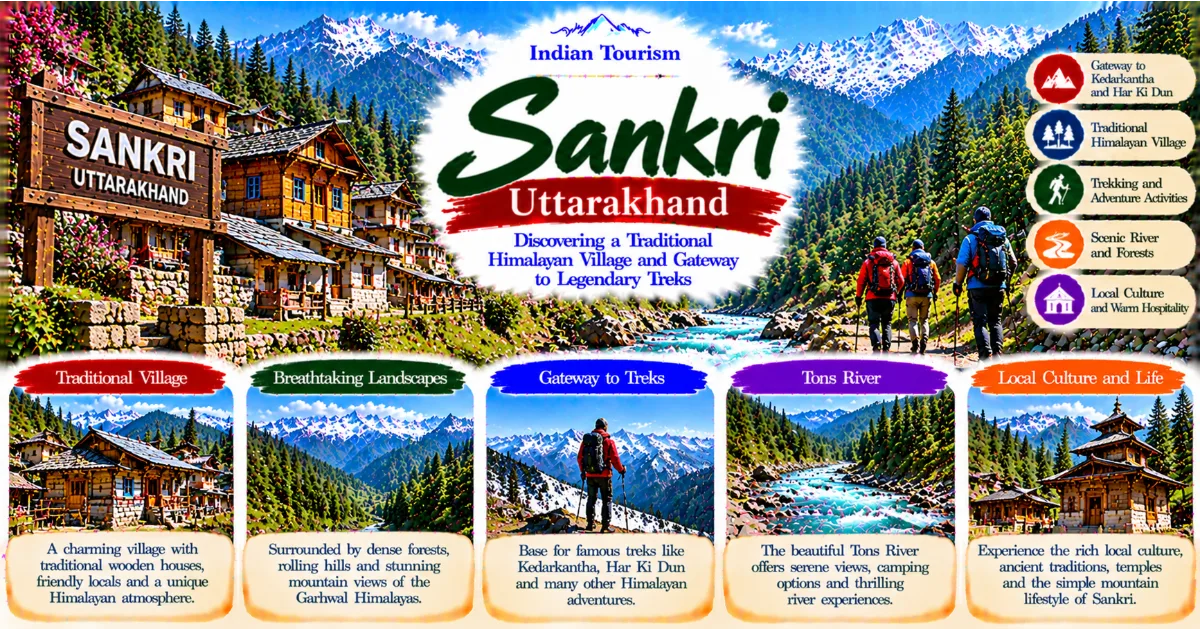
The wider area is closely associated with Sankri, a settlement commonly used as a base for trekking journeys in this part of Uttarakhand. From Sankri, travellers can organise onward transport and trekking arrangements for destinations such as Har Ki Dun and other mountain routes in the region.
The settlements around Sankri are spread across difficult terrain. Roads connect some villages, while footpaths remain important for reaching others. The availability of transport depends on the location, season, weather and condition of the route. Visitors planning to explore Gangad should confirm the exact approach and current access conditions with reliable local sources before departure.
The geography of the upper Tons Valley is defined by steep hillsides, wooded ridges, streams and cultivated patches wherever the terrain allows farming. The mountains influence the movement of water and the distribution of vegetation, while the shape of the valleys determines where settlements and agricultural terraces can be established.
The region's remoteness is part of its attraction, but it also creates practical challenges. Travellers should allow enough time for road journeys, understand that mobile connectivity may be unreliable and avoid assuming that services available in larger towns will also be available in small mountain villages.
Gangad's position within this wider landscape makes it relevant to travellers interested in the relationship between Himalayan communities and their environment. The village is not simply an isolated point on a map. It belongs to a network of settlements, paths and local activities that have developed in response to the conditions of the upper Tons Valley.
The Journey Through the Upper Tons Valley
Reaching the Gangad region is part of the experience. The journey through Uttarkashi district gradually introduces travellers to the changing geography of the Garhwal Himalayas. Roads follow river valleys, bend around hillsides and pass through settlements where homes and cultivated fields occupy the limited flat ground available.
As travellers move farther into the mountains, the landscape becomes increasingly dominated by forests and steep slopes. The sounds of traffic may gradually give way to flowing water, birdsong and the wind moving through the trees. The journey also reveals how communities adapt to a terrain that offers magnificent scenery but places limits on transport and construction.
Sankri is an important point for arranging onward travel in the wider region. Travellers can use it to confirm local transport, obtain advice about road and trail conditions, and organise accommodation or trekking support where necessary. The best route to Gangad depends on the precise destination, the condition of the roads and whether the final section is accessible by vehicle or requires walking.
Mountain roads should never be treated as predictable routes. Heavy rain, landslides, fallen rocks and road maintenance can cause delays or temporary closures. Travel times may vary considerably, and a route that is accessible during one season may become difficult during another.
Visitors should check conditions shortly before travelling and avoid scheduling important connections too closely together. If the journey is part of a longer trekking itinerary, an additional buffer day can help accommodate delays.
The scenery along the way provides opportunities for photography, but safety must remain the priority. Stopping on narrow roads, walking around blind bends or standing near unstable slopes can create serious risks. Travellers should use safe stopping areas and follow local advice.
For people accustomed to city travel, the journey can also change their expectations. Mountain distances are measured not only in kilometres but also in road quality, elevation, weather and the time required to move through difficult terrain. Reaching a remote village may require more patience than reaching a conventional tourist destination, and that slower pace is part of the experience.
Gangad and the Har Ki Dun Region
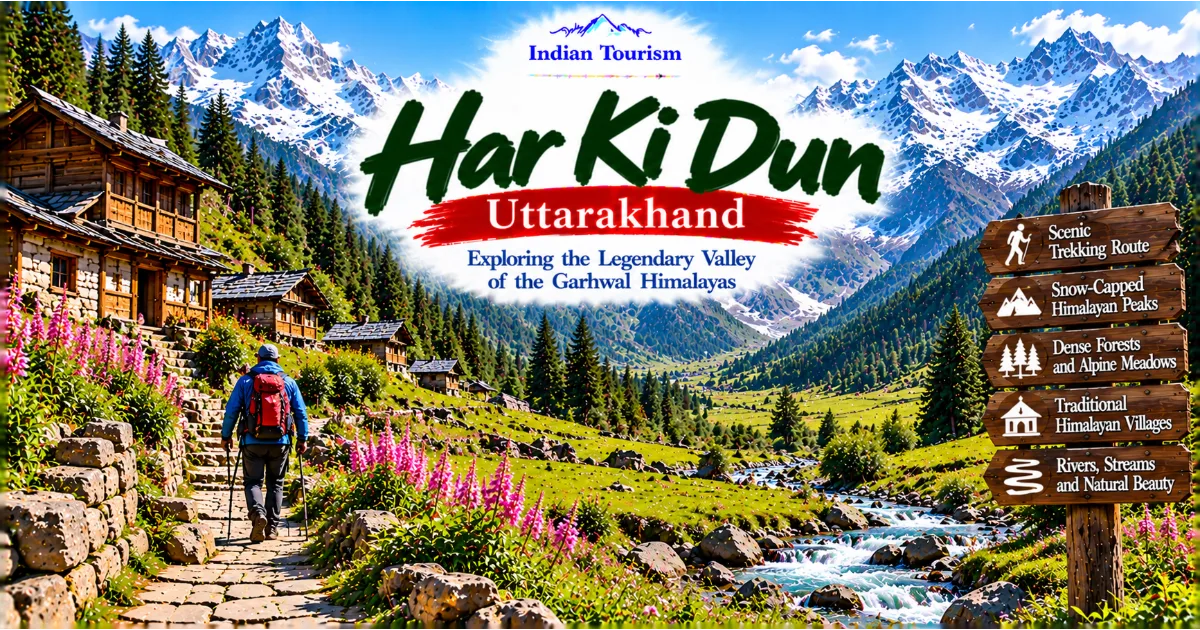
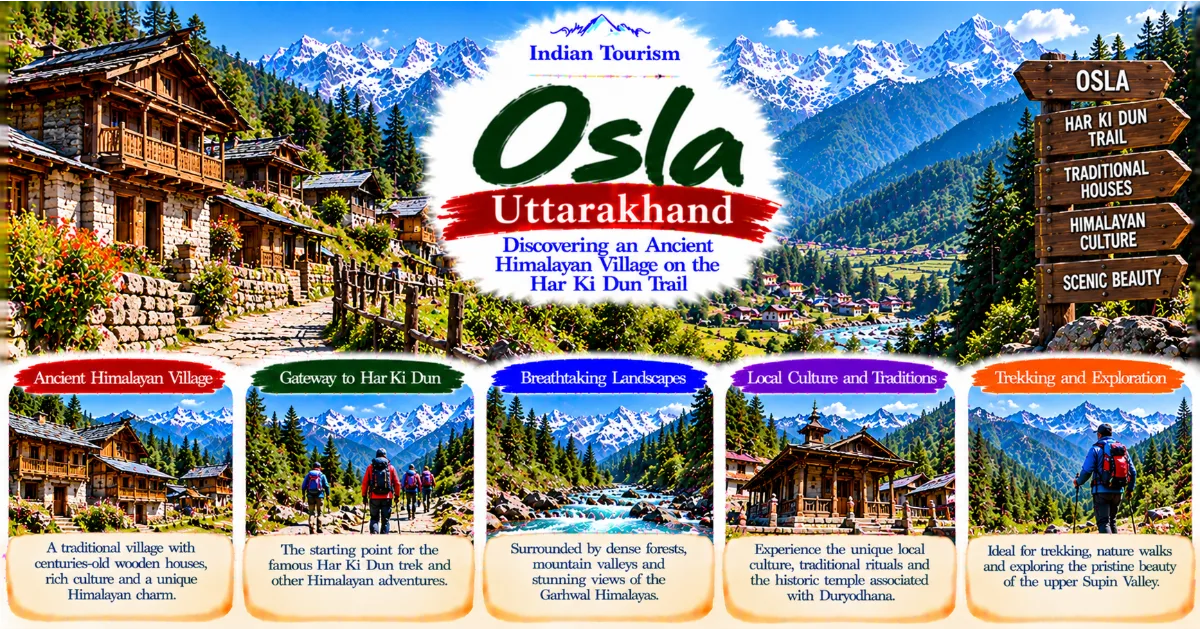
The wider region around Gangad is associated with the Har Ki Dun trekking landscape, one of the recognised trekking destinations in Uttarakhand. The route introduces visitors to forested paths, traditional villages, mountain streams and open valleys surrounded by Himalayan slopes.
Har Ki Dun attracts travellers who want to experience a combination of natural scenery and rural mountain landscapes. The journey is different from a simple road trip because much of the experience comes from walking through the environment. Trekkers have time to observe the changing vegetation, listen to the streams and notice how settlements fit into the landscape.
Villages along trekking routes are important parts of this experience. They provide insight into the lives of people who live in mountain regions where access to transport, supplies and services can be limited. They also demonstrate that the landscape is not empty wilderness. It is a lived-in environment shaped by agriculture, local traditions, movement between settlements and changing economic opportunities.
Gangad should be understood within this broader context. Its significance for a visitor may depend on the route being followed, the local access arrangements and the time available for exploring the surrounding area.
Travellers should not assume that every village associated with the Har Ki Dun region lies directly on the same trail or can be reached without additional planning. The exact itinerary matters. Before setting out, visitors should confirm the route, walking distances, expected travel time and availability of accommodation.
The trekking environment also requires respect for changing conditions. Rain can make paths slippery, streams may rise quickly, and fog can reduce visibility. In colder months, snow and ice may affect higher sections of the region. Visitors should follow local advice rather than relying solely on general descriptions of the trek.
For those who plan carefully, the Har Ki Dun region offers more than dramatic scenery. It provides a chance to appreciate how mountain landscapes, traditional settlements and walking routes form a connected cultural and natural environment.
Natural Beauty: Forests, Mountains and Waterways
The natural surroundings of the upper Tons Valley are among the strongest reasons to explore this part of Uttarakhand. Forested slopes rise above narrow valleys, streams move through rocky channels, and distant ridgelines create layers of mountain scenery. The landscape changes with the weather and season, offering different experiences throughout the year.
Forests are a defining feature of many areas around the upper Tons Valley. Depending on altitude and local conditions, visitors may encounter mixed woodland, coniferous trees, shrubs and open patches of vegetation. The transition between forested slopes and cultivated land reveals how natural conditions influence settlement and agriculture.
Water is equally important. Mountain streams carry water down steep slopes and through the valleys, supporting vegetation and contributing to the larger river systems of the region. Their appearance varies according to rainfall, snowmelt and seasonal conditions.
The sound of flowing water can make a walk through the region especially memorable. Small streams may cross footpaths, while larger channels can be heard from nearby slopes. However, watercourses should never be approached carelessly. After rainfall, water levels can rise rapidly, and crossings that appear manageable may become dangerous.
The mountain environment is also home to birds and other wildlife. Visitors who walk quietly may notice bird calls, insects and movement among the trees. Wildlife sightings cannot be guaranteed, and animals should never be chased, fed or disturbed for photographs.
Nature photography is rewarding here because the landscape offers many different subjects. A forest path may provide an intimate view of vegetation, while an opening in the trees can reveal a distant ridge or valley. Overcast weather may create soft light and mist, while clear conditions can produce sharp mountain views.
Travellers should remain on established paths and avoid damaging vegetation. Carrying waste back out of the forest, using reusable containers and avoiding unnecessary noise are simple ways to reduce environmental impact.
The beauty of the upper Tons Valley does not depend on a single viewpoint. It emerges through the experience of moving slowly through the landscape and noticing how water, forests, settlements and mountains fit together.
Traditional Village Life in the Garhwal Himalayas
Life in the upper Tons Valley is shaped by geography. Steep terrain limits the amount of flat land available for construction and agriculture, while weather influences travel, farming and the availability of supplies. Communities have developed practical ways to manage these conditions over generations.
In many Himalayan settlements, agriculture and livestock have historically formed important parts of household life. Terraced cultivation allows people to use sloping land where conventional fields would be difficult to maintain. Seasonal work, local resources and cooperation between households also contribute to rural life.
The exact activities and traditions of Gangad should not be assumed to be identical to those of every neighbouring village. Local practices can vary according to household circumstances, community history and the particular conditions of each settlement. Visitors interested in village life should learn through respectful conversation rather than relying on broad generalisations.
Tourism has created additional economic opportunities across parts of the wider trekking region. Local people may work as guides, drivers, porters, accommodation providers, cooks and suppliers of goods for trekkers. These activities can provide income, especially during periods when visitors travel through the mountains.
At the same time, tourism does not remove the challenges of remote mountain living. Transport can remain difficult, services may be limited, and households must continue to manage the practical realities of their environment.
Travellers can support local livelihoods by using legitimate local services, paying agreed prices fairly and treating residents with respect. Choosing local accommodation or hiring experienced local support where available can help tourism income remain within the region.
Visitors should remember that villages are homes, not staged attractions. Ask before photographing people, respect private property and avoid entering courtyards or buildings without permission. Some residents may be happy to discuss local life, while others may prefer to continue their daily activities without interruption.
The most valuable cultural encounters often occur naturally. A conversation about the weather, the walking route or seasonal work can provide a more authentic understanding of mountain life than treating every interaction as a tourist experience.
Architecture and Settlement Patterns
Traditional mountain settlements are shaped by the physical constraints of their surroundings. Homes and agricultural areas are often arranged according to the availability of stable ground, access to water, exposure to sunlight and the need to move safely across steep terrain.
Across the Garhwal Himalayas, older buildings may incorporate locally available materials such as stone and timber. Designs differ from place to place, and newer construction may stand alongside older houses. The architecture of any particular village reflects a combination of local practices, household resources and changing building requirements.
In mountainous terrain, settlement patterns can appear compact in one location and dispersed in another. Houses may be linked by narrow footpaths, while cultivated terraces occupy nearby slopes. The arrangement of buildings is often practical rather than planned around visitor convenience.
These patterns reveal how people adapt to a landscape where flat land is scarce. They also show the importance of paths and small connections between houses, fields and water sources.
Visitors interested in architecture should take time to observe how buildings fit into the terrain. The relationship between a house and its surrounding land can tell a great deal about everyday life in the mountains.
However, travellers should avoid entering buildings or photographing private spaces without permission. Some structures may be old or fragile, and curiosity should never lead to damage. If a resident offers to explain a building or local practice, listen respectfully and avoid assuming that one example represents the entire region.
Traditional architecture is not simply a visual feature. It reflects the knowledge required to live in a demanding environment and the ways that mountain communities continue to adapt to changing circumstances.
Best Time to Visit Gangad
The most suitable time to explore Gangad depends on the purpose of the trip, the route being followed and current local conditions. Visitors planning a short village visit may have different requirements from trekkers travelling towards Har Ki Dun.
Spring: March to April
Spring brings changing temperatures and the gradual return of fresh vegetation to many parts of the Himalayan landscape. Lower areas may become more comfortable for walking, while higher sections can still experience cold conditions.
Travellers should prepare for cool mornings and evenings. Those planning a longer trek should confirm whether snow or other conditions affect the intended route.
Late Spring and Early Summer: May to June
This period can be attractive for visitors who want to explore the wider trekking region. Daytime conditions are often more comfortable than during the colder months, and the landscape may be green and lively.
Weather can still change quickly. Rain, cloud and trail disruption are possible, so travellers should carry suitable clothing and keep their plans flexible.
Monsoon: July to September
The monsoon brings heavy rainfall to many parts of Uttarakhand. Forests may look especially lush, but landslides, falling rocks, swollen streams and slippery paths can make travel hazardous.
Visitors should check road conditions and local advisories before departure. A trip should be postponed if conditions are unsafe, even if that means changing previously confirmed plans.
Autumn: October to November
Autumn can provide cooler temperatures and clear views when weather conditions are stable. It is often an appealing season for travellers who enjoy mountain scenery and trekking.
Nights become colder as winter approaches. Suitable clothing and advance arrangements for accommodation are important, particularly for visitors travelling into more remote areas.
Winter: December to February
Winter may bring snow, ice and very low temperatures to parts of the wider region. Access to some routes can become difficult, and accommodation or transport options may be reduced.
Winter visitors should seek current information from local authorities, experienced guides and transport providers. The conditions of the village approach and the higher trekking route may differ considerably, so each part of the journey should be assessed separately.
No season guarantees safe travel. Weather, road access and trail conditions should always guide the final decision.
Things to Do in and Around Gangad
Explore the Village Environment
A relaxed walk through accessible public paths can help visitors understand the settlement's layout and its relationship with the surrounding landscape. The aim should be observation rather than rushing between attractions.
Notice how paths connect homes and cultivated land, how the slopes influence building locations and how streams move through the wider valley. These details help reveal the practical character of mountain life.
Visitors should remain respectful of private property and avoid disturbing residents during their daily activities.
Enjoy Nature Walks
The wider region offers opportunities for walking through forested areas and along established mountain paths. The suitability of any route depends on current access, weather and the experience of the visitor.
Short walks can be rewarding even for people who are not undertaking a multi-day trek. Suitable footwear, drinking water and awareness of changing weather are essential.
Experience the Har Ki Dun Trekking Region
For travellers with adequate preparation, the Har Ki Dun region provides a wider trekking experience involving forests, mountain streams and traditional settlements.
The trek should be planned as a proper mountain journey. Visitors need to understand the route, daily distances, overnight arrangements and expected conditions. Local guidance is valuable, particularly for those unfamiliar with the terrain.
Photograph the Mountain Landscape
The combination of forested slopes, traditional settlements and changing weather can provide a range of photographic opportunities. Rather than concentrating only on distant peaks, visitors can photograph the details that give the region its character.
Take photographs from safe locations and ask permission before capturing identifiable people or private homes.
Observe Birds and Other Wildlife
Quiet observation can reveal the natural life of the surrounding forests. Binoculars may be useful, but patience is more important than specialised equipment.
Wildlife should never be fed or approached. Visitors should avoid loud noises and remain on established paths to reduce disturbance.
Learn From Local Residents
Conversations with residents, guides and accommodation hosts can provide insight into the practical realities of mountain travel and the importance of local knowledge.
Ask questions politely and respect people's time. If you arrange a guided walk or other local service, confirm the terms and cost in advance.
Food and Accommodation
Gangad and the surrounding villages are remote compared with major tourist centres, so travellers should expect limited facilities. Accommodation and meal options can vary according to the settlement, season, visitor demand and the current condition of access routes.
Visitors should confirm their arrangements before travelling. If the journey includes a stay in the wider Sankri area, it may be practical to organise transport, lodging and trekking support through a reliable local provider.
Food options in the wider Garhwal region may include simple meals based on rice, lentils, vegetables and flatbreads. The actual menu depends on the establishment and the availability of supplies. Travellers with dietary restrictions should explain their needs in advance because specialised ingredients may not be readily available in remote locations.
Carry essential personal medicines and a small first-aid kit. It is also sensible to bring enough cash for expected expenses because digital payment services and reliable connectivity may not be available everywhere.
Visitors planning a trek should confirm whether overnight accommodation is available along the intended route and what equipment they need to carry. Do not assume that every village has a commercial guesthouse or that supplies can be purchased whenever needed.
When staying with local hosts, follow their instructions, respect household privacy and use water and electricity thoughtfully. Small gestures of consideration can help ensure that tourism remains a positive experience for both visitors and residents.
How to Reach Gangad
By Road
Travellers generally approach the wider upper Tons Valley region through Uttarkashi district and the road network leading towards Sankri. The onward journey to Gangad depends on the exact route, current road conditions and whether the final section is accessible by vehicle.
Before departure, confirm the most suitable approach with local transport providers or experienced guides. Road conditions can change because of rainfall, landslides, fallen rocks and seasonal weather.
Allow enough time for the journey and avoid planning tight connections with trains or flights.
By Train
Gangad does not have a railway station. Visitors arriving by train must travel onwards by road from a suitable railway connection in Uttarakhand or the wider region.
The most practical railway option depends on the starting city and the onward transport available. Travellers should coordinate their rail and road arrangements carefully because reaching a remote Himalayan settlement may require a substantial additional journey.
By Air
There is no airport in Gangad. Visitors arriving by air need to continue by road from an airport serving the region. The total journey can be long, and the final section may be affected by mountain road conditions.
For a trekking holiday, it is advisable to arrive with enough time to rest, check local conditions and organise equipment before beginning the journey.
Essential Travel Tips
Preparation is essential when visiting a remote mountain settlement. Check current weather conditions, road access and local advisories before leaving. Do not assume that information from a previous season remains accurate.
Wear sturdy footwear suitable for uneven ground and bring warm clothing even if the weather seems comfortable during the day. Rain protection is useful in the mountains, where conditions can change rapidly.
If trekking, select an itinerary that matches your fitness and experience. Carry sufficient water, food or planned meal arrangements, essential medicines and appropriate equipment. A reliable guide can help with route planning and local conditions.
Keep emergency contact information accessible and tell someone trustworthy about your itinerary. Mobile connectivity may be intermittent, so do not rely entirely on a phone for navigation or communication.
Carry enough cash and confirm accommodation before arriving. Remote areas may not offer the same range of shops, medical facilities or transport services as larger towns.
Respect the environment by carrying waste back out, avoiding unnecessary plastic and staying on established paths. Do not pollute streams or disturb wildlife.
Above all, remain flexible. If heavy rain, unsafe paths or local advice makes travel inadvisable, change your plans. In the Himalayas, a safe and unhurried journey is more valuable than following an inflexible schedule.
Responsible Tourism in the Upper Tons Valley
Responsible tourism is particularly important in remote Himalayan communities. The natural environment is sensitive, waste disposal can be difficult and local infrastructure may be limited. The choices visitors make can influence both the quality of the travel experience and the long-term wellbeing of the region.
Tourism can provide income through accommodation, transport, guiding, food services and trekking support. Choosing legitimate local services can help distribute the benefits of travel to the people who live in the area.
Visitors should pay agreed prices fairly and recognise the effort involved in mountain work. Guides, drivers and porters may work in challenging conditions, and their local knowledge is often essential to a safe journey.
Environmental care begins with simple actions. Carry reusable bottles and containers, avoid leaving packaging behind and use available waste facilities appropriately. Do not leave food scraps along trails, as they can affect wildlife and the surrounding environment.
Respect for culture is equally important. Ask before photographing residents, avoid entering private homes without permission and follow local guidance around religious or culturally significant places. Do not assume that all traditions are the same across neighbouring villages.
Visitors should also understand that communities may be adapting to tourism in different ways. Some residents may welcome conversations with travellers, while others may prefer privacy. Both choices deserve respect.
The goal of responsible tourism is not simply to keep a destination visually attractive. It is to ensure that travel supports local livelihoods without undermining the environment, privacy and everyday life of the people who live there.
Who Should Visit Gangad?
Gangad may appeal to travellers who enjoy quiet destinations, traditional mountain settlements and the natural environment of the Garhwal Himalayas. It is particularly relevant for people exploring the wider Har Ki Dun region and those interested in understanding the relationship between villages and trekking routes.
Nature lovers may appreciate the forests, streams and mountain scenery. Photographers may find opportunities to capture changing weather and settlement patterns. Travellers interested in rural life can learn from the wider cultural landscape, provided they approach residents respectfully.
Gangad is less suitable for people seeking luxury resorts, extensive shopping or a highly organised entertainment experience. Facilities may be limited, and access requires planning.
Families considering a visit should assess the journey, available accommodation, road conditions and the needs of all travellers. Anyone planning a longer trek should make a separate assessment of fitness, experience and equipment.
First-time visitors to the Himalayas can enjoy the region if they prepare carefully and remain flexible. Confirming the route and travel arrangements before departure can reduce uncertainty and help create a safer experience.
Gangad and the Meaning of Slow Travel
Slow travel is especially meaningful in a landscape such as the upper Tons Valley. Rather than attempting to visit as many places as possible, travellers can focus on understanding a smaller area more deeply.
In Gangad, this might mean taking time to observe the settlement, appreciate the surrounding hills and learn how geography influences daily life. It may involve listening to a local guide explain the walking route or noticing how weather changes the appearance of the valley.
Slow travel also encourages visitors to think about the effects of their presence. Staying longer, using local services and respecting the environment can create a more considered relationship with the destination.
The approach is particularly valuable in remote mountain regions because transport and weather already require a degree of patience. An itinerary that allows time for delays and unplanned discoveries is often more rewarding than one that attempts to control every hour.
Gangad does not need a large collection of attractions to justify a visit. Its value lies in the landscape, the surrounding communities and the experience of being in a less familiar part of Uttarakhand.
Conclusion: Discovering the Quiet Side of Uttarakhand
Gangad offers a glimpse into the traditional settlements and natural landscapes of the upper Tons Valley. Located within the wider trekking region associated with Har Ki Dun, it represents a side of Uttarakhand that differs from the commercial hill stations and heavily visited tourist centres.
The surrounding forests, streams, mountain slopes and village paths provide opportunities to appreciate the close relationship between people and their environment. The journey also highlights the practical challenges of mountain life, where weather, transport and terrain influence everyday activities.
For travellers, Gangad can be part of a broader exploration of the Garhwal Himalayas. It is a place for those who value quiet surroundings, meaningful walking experiences and a deeper understanding of remote mountain communities.
A successful visit begins with preparation. Travellers should confirm access, respect local guidance, carry appropriate equipment and allow enough time for the journey. They should also remember that the village is a living community whose residents deserve privacy and consideration.
By travelling responsibly, visitors can support local livelihoods while helping protect the natural and cultural qualities that make the region special. Gangad's appeal lies not in elaborate tourist facilities but in the opportunity to experience a quieter, more grounded side of Himalayan life.
#IndianTourism #Gangad #UttarakhandTourism #GarhwalHimalayas #HarKiDun #Uttarkashi #HimalayanVillages #HiddenHimalayas #MountainTravel #NatureTourism #HimalayanTrekking #ExploreUttarakhand #ResponsibleTourism #TravelIndia