Discover Jammu and Kashmir Through Its Food
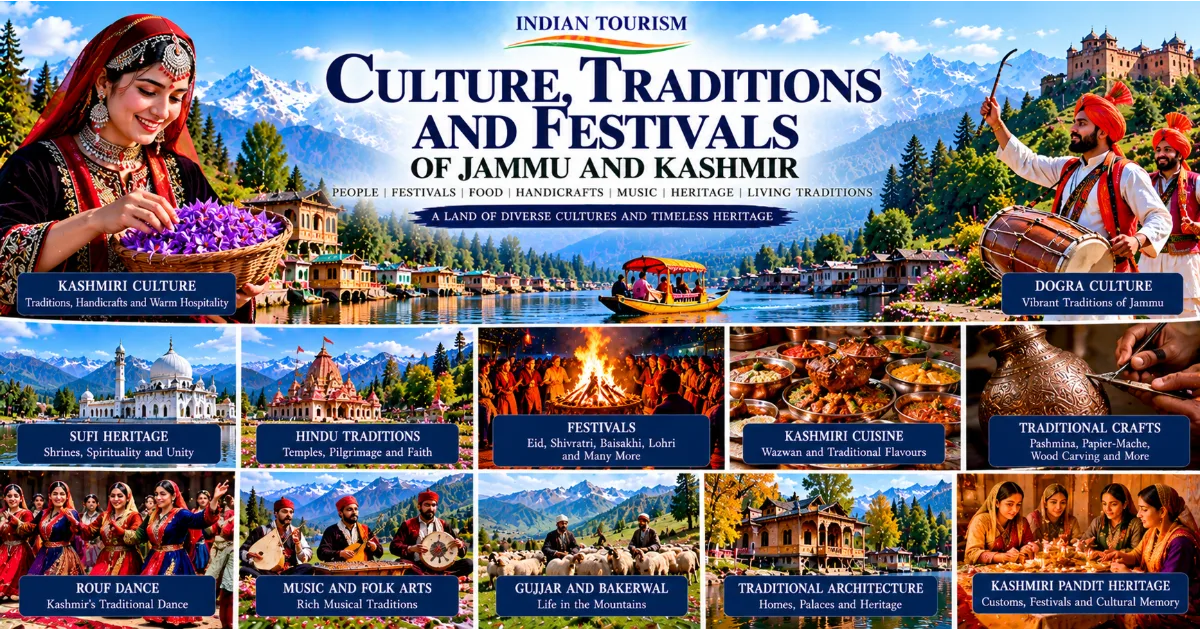
Jammu and Kashmir is a destination celebrated for its snow-covered mountains, peaceful valleys, beautiful lakes, historic landmarks and rich cultural heritage. Yet one of the most memorable ways to understand the region is through its food. From the aromatic dishes of the Kashmir Valley to the traditional meals of the Jammu hills and the distinctive food cultures of mountain communities, the region offers a culinary journey shaped by geography, climate, history and hospitality.
Food in Jammu and Kashmir is much more than a way to satisfy hunger. It is connected to family gatherings, festivals, religious occasions, seasonal changes and the traditions passed from one generation to another. Recipes are often influenced by the ingredients available locally, the weather, the agricultural calendar and the cultural identity of the communities that prepare them.
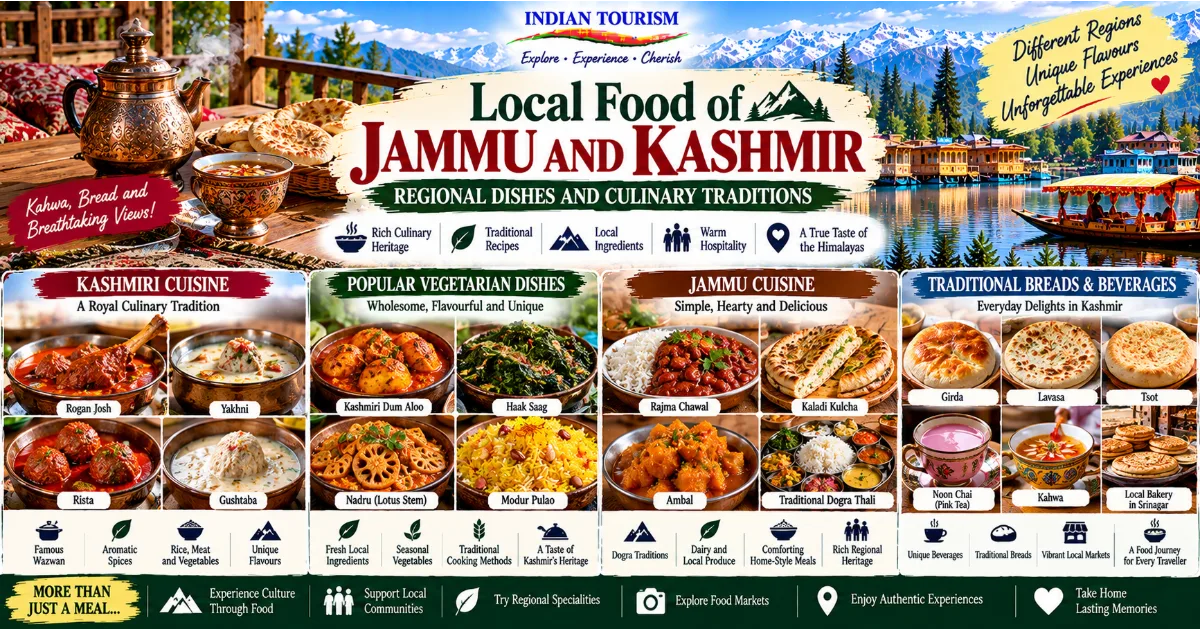
In the Kashmir Valley, rice, aromatic spices, yoghurt-based preparations, vegetables, meat dishes and traditional breads form important parts of the culinary landscape. The region is particularly famous for Wazwan, an elaborate traditional feast associated with Kashmiri hospitality and important gatherings. Dishes such as Rogan Josh, Yakhni, Rista, Gushtaba and Dum Aloo have become widely recognised, although recipes and preparation methods can differ between households and cooks.
The Jammu region has its own distinctive culinary traditions. Dogra food culture includes preparations such as Rajma Chawal, Kaladi Kulcha, Ambal and various seasonal vegetable dishes. The hills and surrounding areas also have food traditions influenced by local agriculture, dairy products, grains, pulses and regional preferences. Different communities maintain their own recipes, and the food found in one district may differ considerably from that of another.
Continue Reading
The wider region also includes high-altitude settlements and rural communities where food habits reflect the demands of mountain life. Ingredients, cooking methods and seasonal availability can differ from those in larger towns. Exploring these differences provides a broader understanding of Jammu and Kashmir than focusing exclusively on the best-known restaurant dishes.
For travellers, local cuisine offers an opportunity to connect with the destination through everyday experiences. A meal in a traditional restaurant, a visit to a local market, a cup of Kashmiri noon chai, freshly prepared bread from a bakery or a family-style meal at a homestay can become a lasting memory.
This guide explores the culinary traditions of Jammu and Kashmir, introducing famous regional dishes, traditional beverages, local ingredients, food markets, dining experiences, seasonal specialities and practical advice for travellers who want to discover the region through its authentic flavours.
1. Understanding the Culinary Diversity of Jammu and Kashmir
Food traditions of the Kashmir Valley
The Kashmir Valley has developed a distinctive culinary identity shaped by its climate, agriculture, cultural exchanges and long history of regional trade. Rice is a staple food, while vegetables, dairy products, meat and aromatic spices contribute to a wide variety of preparations.
Kashmiri cuisine includes both everyday home cooking and elaborate dishes prepared for weddings, celebrations and formal gatherings. The ingredients and techniques used for a family meal may be different from those used for a large ceremonial feast.
The cuisine is often recognised for its careful use of spices. Some dishes rely on the warmth and colour of Kashmiri chilli, while others use fennel, dried ginger, cardamom, cloves or yoghurt to create their characteristic flavours. The objective is not always to produce intense heat. Many traditional dishes are appreciated for their aroma, texture and balance.
Vegetarian food also has an important place in Kashmiri culinary culture. Lotus stem, potatoes, turnips, leafy greens and other vegetables appear in a variety of preparations. Certain dishes have special importance during religious observances, family gatherings and seasonal occasions.
Food traditions of the Jammu region
Jammu's food culture reflects the diversity of its plains, foothills and mountain districts. Dogra culinary traditions are particularly associated with the region, but Jammu is home to multiple communities with their own food preferences and recipes.
Rice, wheat, maize, pulses, dairy products, seasonal vegetables and regional spices all contribute to local cooking. In some areas, maize-based foods are especially important, while rice is widely enjoyed in other parts of the region.
Rajma Chawal is among the most recognisable comfort foods associated with Jammu. Kaladi, a traditional regional cheese, is another speciality that visitors may encounter in local markets and eateries. Ambal, a sweet-and-sour preparation, demonstrates how regional cooking can combine contrasting flavours in a single dish.
The food of Jammu is not limited to a few famous items. Traditional breads, seasonal vegetables, pickles, dairy preparations and home-cooked meals form an equally important part of the region's culinary identity.
Mountain food and local adaptation
In mountain communities, food habits often reflect the availability of ingredients, the length of the growing season and the demands of cold weather. Grains, pulses, dairy products, vegetables and preserved foods may play different roles depending on the settlement and its agricultural practices.
Some rural households maintain recipes that are less familiar to visitors than the dishes served in major tourist centres. The best way to discover these foods is to ask local hosts about regional meals rather than expecting every destination to offer the same menu.
Travellers should remember that Jammu and Kashmir is not a single, uniform culinary region. Food varies across districts, communities and households. This diversity is one of the most rewarding aspects of exploring local cuisine.
2. Wazwan: The Grand Culinary Tradition of Kashmir
Wazwan is one of the most celebrated expressions of Kashmiri culinary heritage. It is an elaborate multi-course feast traditionally associated with weddings, important celebrations and communal hospitality. Its preparation involves specialised skills, careful planning and a deep knowledge of traditional recipes.
A Wazwan is not simply a collection of dishes served together. It is a culinary tradition that brings together cooks, hosts and guests in a structured dining experience. The feast is particularly associated with the work of experienced traditional chefs, often known as wazas, who prepare the dishes using techniques developed and refined over generations.
The cultural meaning of Wazwan
Wazwan represents hospitality, generosity and social connection. At important gatherings, food becomes a way for families to welcome relatives, friends and guests. The feast can involve extensive preparation, and its scale depends on the occasion and the resources of the host.
Traditionally, Wazwan is associated with shared dining arrangements in which several guests eat together. Customs can differ between gatherings and households, but the communal nature of the meal remains an important part of its identity.
For visitors, experiencing Wazwan can offer insight into the relationship between food and social life in Kashmir. It is particularly meaningful when the meal is accompanied by explanations of the dishes, their preparation and the traditions associated with serving them.
Famous dishes served in Wazwan
Rista is a well-known dish made from finely prepared minced meat shaped into round portions and cooked in a richly flavoured gravy. Its smooth texture and distinctive sauce make it one of the recognisable preparations associated with the feast.
Gushtaba is another celebrated dish, traditionally made from finely minced meat and served in a yoghurt-based gravy. It is often associated with the later stages of a Wazwan meal and is appreciated for its rich texture.
Rogan Josh is a famous Kashmiri meat preparation known for its aromatic gravy and deep colour. The recipe varies, but traditional versions often use a combination of spices that provide warmth and fragrance rather than relying only on chilli heat.
Tabak Maaz consists of ribs prepared through a traditional cooking process that gives the meat a distinctive texture. It is a familiar component of many Wazwan menus.
Dhaniwal Korma is associated with coriander and a fragrant sauce, while other preparations may include meatballs, kebabs and dishes using different cuts of meat. The exact combination depends on the feast and the cook.
Vegetarian preparations can also be served alongside the main dishes, and menus vary according to the occasion. Visitors should ask about the menu rather than assuming that every Wazwan contains exactly the same number or selection of courses.
How travellers can experience Wazwan
Travellers can look for reputable Kashmiri restaurants or established catering experiences that offer traditional Wazwan meals. Some experiences may be available through hotels or local hosts, while others require advance arrangements.
A full feast may be substantial, so it is sensible to arrive hungry and allow enough time to enjoy the meal. Ask about serving size, ingredients and dietary requirements before booking.
Wazwan is traditionally meat-centred, which means vegetarian travellers may need to request a different menu. Those who avoid certain ingredients should communicate clearly with the restaurant or host.
The most rewarding experience is one that combines good food with an understanding of the tradition behind it. Rather than judging Wazwan only by the number of dishes served, take time to appreciate the techniques, hospitality and cultural significance involved.
3. Rogan Josh: One of Kashmir's Best-Known Dishes
Rogan Josh is among the most internationally recognised dishes associated with Kashmiri cuisine. It is generally prepared using meat cooked slowly in an aromatic gravy, although recipes differ considerably across restaurants and households.
The dish is known for its colour, fragrance and carefully balanced spices. Kashmiri chilli is often important for colour and flavour, while other ingredients may include dried ginger, fennel, cardamom, cloves and additional seasonings depending on the recipe.
Despite its reputation, Rogan Josh should not be treated as a single standardised preparation. Some versions are richer and more intensely spiced, while others have a lighter gravy. Ingredients and cooking methods can vary according to regional tradition and the preferences of the cook.
What makes traditional Rogan Josh distinctive?
The flavour of a well-prepared Rogan Josh develops through the interaction of meat, spices, fat and slow cooking. The gravy should complement the meat rather than overwhelm it.
The dish is often served with rice, making it a satisfying meal for lunch or dinner. In a traditional Kashmiri meal, it may appear alongside other meat preparations, vegetables or yoghurt-based accompaniments.
Travellers should look for restaurants that describe their food clearly and can explain the style of Rogan Josh they serve. If you prefer a milder dish, ask about the level of spice before ordering.
Where to try it
Srinagar is a convenient place to explore Kashmiri cuisine, with restaurants ranging from simple local establishments to more formal dining venues. Travellers staying in other towns may also find versions of the dish, although availability and preparation can differ.
When dining outside the Kashmir Valley, ask whether the restaurant serves a traditional Kashmiri preparation or a regional adaptation. Both can be enjoyable, but understanding the distinction helps set expectations.
4. Yakhni: A Delicate and Aromatic Kashmiri Preparation
Yakhni is an important dish in Kashmiri cuisine, often associated with meat cooked in a yoghurt-based sauce flavoured with selected spices. Compared with more intensely coloured gravies, many versions of Yakhni are valued for their lighter appearance and subtle aroma.
Fennel, dried ginger and other seasonings may be used, depending on the recipe. The yoghurt contributes a characteristic flavour and texture, while the cooking method helps the ingredients combine into a balanced sauce.
The dish demonstrates that Kashmiri cuisine is not defined only by rich red gravies. It includes preparations that are delicate, fragrant and carefully balanced.
Yakhni is commonly enjoyed with rice. The rice absorbs the sauce, making the combination both comforting and satisfying.
Travellers who enjoy yoghurt-based dishes may find Yakhni especially appealing. However, those with dairy allergies or lactose intolerance should ask about the ingredients and preparation method.
A good way to explore the dish is to compare versions prepared by different restaurants or households. Small differences in seasoning and texture can reveal the influence of individual cooks and regional preferences.
5. Rista and Gushtaba: Traditional Kashmiri Meatball Dishes
Rista and Gushtaba are often mentioned together because both involve carefully prepared minced meat, but they are distinct dishes with different sauces and culinary roles.
Rista
Rista is generally recognised by its round meat portions and deeply coloured gravy. The preparation of the meat requires skill because texture is important to the finished dish.
Traditional methods involve careful preparation of the meat before cooking. The resulting portions are served in a sauce flavoured with spices that give the dish its characteristic colour and aroma.
Rista is frequently included in Wazwan and is also found on menus at restaurants specialising in Kashmiri cuisine.
Gushtaba
Gushtaba is known for its tender meat portions and yoghurt-based gravy. Its texture and flavour distinguish it from Rista, even though both may use minced meat.
The preparation requires attention to the consistency of the meat mixture and the sauce. In traditional feasts, Gushtaba is often associated with the later part of the meal.
How to enjoy these dishes
If you are new to Kashmiri cuisine, trying Rista and Gushtaba in the same meal can provide an interesting comparison. You can observe how the sauces, textures and seasonings differ while the dishes share a broader culinary tradition.
Because both are meat-based preparations, vegetarian travellers should look for alternatives. Guests with dietary restrictions should ask about ingredients, cooking fats and the possibility of cross-contact in the kitchen.
6. Kashmiri Dum Aloo: A Celebrated Vegetarian Favourite
Kashmiri Dum Aloo is a well-known potato dish associated with the region's vegetarian cooking traditions. It is commonly prepared using potatoes cooked in a spiced gravy, although methods and ingredients differ between recipes.
The word dum refers to a cooking technique in which ingredients are cooked slowly, often in a covered vessel, allowing flavours to develop. The exact preparation of Dum Aloo depends on the cook and the culinary tradition being followed.
Kashmiri-style versions may use yoghurt and aromatic spices, while other adaptations can have a different sauce and level of heat. Visitors should be aware that restaurant versions outside the region may be influenced by broader North Indian restaurant styles rather than a specific Kashmiri household recipe.
The dish is a useful introduction to the vegetarian side of Kashmiri cuisine. Potatoes absorb the flavours of the sauce, creating a meal that can be enjoyed with rice or bread.
For vegetarians, Dum Aloo can be part of a wider meal that includes seasonal vegetables, rice and other regional preparations. Ask whether the dish contains onion, garlic, dairy or other ingredients relevant to your dietary preferences.
7. Haak Saag: Everyday Greens in Kashmiri Food Culture
Haak is associated with leafy greens prepared in a relatively simple style that allows the flavour of the vegetable to remain prominent. It is an important example of the everyday foods that help define a cuisine beyond its celebratory dishes.
The preparation can be straightforward, with greens cooked using water, seasonings and cooking fat according to household preference. Some recipes may include additional ingredients, but the defining feature is the vegetable itself.
Haak is often enjoyed with rice. It offers a contrast to rich meat gravies and demonstrates the importance of vegetables in Kashmiri home cooking.
The dish also illustrates the relationship between food and seasonality. The availability and quality of leafy greens can change through the year, and households adapt their cooking accordingly.
Visitors may find Haak in traditional restaurants, but its availability is not guaranteed everywhere. Asking a local host about the vegetables commonly cooked at home can be a useful way to discover dishes that are less prominent on tourist menus.
8. Nadru: The Distinctive Flavour of Lotus Stem
Nadru, or lotus stem, is a familiar ingredient in Kashmiri cuisine. Its texture is distinctive, with a firm structure and characteristic pattern when sliced. It can be prepared in several ways, including fried, curried or combined with other ingredients.
Lotus stem has a particular place in the food culture of the Kashmir Valley, where it is associated with local cooking and markets. Its presence reflects the relationship between regional cuisine and the natural environment.
One preparation uses lotus stem in a spiced gravy, while another may involve frying slices until they develop a crisp exterior. The exact method depends on the dish and the cook.
For travellers, Nadru offers a chance to try an ingredient that may be less common in their everyday meals. Its texture is quite different from that of potatoes or leafy greens, making it an interesting part of a regional food journey.
When ordering, ask how the lotus stem has been prepared and whether the dish is vegetarian. Restaurants may use different cooking fats or combine ingredients in ways that are not obvious from the name alone.
9. Modur Pulao: Sweetness and Fragrance in Kashmiri Rice
Modur Pulao is a traditional Kashmiri rice preparation known for its gentle sweetness and aromatic character. Depending on the recipe, it may include ingredients such as saffron, nuts, dried fruits and selected spices.
The dish demonstrates the versatility of rice in the region's cuisine. Rice is not limited to plain accompaniments for curries. It can also be prepared as a fragrant dish in which sweetness, aroma and texture play important roles.
Modur Pulao may be served during special occasions or as part of a larger meal, although availability varies among restaurants and households.
Travellers who enjoy rice dishes with sweet and savoury elements may find it a memorable choice. Because recipes differ, ask about the ingredients and level of sweetness before ordering.
Saffron is associated with parts of Kashmir's agricultural heritage and is valued for its colour and aroma. However, not every dish advertised as Kashmiri or saffron-flavoured necessarily contains a substantial quantity of authentic saffron. When the ingredient matters to you, ask the restaurant about its preparation.
10. Kashmiri Bread: The Tradition of Local Bakeries
Bread has a visible place in everyday life across parts of Kashmir. Traditional bakeries, often known as kandur shops, produce breads that accompany tea, breakfast and other meals.
The variety of bread depends on the bakery, location and time of day. Different shapes, textures and preparation methods serve different purposes, and some breads are associated with particular meals or occasions.
Girda
Girda is a traditional Kashmiri bread that is commonly enjoyed with tea. It is often associated with breakfast and can be eaten with butter, cheese or other accompaniments according to personal preference.
Lavasa
Lavasa is another traditional bread found in the region. It is generally flatter than some other varieties and is suitable for accompanying meals or tea.
Tsot and other local breads
Local bakeries may offer additional varieties with distinctive shapes and textures. Names and availability can vary, and travellers may encounter different bread traditions from one town to another.
Visiting a traditional bakery
A bakery visit can be a simple but rewarding travel experience. Travellers can observe the range of breads on display, ask which varieties are freshly prepared and learn how locals usually eat them.
Early morning is often a useful time to explore bakeries because bread is an important part of breakfast in many households. However, opening hours vary, so visitors should ask their host about local routines.
When photographing bakers or working areas, request permission first. These establishments are workplaces, and respecting the people who run them is as important as appreciating the food.
11. Kahwa: Kashmir's Aromatic Traditional Beverage
Kahwa is one of the best-known beverages associated with Kashmir. It is traditionally prepared using green tea leaves and aromatic ingredients, which may include cardamom, cinnamon, saffron and nuts depending on the recipe.
The precise combination varies across households and establishments. Some versions are lightly sweetened, while others may have a stronger spice profile. The beverage is appreciated for its fragrance and warmth, making it particularly appealing during cold weather.
Kahwa is often served to guests as a gesture of hospitality. It can accompany conversation, traditional meals or quiet moments while enjoying the surrounding landscape.
Travellers can try Kahwa at tea shops, restaurants, hotels and homestays. A family-run accommodation may provide an opportunity to ask about the household's preferred recipe.
Saffron is sometimes included, but the ingredients and quality differ between preparations. Visitors should not assume that every cup contains saffron simply because it is sold as Kashmiri Kahwa.
For a more complete experience, enjoy the beverage slowly and ask the host about its place in local hospitality. A cup of tea can reveal as much about the rhythm of daily life as a visit to a major attraction.
12. Noon Chai: Kashmir's Distinctive Pink Tea
Noon chai, also called Kashmiri pink tea, is a distinctive beverage known for its unusual colour and savoury flavour. Unlike many sweet milk teas, traditional preparations are commonly associated with salt, although recipes and individual preferences can vary.
The preparation involves a particular tea-making process that produces the characteristic colour when the ingredients and conditions are suitable. Milk is generally added, and some versions may include additional ingredients according to local practice.
Noon chai is often enjoyed with traditional breads. The combination can form part of a leisurely breakfast or an afternoon break.
Travellers unfamiliar with the beverage may find its flavour different from what they expect. Rather than assuming it will taste like sweet tea, approach it as a separate culinary tradition.
The colour and taste can vary depending on the recipe and preparation method. If a cup is not as pink as expected, that does not necessarily mean it is inauthentic.
Trying Noon chai alongside Girda or another local bread is a useful way to explore an everyday food tradition. Ask your host how the tea is usually served in their household and whether it is commonly consumed at a particular time of day.
13. The Food of Jammu: Rajma Chawal and Regional Comfort Meals
Rajma Chawal is one of the most recognisable comfort foods associated with Jammu. The dish combines kidney beans cooked in a flavourful gravy with rice, creating a satisfying meal that is enjoyed in homes and eateries.
Rajma varieties, cooking methods and seasonings differ across households. The beans are generally cooked until tender, allowing them to absorb the flavours of the gravy. The dish is often served with rice and may be accompanied by yoghurt, pickles or other sides.
The popularity of Rajma Chawal illustrates how everyday food can become an important part of regional identity. It does not require an elaborate setting or formal celebration. A well-prepared meal can provide a sense of familiarity and comfort for residents and visitors alike.
Exploring Rajma in local eateries
Travellers can look for Rajma Chawal at local restaurants, small eateries and family-run establishments. Ask whether the dish is prepared fresh and what accompaniments are normally served.
The flavour can differ significantly from one kitchen to another. Some versions may be richer or more heavily spiced, while others have a simpler home-cooked style.
For visitors who prefer vegetarian meals, Rajma Chawal is often a practical choice. However, those with allergies or dietary restrictions should still confirm ingredients and preparation methods.
A visit to Jammu is incomplete for many food enthusiasts without trying the region's familiar bean-and-rice combination. It is an accessible introduction to the area's culinary traditions.
14. Kaladi Kulcha: A Speciality of the Jammu Region
Kaladi is a traditional regional cheese associated with the Jammu hills and surrounding areas. It has a distinctive texture and flavour, and its preparation and serving style can vary.
One popular way to enjoy it is in Kaladi Kulcha, where the cheese is cooked and served with bread. Depending on the vendor, it may be prepared with seasonings or accompaniments that enhance its flavour.
The cheese is valued for its characteristic texture when cooked. It may develop a browned exterior while remaining soft inside, although the result depends on the preparation method and the type of Kaladi used.
Where to look for Kaladi Kulcha
Travellers can ask local residents, food vendors or accommodation hosts where Kaladi is commonly prepared in the area they are visiting. Availability may differ between Jammu city and the surrounding hill districts.
A busy local eatery can be a good place to discover how the dish is served in everyday life, but cleanliness and food handling should always be considered when choosing a place to eat.
Visitors should also be aware that Kaladi is a dairy product. People with milk allergies should avoid it, and those with dietary restrictions should ask about the ingredients used in the accompanying bread or sauces.
Kaladi Kulcha is more than a convenient snack. It provides a taste of the region's dairy traditions and demonstrates how a local ingredient can become an emblematic part of a destination's food culture.
15. Ambal: A Sweet-and-Sour Dogra Preparation
Ambal is associated with Dogra cuisine and is recognised for its sweet-and-sour flavour. It is often prepared using pumpkin, although ingredients and methods may vary between households.
The dish combines contrasting flavours in a way that can complement the rest of a meal. The sweetness of the main ingredient interacts with sourness and seasoning to create a distinctive result.
Ambal demonstrates the diversity of regional cooking in Jammu. While many visitors associate Indian food primarily with rich gravies or spicy curries, traditional regional meals often include preparations that balance sweet, sour, salty and savoury elements.
The exact ingredients depend on the cook. Travellers should ask whether a particular version contains sugar, jaggery, tamarind or other ingredients relevant to their preferences.
Ambal may be available in traditional restaurants or through home-style food experiences, although it is not guaranteed on every menu. If you are staying with a local family, asking about seasonal vegetable preparations may lead to an opportunity to try this dish.
16. Kaladi, Dairy Products and the Food Culture of the Hills
Dairy products are an important part of many food traditions across Jammu and Kashmir. Milk, yoghurt, butter, cheese and other preparations appear in everyday meals, although their importance differs by community and location.
Kaladi is especially associated with parts of the Jammu hills. Its local identity makes it an interesting food for travellers who want to explore ingredients beyond the best-known restaurant dishes.
In mountain communities, the availability of dairy products may be linked to local livestock practices, household production and the agricultural calendar. The way dairy is prepared and consumed can differ according to altitude, climate and local preference.
Visitors should avoid assuming that all dairy products labelled as traditional are made using the same method. Ask sellers about the product's origin and how it is usually prepared.
If you are interested in rural food culture, a homestay may provide an opportunity to learn about the place of dairy products in household cooking. Such experiences should be arranged with the host and should respect the family's routine.
17. Seasonal Vegetables and Home Cooking
Seasonality is a major influence on regional food. The vegetables available in a market or household can change according to the weather, growing conditions and local agricultural practices.
In the Kashmir Valley, vegetables such as turnips, leafy greens, lotus stem and other seasonal produce contribute to everyday cooking. In Jammu, the selection varies across plains, foothills and higher settlements.
Home cooking often reflects practical decisions about what is available, affordable and suitable for the season. Recipes are adapted according to household preferences, and the same vegetable may be prepared in different ways.
Travellers who want to understand local cuisine should not focus only on dishes with established names. A simple seasonal vegetable preparation can reveal the ingredients and techniques that people use every day.
When eating at a homestay, ask which vegetables are currently in season and whether a particular dish is commonly prepared at that time of year. These conversations can help visitors understand the relationship between food, climate and local agriculture.
18. Traditional Food Markets and Bakeries in Srinagar
Srinagar provides a convenient setting for exploring regional food because it brings together traditional markets, bakeries, restaurants and shops selling local ingredients.
Explore markets with curiosity
Markets can reveal the ingredients that shape local cooking. Depending on the season and location, visitors may encounter vegetables, fruit, spices, dried ingredients, bakery products and other food items.
Observe how ingredients are displayed and ask vendors about unfamiliar products when they are not busy. Avoid touching produce unnecessarily or blocking work areas while taking photographs.
Markets are working places, not just tourist attractions. Buying something small, such as bread, fruit or a locally produced food item, can make the visit more engaging while supporting local traders.
Visit a traditional bakery
A bakery visit provides a different perspective on everyday life. The breads produced by local bakers are often connected to regular meal routines, and observing the variety can help visitors understand how food is organised throughout the day.
Ask your host which bakery is known locally and what time fresh bread is usually available. Different bakeries may specialise in different products, and opening hours can vary.
Purchase food products thoughtfully
Visitors may want to purchase spices, dried fruits, nuts or other regional food products as souvenirs. Buy from sellers who can explain the product and its origin, and check packaging and freshness.
Before carrying food across state or international borders, review applicable transport and customs rules. Some products may have restrictions, and certain items require suitable packaging for travel.
19. Food Tourism in Pahalgam, Gulmarg and Other Popular Destinations
The major tourist destinations of Jammu and Kashmir offer opportunities to enjoy local cuisine alongside sightseeing. However, menus can vary, and visitors should not expect every restaurant in a popular resort town to specialise in regional food.
Pahalgam
Pahalgam is known for its mountain scenery and outdoor experiences. Travellers can use their stay to explore local restaurants and ask hosts about traditional meals available in the area.
A food-focused visit should be planned around the time available for sightseeing. It can be rewarding to try a regional dish at lunch and reserve the evening for a relaxed meal rather than spending the entire day travelling between food stops.
Gulmarg
Gulmarg attracts visitors for its mountain environment and seasonal activities. Cold weather can make warm meals and hot beverages especially appealing.
Travellers should check restaurant opening hours and availability during their visit, particularly outside busy periods. A hotel restaurant may be convenient, while a local eatery can offer a different perspective on regional food.
Sonamarg
Sonamarg's mountain landscape makes it a popular destination for nature-focused travel. Food options and opening schedules may be more limited than in a larger city, depending on the season.
Visitors should confirm meal arrangements in advance if staying overnight or travelling during a quieter period. Carrying suitable snacks can be helpful during long excursions, but food waste should never be left in natural areas.
Jammu city
Jammu city offers opportunities to explore Dogra food traditions, including Rajma Chawal, Kaladi-based preparations and other local dishes. Travellers can ask residents which neighbourhood eateries serve regional specialities rather than relying entirely on familiar chain restaurants.
The experience of eating in a busy local establishment can be as memorable as dining at a formal restaurant, provided food safety and cleanliness are taken seriously.
20. Vegetarian Food in Jammu and Kashmir
Vegetarian travellers can find a variety of regional foods in Jammu and Kashmir, although the options depend on the location and restaurant.
In the Kashmir Valley, vegetarian dishes may include Dum Aloo, Haak, lotus stem preparations, seasonal vegetables, rice dishes and breads. In Jammu, travellers may find Rajma Chawal, seasonal vegetable preparations, dairy-based dishes and traditional breads.
Many restaurants offer vegetarian versions of familiar meals, but the ingredients used in sauces and cooking fats may not be obvious. Visitors who follow strict vegetarian practices should ask whether a dish contains meat stock, animal fats or other ingredients they avoid.
A homestay can be particularly useful because meals may be discussed directly with the host before arrival. Communicate requirements clearly and provide enough notice for the household to plan suitable ingredients.
Vegetarian visitors should also be realistic about availability in remote areas. A small village may have fewer restaurants and less variety than Srinagar or Jammu city. Confirming meal arrangements in advance can prevent unnecessary difficulty.
21. Food Safety and Dietary Considerations for Travellers
Exploring local food is one of the pleasures of travel, but sensible precautions help keep the experience enjoyable.
Choose establishments where food is handled hygienically and served at appropriate temperatures. Pay attention to cleanliness, food turnover and the general condition of the kitchen or serving area when visible.
Drink water from a source you trust. If you are uncertain about the safety of local water, choose properly sealed bottled water or another verified safe option. Reusable bottles can be refilled where reliable drinking-water facilities are available.
Travellers with food allergies should communicate them clearly before ordering. Explain the specific ingredient and ask whether the kitchen can prevent cross-contact. If the restaurant or host cannot provide a reliable answer, choose a safer alternative.
People with medical dietary requirements should plan ahead, particularly when visiting remote settlements. Carry essential medication and any emergency supplies recommended by a qualified healthcare professional.
It is also sensible to introduce unfamiliar or rich foods gradually if you are not accustomed to them. A traditional feast can contain many dishes, and sampling smaller portions allows you to enjoy the variety without overindulging.
22. A Three-Day Culinary Journey Through Jammu and Kashmir
A short food-focused trip can introduce visitors to both Kashmiri and Dogra culinary traditions. The following itinerary is illustrative and should be adjusted according to travel time, restaurant availability and personal preferences.
Day One: Explore Srinagar's Food Culture
Begin with a traditional breakfast featuring local bread and a cup of Kahwa or Noon chai. Spend the morning exploring a market or bakery, paying attention to the ingredients and foods that residents purchase.
For lunch, choose a restaurant that serves regional dishes. Depending on your preferences, you might try a vegetarian preparation such as Dum Aloo or a traditional meat dish such as Rogan Josh.
In the afternoon, learn about Kashmiri beverages and local food products. Ask a host or guide about the significance of Wazwan and how it differs from everyday home cooking.
Finish the day with a relaxed dinner and allow time to enjoy the meal rather than rushing between restaurants.
Day Two: Discover the Wider Kashmir Valley
Travel to a suitable destination such as Pahalgam or another accessible location, after confirming road conditions and transport arrangements.
Try local food at a reputable restaurant or ask your accommodation host about regional specialities. If staying in a village, discuss meal options in advance and consider a home-cooked dinner.
Use the day to observe how food offerings change between the city and the countryside. Differences in menu selection, ingredients and dining routines can provide useful insight into the region's culinary diversity.
Day Three: Explore Jammu's Regional Flavours
If your travel schedule permits, plan a separate visit to Jammu rather than attempting to combine distant locations in a single rushed day. The journey between the Kashmir Valley and Jammu requires appropriate travel time.
Explore local eateries and look for Rajma Chawal, Kaladi Kulcha and other Dogra specialities. Ask residents which dishes are associated with their family or region.
A three-day trip may not be enough to explore the full culinary diversity of Jammu and Kashmir, but it can provide a useful introduction. A longer visit allows more time to discover rural food traditions and regional differences.
23. Bringing Local Food Traditions Home
Food memories often remain long after a holiday ends. Travellers may want to recreate a favourite dish, purchase regional ingredients or learn more about the cooking techniques they encountered.
A good starting point is to ask a restaurant or host about the ingredients and general preparation method of a dish you enjoyed. Not every recipe will be shared in full, and some traditional methods require experience or specialised equipment.
When purchasing spices, dried fruits or other food products, choose reputable sellers and check the packaging, freshness and storage requirements. Keep receipts and ensure that the products comply with any travel restrictions.
Cooking regional food at home can be an enjoyable way to remember a trip, but recipes may need adaptation according to the ingredients available. A dish prepared in Kashmir may taste different when made with different varieties of rice, vegetables, spices or dairy products.
It is also worth remembering that culinary traditions belong to the communities that maintain them. When sharing a recipe or describing a dish, credit the region and tradition accurately rather than presenting a local speciality as a generic discovery.
24. Responsible Food Tourism and Supporting Local Producers
Food tourism can contribute to local livelihoods when travellers make thoughtful choices about where they eat and what they buy.
Family-run restaurants, traditional bakeries, small food shops, local farmers and artisans can all benefit from tourism spending. Choosing these businesses when appropriate helps distribute tourism income beyond large commercial establishments.
However, local businesses should not be judged solely by whether they offer an experience designed for tourists. Many of the most valuable food traditions are part of ordinary daily life and may not come with elaborate presentations.
Pay agreed prices, avoid wasting food and treat restaurant staff, vendors and hosts respectfully. If you book a special meal or culinary experience, confirm the cost and what is included before arriving.
Food waste deserves particular attention in mountain destinations where collection and disposal systems may be limited. Order according to your appetite, request smaller portions when possible and carry away any waste that cannot be disposed of properly.
When photographing food producers or workers, ask permission and avoid interfering with their work. Responsible food tourism recognises that the people who grow, prepare and sell food deserve respect and fair treatment.
Conclusion: A Culinary Journey Through the Heart of Jammu and Kashmir
The food of Jammu and Kashmir tells a story of landscapes, communities, family traditions and cultural exchange. From the elaborate preparations of Kashmiri Wazwan to the comforting simplicity of Rajma Chawal in Jammu, every part of the region contributes something distinctive to its culinary identity.
Rogan Josh, Yakhni, Rista, Gushtaba, Dum Aloo, Haak and Nadru introduce visitors to the variety of Kashmiri cooking. Kahwa and Noon chai offer a taste of traditional hospitality, while local breads provide a connection to everyday routines. In the Jammu region, Kaladi Kulcha, Ambal and regional home-cooked meals demonstrate the richness of Dogra food traditions.
The most rewarding culinary journey is not necessarily the one with the longest list of dishes. It is the one that allows travellers to understand where food comes from, how it is prepared and what it means to the people who share it.
Visit traditional bakeries, explore local markets, speak respectfully with food vendors, ask homestay hosts about seasonal dishes and take time to enjoy each meal. Remain open to unfamiliar flavours, communicate dietary requirements clearly and support local businesses through fair and thoughtful spending.
Jammu and Kashmir offers a culinary experience that extends far beyond its famous tourist attractions. Its food brings together memory, hospitality, agriculture and regional identity in ways that can make a journey more personal and meaningful.
For anyone planning a visit, discovering local cuisine is an essential part of understanding the region. Every meal offers another opportunity to explore its diversity, appreciate its traditions and connect with the people who keep those traditions alive.
#IndianTourism #JammuAndKashmir #KashmiriCuisine #DograCuisine #KashmirFood #JammuFood #Wazwan #RoganJosh #Kahwa #NoonChai #KaladiKulcha #RajmaChawal #IndianFoodCulture #RegionalCuisine #FoodTourism #ExploreIndia