
Discover the Natural Beauty of Pahalgam
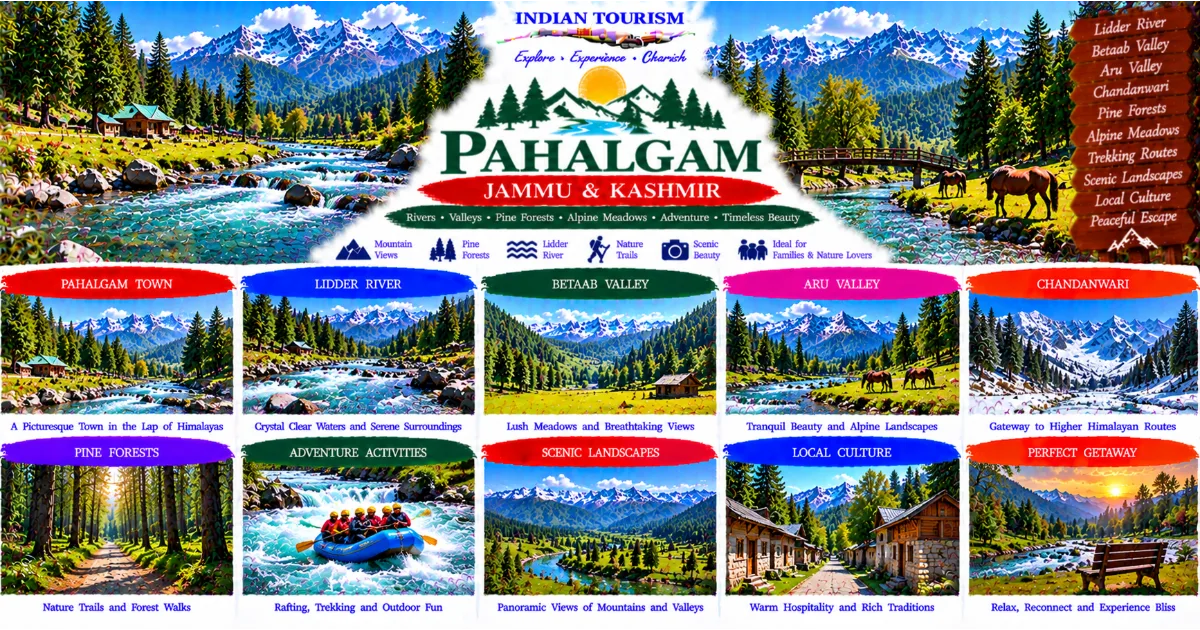
Pahalgam is one of the most celebrated destinations in Jammu and Kashmir, known for its mountain scenery, flowing rivers, pine forests, green meadows and peaceful surroundings. Located in the Anantnag district of the Kashmir Valley, this picturesque town attracts travellers who want to experience the natural beauty of the Himalayas while enjoying opportunities for sightseeing, photography, outdoor recreation and cultural exploration. Its landscape changes considerably with the seasons, giving visitors different reasons to return throughout the year.
Unlike destinations centred on a single monument or attraction, Pahalgam offers a collection of landscapes that can be explored at different paces. The Lidder River runs through the area, adding movement and sound to the valley. Forested slopes rise above the settlements, while nearby meadows and mountain routes reveal wider views of the surrounding Himalayan environment. The combination makes Pahalgam attractive to families, couples, nature lovers, photographers and travellers interested in outdoor experiences.
Pahalgam is also a useful base for exploring several well-known places in the region. Betaab Valley, Aru Valley and Chandanwari are among the destinations commonly associated with visits to Pahalgam. Each offers a different experience, from open meadows and river scenery to mountain landscapes and routes leading towards higher elevations. Access to particular areas and activities can depend on weather, road conditions, local regulations and seasonal arrangements.
For travellers exploring South Kashmir, Pahalgam can complement the historical attractions of Martand Sun Temple, the landscaped surroundings of Achabal Mughal Garden and the springs of Kokernag and Verinag. This combination provides a broader picture of Kashmir, where cultural heritage and natural landscapes exist within the same region.
This guide explores Pahalgam’s geography, attractions, seasonal beauty, travel options, local food, photography opportunities and practical advice for planning a memorable visit.
Understanding Pahalgam and Its Natural Setting
A Himalayan Valley Shaped by Mountains and Water
Pahalgam lies within a mountain landscape shaped by rivers, forests, meadows and changing elevations. Its natural setting gives the town a distinctive atmosphere compared with larger urban destinations in Kashmir. The surrounding hills create a dramatic backdrop, while the river and vegetation soften the landscape with movement and colour.
The region’s beauty is closely connected to its water systems. Mountain streams and rivers carry water through the valleys, supporting vegetation and influencing the character of the surrounding land. The Lidder River is one of Pahalgam’s most recognisable natural features, and its presence contributes significantly to the destination’s identity.
Visitors can appreciate the landscape from roadside viewpoints, riverbanks and designated walking areas. The appearance of the water and surrounding vegetation varies with rainfall, snowmelt and the season. During periods of stronger flow, the river may appear more energetic, while quieter conditions can create opportunities to observe reflections and the details of the riverbanks.
The river should always be treated with respect. Water conditions can change quickly, and even apparently calm sections may have strong currents, slippery rocks or sudden changes in depth. Visitors should remain within permitted areas and follow local safety instructions.
Forests and Mountain Vegetation
Pahalgam is associated with extensive coniferous forests and mountain vegetation. Pine and other conifer trees create deep green slopes, while changes in elevation support different types of plant life. During summer, the contrast between forested hills, open meadows and the river gives the landscape much of its visual appeal.
The forests also influence the atmosphere of the region. Shaded stretches feel different from open valley floors, and the scent of trees after rain can become part of the travel experience. Visitors who enjoy nature photography may find interest in the details of bark, needles, fallen leaves, wildflowers and the changing patterns of light beneath the canopy.
The surrounding vegetation should not be treated as a space for unrestricted exploration. Stay on established paths where available, avoid damaging plants and do not collect wildflowers or other natural materials from protected areas.
The Importance of Seasonal Change
Pahalgam changes significantly through the year. Spring brings fresh growth and gradually warming conditions. Summer generally offers comfortable weather for outdoor sightseeing, although temperatures and conditions vary with elevation. Autumn can introduce warm colours to the landscape, while winter may bring snow, colder temperatures and restrictions on certain routes.
These changes affect not only the appearance of the valley but also the activities available to visitors. A trail that is suitable in summer may become difficult or inaccessible during winter. A meadow that is lush in warmer months may look entirely different under snow.
Travellers should therefore choose their dates according to their interests and verify current conditions before making firm plans. Photographs from a previous season do not necessarily reflect what a visitor will find on a particular day.
The Lidder River: The Heart of Pahalgam’s Landscape
A River That Defines the Destination
The Lidder River is one of the central features of Pahalgam. Its flowing water, rocky edges and surrounding vegetation create a landscape that visitors often associate with the town. The river also provides a natural point of reference when exploring the wider area.
For many travellers, spending time near the Lidder is one of the simplest and most enjoyable parts of a visit. The sound of flowing water offers a contrast to the movement of traffic and busy tourist areas. In suitable locations, visitors can pause to observe the river, take photographs or enjoy the surrounding scenery.
The experience changes with the light. Morning can bring a quieter atmosphere, while late afternoon may produce warmer tones across the rocks and vegetation. Overcast conditions can emphasise the texture of the water and the surrounding landscape.
Visitors should use designated access points and avoid approaching unstable banks. Do not enter the water unless an activity is explicitly permitted and supervised under appropriate safety arrangements.
Photography Along the River
The river provides a range of photographic possibilities. Wide images can show the relationship between the water, trees and mountains, while close-up compositions can focus on ripples, rocks and reflections.
Try photographing the river from different permitted viewpoints rather than relying on one familiar angle. A view that includes the surrounding hills can communicate the scale of the landscape, while a lower viewpoint may emphasise the movement of the water.
Avoid standing on slippery rocks to obtain a dramatic composition. A safe viewpoint is more important than a photograph, particularly when water levels are high or the ground is wet.
Enjoying the River Responsibly
The Lidder is part of a wider natural environment that supports vegetation, wildlife and local livelihoods. Littering, disturbing wildlife and entering restricted areas can damage the landscape and affect other visitors.
Carry rubbish until it can be disposed of properly. Avoid throwing food, plastic or other materials into the river. Visitors should also resist the temptation to build cairns, move rocks or alter the riverbank for photographs.
Responsible behaviour helps preserve the river as a natural attraction for future generations.
Betaab Valley: Meadows, River Scenery and Mountain Views
Discovering Betaab Valley
Betaab Valley is among the most familiar excursions associated with Pahalgam. Known for its open landscapes, mountain backdrop, vegetation and flowing water, it offers a setting that appeals to families, photographers and visitors seeking scenic surroundings.
The valley is commonly included in sightseeing itineraries because its landscape provides a different perspective from the more built-up parts of Pahalgam. Open meadows create broad views, while trees and water add visual variety. The surrounding mountains give the setting a distinctly Himalayan character.
The valley’s appearance depends on the season. Warmer months generally bring more greenery, while colder periods can change the landscape considerably. Visitors should check current access arrangements and local rules before travelling.
What to See and Do in Betaab Valley
The main attraction is the landscape itself. Visitors can explore permitted walking areas, enjoy the views and photograph the relationship between the meadow, trees and surrounding hills.
A leisurely visit allows time to notice smaller details that may be missed during a hurried stop. The changing light across the mountains, the movement of clouds and the contrast between open grassland and forested slopes can make the experience rewarding even without organised activities.
Families should supervise children near water and uneven ground. Visitors should remain within permitted areas and avoid damaging the grass or vegetation.
Photography Tips for Betaab Valley
Wide-angle photography can be effective when the meadow and mountains are both visible. Including a foreground element, such as a path or a section of river, can help create a sense of depth.
In bright weather, the contrast between sunlit grass and shaded slopes may be strong. Morning and late afternoon can provide softer light, although weather conditions determine the final result.
For travel content, include a mixture of landscape photographs and closer details. Images of trees, water and seasonal vegetation can help communicate the atmosphere of the valley rather than presenting it only as a distant mountain view.
Aru Valley: A Gateway to Alpine Landscapes
The Character of Aru Valley
Aru Valley is another well-known destination near Pahalgam. It is appreciated for its mountain setting, open meadows, surrounding forests and access to outdoor routes. Compared with the main town, Aru can feel more closely connected to the landscape, although visitor activity and facilities vary by season.
The valley attracts people interested in nature, photography and mountain scenery. It also serves as a starting point for certain trekking routes, subject to permits, weather, local rules and the availability of qualified guides where required.
Aru’s appeal comes from the variety of views available within a relatively compact landscape. Open spaces create broad panoramas, while forested slopes and mountain streams add smaller points of interest.
Walking and Exploring the Surroundings
Visitors who prefer gentle sightseeing can enjoy designated walking areas and viewpoints. Those planning longer treks should make arrangements appropriate to the route, their fitness and the season.
Mountain environments require preparation. Weather can change quickly, temperatures may fall at higher elevations and trails may become slippery after rain. Do not begin a demanding walk without checking current conditions and understanding the route.
If a guide is required or recommended for a particular trail, use a reputable local provider. Carry appropriate clothing, water and essential supplies, and let someone know your intended route.
Aru for Nature Lovers
Aru is particularly attractive to visitors who enjoy observing the natural environment. The transition between forest, meadow and mountain scenery creates a varied setting for photography and quiet exploration.
The best experience does not require travelling far from established paths. A short walk in a suitable area can provide opportunities to observe vegetation, listen to birds and appreciate the scale of the surrounding mountains.
Avoid disturbing wildlife, leaving food waste or collecting plants. The landscape should be experienced with care rather than treated as an unrestricted recreational space.
Chandanwari: Mountain Scenery and Seasonal Access
Understanding Chandanwari
Chandanwari is a recognised destination in the wider Pahalgam region and is associated with mountain scenery and routes used during the annual Amarnath Yatra. Its setting and seasonal character make it different from the meadows and riverside areas closer to the town.
The destination can be affected by weather, snow conditions and arrangements connected with pilgrimage activity. Access may vary, and travellers should not assume that roads or routes will remain open throughout the year.
Visitors interested in going to Chandanwari should confirm the current transport arrangements and any restrictions before departure. Local advice is particularly important during winter, periods of heavy snowfall and the pilgrimage season.
Enjoying the Mountain Environment
When access is available, visitors can appreciate the surrounding mountain landscape and the changing relationship between vegetation, rocky slopes and open sky. The area can provide a different perspective on the geography around Pahalgam.
Conditions may be colder and more exposed than in the main town. Carry suitable clothing and avoid underestimating the effects of wind, rain or altitude.
Do not leave designated routes or approach unstable slopes for photographs. Mountain scenery can appear inviting while still presenting hazards that are not obvious from a distance.
Planning Around Seasonal Conditions
Chandanwari should be treated as a conditional excursion rather than a guaranteed stop. Road access, local restrictions and weather can influence whether the journey is practical on a particular day.
Build flexibility into the itinerary. If access is restricted, choose another destination within the area rather than attempting to bypass barriers or continue along an unsafe route.
Best Time to Visit Pahalgam
Spring: Fresh Greenery and a New Season
Spring marks the gradual return of greenery to the Pahalgam landscape. As temperatures rise, the surrounding hills and valleys begin to change after winter. The season can be appealing for travellers who enjoy fresh vegetation, quieter landscapes and the transition from cold weather to milder conditions.
Early spring may still bring cold mornings and occasional difficult weather. Some higher routes may remain affected by snow, so travellers should check the accessibility of individual attractions rather than assuming that every excursion is available.
Spring suits visitors who want to explore the town, enjoy riverside views and experience the changing landscape without relying entirely on summer activities.
Summer: A Popular Season for Sightseeing
Summer is generally one of the most popular periods for visiting Pahalgam. The weather is often suitable for outdoor sightseeing, and the surrounding meadows and forests can appear especially green.
This is a useful season for visitors planning to explore Betaab Valley, Aru Valley and other accessible destinations. Longer daylight hours provide more flexibility for road journeys and photography.
Popular periods can also bring greater visitor numbers, traffic and pressure on accommodation. Booking suitable lodging in advance is sensible during busy dates. Travellers should allow extra time for transport and avoid trying to visit too many places in one day.
Autumn: Warm Colours and Clear Views
Autumn can bring a distinctive atmosphere to the Kashmir Valley. Depending on local conditions, trees and vegetation may develop warm colours, while cooler temperatures make walking pleasant during parts of the day.
Pahalgam’s landscape can look particularly attractive when seasonal colours contrast with evergreen forests and mountain scenery. Photographers may appreciate the combination of changing foliage, clear skies and softer light.
Carry warm layers because mornings and evenings can become cold. The appearance of autumn foliage varies each year, so exact colour conditions cannot be guaranteed.
Winter: Snow, Cold Weather and a Different Landscape
Winter changes the experience of Pahalgam considerably. Snow may cover parts of the landscape, temperatures can fall sharply and some routes or activities may become unavailable.
Travellers seeking winter scenery should confirm road access, accommodation arrangements and current weather conditions before setting out. Snowfall can affect transport, and icy surfaces may make walking difficult.
Use appropriate winter clothing and footwear. Do not attempt remote walks or mountain routes without suitable preparation and reliable local advice.
How to Reach Pahalgam
Reaching Pahalgam from Srinagar
Srinagar is the principal entry point for many travellers exploring Kashmir. Visitors arriving by air commonly use the city as the starting point for a road journey towards Pahalgam.
The drive passes through the Kashmir Valley and continues towards the Anantnag district. Journey duration depends on traffic, weather, road conditions and the precise starting point. Travellers should check current conditions before departure and avoid relying on a single fixed estimate.
A private taxi or hired vehicle offers flexibility for visitors who want to stop along the way or explore several destinations. Public transport may also be an option, but schedules and onward connections should be confirmed locally.
Reaching Pahalgam from Anantnag
Anantnag is an important regional centre and can serve as a base for travellers exploring South Kashmir. Visitors staying in the area may be able to arrange a road journey to Pahalgam and combine it with other attractions.
The route and travel time depend on the starting point and current road conditions. If visiting several destinations in one day, plan the sequence carefully and allow time for meals, rest stops and unexpected delays.
Choosing Transport Within Pahalgam
Transport arrangements within Pahalgam and for excursions to nearby valleys may differ from ordinary town travel. Some routes can be subject to local regulations, designated vehicle arrangements or seasonal restrictions.
Before booking an excursion, ask the accommodation provider or a reputable local transport operator about current access rules, costs and the type of vehicle required. Confirm whether the quoted arrangement covers the return journey and any waiting time.
Avoid assuming that a vehicle used for the main journey will be permitted on every local route.
Where to Stay in Pahalgam
Choosing Accommodation Near the Town Centre
Staying near the main town can be convenient for travellers who want access to restaurants, shops, transport arrangements and common sightseeing starting points. It can also reduce the effort involved in organising meals and short excursions.
Visitors should compare accommodation according to budget, cleanliness, heating arrangements, access and recent reviews. Facilities that seem unimportant during summer may become essential in colder weather.
During busy travel periods, accommodation can be in high demand. Booking in advance provides more choice and reduces the risk of needing to change plans at the last moment.
Riverside and Scenic Stays
Some travellers prefer accommodation that offers views of the surrounding landscape or convenient access to the river. These settings can make the stay more relaxing, particularly for visitors who want time to enjoy the environment without organising an excursion every day.
However, the quality of a view should not be the only factor in choosing a property. Check the actual location, heating, access arrangements and any safety considerations related to riverside surroundings.
Follow property guidance regarding river access and do not enter restricted areas.
Homestays and Local Hospitality
Homestays and smaller guesthouses can provide a more personal introduction to local hospitality. Depending on the property, guests may have opportunities to learn about regional food, everyday life and local travel options.
Standards and facilities vary, so confirm the details before booking. Ask about meals, hot water, heating, transport support and the location of the property.
Treat hosts and staff respectfully, follow household guidelines and ask permission before photographing private spaces or individuals.
Local Food and Kashmiri Culinary Experiences
Traditional Dishes to Explore
Food is an important part of a journey through Kashmir. Depending on the restaurant, visitors may encounter traditional rice dishes, breads, vegetable preparations, meat dishes and regional teas.
Kashmiri cuisine reflects the region’s agricultural environment, climate and cultural history. Rice is a major part of many meals, while breads and tea are common features of everyday food traditions.
Rather than expecting every establishment to serve the same dishes, ask what is available and whether any local specialties are being prepared that day. Travellers with dietary restrictions should explain their needs clearly before ordering.
Wazwan and Special Meals
Wazwan is a traditional Kashmiri multi-course meal associated with hospitality and important gatherings. It is especially known for its elaborate preparation and a range of meat-based dishes.
Visitors interested in trying Wazwan should seek a reputable restaurant or an appropriately arranged meal. Availability, price and serving style vary, and a full traditional meal may be more substantial than an ordinary restaurant lunch.
Those who do not eat meat can ask about suitable alternatives, although the options may differ between establishments. It is best to confirm ingredients and preparation methods in advance.
Tea, Breads and Small Refreshments
Tea and local breads can provide a simple way to experience everyday food culture. Depending on availability, travellers may encounter different regional preparations and accompaniments.
A relaxed tea stop can also offer a useful break between sightseeing destinations. Choose clean establishments, carry drinking water and avoid leaving food packaging in public spaces.
Supporting local eateries can contribute to the local economy while allowing visitors to experience the region beyond its scenic viewpoints.
Activities and Experiences in Pahalgam
Scenic Walks
Walking is one of the simplest ways to appreciate Pahalgam. Short walks in suitable areas allow visitors to observe the river, trees, open spaces and mountain views without requiring specialist equipment.
Choose routes that match your fitness and the current conditions. Ask locally about access, surface quality and any restrictions before setting out.
Wear comfortable footwear, carry water and avoid walking alone into unfamiliar or remote areas without appropriate preparation.
Horse Riding and Local Excursions
Horse riding and locally arranged excursions may be offered in parts of the Pahalgam region, subject to current regulations and availability. These activities can provide access to certain viewpoints or areas that visitors might not explore on foot.
Before booking, ask about the route, duration, total cost, safety arrangements and whether the provider is authorised to operate there. Confirm what is included and whether additional charges may apply.
Choose operators who treat animals responsibly and provide appropriate safety guidance. Do not participate if the conditions appear unsafe or if the provider cannot explain the arrangements clearly.
Trekking and Outdoor Adventure
The wider Pahalgam region is associated with trekking and access to mountain landscapes. However, routes differ substantially in difficulty, duration, altitude and seasonal accessibility.
Visitors should not assume that a trail described online will be suitable for their experience or available on their travel date. Obtain current local advice and use qualified guides when required or appropriate.
Longer treks may require permits, registration, specialised equipment or additional arrangements. Prepare for changing weather, carry essential supplies and avoid attempting demanding routes without suitable fitness and planning.
Relaxation and Slow Travel
Not every visit needs to be built around organised activities. Pahalgam can be rewarding for travellers who prefer to spend time observing the river, enjoying the views, reading, photographing the landscape or taking short walks.
A slower itinerary can be particularly suitable for couples, families and visitors who want to avoid constant travel between attractions. It also leaves more room to respond to weather changes and local conditions.
The best travel experience is not necessarily the one with the greatest number of stops. Giving each place enough time often produces more meaningful memories.
A Suggested One-Day Pahalgam Itinerary
Morning: Explore the Town and Lidder River
Begin the day with a relaxed exploration of Pahalgam and its river surroundings. Spend time at permitted viewpoints, observe the landscape and take photographs while the light is relatively soft.
If you prefer a guided introduction, arrange a reputable local guide who can explain the area’s geography and help organise the day. Confirm the cost and route before beginning.
Late Morning: Visit Betaab Valley
Continue to Betaab Valley if access is available and the route fits your schedule. Allow time to walk through the permitted areas, appreciate the scenery and take photographs.
Avoid rushing through the valley simply to reach another attraction. The experience is based largely on its landscape, so a slower visit is often more rewarding.
Afternoon: Choose Aru Valley or Another Suitable Excursion
Select one additional destination according to your interests and the current road conditions. Aru Valley may suit travellers interested in meadows and mountain scenery, while other local excursions may appeal to those who prefer different landscapes.
Confirm transport arrangements before setting out. Some routes may require specific vehicles or be subject to local restrictions.
Evening: Return and Enjoy a Local Meal
Return to the town with enough time to relax before dinner. Explore a local restaurant, try a regional dish or enjoy tea and refreshments after the day’s sightseeing.
If you are staying overnight, consider using the evening to review the next day’s weather and access information rather than committing to a rigid schedule.
A Two-Day Pahalgam Travel Plan
A two-day stay allows visitors to experience the town and surrounding valleys without feeling pressured to complete every excursion at once.
On the first day, explore Pahalgam itself, spend time near the Lidder River and visit Betaab Valley if conditions permit. This provides an introduction to the destination’s main landscapes while leaving time for meals and rest.
On the second day, focus on Aru Valley and consider Chandanwari if the route is open and the current conditions are suitable. Travellers interested in trekking should organise the activity in advance and confirm any permit, guide or equipment requirements.
Families or visitors who prefer a slower pace can replace one of the longer excursions with additional time in the town. Photographers may wish to revisit a river viewpoint at a different time of day to observe changing light.
The itinerary should remain flexible. Weather, road conditions and local transport arrangements can affect the order of visits, and it is sensible to prioritise safety over completing a fixed list.
Pahalgam for Couples and Honeymoon Travellers
Romantic Landscapes and Quiet Experiences
Pahalgam is often considered by couples seeking mountain scenery, riverside views and a peaceful atmosphere. The combination of forests, meadows and changing seasonal colours creates a setting suitable for relaxed walks and photography.
Couples can plan a simple itinerary that includes the Lidder River, a scenic valley excursion and a quiet meal. There is no need to fill every hour with activities. Time spent enjoying the landscape can be just as meaningful as visiting several attractions.
Choose accommodation according to comfort, privacy, location and reliable facilities. During colder months, heating and access conditions deserve particular attention.
Choosing the Right Season
Summer can suit couples who want access to popular sightseeing areas and comfortable conditions for outdoor exploration. Autumn may appeal to those interested in seasonal colours, while winter can provide a different experience for travellers who are prepared for cold weather and possible access restrictions.
Spring offers changing greenery and a transition towards warmer conditions. The precise experience depends on the year, so check weather forecasts and local information before travelling.
Rather than selecting dates solely on the basis of photographs, consider the activities you want to enjoy and the level of flexibility you have.
Pahalgam for Families
Activities for Different Ages
Pahalgam can offer a varied experience for families, with scenic walks, river viewpoints, open landscapes and suitable sightseeing excursions. The best plan depends on the ages, mobility and interests of the people travelling.
Families with young children may prefer shorter outings and accommodation that reduces travel time. Older children may enjoy learning about the river, forests and mountain environment.
Keep children away from unstable riverbanks, steep edges and restricted areas. Follow local guidance around any organised activity and ensure that safety equipment is used where appropriate.
Keeping the Journey Comfortable
Family travel is easier when the itinerary includes rest breaks, meals and time for unexpected delays. Carry essential medicines, water, suitable clothing and snacks for longer road journeys.
Avoid planning too many excursions in a single day. A smaller number of well-chosen stops can provide a more enjoyable experience than repeatedly moving between attractions.
Check accommodation facilities before booking, especially if you require heating, particular meal arrangements or accessible rooms.
Photography Guide for Pahalgam
Capturing the River and Mountains
The Lidder River and the surrounding mountains offer a strong combination of foreground, middle distance and background. A composition that includes water in the foreground and mountains beyond can communicate the scale of the landscape.
Look for natural leading lines created by the river, paths or tree lines. These can guide the viewer through the image and make the scene feel more three-dimensional.
Use a safe, stable viewpoint. Do not enter the river or climb onto slippery rocks for a particular angle.
Photographing Forests and Meadows
Forest scenes can be challenging because light changes quickly between shaded areas and open spaces. Look for compositions where the tree trunks, branches or paths create a clear structure.
In meadows, a low viewpoint can emphasise the grass and flowers, while a wider frame can show the relationship between the open land and the mountains. Avoid trampling vegetation to create a photograph.
Seasonal differences can be important. Fresh greenery, autumn colours and winter snow each produce a distinct visual character.
Creating a Complete Travel Story
A useful collection of travel photographs should include more than the most famous viewpoint. Photograph the river, forest details, open meadows, mountain views, local streets and small moments that convey the atmosphere of the destination.
If sharing photographs online, provide accurate descriptions and avoid implying that seasonal conditions are permanent. Images taken during a particular month may look very different from what another traveller experiences.
Responsible photography helps communicate the beauty of Pahalgam while setting realistic expectations for future visitors.
Practical Travel Tips for Pahalgam
Booking Accommodation and Transport
Book accommodation in advance during busy travel periods. Compare location, heating, cleanliness, transport access and recent reviews rather than relying only on photographs.
Confirm transport arrangements for excursions, particularly where specific local vehicles or access rules may apply. Ask whether the quoted price includes return travel and any waiting time.
Keep some flexibility in the schedule in case of traffic, weather changes or temporary restrictions.
Clothing and Essential Items
Carry clothing suited to the season. Even when daytime conditions are pleasant, mornings and evenings may be cold. A light waterproof layer, comfortable shoes and extra warm clothing can be useful.
Visitors planning mountain excursions should prepare according to the route and current conditions. Ordinary town sightseeing requires different equipment from a longer trek.
Carry drinking water, essential medicines, a charged phone and any personal items needed during a full day outdoors.
Respecting Local Customs
Dress comfortably and respectfully, particularly when visiting religious or culturally sensitive places. Ask permission before photographing people, and follow local guidance where photography is restricted.
Be polite when negotiating prices for transport or activities. Confirm arrangements clearly and avoid disputes by agreeing on the total cost before the service begins.
Respect private property, local livelihoods and the people who live in the region throughout the year.
Checking Current Conditions
Road access, activity availability and local regulations can change. Confirm the current situation before travelling, particularly during winter, heavy rain or the annual pilgrimage season.
Do not assume that an attraction will be open because it appeared in a previous travel article. If a route is closed or unsafe, choose an alternative rather than attempting to bypass restrictions.
Nearby Attractions for a Longer Kashmir Journey
Martand Sun Temple
Martand Sun Temple offers a striking contrast to Pahalgam’s mountain scenery. Its ancient stone ruins and architectural remains provide insight into the early medieval history of Kashmir.
Travellers interested in combining nature and heritage can include Martand as part of a broader journey through South Kashmir. The site is best appreciated with enough time to observe its layout and architectural details.
Achabal Mughal Garden
Achabal is known for its Mughal garden heritage, natural springs and landscaped surroundings. It offers a calmer and more structured landscape experience than the open valleys around Pahalgam.
The combination of Achabal and Pahalgam allows visitors to experience two different aspects of Kashmir’s appeal: historic garden design and mountain scenery.
Kokernag and Verinag
Kokernag and Verinag are associated with springs and garden landscapes. They can be rewarding additions for travellers interested in water, greenery and regional history.
Because these destinations require road travel, consider spreading them across a longer itinerary rather than attempting to visit all of them during a single day in Pahalgam.
Responsible Tourism and Environmental Protection
Keeping the Landscape Clean
Pahalgam’s natural beauty depends on the health of its rivers, forests and meadows. Plastic waste, food packaging and careless disposal of rubbish can damage the environment and reduce the quality of the visitor experience.
Carry waste until it can be placed in a suitable bin. Avoid leaving rubbish at riverbanks, viewpoints or picnic areas.
Do not feed wildlife or disturb animals for photographs. Human food can affect wildlife behaviour and create problems for both animals and people.
Supporting the Local Economy
Local guides, transport operators, accommodation providers, restaurants and small shops contribute to the visitor experience. Choosing reputable local services can help tourism support livelihoods in the region.
Ask clear questions about prices, routes and inclusions before booking. Treat workers fairly and respect the time and expertise involved in providing a service.
Purchasing appropriate local products and eating at local establishments can also help distribute tourism spending beyond larger businesses.
Protecting Natural and Cultural Heritage
Natural landscapes and historic sites require different forms of care, but both depend on responsible visitor behaviour. Stay on permitted paths, avoid damaging vegetation and respect restrictions around archaeological or religious places.
Do not remove natural or historical objects as souvenirs. The best way to remember Pahalgam is to leave its landscape undisturbed and share accurate information about the destination.
Conclusion: Experience the Many Landscapes of Pahalgam
Pahalgam offers a memorable introduction to the natural beauty of Kashmir. The Lidder River, forested slopes, open meadows and mountain valleys create a varied landscape that rewards visitors who take time to explore carefully. Nearby destinations such as Betaab Valley, Aru Valley and Chandanwari provide different perspectives on the surrounding region, subject to seasonal access and local conditions.
The destination is suitable for many types of travellers, from families seeking scenic outings to couples looking for a peaceful mountain escape and outdoor enthusiasts planning more active experiences. The key is to choose activities that match your interests, allow enough time for travel and remain flexible when conditions change.
Pahalgam also works well as part of a broader South Kashmir journey. Combining its natural scenery with the ancient ruins of Martand Sun Temple and the historic gardens and springs of Achabal, Kokernag and Verinag creates a richer understanding of the region.
Whether you visit during the green days of summer, the changing colours of autumn, the freshness of spring or the colder winter season, Pahalgam offers a distinctive experience of the Himalayas. Travel responsibly, respect the river and mountain environment, support local communities and give yourself time to appreciate the landscape beyond the usual viewpoints.
#IndianTourism #Pahalgam #KashmirTourism #JammuAndKashmir #LidderRiver #BetaabValley #AruValley #Chandanwari #KashmirTravel #HimalayanTravel #NatureTourism #MountainGetaway #FamilyTravel #HoneymoonDestinations #ExploreIndia #ResponsibleTourism
