A Traditional Himalayan Village with a Sacred Story
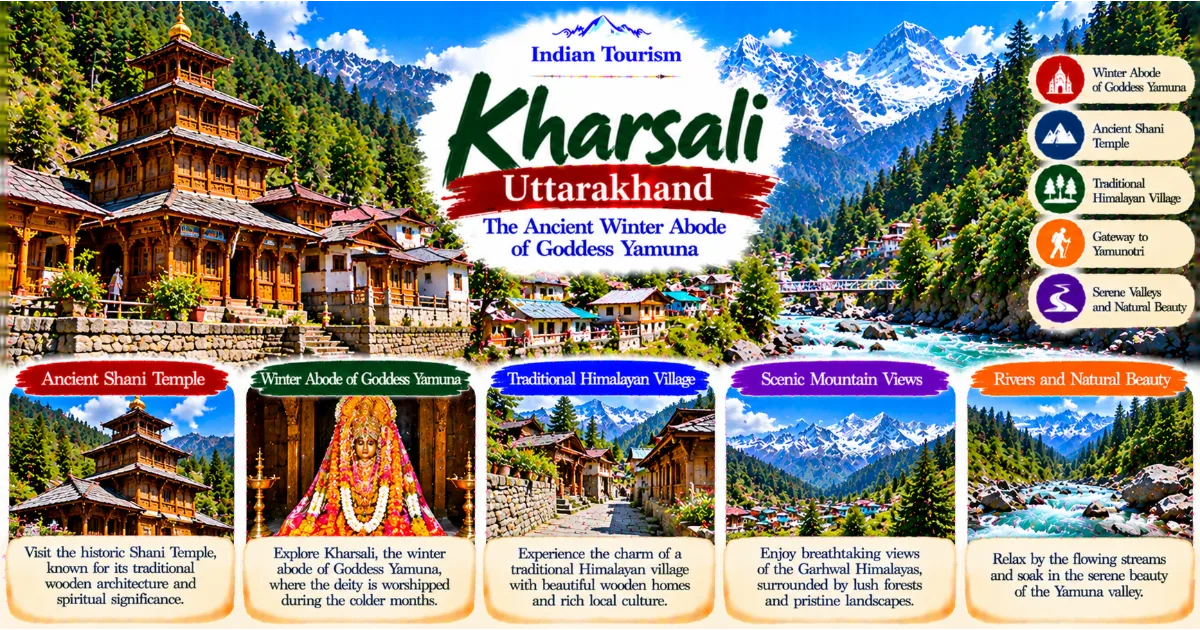
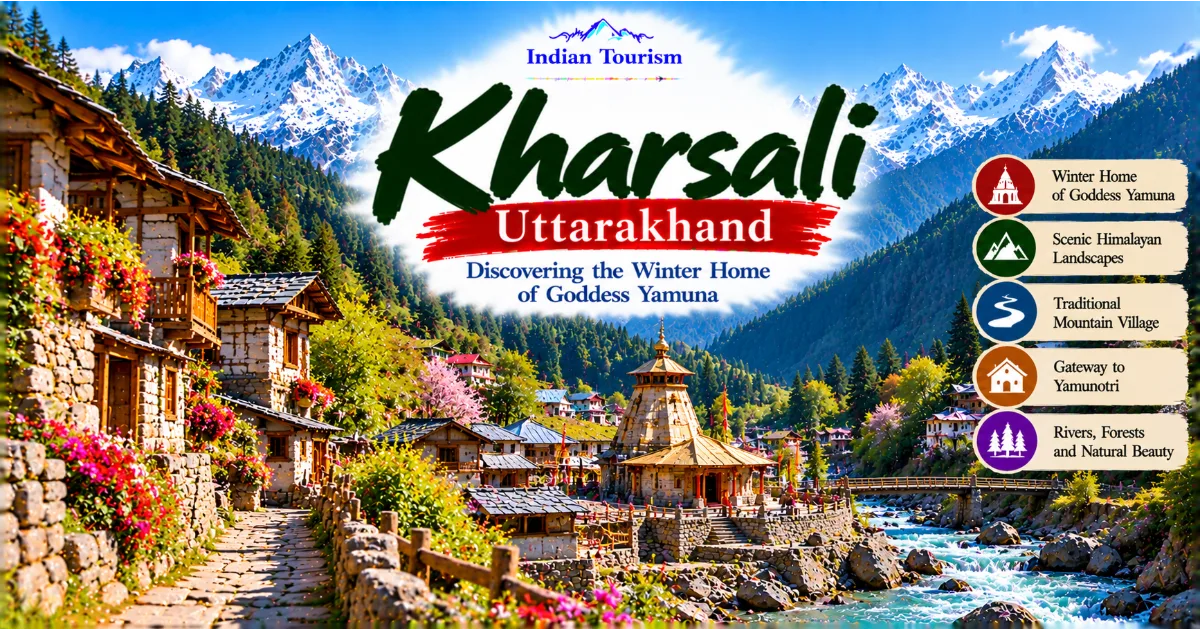
Hidden among the forested mountains of Uttarakhand, Kharsali is a small Himalayan village known for its traditional architecture, peaceful surroundings, and deep connection with the religious traditions of the Yamunotri region. Located in Uttarkashi district, near Janki Chatti, this village offers travellers an opportunity to explore a quieter side of the Garhwal Himalayas, where mountain life, local customs, and sacred landscapes remain closely connected.
Kharsali is especially significant because it is traditionally regarded as the winter seat of Goddess Yamuna. When the Yamunotri temple closes for the winter season, the worship of the goddess continues at Kharsali according to established religious customs. This seasonal transition gives the village an important place in the spiritual geography of Uttarakhand.
For many travellers, Kharsali becomes part of a journey towards Yamunotri. Yet the village deserves attention in its own right. Its traditional houses, narrow paths, mountain scenery, and religious heritage provide a glimpse into the cultural landscape of western Garhwal. Visitors who take time to explore can discover how a small settlement maintains its identity while welcoming pilgrims and travellers moving through the Himalayan region.
Kharsali is not a destination defined by large hotels, busy shopping streets, or extensive tourist infrastructure. Its appeal comes from the relationship between its natural surroundings and cultural traditions. The village invites visitors to slow down, observe the details of everyday mountain life, and understand why certain places remain important to local communities across generations.
Continue Reading
Whether you are interested in religious heritage, traditional Himalayan architecture, village photography, or the landscapes surrounding Yamunotri, Kharsali offers a meaningful addition to an Uttarakhand travel itinerary.
Where Is Kharsali Located?
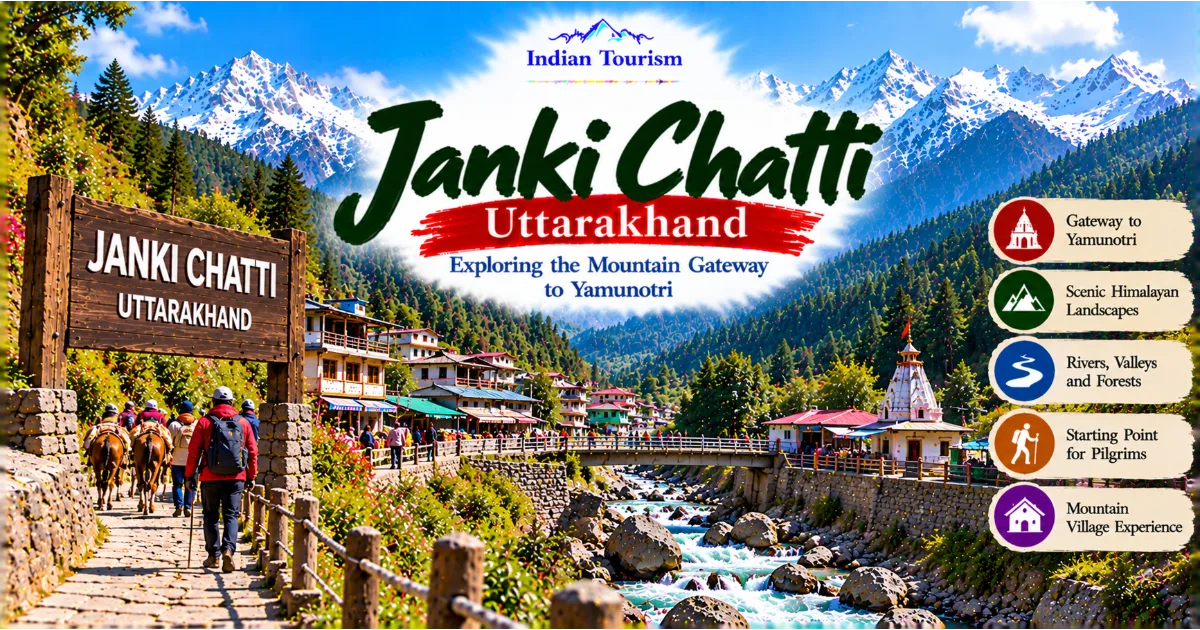
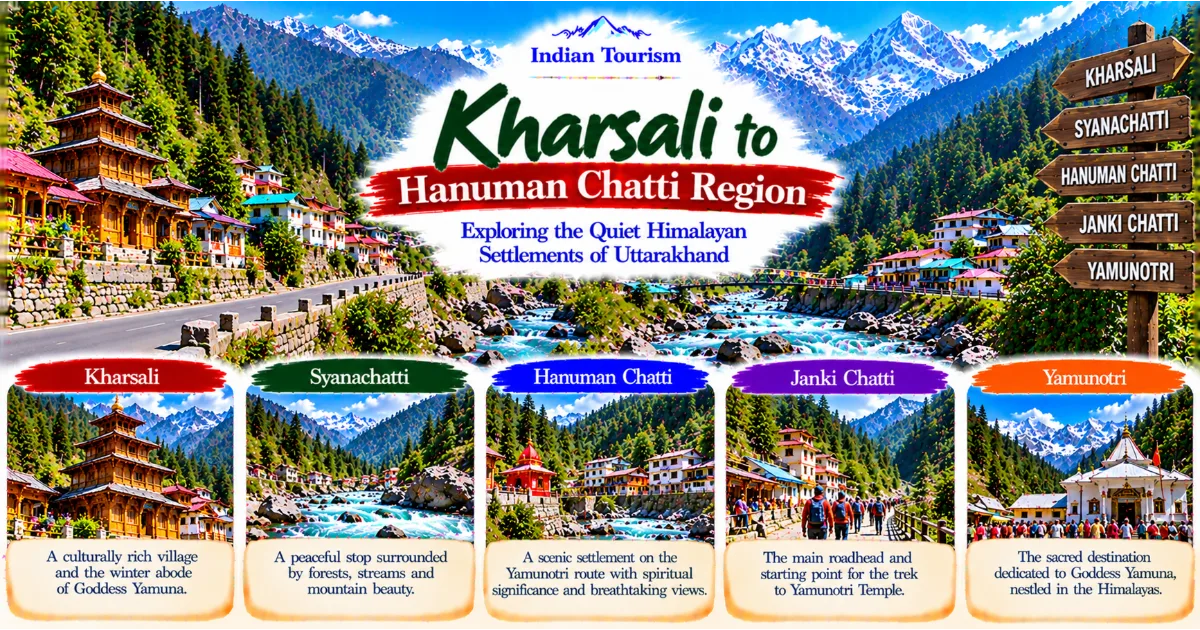
Kharsali is situated in Uttarkashi district in the state of Uttarakhand, within the western Garhwal Himalayas. It lies near Janki Chatti, an important access point for pilgrims travelling towards Yamunotri.
The village occupies a mountainous landscape shaped by steep slopes, forested hills, seasonal streams, and settlements connected by winding roads and footpaths. Its surroundings reflect the geographical character of the upper Yamuna region, where human settlements have developed in response to the opportunities and challenges of mountain terrain.
Kharsali's location makes it a practical destination for travellers exploring the Yamunotri area. Visitors can incorporate the village into a pilgrimage journey or plan a separate stop to learn about its traditional buildings and religious significance.
The route to Kharsali generally involves travelling by road through the western Garhwal region. Travellers coming from Dehradun or other parts of Uttarakhand should allow sufficient time for mountain driving, as journey times depend on traffic, weather, road maintenance, and seasonal conditions.
Although the village is associated with the Yamunotri pilgrimage, its cultural importance extends beyond its geographical position. Kharsali represents a living tradition in which religious worship, community identity, and seasonal changes in mountain life are closely linked.
Why Kharsali Is Worth Visiting
The Winter Seat of Goddess Yamuna
Kharsali's most distinctive feature is its religious connection with Goddess Yamuna. Yamunotri is one of the four traditional Char Dham pilgrimage destinations in Uttarakhand, and the Yamuna River holds an important place in Hindu religious traditions.
During the pilgrimage season, devotees travel to the Yamunotri temple to offer prayers. When the temple closes for winter, worship arrangements shift according to established local customs, and Kharsali becomes the winter seat associated with the goddess.
This seasonal movement reflects the practical realities of life in the high Himalayas. Heavy snowfall, freezing temperatures, and difficult access can make high-altitude locations challenging during winter. Religious traditions have adapted to these conditions while preserving continuity of worship.
For visitors, learning about this arrangement provides insight into how Himalayan religious practices are connected with geography and climate. The sacred landscape is not limited to a single temple building. It includes villages, pathways, seasonal journeys, and the communities responsible for maintaining religious traditions.
Travellers should remember that the village is a living religious place. Visitors are expected to respect local customs, follow instructions around places of worship, and seek permission before photographing ceremonies or individuals.
Traditional Himalayan Architecture
Kharsali is also known for its traditional buildings, which reflect the architectural knowledge developed in mountain communities.
Traditional Himalayan houses often use locally available materials and construction techniques adapted to the regional climate. Stone, timber, and other materials may be combined to create structures suited to steep terrain and changing temperatures.
In settlements exposed to cold winters, heavy rainfall, and occasional snowfall, the design of a house is influenced by practical considerations such as insulation, drainage, roof structure, and the availability of building materials.
Kharsali's older buildings offer a glimpse into this relationship between architecture and environment. Their value lies not only in their appearance but also in the knowledge they represent.
Visitors interested in architecture should look carefully at the arrangement of buildings, the use of local materials, the relationship between houses and paths, and the way structures fit into the surrounding landscape.
However, traditional buildings should be treated with care. Some may be private homes or places of religious importance rather than public attractions. Do not enter buildings without permission, and avoid touching fragile structural elements.
A Quiet Mountain Village
Kharsali offers a different atmosphere from the larger tourist centres of Uttarakhand. The village is shaped primarily by local life, religious traditions, and its position within the Yamunotri region.
Walking through its lanes can reveal everyday details that are easily missed during a hurried journey. Residents may be engaged in household work, agricultural activities, maintenance of traditional homes, or preparations connected with seasonal travel.
The pace of life can vary according to the time of year. During pilgrimage periods, the surrounding area may experience greater visitor movement. During quieter months, the village may feel more peaceful, although facilities and access arrangements may also be limited.
Travellers should not expect an extensive range of commercial attractions. Instead, Kharsali is best appreciated through observation, respectful conversation, and an interest in the cultural landscape.
A short visit can be rewarding, but spending additional time in the area may provide a deeper understanding of the relationship between the village and the wider Himalayan environment.
Scenic Views of the Western Garhwal Himalayas
The surroundings of Kharsali feature forested mountain slopes, narrow valleys, and the changing colours of the Himalayan landscape.
Depending on weather and visibility, visitors may enjoy views of green hills, distant ridges, and snow-covered highlands. The visual character of the region changes throughout the year, creating different experiences for photographers and nature enthusiasts.
Spring can bring fresh vegetation and changing agricultural activity. Summer often coincides with the main pilgrimage season, when the landscape is generally more accessible to visitors. During the monsoon, hillsides become lush, although rainfall may also create travel hazards. Autumn can offer clearer conditions, while winter brings colder temperatures and the possibility of snow in higher areas.
The scenery around Kharsali is not limited to distant mountain views. Traditional houses, footpaths, trees, cultivated land, and the surrounding slopes together form a distinctive village landscape.
Photography is most rewarding when visitors take time to observe how these elements fit together rather than focusing exclusively on dramatic panoramas.
The Religious Significance of Kharsali
The Yamuna Tradition
The Yamuna River is one of the major rivers of northern India and holds an important place in Hindu religious traditions. Its Himalayan origins are associated with Yamunotri, where pilgrims visit the temple dedicated to Goddess Yamuna.
The goddess is revered in different religious traditions and is often associated with purity, protection, devotion, and the life-giving importance of water.
Kharsali's connection with the winter worship of Goddess Yamuna gives the village a special role within this broader tradition. It illustrates how sacred geography can extend beyond a principal temple to include other settlements and places connected through ritual practice.
For pilgrims, the seasonal movement of worship is part of the spiritual meaning of the journey. For cultural travellers, it offers an opportunity to understand how religious traditions are maintained in environments where weather and accessibility change considerably throughout the year.
Seasonal Changes in Worship
High-altitude pilgrimage destinations in Uttarakhand are strongly influenced by the seasons. Heavy snowfall and severe winter weather can make some locations difficult to access, requiring worship arrangements to change.
The seasonal closure of Yamunotri and the continuation of associated worship at Kharsali reflect this relationship between religious practice and the Himalayan environment.
Visitors planning a religious journey should confirm the official opening and closing arrangements for the year in which they intend to travel. Dates can vary according to established religious calendars and local decisions.
Those wishing to witness particular ceremonies should verify the schedule with reliable local sources and approach the experience respectfully. Ceremonies should not be treated as performances arranged for visitors.
Respecting Sacred Places
Kharsali's religious significance makes respectful behaviour especially important.
Dress modestly when visiting places of worship, follow any instructions provided by local authorities or temple representatives, and remove footwear where required.
Photography rules may differ between locations and ceremonies. Always ask before taking pictures, particularly when people are praying or participating in rituals.
Avoid loud conversations, littering, or behaviour that interrupts religious activity. If a space is closed to visitors, respect the restriction.
A meaningful cultural visit does not require extensive participation in religious rituals. Listening, observing respectfully, and learning about the traditions can be valuable in themselves.
Exploring Kharsali's Traditional Village Landscape
Narrow Paths and Mountain Homes
The layout of a traditional mountain village is often influenced by the shape of the land. Steep slopes limit the availability of flat ground, while narrow pathways connect homes, agricultural areas, and shared spaces.
Kharsali's village environment offers an opportunity to observe this relationship between settlement patterns and mountain geography.
Walk slowly through publicly accessible lanes and pay attention to how buildings are positioned relative to the slopes. Notice the use of local materials, the arrangement of entrances and windows, and the relationship between houses and outdoor spaces.
The most interesting features may be ordinary parts of village life rather than formal attractions. A stone wall, a wooden doorway, or a narrow path may reveal something about how residents have adapted to the local environment.
Visitors should remember that the village is not an open-air museum. People live and work in these spaces, and their privacy should be respected.
Agricultural Traditions
Agriculture has historically been an important part of life in many Himalayan settlements. Terraced fields help communities cultivate sloping land, while the choice of crops depends on altitude, soil, water availability, and seasonal conditions.
The wider Garhwal region has diverse agricultural practices, reflecting differences between valleys and elevations. Some communities combine farming with livestock rearing, seasonal work, and other livelihoods.
Observing agricultural land around Kharsali can help visitors understand the practical realities of mountain life. Fields are not simply scenic features. They represent labour, local knowledge, and the adaptation of communities to a challenging environment.
If you encounter people working in fields, avoid entering cultivated areas without permission. Crops and irrigation channels can be easily damaged by careless movement.
Visitors interested in local food and agriculture can ask accommodation providers or residents about seasonal produce and regional cooking traditions.
Community Life in the Himalayas
Mountain communities often depend on strong local relationships because geographical conditions can make travel, access to services, and daily work more demanding.
Villages such as Kharsali are shaped by a combination of family life, religious traditions, seasonal activity, and connections with nearby settlements.
Tourism can create opportunities for local businesses and service providers, particularly during pilgrimage periods. At the same time, visitors should recognise that tourism is only one part of the local economy and does not define the entire identity of the village.
A respectful traveller approaches residents as people going about their daily lives rather than as subjects for photographs or stories.
Simple actions, such as asking permission before taking pictures, keeping noise low, and purchasing goods or services locally where appropriate, can contribute to a positive visitor experience.
Best Time to Visit Kharsali
Spring: March to April
Spring can be a pleasant period to explore the lower and middle elevations around Kharsali. The weather begins to warm, vegetation changes, and the surrounding hills may appear increasingly green.
However, the accessibility of the wider Yamunotri region depends on seasonal conditions and the pilgrimage calendar. Visitors should not assume that every high-altitude route or religious site is open simply because the weather in the lower valleys feels comfortable.
Early mornings and evenings can remain cold. Carry warm clothing and rain protection, and confirm local transport arrangements before departure.
Spring may suit travellers interested in village scenery and a quieter introduction to the region, provided their intended destinations are accessible.
Summer: May to June
Summer is an important travel period for the Yamunotri region because it coincides with the main pilgrimage season.
Kharsali may experience increased visitor movement as pilgrims travel through the area. Accommodation and transport can become busier, particularly around major religious dates and public holidays.
The weather at lower elevations is often more comfortable than in the hotter plains, but temperatures vary with altitude and time of day.
Travellers should plan ahead, reserve accommodation where necessary, and allow sufficient time for road journeys. If visiting Yamunotri, check the official opening arrangements and prepare for the walking route.
Monsoon: July to September
The monsoon can bring heavy rainfall to Uttarakhand. The hills around Kharsali may become lush, and streams may carry more water, creating dramatic mountain scenery.
However, this is also a period when landslides, falling rocks, damaged roads, and reduced visibility can disrupt travel. The risks can be particularly significant on steep mountain roads.
Visitors should monitor weather and road advisories and follow local instructions. Avoid travelling through areas affected by landslides or crossing flooded streams.
If the purpose of the trip is primarily sightseeing, consider whether another season would provide a safer and more predictable experience.
Autumn: October to November
Autumn can offer attractive conditions for exploring the village and its surroundings. Following the monsoon, the weather may become clearer, creating opportunities for photography and mountain views.
Temperatures become cooler, particularly during mornings and evenings. Visitors should carry suitable layers and confirm the availability of accommodation and transport.
The pilgrimage calendar is important during this period because Yamunotri generally closes for the winter season according to established religious arrangements. Travellers interested in the winter worship tradition at Kharsali should verify the relevant dates locally.
Winter: December to February
Winter changes the character of the wider region. Temperatures fall, and higher elevations may experience snow and difficult access conditions.
Kharsali's religious significance during the winter season makes this period particularly interesting for those seeking to understand the seasonal traditions associated with Goddess Yamuna.
However, visitors should not assume that all facilities remain open or that road access will be uninterrupted. Confirm accommodation, transport, weather, and any religious arrangements before travelling.
Cold-weather clothing and flexibility are essential. If snowfall or road disruption occurs, the itinerary may need to change.
How to Reach Kharsali
By Road
Road travel is the usual way to reach Kharsali. Travellers generally approach through the western Garhwal region and continue towards the Yamunotri area.
The journey involves mountain roads, bends, changes in elevation, and stretches where weather conditions can affect driving. Travel time depends on the starting point, traffic, roadworks, and seasonal disruptions.
Visitors should use reliable transport and avoid planning tight onward connections. During the monsoon, road conditions deserve particular attention.
By Train
Travellers arriving by train generally connect through railway stations serving the Dehradun or Haridwar region, depending on the itinerary and available services.
From there, onward travel is arranged by road. The best connection depends on the origin city, train schedule, and planned route.
Allow enough time between train arrival and onward transport, especially when travelling during peak pilgrimage periods.
By Air
Travellers arriving by air commonly consider Jolly Grant Airport near Dehradun as part of their journey into Uttarakhand. From the airport, road travel is required to reach the Yamunotri region and Kharsali.
Flight availability, transfer arrangements, and mountain road conditions should be considered together when planning the trip.
Where possible, keep some flexibility in arrival and departure schedules to accommodate delays.
Food to Experience in the Region
Food around Kharsali reflects the broader culinary traditions of Uttarakhand and the practical needs of a mountain region.
Depending on the establishment and season, visitors may find simple North Indian meals, lentils, rice, vegetables, flatbreads, and locally inspired preparations.
Garhwali food traditions include dishes prepared from regional grains, pulses, potatoes, and seasonal ingredients. Mandua, also known as finger millet, is used in different traditional preparations across Uttarakhand.
Aloo ke gutke, a spiced potato preparation, is another dish associated with the state's regional food culture. Visitors may also encounter local lentil dishes and vegetable preparations.
Availability varies, and not every restaurant will offer a wide selection of traditional food. Travellers interested in regional cuisine can ask accommodation providers or local residents about suitable options.
During pilgrimage season, food establishments may become busy. Carrying snacks for longer journeys can be useful, particularly when travelling with children or people who require regular meals.
Photography Opportunities in Kharsali
Kharsali offers a different kind of photography experience from destinations dominated by dramatic high-altitude peaks.
Traditional houses, narrow village paths, religious architecture, surrounding forests, and the changing mountain light provide opportunities to capture the cultural landscape of the region.
Early morning can be a good time to photograph the village before visitor activity increases. Soft light may bring out the textures of stone walls, timber, and surrounding vegetation.
Photographers interested in architecture should focus on details that reveal construction methods and the relationship between buildings and the terrain.
The surrounding hills may offer attractive landscape views when visibility is good. During cloudy weather, mist can create a quieter atmosphere, although it may reduce the visibility of distant features.
Always ask permission before photographing residents or religious ceremonies. Avoid entering private homes or restricted areas for a photograph, and ensure that equipment does not obstruct narrow paths.
Responsible Tourism in Kharsali
Kharsali's cultural and natural heritage deserves protection. Responsible tourism helps ensure that visitors can enjoy the village without placing unnecessary pressure on its residents or environment.
Carry rubbish back to appropriate disposal points, avoid leaving plastic packaging along paths, and do not throw waste into streams or rivers.
Respect religious spaces and follow local instructions. The village's spiritual traditions are an important part of its identity, and visitors should avoid behaviour that interrupts worship.
Support local businesses where possible. Using legitimate accommodation, transport services, and guides can help distribute tourism income to the surrounding community.
Be careful when walking through residential areas. Keep noise low, avoid blocking access routes, and ask permission before photographing private property.
Travellers should also remain aware of the region's environmental sensitivity. Heavy rainfall, landslides, and erosion can affect mountain roads and slopes, so closed routes and safety instructions should always be respected.
Suggested One-Day Visit to Kharsali
A day visit can provide a useful introduction to the village, although the itinerary should be adjusted according to the season and the purpose of travel.
Arrive in the morning, allowing enough time for the road journey. Once in the village, explore publicly accessible lanes and observe the traditional architecture and surrounding landscape.
If religious spaces are open to visitors, learn about the local traditions associated with Goddess Yamuna while following the instructions of temple representatives.
Spend time appreciating the mountain setting and the relationship between the village, the surrounding slopes, and the wider Yamunotri region.
Enjoy a simple local meal if available, and speak respectfully with local service providers about the area's culture and seasonal activities.
Before departing, check road conditions and allow sufficient time for the return journey. Avoid adding too many stops if weather or traffic is uncertain.
For visitors already planning to visit Yamunotri, Kharsali may be incorporated into a broader itinerary, but the order of visits should depend on transport, opening schedules, and available time.
Is Kharsali Suitable for Families?
Kharsali can be an interesting destination for families who want to explore religious heritage and traditional Himalayan village life.
Its appeal is different from that of a resort destination. The experience is based on cultural observation, mountain scenery, and the opportunity to learn about local traditions.
Families should consider the needs of children and older travellers when planning the journey. Mountain roads may be winding, travel times can be long, and weather conditions may change quickly.
Accommodation and food options should be checked before arrival, especially when travelling with young children or people with specific dietary requirements.
If the itinerary includes Yamunotri, assess the walking distance and elevation gain carefully. The route may be demanding for people who are not accustomed to walking in mountain terrain.
A flexible schedule, suitable clothing, and sufficient rest can make the experience more enjoyable for the whole family.
Why Kharsali Deserves a Place on Your Uttarakhand Itinerary
Kharsali offers a valuable perspective on the cultural and religious landscape of the western Garhwal Himalayas. Its association with the winter worship of Goddess Yamuna gives it a special place in the Yamunotri tradition, while its traditional architecture and village setting reveal aspects of mountain life that are easily overlooked during a hurried pilgrimage.
The village's appeal lies in its quiet details: traditional buildings, narrow paths, surrounding hills, and the seasonal movement of pilgrims through the region. These features create an experience that is different from the more commercialised destinations of Uttarakhand.
For religious travellers, Kharsali offers an opportunity to understand how worship continues through the changing seasons. For cultural enthusiasts, it provides insight into the relationship between local architecture, community life, and the Himalayan environment. For general visitors, it offers a meaningful stop while exploring the Yamuna valley.
The best visit is one planned with respect for local traditions and realistic expectations about mountain travel. Check seasonal access, allow time for the journey, and approach the village as a living community rather than simply a sightseeing attraction.
Conclusion: Discovering the Cultural Heart of the Yamunotri Region
Kharsali is a reminder that the Himalayas are not only a landscape of towering peaks, rivers, and forests. They are also home to communities whose traditions and identities have developed in close relationship with the mountains.
The village's connection with Goddess Yamuna, its traditional buildings, and its position near the Yamunotri pilgrimage route make it an important destination for travellers interested in the cultural heritage of Uttarakhand.
A visit to Kharsali can deepen an understanding of the region beyond its famous temples and scenic roads. It reveals how geography, climate, religion, and everyday life are connected in the western Garhwal Himalayas.
Whether you visit as part of a pilgrimage, a cultural journey, or a broader exploration of Uttarakhand, take time to appreciate the village respectfully. Support local services, protect the environment, and remain mindful of the people who make the place what it is.
Kharsali may be small in size, but its cultural significance and Himalayan setting make it a worthwhile addition to an itinerary focused on discovering the deeper character of Uttarakhand.
#IndianTourism #UttarakhandTourism #Kharsali #Yamunotri #GarhwalHimalayas #HimalayanVillages #CulturalTourism #ReligiousHeritage #ExploreUttarakhand #ResponsibleTourism #IncredibleIndia #TravelIndia