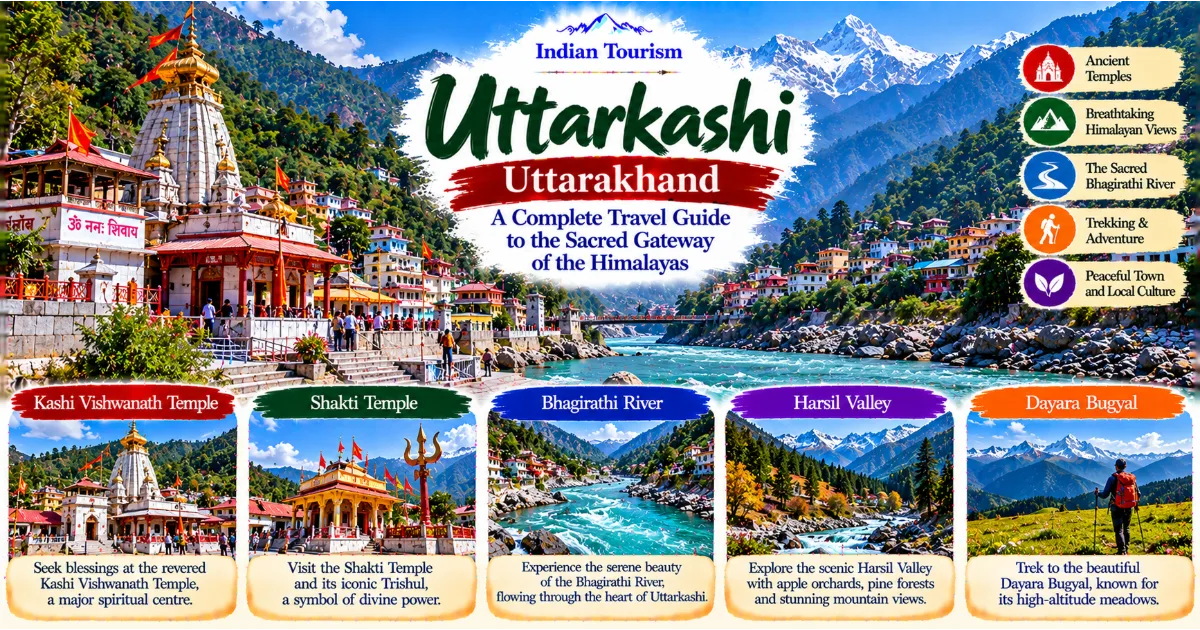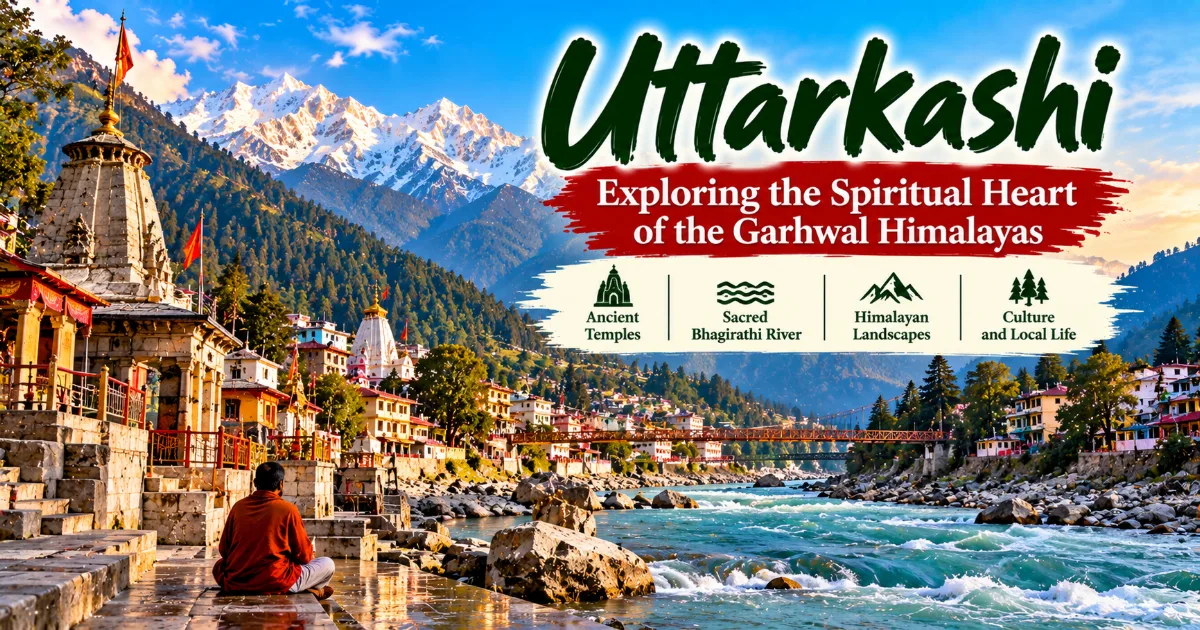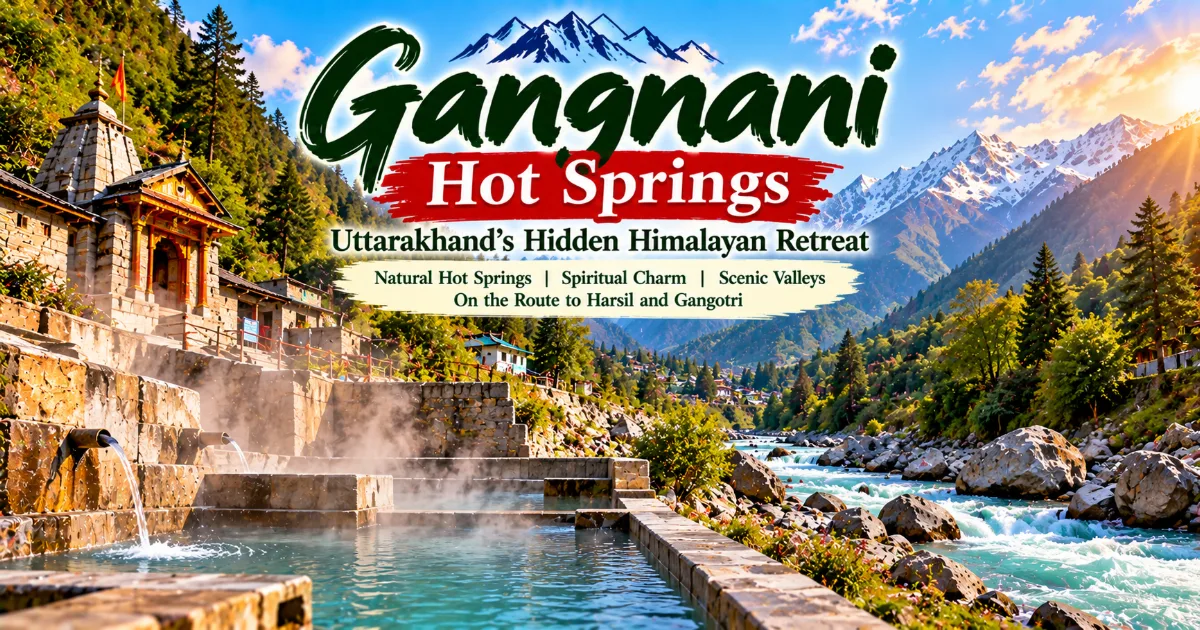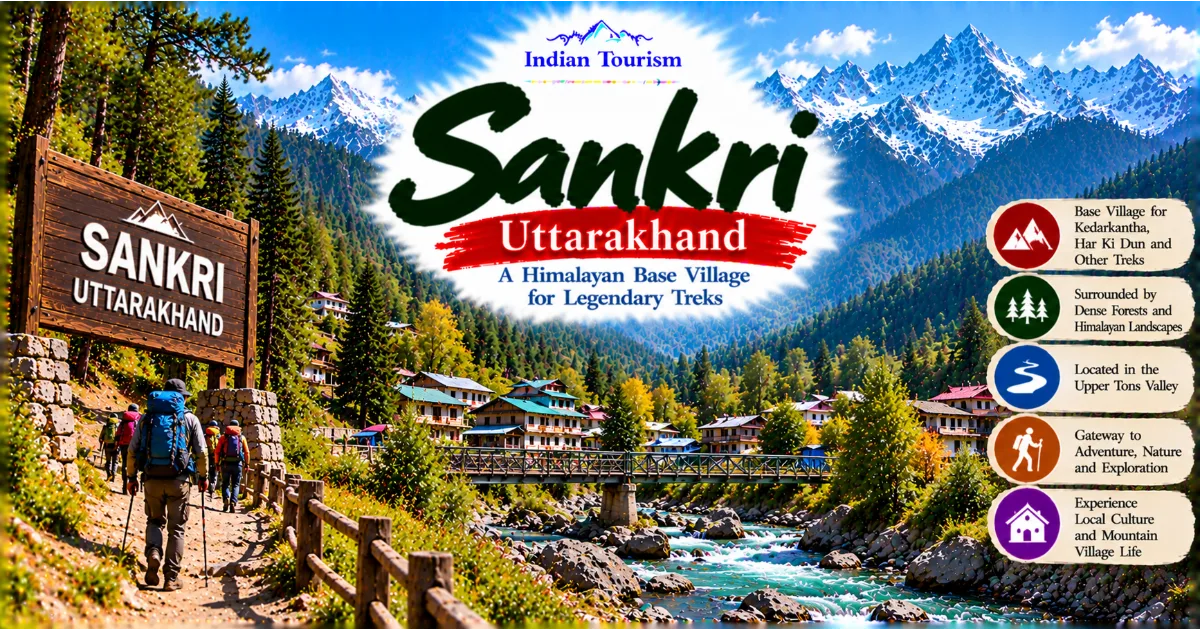
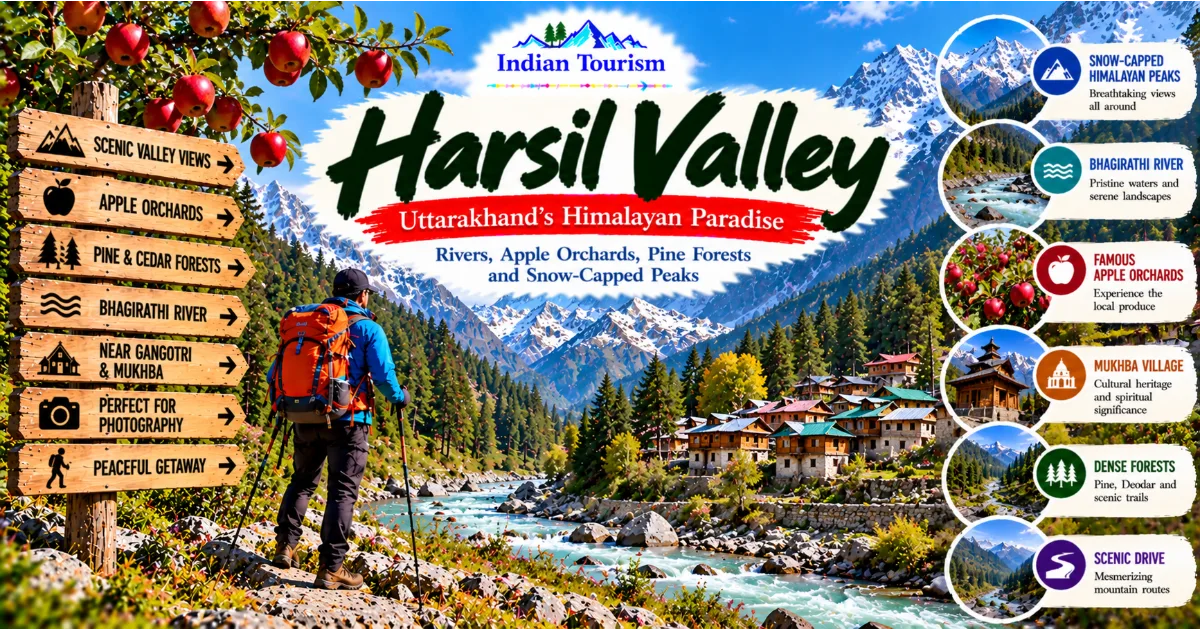
Harsil Valley is a peaceful Himalayan destination in Uttarkashi district, Uttarakhand, known for its mountain scenery, flowing Bhagirathi River, apple orchards, traditional villages, and forested slopes.
Situated at approximately 2,620 metres above sea level, Harsil offers a refreshing alternative to crowded hill stations, combining natural beauty with the cultural character of the Garhwal Himalayas.
Whether you enjoy photography, mountain drives, village experiences, or quiet time beside a river, Harsil is a destination worth exploring.
Discovering Harsil Valley
Uttarakhand contains many destinations that attract travellers through their dramatic mountain scenery, sacred traditions, and opportunities to experience life in the Himalayas. While places such as Mussoorie and Nainital are known for their established tourism infrastructure, Harsil offers a quieter experience shaped by its river valley, mountain forests, orchards, and traditional settlements.
Located in Uttarkashi district along the route towards Gangotri, Harsil is surrounded by the mountains of the Garhwal Himalayas. The Bhagirathi River flows through the wider valley, creating a landscape where rushing water, forested slopes, cultivated land, and distant peaks come together. The settlement is particularly appealing to travellers who prefer destinations where the natural environment remains the main attraction.
Harsil is not simply a place to stop for photographs on the way to Gangotri. It can be a destination in its own right, offering opportunities to explore nearby villages, observe the changing mountain landscape, learn about local traditions, and enjoy the slower rhythm of life in a Himalayan settlement.
Continue Reading
The valley is also associated with apple cultivation. Orchards contribute to the local landscape and reflect how mountain communities use suitable pockets of land for agriculture. During the appropriate season, the surrounding countryside can look especially attractive as trees and cultivated areas change with the weather.
For visitors seeking a break from busy urban environments, Harsil provides an opportunity to spend time outdoors without necessarily undertaking a demanding multi-day trek. However, its mountain location means that travellers should still prepare for cold weather, changing road conditions, and limited facilities in some areas.
Where Is Harsil Valley Located?
Harsil is situated in Uttarkashi district in the northern Indian state of Uttarakhand. It lies along the mountain road that connects Uttarkashi with Gangotri, one of the important pilgrimage destinations associated with the upper reaches of the Ganga.
The settlement stands at approximately 2,620 metres above sea level. At this elevation, temperatures can be considerably lower than in the plains, particularly during winter, early mornings, and evenings.
The surrounding landscape includes the Bhagirathi River, forested hillsides, rocky mountain slopes, agricultural land, and small settlements. The geography of the valley creates a distinctive combination of natural scenery and everyday rural life.
Harsil is often included in itineraries for travellers visiting Gangotri. However, visitors can also plan a separate stay to explore the valley at a more relaxed pace. Spending additional time allows travellers to observe the landscape during different parts of the day rather than treating the settlement as a brief stop along a longer journey.
The route passes through mountainous terrain, so journey times can vary according to traffic, road repairs, weather, and seasonal restrictions. Before travelling, visitors should confirm current road conditions and accommodation availability, especially if planning a trip during winter or the monsoon.
Why Harsil Valley Is Special
The Bhagirathi River
The Bhagirathi River is one of the defining features of the Harsil landscape. Its flowing water adds movement and sound to the valley, contrasting with the stillness of the surrounding mountains.
The river is also significant within the wider geography and religious traditions of Uttarakhand. The Bhagirathi originates in the Gangotri region and forms a major headstream of the Ganga river system.
Near Harsil, the river passes through a landscape shaped by steep slopes, rocks, forested areas, and settlements. Its appearance can change according to water levels, light, and weather conditions. On a clear day, the contrast between the water, greenery, and mountains can create excellent opportunities for landscape photography.
Visitors should enjoy the river from safe, permitted locations. Mountain rivers can have strong currents, cold water, and slippery banks, even when the surface appears calm. Swimming or approaching unstable edges is not advisable.
The river also deserves respect as an important natural resource. Visitors should never throw rubbish into the water or use the riverbank as a place to dispose of food waste or other materials.
Apple Orchards
Harsil is well known for its apple-growing landscape. The orchards are part of the area's agricultural identity and contribute to its appeal as a rural Himalayan destination.
Apple cultivation depends on suitable climatic conditions, seasonal temperature patterns, and agricultural practices. Mountain settlements such as Harsil can provide environments where fruit cultivation forms an important part of local livelihoods.
The appearance of the orchards changes through the year. Trees may display blossoms during spring, develop fruit during the growing season, and become part of a quieter landscape after harvest. The exact timing depends on local weather and growing conditions.
Visitors interested in agriculture should remember that orchards are working spaces, not automatically public attractions. Ask permission before entering private land, picking fruit, or photographing workers closely.
Purchasing locally produced fruit or other permitted products can help visitors support local livelihoods. It also offers an opportunity to appreciate the work involved in maintaining agriculture in a mountainous environment.
Forested Mountain Slopes
The forests surrounding Harsil add depth and colour to the valley. Trees cover sections of the slopes, creating a contrast with exposed rock, open land, and the river corridor.
Forested areas support biodiversity, help stabilise soil, and influence the movement of water through the landscape. They also contribute to the visual character of the region, particularly when changing light moves across the hillsides.
Travellers can appreciate the forests through roadside views, permitted walking routes, and quiet observation from safe locations. Those who explore on foot should use established paths and avoid entering unfamiliar terrain without guidance.
The forest environment changes with the seasons. Summer can bring greener slopes, while autumn and winter create different colours and atmospheric conditions. Snow may affect higher areas during colder periods.
Visitors should avoid disturbing wildlife, collecting plants, or leaving rubbish along trails. Protecting the forests helps maintain the natural qualities that make Harsil appealing.
Traditional Himalayan Settlements
Harsil and its neighbouring villages provide opportunities to observe the human side of the Garhwal Himalayas. The architecture, agricultural practices, food traditions, and patterns of daily life reflect the challenges and opportunities of living in a mountainous region.
Village environments can differ considerably from large tourist towns. Facilities may be simpler, commercial activity may be limited, and daily routines may follow agricultural or seasonal patterns.
Travellers who spend time in local accommodation may gain a better understanding of the region than those who only stop for photographs. Conversations with residents, when welcomed, can reveal how communities adapt to mountain weather, transport limitations, and changing economic conditions.
Visitors should approach local life respectfully. Ask before photographing people or private homes, follow local instructions, and avoid treating cultural traditions as performances staged for tourists.
The Best Time to Visit Harsil Valley
Spring: Blossoms and Fresh Mountain Scenery
Spring can be an attractive season for visiting Harsil. As temperatures gradually rise, the valley begins to move away from winter conditions, and vegetation responds to the changing weather.
Apple orchards may be particularly appealing during their flowering period, although the exact timing varies from year to year. Travellers interested in blossoms should check local conditions before selecting travel dates rather than assuming that flowering will occur on a fixed schedule.
The weather can remain cold, especially during mornings and evenings. Warm clothing is therefore useful even when daytime conditions appear pleasant.
Spring can suit visitors who enjoy photography, village walks, and observing seasonal changes. However, travellers should confirm the condition of mountain roads and any restrictions affecting the route towards Gangotri.
Summer: Comfortable Days and Scenic Drives
Summer is a popular period for travelling through the Harsil region. Daytime conditions can be relatively comfortable, and the surrounding landscape often appears greener than during colder months.
This season is suitable for visitors who want to explore the valley, enjoy the river scenery, visit nearby settlements, and combine Harsil with other destinations in Uttarkashi district.
Because the region lies on a route used by pilgrims travelling towards Gangotri, road traffic can increase during the pilgrimage season. Travellers should allow sufficient time for driving and avoid creating an itinerary that depends on reaching every stop at an exact minute.
Mountain weather can change quickly, so rain protection and warm layers remain useful. Visitors should also check official information about road conditions before beginning a long journey.
Monsoon: Green Landscapes and Travel Caution
The monsoon brings rainfall to Uttarakhand, often making the surrounding vegetation appear especially lush. The river valley can look dramatic when clouds move across the hillsides and mist gathers around the mountains.
However, this season also introduces significant travel challenges. Heavy rainfall can cause landslides, road closures, falling rocks, and delays. River levels may rise, and sections of mountain roads can become unsafe.
Travellers should check current weather forecasts and road advisories before departure. If authorities recommend avoiding a route, postpone the journey rather than attempting to continue.
A monsoon visit requires flexibility. Accommodation bookings, transport arrangements, and sightseeing plans may need to change at short notice.
Visitors should also avoid standing close to swollen rivers or unstable slopes for photographs. The appearance of a landscape does not always reveal the risks created by recent rainfall.
Autumn: Clear Views and Peaceful Atmosphere
Autumn can be rewarding for visitors who appreciate mountain scenery and cooler temperatures. Following the monsoon, periods of clearer weather may provide excellent visibility across the surrounding landscape.
The valley can also offer a quieter atmosphere outside the busiest travel periods. This may appeal to photographers and travellers who prefer to explore at a relaxed pace.
Temperatures begin to fall as the season progresses, especially in the early morning and after sunset. Warm clothing becomes increasingly important, and visitors should confirm whether their chosen accommodation provides adequate heating and bedding.
Road conditions should still be checked before travel because weather and maintenance work can affect access even outside the monsoon.
Winter: Snow and Cold Mountain Conditions
Winter changes the character of Harsil. Temperatures can fall substantially, and snowfall may affect the surrounding landscape and roads during colder periods.
For travellers who enjoy winter scenery, the season can be attractive. Snow-covered slopes and quiet village surroundings can create a memorable atmosphere.
However, winter travel requires additional preparation. Road access may be disrupted, accommodation options may be limited, and some facilities may operate differently from those available during the warmer months.
Visitors should confirm current conditions before travelling and carry suitable warm clothing. If heavy snowfall or road closures are reported, the journey should be postponed until it is safe.
Places to Explore Around Harsil
Mukhba Village
Mukhba is a village near Harsil known for its religious significance in connection with the Gangotri temple tradition. During the period when Gangotri is closed for winter, the idol of Goddess Ganga is traditionally brought to Mukhba for worship.
This seasonal practice gives the village an important place in the religious life of the region. It also illustrates how pilgrimage traditions adapt to the practical realities of Himalayan weather and winter access.
Visitors interested in culture and religion may find Mukhba a meaningful place to explore. However, religious practices should be observed respectfully, and travellers should follow instructions from temple authorities and local residents.
Photography may be inappropriate in certain settings, particularly during worship or ceremonies. Ask permission when uncertain.
The village also offers an opportunity to understand the relationship between mountain communities and pilgrimage. Rather than viewing religious sites only as sightseeing stops, visitors can appreciate their continuing role in local identity and seasonal traditions.
Dharali
Dharali is another settlement in the Harsil region, associated with mountain scenery and local agricultural activity. Its surroundings reflect the combination of village life, cultivated land, and the broader Himalayan environment.
Travellers may find it interesting to observe the settlement's layout, local shops, and agricultural landscape. The experience can be especially rewarding when approached slowly rather than as a quick stop.
As with other villages, visitors should respect private property and avoid entering orchards or fields without permission. Purchasing goods from local businesses, where available, can support the regional economy.
Because mountain conditions and road access can change, travellers should confirm which areas are accessible during their visit.
Gangotri
Gangotri is one of Uttarakhand's most important pilgrimage destinations and lies farther along the road from Harsil. The Gangotri temple is dedicated to Goddess Ganga and attracts pilgrims during the open season.
For many travellers, Harsil works well as a place to rest before or after visiting Gangotri. The valley offers a different atmosphere from the pilgrimage centre, with greater emphasis on river scenery, forests, and village landscapes.
The journey between the two destinations passes through mountain terrain, and road conditions should be checked before departure. During periods of heavy rain, snowfall, or official restrictions, access may be affected.
Visitors should also remember that Gangotri is a religious site. Appropriate clothing, respectful behaviour, and compliance with local rules help maintain the atmosphere of the temple and surrounding area.
The Wider Uttarkashi Region
Harsil can form part of a broader journey through Uttarkashi district. Depending on the length of the trip, travellers may explore other accessible destinations, local markets, and scenic stops along the mountain roads.
A wider itinerary should be planned according to realistic driving times and current road conditions. Distances in the Himalayas can take longer to cover than expected because of narrow roads, steep gradients, and occasional delays.
Rather than attempting to visit too many places in a short period, travellers may prefer to spend additional time in Harsil and explore the surrounding area gradually.
How to Reach Harsil Valley
By Air
Jolly Grant Airport near Dehradun is a commonly used airport for travellers visiting Uttarakhand. From the airport, the journey continues by road towards Uttarkashi and then Harsil.
Travel time depends on traffic, weather, road conditions, and the chosen route. Because the journey involves mountain roads, visitors should avoid planning an overly tight schedule after arriving at the airport.
Travellers arriving late in the day may find it more comfortable to stay overnight at a suitable town before continuing the journey.
By Train
Visitors can travel by train to Dehradun or Rishikesh and continue towards Harsil by road. The most convenient railway station depends on train availability and the overall itinerary.
Road travel from the railway station involves a substantial journey through mountainous terrain. Allow enough time for breaks, traffic, and unexpected delays.
Before departure, confirm the current condition of the route and whether any seasonal restrictions apply.
By Road
Harsil is accessible by road from Uttarkashi along the route towards Gangotri. Travellers may arrange a private vehicle, hire a local taxi, or use available public transport for sections of the journey.
The road passes through mountain terrain, so travel times can vary. During the monsoon, landslides and heavy rain can affect access, while winter weather may introduce snow or ice in some areas.
Drivers should avoid rushing and should follow official advisories. If road conditions become unsafe, waiting or changing the itinerary is preferable to continuing at unnecessary risk.
Where to Stay in Harsil
Accommodation options in Harsil and nearby settlements may include guesthouses, homestays, small hotels, and other locally operated stays. Availability and facilities vary by season, so travellers should confirm arrangements before arriving.
Staying in a local guesthouse or homestay can provide a more personal experience of the region. Visitors may have opportunities to learn about local food, village life, and the practical challenges of living in the mountains.
Before booking, confirm the availability of meals, hot water, heating, electricity, and other facilities important to your needs. These services may operate differently from those in larger tourist towns.
During the busy pilgrimage season, accommodation can become more difficult to find. Advance booking is advisable, especially for families and travellers with fixed schedules.
Winter visitors should take particular care to confirm that their chosen accommodation is open and suitable for cold weather.
What to Eat in Harsil Valley
Food is an important part of experiencing a mountain destination. In and around Harsil, travellers may find simple meals influenced by the culinary traditions of Uttarakhand and the practical needs of life in a colder environment.
Depending on the accommodation and local availability, meals may include rice, lentils, seasonal vegetables, flatbreads, and other home-style preparations. Some establishments may offer familiar North Indian dishes alongside regional options.
The availability of specific foods should not be assumed. Remote mountain settlements may have fewer restaurants and less variety than major tourist towns.
Visitors can ask their accommodation provider about meal arrangements before arrival, particularly if travelling with children or people who have dietary restrictions.
Food waste should be avoided, and travellers should not leave scraps beside roads, rivers, or forest trails. Responsible food choices include supporting local businesses where possible and disposing of packaging appropriately.
Photography in Harsil Valley
Harsil offers a range of photographic subjects, from the flowing Bhagirathi River and forested slopes to apple orchards, village lanes, and distant mountains.
Landscape photography can be particularly rewarding during periods of clear weather, when the surrounding terrain becomes more visible. Early morning and late afternoon may provide softer light, although the best conditions depend on the season and cloud cover.
The river can create attractive compositions, especially when reflections appear on calmer sections of water. Visitors should choose safe viewpoints and avoid approaching slippery banks or unstable edges.
Village photography requires sensitivity. Ask permission before photographing residents, homes, or private agricultural land. Avoid interrupting work or religious activities to capture an image.
Photographers should also protect their equipment from rain and cold. Batteries may lose charge more quickly in low temperatures, so carrying a power bank and keeping devices protected can be helpful.
The best photographs often emerge when visitors take time to observe the landscape rather than moving rapidly from one viewpoint to another.
Local Culture and Traditions
Harsil forms part of the cultural landscape of the Garhwal Himalayas. Local traditions reflect religious beliefs, agricultural practices, seasonal changes, and the realities of living in a mountain environment.
The association with Mukhba and the seasonal worship connected to Goddess Ganga demonstrates how religious life responds to the practical conditions of the region. When heavy winter weather affects access to high-altitude pilgrimage sites, local traditions provide ways for worship to continue.
Visitors can learn about these practices by speaking respectfully with local residents or observing public religious activities. However, traditions should not be treated merely as tourist attractions.
Ask permission before photographing ceremonies or individuals, and follow any rules established by temple authorities. Modest clothing and respectful behaviour are appropriate when visiting religious places.
The region's agricultural traditions also form part of its cultural identity. Apple cultivation, local food, and the use of mountain land reflect how communities adapt to the environment.
A thoughtful visit recognises that culture is part of everyday life, not something that exists only for visitors.
Wildlife and the Natural Environment
The Harsil region includes forests, river corridors, cultivated land, and mountain slopes that contribute to the ecological diversity of Uttarakhand.
The natural environment supports a range of plant and animal life, although sightings depend on habitat, season, and the level of human activity. Visitors should not expect wildlife to appear on demand.
The river and surrounding forests are connected parts of the wider landscape. Water movement, vegetation, soil stability, and wildlife habitats all influence the health of the valley.
Travellers can help protect this environment by staying on established paths, avoiding litter, and respecting local guidance about sensitive areas.
Feeding wildlife is inappropriate because it can alter animal behaviour and create risks for both animals and people. Visitors should also avoid making excessive noise or attempting to approach animals for photographs.
Protecting the landscape benefits local communities as well as future travellers. A clean river valley, healthy forests, and undisturbed natural surroundings are important parts of Harsil's long-term appeal.
Responsible Tourism in Harsil
Responsible tourism begins with respect for the local environment and the people who live in the valley.
Visitors should carry their rubbish back to appropriate disposal points, avoid throwing waste into the Bhagirathi River, and refrain from leaving plastic packaging beside roads or trails.
Water should be used carefully, particularly in places where supplies and infrastructure are limited. Travellers should also avoid damaging vegetation or entering private agricultural land without permission.
Supporting local accommodation providers, guides, and shops can help tourism contribute to the regional economy. Fair payment and respectful communication make these interactions more positive for both visitors and residents.
Road safety is another part of responsible travel. Mountain roads require patience, and drivers should follow official instructions when weather or landslides affect access.
Visitors should also be flexible. If a road closes or a local authority advises against travel, changing the itinerary is the responsible choice.
Harsil Valley for Families and First-Time Visitors
Harsil can be an appealing destination for families and travellers who want to experience the Himalayas without committing to a demanding trekking expedition.
The valley offers scenic drives, village exploration, river views, and opportunities to observe local culture. Visitors can choose activities according to their fitness and interests, making the destination suitable for a range of travel styles.
Families travelling with children should consider the temperature, road journey, availability of meals, and access to medical facilities. Warm clothing is particularly important because mountain weather can change quickly.
Older travellers and people with mobility limitations should confirm the suitability of accommodation and local walking routes before travelling. Some areas may have uneven surfaces or limited accessibility.
First-time visitors should avoid packing too many destinations into a short itinerary. Spending more time in one area often produces a more comfortable and rewarding experience than rushing between several places.
Common Mistakes to Avoid
One common mistake is assuming that Harsil will have the same facilities as a large hill station. Accommodation, food options, transport, and medical services may be more limited, particularly during the off-season.
Another mistake is failing to check road conditions. The mountain route can be affected by rainfall, landslides, snowfall, and maintenance work. Current local information should guide travel decisions.
Some visitors also underestimate the cold. Even during warmer months, mornings and evenings can be chilly. Layered clothing helps travellers adjust to changing temperatures.
Entering orchards or photographing residents without permission is another avoidable problem. Respecting private property and local customs helps maintain positive relationships between visitors and communities.
Finally, travellers should avoid littering near the river or in the forest. The natural environment is a major reason people visit Harsil, and protecting it is a shared responsibility.
A Practical Travel Plan
A relaxed visit can begin with travel to Uttarkashi or another suitable overnight stop, followed by a road journey to Harsil the next day. This approach reduces the pressure of completing a long mountain drive in a single stretch.
Once in Harsil, visitors can spend time exploring the settlement, observing the river valley, and learning about local life. A separate visit to Mukhba or Dharali may be included if roads are open and the itinerary allows enough time.
Travellers planning to continue towards Gangotri should confirm the route's current condition and any seasonal or administrative restrictions before departure.
Accommodation and transport should be arranged according to the season. During busy pilgrimage periods, advance booking is sensible, while winter travellers should confirm whether their chosen facilities are operating.
A flexible schedule provides room for weather changes, road delays, and unexpected discoveries. Rather than treating Harsil as a checklist of attractions, visitors can enjoy it as a mountain destination where the landscape and local atmosphere are central to the experience.
Who Should Visit Harsil Valley?
Harsil is well suited to travellers who appreciate rivers, mountain scenery, forested valleys, village life, and relatively peaceful destinations.
Photographers may enjoy the combination of the Bhagirathi River, orchards, traditional settlements, and surrounding mountains. Families can explore the area at a relaxed pace, while culture enthusiasts may be interested in the connection between Harsil, Mukhba, and the wider Gangotri pilgrimage tradition.
Travellers who prefer demanding trekking may use Harsil as a base for exploring other permitted routes in the wider region, subject to current conditions and suitable preparation.
However, people seeking extensive nightlife, large shopping areas, or a resort-style holiday may find the destination quieter than expected. Visitors should also be prepared for changing weather and the limitations of mountain infrastructure.
For those who value nature, culture, and a slower travel experience, Harsil offers a rewarding opportunity to explore a different side of Uttarakhand.
Conclusion
Harsil Valley combines the natural beauty of the Garhwal Himalayas with the cultural character of traditional mountain settlements. Its flowing Bhagirathi River, apple orchards, forested slopes, and proximity to Mukhba and Gangotri make it an appealing destination for travellers seeking more than a conventional hill-station holiday.
The valley rewards visitors who allow time for exploration, respect local traditions, and prepare for the realities of mountain travel. Seasonal weather, road conditions, and accommodation availability should always be checked before departure.
Responsible tourism is essential to protecting the river, forests, orchards, and village environments that give Harsil its distinctive character. By supporting local businesses, respecting private property, and carrying waste back for proper disposal, visitors can help preserve the destination for future generations.
For anyone exploring Uttarakhand, Harsil is a reminder that the Himalayas offer much more than famous peaks and pilgrimage centres. Sometimes the most memorable experiences come from a quiet river valley, a walk through a traditional village, or the opportunity to observe mountain life at a slower pace.
Hashtags
#HarsilValley #UttarakhandTourism #Uttarkashi #GarhwalHimalayas #IndianTourism