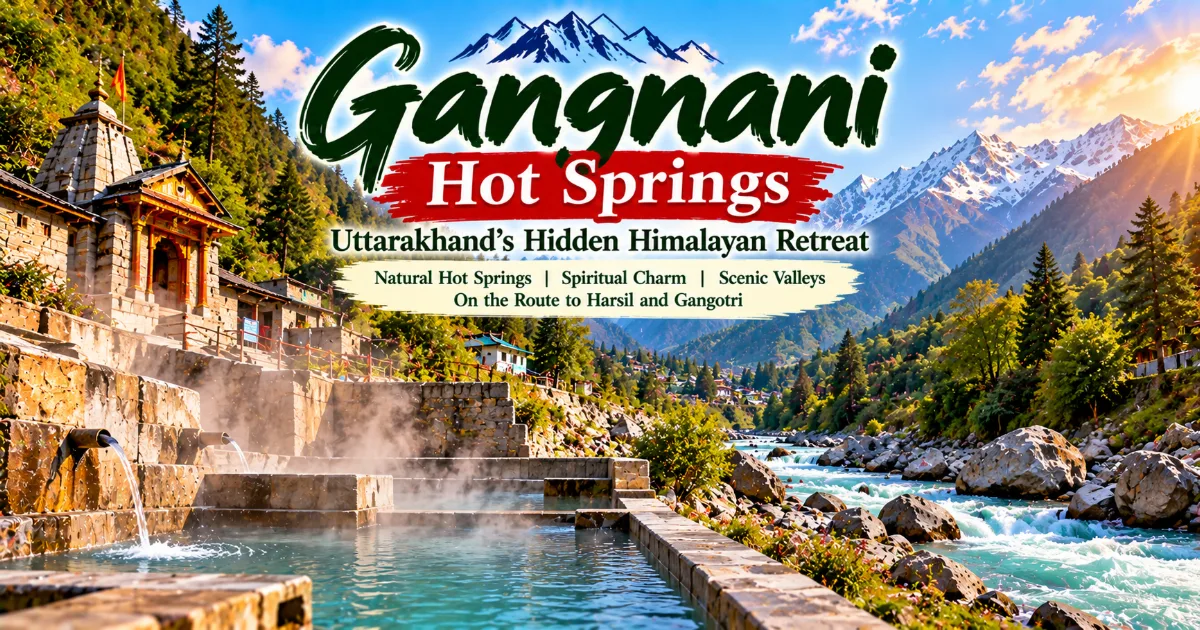
Gangnani is a small Himalayan destination in Uttarkashi district, Uttarakhand, known for its natural hot springs, mountain scenery, and spiritual atmosphere.
Located along the route towards Harsil and Gangotri, this peaceful stop offers travellers an opportunity to experience a lesser-known side of the Garhwal Himalayas.
Its thermal waters, traditional religious associations, and proximity to the Bhagirathi valley make Gangnani an interesting destination for those exploring Uttarakhand beyond its better-known pilgrimage centres.
Discovering Gangnani
Uttarakhand is widely recognised for its snow-covered mountains, sacred rivers, ancient temples, forested valleys, and traditional Himalayan settlements. While destinations such as Badrinath, Kedarnath, and Gangotri attract large numbers of pilgrims, the state also contains smaller places that offer quieter experiences and a closer connection with the landscape. Gangnani is one such destination.
Situated in Uttarkashi district on the route connecting Uttarkashi town with Harsil and Gangotri, Gangnani is particularly known for its hot springs. Travellers passing through the region may stop here to experience the thermal waters, enjoy the mountain surroundings, and learn about the local religious traditions associated with the site.
The destination is not a large resort town or a commercial hill station. Its appeal lies in its natural features and its position within the wider Himalayan pilgrimage landscape. The surrounding mountains, winding roads, river valleys, and scattered settlements create an atmosphere that differs from the busier tourist centres of Uttarakhand.
Continue Reading
Gangnani is also a reminder that travel does not always require a long itinerary or a famous landmark. Sometimes a short stop along a mountain road can introduce visitors to the geology, culture, and everyday life of a region in meaningful ways.
For travellers heading towards Gangotri, Gangnani can form part of a journey through the upper Bhagirathi valley. Those planning a dedicated visit should check local access arrangements, the condition of the road, and the availability of facilities before travelling.
Where Is Gangnani Located?
Gangnani lies in Uttarkashi district in the Garhwal region of Uttarakhand. It is located along the mountain route leading from Uttarkashi towards Harsil and Gangotri, making it a natural stopping point for travellers exploring this part of the state.
The wider region is shaped by the Himalayan mountain system and the Bhagirathi River. Steep slopes, rocky ridges, forested areas, and narrow valleys define much of the landscape. The road follows the contours of the mountains, offering views of the surrounding terrain as it passes through small settlements.
The exact travel time to Gangnani depends on the starting point, road conditions, traffic, and weather. Journeys through the Himalayas often take longer than expected because of winding roads, occasional roadwork, landslides, and other local conditions.
Gangnani is commonly included in itineraries that cover Uttarkashi, Harsil, and Gangotri. It can also be considered by visitors interested in natural hot springs or quieter stops along a Himalayan road journey.
Because the area lies in a mountainous environment, visitors should not assume that conditions remain the same throughout the year. Rainfall, snowfall at higher elevations, road closures, and seasonal changes can affect access and travel schedules.
The Natural Hot Springs of Gangnani
Understanding the Thermal Waters
Gangnani's best-known attraction is its natural hot spring. Hot springs occur when groundwater is heated beneath the Earth's surface and returns to the surface through cracks or other pathways in the rock.
The source of the heat can be associated with the Earth's internal geothermal energy. Water moves underground, absorbs heat from surrounding rocks, and rises again through geological openings. The temperature and mineral composition of a hot spring depend on local geology, groundwater movement, and other environmental conditions.
Gangnani's thermal waters have made the area a point of interest for travellers and pilgrims. The experience of encountering warm water in a cold mountain environment can be memorable, particularly when the surrounding landscape is dominated by steep hills and cool air.
However, the presence of a natural hot spring does not automatically mean that the water is suitable for drinking or that it can treat medical conditions. Visitors should follow local guidance regarding bathing, water quality, and safe use of the facilities.
Why Hot Springs Attract Travellers
Hot springs have attracted people across many cultures for centuries. Some are valued for relaxation, while others have become associated with religious practices, traditional healing beliefs, or local legends.
In mountainous areas, thermal waters can offer a striking contrast to the surrounding environment. The warmth of the water, the cool air, and the landscape together create an experience that many visitors find distinctive.
Gangnani's hot spring is particularly interesting because it sits within a region known for pilgrimage routes and mountain travel. Visitors may combine a stop here with journeys towards Gangotri or visits to nearby settlements.
Travellers should remember that natural hot springs vary considerably. Water temperatures can change, and some springs may contain minerals or other substances that make prolonged contact unsuitable for certain people. Follow posted instructions, avoid entering areas that have been closed, and do not assume that every pool is safe for bathing.
Safety Around Hot Springs
The safest way to experience Gangnani's thermal waters is to follow local arrangements and avoid entering water whose temperature or quality is unknown. Water that appears calm can still be dangerously hot in certain locations.
People with medical conditions, including heart or circulation problems, should seek appropriate medical advice before using hot springs. Pregnant travellers and people who are sensitive to heat should also be cautious.
Avoid staying in hot water for long periods, especially if you begin to feel dizzy, weak, nauseated, or uncomfortable. Leave the water immediately if symptoms develop.
Children should be supervised closely around all pools and channels. Never allow them to enter an unfamiliar spring without clear guidance about its depth and temperature.
These precautions help visitors enjoy the destination while respecting the fact that natural thermal features can present risks as well as attractions.
Gangnani and Its Spiritual Significance
Gangnani is associated with the religious culture of the Garhwal Himalayas. The wider region contains temples, pilgrimage routes, sacred rivers, and places connected with Hindu traditions.
For many travellers, the journey towards Gangotri is not simply a scenic road trip. It is part of a larger pilgrimage experience connected with the River Ganga and the sacred geography of the Himalayas.
Natural features such as springs and rivers often acquire religious significance through local traditions and repeated community practices. Their importance may be reflected in the names of places, the presence of small shrines, or the stories told by residents and pilgrims.
Visitors should approach these associations respectfully. Religious traditions are an important part of the region's cultural identity, even when the historical origins of individual stories are difficult to establish independently.
Gangnani's spiritual atmosphere can be appreciated without requiring every traveller to share the same beliefs. Those interested in religion may find the surrounding pilgrimage landscape meaningful, while other visitors may value the cultural history and the relationship between communities and their environment.
When visiting religious spaces, dress appropriately, follow local customs, and ask before photographing worshippers or ceremonies. Avoid loud behaviour and leave the area as clean as it was found.
The Journey Through the Bhagirathi Valley
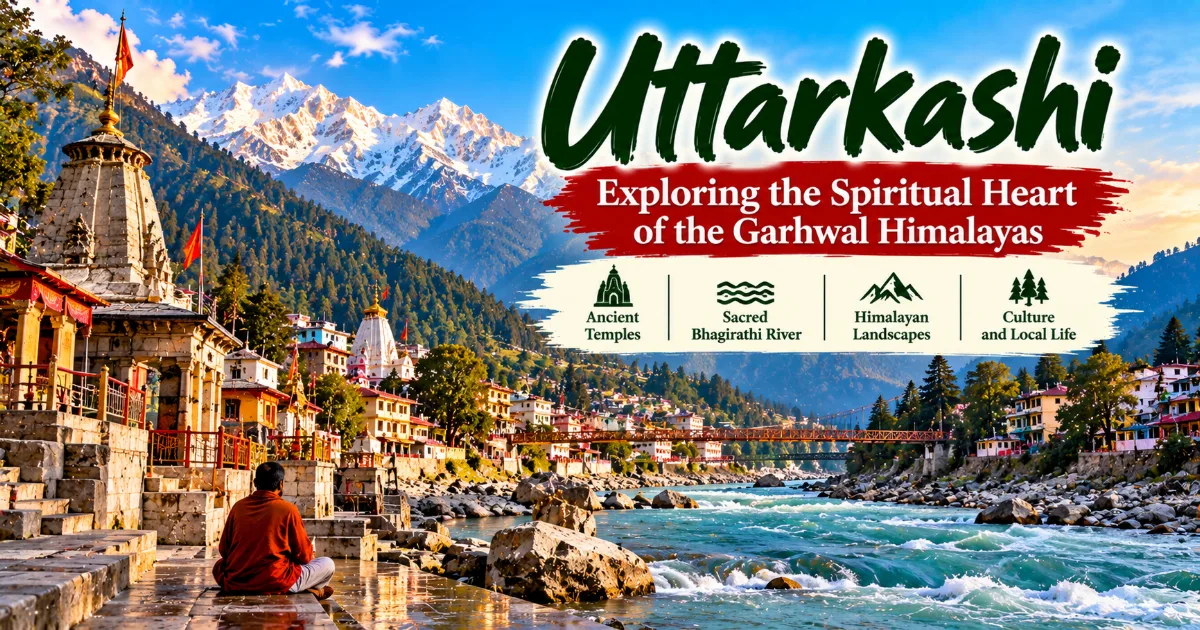
One of Gangnani's attractions is its location along the route through the Bhagirathi valley. The journey itself offers opportunities to appreciate the landscape of Uttarkashi district.
The Bhagirathi River is an important river of the Garhwal Himalayas and one of the principal headstreams of the Ganga river system. Its valley has influenced settlement patterns, transport routes, agriculture, pilgrimage, and local livelihoods.
As travellers move through the region, they encounter steep mountain slopes, rocky riverbanks, terraced fields, forests, and settlements positioned on available stretches of land. These features reveal how people adapt to a landscape where flat ground is limited and access can be affected by weather.
The road journey can also provide insight into the challenges of mountain infrastructure. Roads must negotiate sharp bends, steep gradients, unstable slopes, and areas vulnerable to landslides. Travel therefore requires patience and attention to local advice.
Visitors should avoid treating mountain roads as ordinary highways. Allow sufficient time for the journey, use reliable transport, and follow the driver's guidance. If weather or road conditions deteriorate, changing the itinerary may be the safest decision.
Best Time to Visit Gangnani
Spring
Spring can be a pleasant period for exploring the lower and middle elevations of Uttarkashi district, depending on weather conditions and road access.
The landscape gradually changes as temperatures rise, and the surrounding vegetation begins to develop after winter. Visitors may find this season suitable for combining Gangnani with other destinations along the Gangotri route.
Mountain weather remains unpredictable, however. Cold mornings, rainfall, and changes in conditions at higher elevations are still possible. Carry warm clothing and check the latest travel information before departure.
Summer
Summer is a popular period for travelling through the Bhagirathi valley and visiting destinations connected with the Gangotri pilgrimage route.
Warmer daytime temperatures can make road journeys and short walks more comfortable than during colder months. The region may also experience increased visitor numbers as pilgrimage activity rises.
Travellers should book accommodation in advance when visiting during busy periods and avoid planning an itinerary that depends on unrealistically short travel times.
The hot spring may be particularly appealing to visitors looking for a warm-water experience in a mountain environment. Nevertheless, water safety and local access rules should always take priority.
Monsoon
The monsoon brings rainfall to Uttarakhand, which can make the mountains appear lush and the river landscape more dramatic. However, this season also increases the risk of landslides, falling rocks, road damage, and travel delays.
The road towards Gangotri passes through mountainous terrain where heavy rain can affect safety. Visitors should monitor weather advisories and local road updates before and during the journey.
Avoid travelling through closed sections or attempting to cross areas affected by landslides. If officials or local authorities advise against travel, postpone the visit.
Flexible planning is particularly important during this season because road conditions can change rapidly.
Autumn
Autumn can provide relatively clear views and cooler weather, although conditions vary from year to year. Travellers may appreciate the mountain scenery and the opportunity to explore the region after the main monsoon period.
Temperatures can fall considerably in the morning and evening, so layered clothing remains useful.
Visitors should check the operating status of nearby attractions and facilities before travelling. Seasonal changes may affect accommodation availability and transport arrangements.
Winter
Winter brings colder conditions to Uttarkashi district, with snowfall affecting higher elevations and routes in the wider region.
Gangnani's accessibility and the availability of services can vary according to local weather and road conditions. Travellers should not assume that every attraction will be operating normally.
Anyone planning a winter journey should obtain current information from local authorities and transport providers. Suitable clothing, flexible schedules, and reliable accommodation arrangements are especially important.
How to Reach Gangnani
By Air
Jolly Grant Airport near Dehradun is a common air gateway for travellers visiting Uttarkashi district. From the airport, visitors continue by road towards Rishikesh and Uttarkashi before proceeding along the route towards Gangnani.
The road journey takes several hours and may require a substantial part of the day, depending on traffic, weather, and road conditions.
Travellers arriving by air should avoid scheduling an immediate long drive without allowing time for delays and rest. An overnight stay in a suitable town along the route may make the journey more comfortable.
By Train
Haridwar and Rishikesh are commonly used railway gateways for trips into the Garhwal Himalayas. From either location, visitors continue by road towards Uttarkashi and then Gangnani.
Train schedules, road travel times, and local transport availability should be checked together when planning the journey. A train arrival that appears convenient on paper may not leave enough time for a comfortable mountain drive.
Travellers should allow for breaks, especially when travelling with children, older family members, or people who are not accustomed to winding mountain roads.
By Road
Gangnani can be reached by road from Uttarkashi along the route towards Harsil and Gangotri, subject to current road conditions.
Private vehicles, taxis, and other local transport services may be available depending on the season. Visitors should confirm arrangements in advance rather than assuming that transport will be immediately available at every stop.
The route includes mountain bends and sections where road conditions can change. Drivers should be experienced with Himalayan roads, and travellers should follow local traffic instructions.
Avoid stopping in the middle of the road to take photographs. Use safe, designated stopping points and remain alert to falling rocks and passing vehicles.
Exploring Nearby Destinations
Uttarkashi Town
Uttarkashi is an important town in the district and a practical base for exploring the surrounding region. It provides access to shops, accommodation, transport services, and other facilities that may be useful before travelling towards Gangnani.
The town also has religious and cultural significance. Visitors can learn about the wider heritage of the Bhagirathi valley and use the town to organise trips to nearby destinations.
Spending time in Uttarkashi can make a mountain itinerary more comfortable by allowing travellers to rest, obtain supplies, and confirm road conditions before continuing.
Harsil Valley
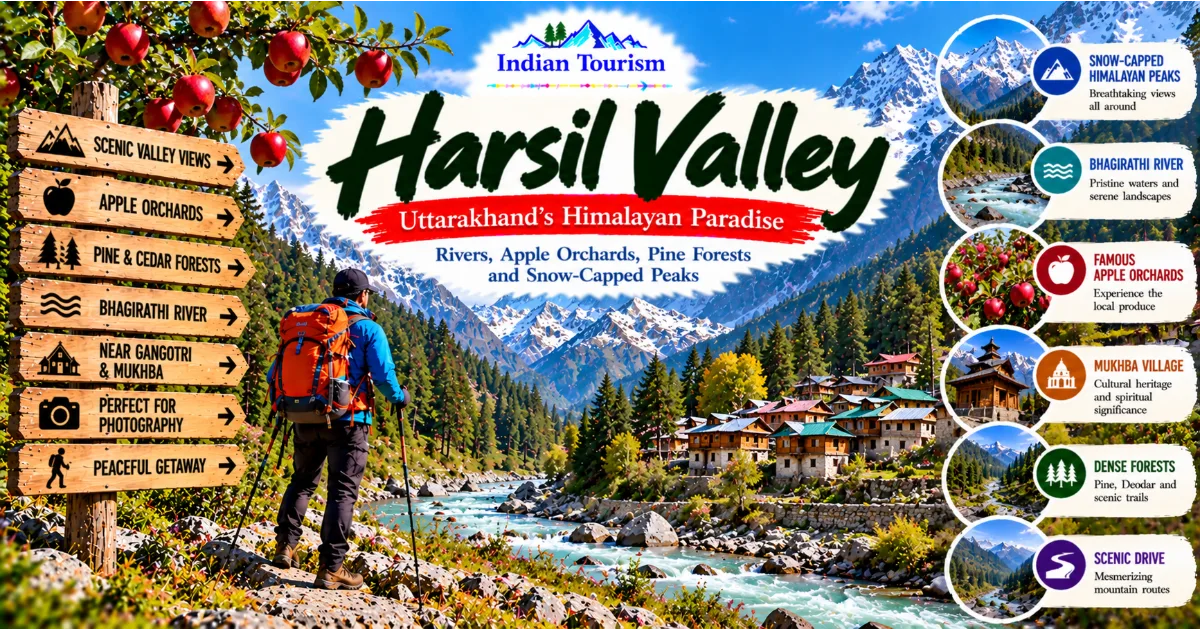
Harsil Valley is known for its mountain scenery, river landscape, forests, and village atmosphere. It lies farther along the route towards Gangotri and is often included in journeys through the upper Bhagirathi valley.
Visitors may appreciate the combination of Himalayan views and traditional settlement life. The area is also associated with apple cultivation and the seasonal rhythms of mountain communities.
Gangnani and Harsil can be combined in a wider itinerary, but the journey should be planned according to road conditions and available daylight.
Gangotri
Gangotri is a major pilgrimage destination associated with the River Ganga. The temple and surrounding landscape attract devotees and travellers interested in the religious and natural heritage of the Himalayas.
The journey towards Gangotri passes through mountain terrain, and access is subject to seasonal arrangements and local conditions. Visitors should confirm the temple's operating schedule and road status before travelling.
Gangnani can serve as a stop along the route, allowing travellers to break up the journey and explore another part of the region.
Dharali
Dharali is a settlement in the wider Harsil region, known for its mountain surroundings and connections with the local pilgrimage and agricultural landscape.
The area offers an opportunity to see how communities live in the upper Bhagirathi valley. Visitors should respect private property, local customs, and the needs of residents.
When combining Dharali with Gangnani, allow sufficient time for road travel and check which services are operating during the chosen season.
Local Culture and Mountain Life
The culture of Uttarkashi district reflects the relationship between mountain geography, religious traditions, agriculture, and seasonal travel.
Communities in the region have adapted their lives to steep terrain, changing weather, and the practical challenges of transportation. Settlement patterns often follow river valleys and areas where land can be cultivated or buildings can be constructed safely.
Religious festivals and pilgrimage activity contribute to the region's cultural calendar. Temples, local shrines, and sacred river traditions help connect communities with the wider religious landscape of Uttarakhand.
Visitors may encounter local food, small shops, and products associated with the surrounding villages. The availability of these offerings depends on the season and the level of tourism activity.
Respectful tourism means recognising that the area is a living landscape, not merely a collection of attractions. Ask permission before photographing people, avoid entering private areas, and support local businesses when possible.
Food to Try Around Gangnani
Food options around Gangnani may be limited compared with larger towns, so visitors should plan meals according to their route and the season.
In the wider Uttarakhand region, travellers may encounter simple meals based on rice, lentils, seasonal vegetables, flatbreads, and other familiar preparations. Traditional Garhwali dishes may be available in nearby towns or at selected accommodation establishments.
The availability of specific dishes should not be assumed, particularly outside the main travel season. Visitors with dietary requirements should communicate them in advance and carry suitable snacks for longer road journeys.
Mountain travel can take longer than expected, making food planning important. Carry drinking water from reliable sources and avoid consuming untreated water from streams or natural springs.
Dispose of packaging responsibly and do not leave food waste along the road or beside the river.
Photography and Scenic Experiences
Gangnani's appeal extends beyond its hot springs. The surrounding valley provides opportunities to photograph mountain slopes, winding roads, forested hillsides, river landscapes, and traditional settlements.
The appearance of the region changes with the weather. Clear conditions may reveal distant mountain features, while clouds and mist can create a quieter atmosphere around the valley.
Photographers can focus on details as well as wide views. Stone walls, local architecture, river textures, and the relationship between the road and the mountains help tell a richer story of the destination.
Visitors should photograph the hot spring area only where permitted and should avoid interfering with people using the facilities. Respect privacy and follow instructions at religious locations.
Safety remains essential. Do not stand close to unstable road edges or riverbanks for a photograph, and avoid entering restricted areas to reach a viewpoint.
Responsible Tourism in Gangnani
Natural hot springs and mountain landscapes require careful protection. Tourism can support local livelihoods, but unmanaged visitor activity can create litter, damage vegetation, and place pressure on limited facilities.
Visitors should carry their waste to appropriate disposal points and avoid throwing plastic, food packaging, or other materials into water channels.
Do not use soaps, shampoos, or other products in natural springs unless local facilities explicitly permit them. Chemicals can affect water quality and the surrounding environment.
Respect bathing rules, local religious customs, and any restrictions on access. Do not damage rocks or structures, and avoid disturbing wildlife.
Choose local services when practical and treat residents fairly. Responsible spending can help ensure that tourism benefits the people who maintain the destination.
Travellers should also recognise the vulnerability of mountain roads and slopes. Following closures, avoiding unsafe shortcuts, and responding to weather warnings are important parts of responsible travel.
Health and Safety Considerations
Gangnani's natural setting makes it attractive, but visitors should take basic precautions before and during their trip.
Mountain roads can cause discomfort for people who are sensitive to winding journeys. Plan breaks when necessary and avoid travelling in a hurry.
The temperature can change quickly, so carry warm clothing even if the weather appears mild when leaving a lower-altitude town.
When visiting the hot spring, follow all local safety guidance. Do not enter water if its temperature is uncertain, and avoid prolonged exposure to hot water. People with relevant health concerns should seek medical advice before using thermal pools.
Carry essential medicines, a basic first-aid kit, and sufficient drinking water. Visitors should also ensure that their mobile phones are charged, while remembering that network coverage may be unreliable in mountain areas.
Before departure, check current weather conditions, road access, and any official travel advisories. If a route is closed or authorities advise against travel, change the plan rather than taking unnecessary risks.
A Practical One-Day Visit
Gangnani can be included as a stop during a journey through Uttarkashi district, particularly for travellers heading towards Harsil or Gangotri.
A practical itinerary begins with an early departure from the chosen overnight base, allowing enough time for the mountain drive. Once in Gangnani, visitors can explore the hot spring area according to local rules and spend time observing the surrounding landscape.
A longer stop may include a meal or rest break, depending on the services available. Travellers can then continue towards their next destination if road conditions, daylight, and the itinerary permit.
The schedule should remain flexible. Mountain journeys are influenced by weather, traffic, roadwork, and local restrictions, so it is unwise to plan several distant attractions around fixed arrival times.
Those travelling with older adults or young children should allow additional time and avoid rushing between locations.
Who Should Visit Gangnani?
Gangnani may appeal to travellers interested in natural hot springs, Himalayan landscapes, pilgrimage routes, and quieter destinations in Uttarakhand.
It can be a useful stop for people travelling towards Harsil and Gangotri, as well as for visitors who want to explore places beyond the state's most famous tourist centres.
Nature enthusiasts may enjoy the surrounding mountain environment, while culturally curious travellers may appreciate the religious traditions associated with the wider region.
Families can consider a visit if they plan around road conditions, weather, and the suitability of the hot spring facilities. Visitors with mobility limitations should check the accessibility of the bathing area and surrounding paths before travelling.
Gangnani may not suit travellers looking for extensive shopping, nightlife, or a large range of tourist facilities. Its appeal is quieter and more closely connected with the landscape and its natural thermal waters.
Conclusion
Gangnani is a distinctive stop in Uttarakhand's Garhwal Himalayas, offering natural hot springs, mountain scenery, and a connection with the wider spiritual landscape of Uttarkashi district. Its position along the route towards Harsil and Gangotri makes it a useful addition to a journey through the Bhagirathi valley.
The best experience comes from approaching the destination with realistic expectations. Facilities may be limited, travel conditions can change, and the natural hot springs require careful use. Visitors should check local guidance, plan their journeys responsibly, and respect the environment and communities around them.
For travellers exploring Uttarakhand, Gangnani offers a reminder that the state's quieter destinations can be just as interesting as its famous temples and mountain towns. A thoughtful stop here can add another dimension to a Himalayan journey, combining natural features, cultural context, and the simple pleasure of discovering a less familiar place.
#Gangnani #UttarakhandTourism #Uttarkashi #GarhwalHimalayas #IndianTourism