Plan Your Perfect Journey Through Every Season
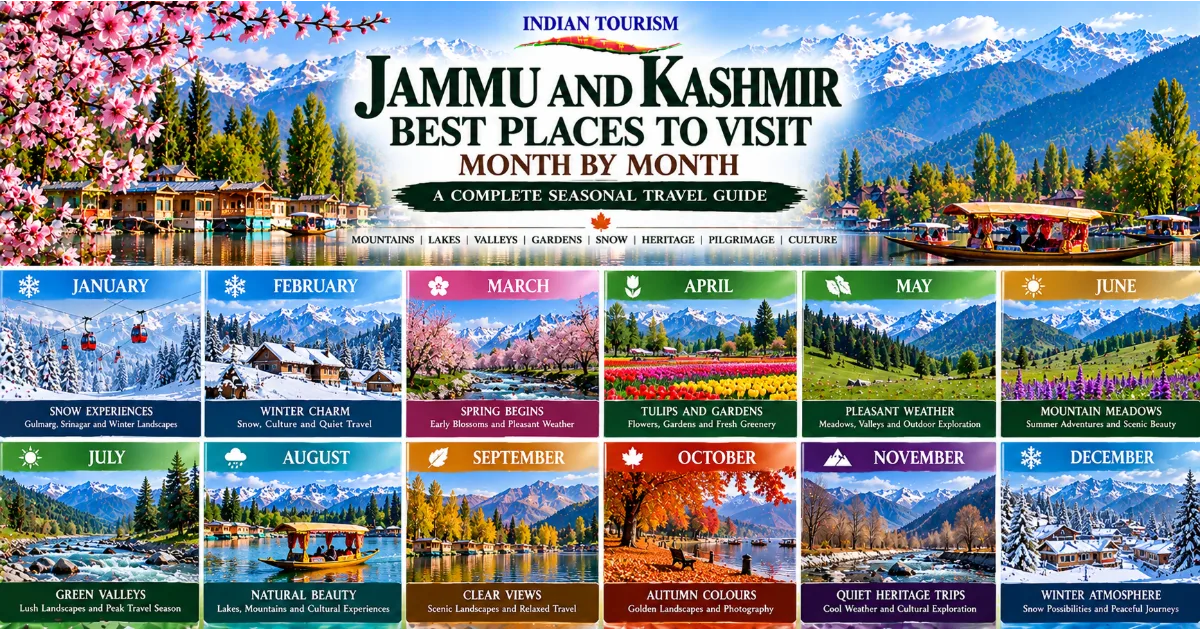
Jammu and Kashmir is a destination that changes dramatically throughout the year. Spring brings flowering gardens and fresh greenery, summer opens up mountain meadows and high-altitude landscapes, autumn transforms parts of the Kashmir Valley with golden colours, and winter creates opportunities to experience snow-covered mountains and seasonal activities. Each month offers a different perspective on the region, making the timing of a visit an important part of travel planning.
For first-time visitors, choosing when to travel can be just as important as deciding where to go. A destination that is ideal for summer sightseeing may offer a completely different experience in January. Some mountain roads and high-altitude areas become difficult to access during winter, while popular destinations can be crowded during school holidays and peak summer travel periods. Gardens, festivals, outdoor activities and local experiences also vary with the season.
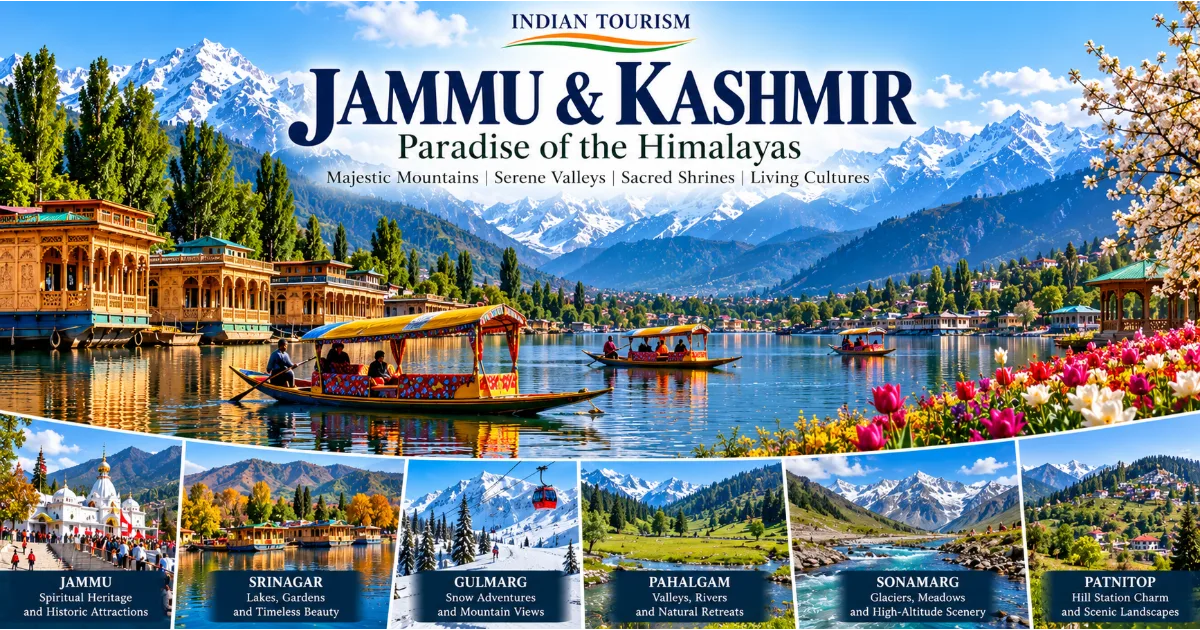
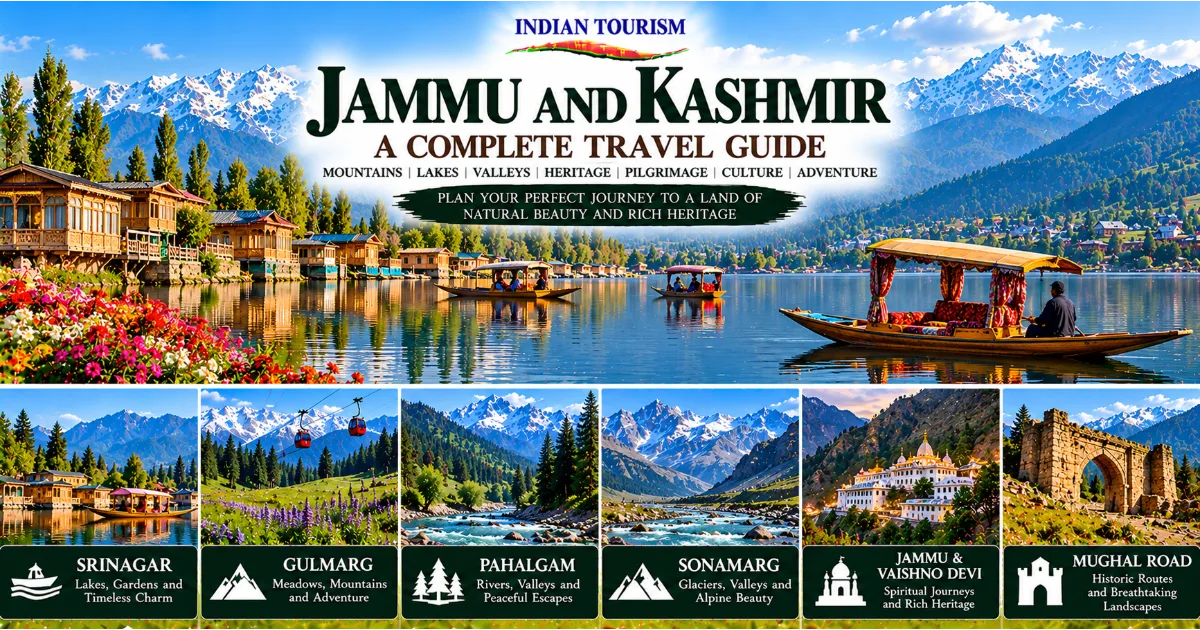
Jammu and Kashmir includes several distinct geographical areas. Srinagar and the Kashmir Valley are known for their lakes, gardens, orchards and mountain scenery. Gulmarg attracts visitors for its meadows and winter sports, while Pahalgam offers riverside landscapes and access to surrounding valleys. Sonamarg is famous for its high mountain scenery, and the Jammu region provides a different combination of religious destinations, historic sites and cultural experiences.
This month-by-month guide helps travellers understand the seasonal character of Jammu and Kashmir, identify suitable destinations and build a realistic itinerary. It also explains what to consider when travelling during different weather conditions, how to plan around seasonal access and why responsible tourism matters throughout the year.
Continue Reading
January: Snow Experiences and Winter Landscapes
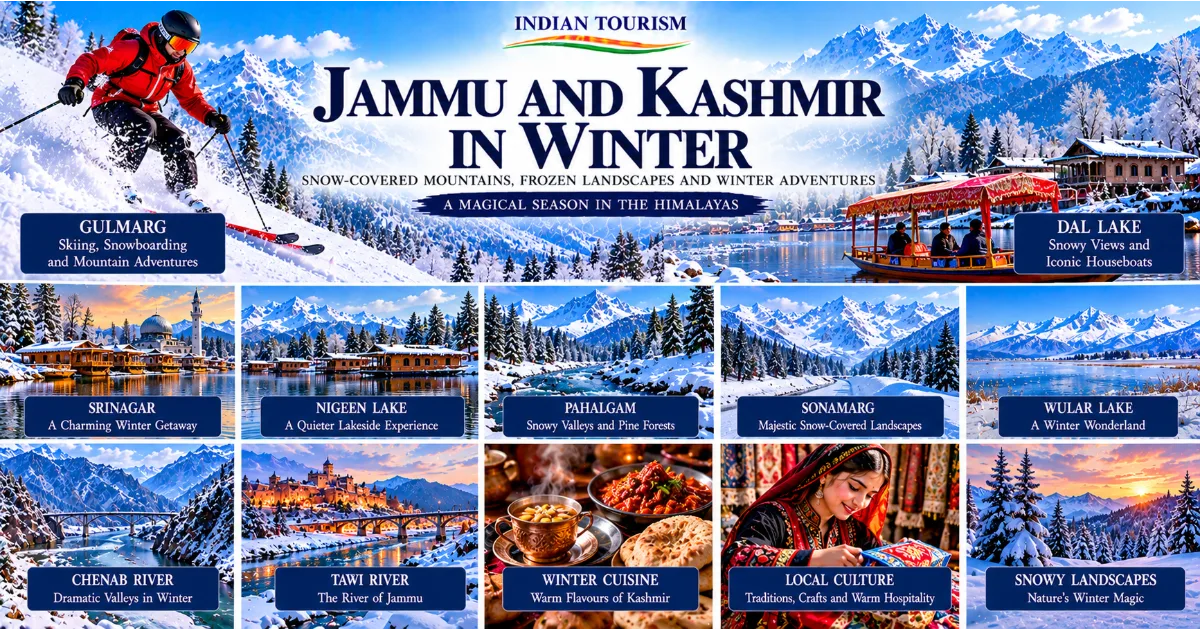
January is one of the coldest months in much of the Kashmir Valley. Srinagar can experience freezing temperatures, frost and occasional snowfall, while higher-altitude destinations may receive substantial snow depending on prevailing weather conditions. For travellers who enjoy winter scenery, this month offers a very different experience from the green landscapes associated with summer.
Gulmarg is among the main destinations to consider in January. Its winter environment can provide opportunities for skiing, snowboarding and other snow-related activities when conditions and facilities permit. Visitors should check the current snow situation, cable car operations and availability of qualified instructors before planning activities.
Srinagar offers a winter experience centred on Dal Lake, historic neighbourhoods, gardens and local food. The landscape can appear especially atmospheric during cold mornings, although snowfall and freezing conditions are not guaranteed every day. Travellers should prepare for cold weather rather than assuming that the city will always be covered in snow.
Pahalgam can also be attractive in winter, but road conditions, accommodation availability and access to nearby attractions may vary. A winter visit is best planned around the facilities and routes confirmed to be operating at the time.
January is also a suitable month for exploring selected parts of Jammu city, where the climate is generally different from the higher Kashmir Valley. Visitors interested in religious heritage may consider the region's temples and cultural landmarks.
Travel tip: Pack thermal layers, a warm jacket, waterproof footwear and gloves. Check road conditions before travelling to mountain destinations, and do not book a snow activity without confirming that it is operating safely.
February: Winter Charm and the Approach of Spring
February continues the winter season in Kashmir, although conditions vary between the beginning and the end of the month. Higher elevations may remain snowy, while lower areas can begin showing early signs of seasonal change. Travellers seeking winter scenery may still find suitable opportunities, but weather and access should always guide the itinerary.
Gulmarg remains a major option for visitors interested in snow sports. Skiing and snowboarding depend on snow conditions, visibility, safety arrangements and the operation of facilities. Beginners should seek professional instruction and avoid entering unfamiliar mountain terrain independently.
Srinagar offers opportunities to explore local markets, traditional architecture, religious sites and regional cuisine. Cold weather can make indoor cultural experiences particularly appealing. Visitors can spend time learning about Kashmiri handicrafts, traditional woodwork, textiles and the food traditions associated with the valley.
Pahalgam may appeal to travellers who prefer quieter winter landscapes, provided roads and accommodation are accessible. The surrounding mountains create a dramatic backdrop, although some seasonal excursions may not be available.
For visitors interested in the Jammu region, February can provide a useful alternative to the colder mountain destinations. Jammu city and Katra may be more convenient for cultural and pilgrimage travel, depending on weather and the individual itinerary.
February is also a good month to plan a spring trip in advance. Travellers hoping to see the famous flowering gardens of Srinagar should check seasonal announcements closer to their intended dates rather than relying on fixed expectations.
Travel tip: Winter travel requires flexibility. Keep alternative activities available in case snowfall, road closures or weather conditions affect your plans.
March: Spring Begins in the Kashmir Valley
March marks the transition towards spring in the Kashmir Valley. Temperatures gradually begin to rise, although cold mornings and occasional winter conditions can continue. The landscape starts changing, and visitors may encounter early blossoms, fresh greenery and the first signs of the garden season.
Srinagar is a particularly rewarding destination during this transition. The city's gardens, lakes and historic neighbourhoods offer a combination of outdoor sightseeing and cultural exploration. Depending on the weather and the timing of flowering, visitors may see early seasonal blooms, but peak blossom displays should not be assumed throughout the month.
The Indira Gandhi Memorial Tulip Garden is one of Srinagar's best-known seasonal attractions. Its opening dates and flowering period vary according to conditions, so travellers should check official announcements before booking specifically for tulip season. March may coincide with the beginning of the display in some years, while the main flowering period can extend into April.
Dal Lake remains a central attraction, with opportunities for shikara rides and visits to waterside areas. The experience can be pleasant during mild weather, although visitors should carry layers because temperatures may change during the day.
March can also suit travellers interested in Srinagar's cultural heritage. Historic mosques, shrines, traditional houses and markets provide insight into the region's architectural and social history.
Outdoor excursions to higher destinations require extra attention because snow may still affect access. Travellers planning to visit Gulmarg, Pahalgam or Sonamarg should check local road conditions and seasonal restrictions.
Travel tip: March is a transition month, so prepare for both mild daytime weather and cold mornings. If tulips are the main reason for your trip, confirm the garden's opening and flowering status before finalising dates.
April: Tulips, Gardens and Fresh Greenery
April is one of the most attractive months for visitors who want to experience Srinagar's spring landscapes. Gardens begin displaying seasonal colour, trees and plants come into bloom, and the valley gradually moves towards warmer weather.
The Tulip Garden is a major highlight when its seasonal display is open. Visitors can explore the landscaped grounds and enjoy views of the surrounding mountains. Because the flowering period depends on weather, the garden's most colourful days vary from year to year.
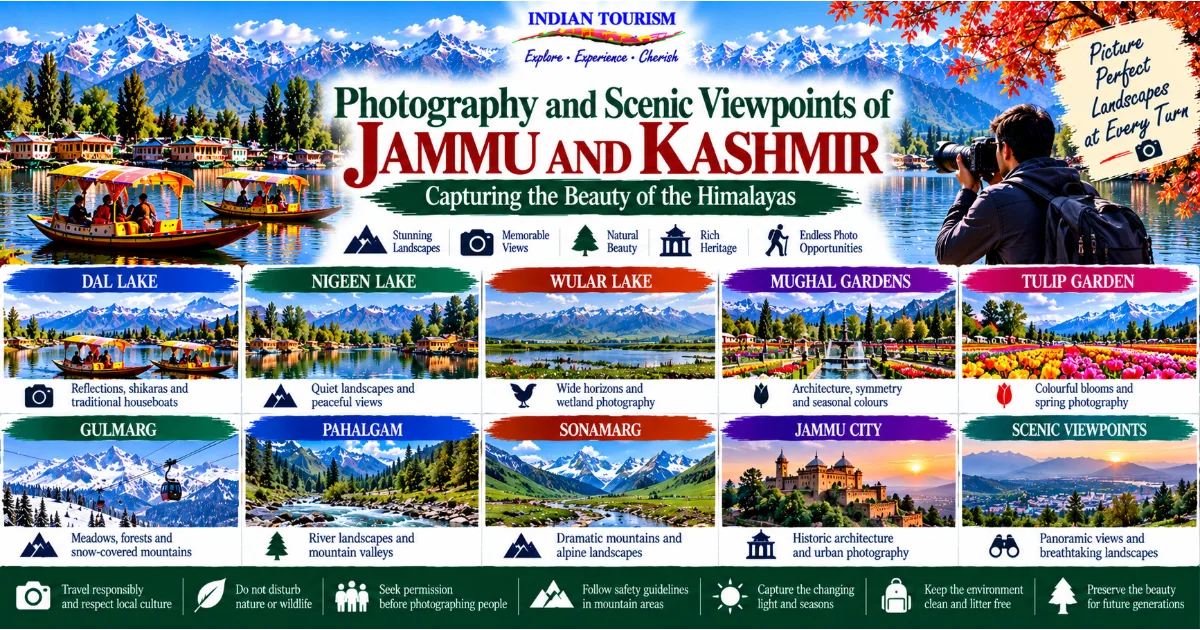
Nishat Bagh, Shalimar Bagh and Chashme Shahi are also worth visiting in spring. Their terraces, water features, planted areas and mountain settings provide a glimpse of the region's historic garden traditions. The gardens are especially appealing to photographers and travellers who enjoy relaxed sightseeing.
Dal Lake offers another perspective on the changing season. A morning or late-afternoon shikara ride can reveal reflections of the mountains, waterside homes and everyday activity along the lake. Visitors should select responsible service providers and avoid leaving waste behind.
April can also be a good time to explore Srinagar's old city, where historic architecture and local markets provide a cultural contrast to the gardens. Traditional wooden buildings, carved details and religious landmarks help explain the city's distinctive heritage.
Gulmarg and Pahalgam may offer attractive transitional landscapes, but higher elevations can still experience cold conditions and snow. Access to specific trails and excursions depends on local conditions.
Travel tip: April can be popular during the spring garden season. Book suitable accommodation early if your dates coincide with major flowering displays or holiday periods.
May: Pleasant Weather and Outdoor Exploration
May is often a popular month for exploring the Kashmir Valley because many lower and middle elevations become more comfortable for sightseeing. Gardens remain attractive, the landscape becomes greener, and visitors can begin planning a wider range of outdoor excursions.
Srinagar works well as a base for exploring the region. Travellers can combine Dal Lake, Mughal gardens, historic neighbourhoods and local markets with day trips to nearby destinations. The city also provides a useful introduction to Kashmiri food, handicrafts and traditional architecture.
Pahalgam is especially appealing in May for its riverside scenery, mountain views and green surroundings. Visitors can enjoy walks in accessible areas, explore local markets and take in the landscape without necessarily undertaking demanding hikes.
Gulmarg offers open meadows and mountain scenery as the seasonal transition continues. The exact appearance of the meadows depends on the weather and snowmelt, so travellers should avoid expecting every area to be fully green at the beginning of the month.
Sonamarg may also become more accessible as the season advances, although road conditions and access to higher-altitude areas must be checked. The journey offers dramatic views, but travel times can be affected by traffic and weather.
May can be busy because it coincides with holiday travel for many families. Popular hotels and transport services may experience high demand, particularly around long weekends and school holidays.
Travel tip: Plan a balanced itinerary rather than trying to visit every destination in a single day. Allow extra time for road journeys and reserve accommodation in advance during busy periods.
June: Mountain Meadows and Summer Adventures
June is one of the main summer travel months in Jammu and Kashmir. Many visitors arrive to enjoy cooler mountain environments, green meadows and outdoor sightseeing. The Kashmir Valley can be lively during this period, while higher elevations offer a different atmosphere from the warmer plains of India.
Gulmarg is popular for its summer scenery, walking opportunities and gondola experiences when operations permit. The views from higher elevations can be impressive, but weather conditions may change quickly. Visitors should follow local guidance and wear suitable clothing even when the lower areas feel warm.
Pahalgam is another strong choice for June. The Lidder Valley, riverside landscapes and surrounding mountains make it suitable for families, couples and travellers who prefer relaxed outdoor experiences. Local excursions may be available, subject to current access arrangements.
Sonamarg can be considered for travellers seeking high mountain scenery. However, the accessibility of specific areas depends on road status, weather and official restrictions. Visitors should check conditions before setting out and avoid assuming that every high-altitude attraction will be open.
Srinagar remains important for cultural sightseeing, gardens, lake experiences and shopping. Travellers can use the city as a base while visiting selected destinations in the surrounding valley.
June is a popular holiday period, so accommodation and transport can be expensive in high-demand locations. Booking early and choosing realistic travel distances can help make the trip more comfortable.
Travel tip: Carry sun protection, drinking water and a warm outer layer for higher elevations. Summer does not eliminate the need to prepare for cold mountain weather.
July: Green Valleys and Peak Summer Travel
July brings lush landscapes to many parts of the Kashmir Valley. Trees and meadows are often richly green, rivers and streams reflect seasonal water conditions, and the region attracts travellers looking for a mountain escape during the Indian summer.
Pahalgam is a popular destination during this period because of its riverside setting and surrounding greenery. Visitors can enjoy scenic walks, local food and views of the mountains. Activities near rivers should be approached carefully, particularly when water levels are high or currents are strong.
Gulmarg offers summer landscapes and opportunities for sightseeing. The meadows and surrounding forests can be appealing to photographers and nature enthusiasts, although rain and cloud cover may affect visibility.
Srinagar provides a mix of outdoor and indoor experiences. Visitors can explore Dal Lake, gardens, markets and historic sites, while taking breaks during periods of rain or heavier visitor activity.
July also requires attention to rainfall. Mountain roads can be affected by landslides, surface damage or temporary restrictions. A destination that is normally accessible may become difficult to reach during adverse conditions.
Because July falls within a popular summer travel period, some places can be crowded. Travellers who prefer a quieter experience may benefit from visiting attractions early in the day or choosing less congested times for road journeys.
Travel tip: Keep your schedule flexible and check weather forecasts before every mountain excursion. Never attempt to cross flooded streams or continue through a road section that authorities have closed.
August: Lush Landscapes and Cultural Experiences
August continues the summer season, with green landscapes and opportunities to explore the region's natural and cultural attractions. Weather can be variable, and rainfall may affect road conditions, particularly in mountainous areas.
Srinagar remains a suitable base for visitors who want to combine scenic experiences with cultural exploration. Dal Lake, historic gardens, old-city architecture and local markets can be arranged into a flexible itinerary that allows for changes in weather.
Pahalgam is attractive for travellers interested in valley scenery and riverside walks. The surrounding environment may appear especially lush, but outdoor activities should always be planned according to current conditions.
Gulmarg offers open landscapes and mountain views, while Sonamarg may appeal to visitors seeking dramatic scenery. Access to particular areas should be confirmed before departure, especially after heavy rain or when weather warnings are in effect.
August can also be a good month to explore Kashmiri handicrafts and traditional food. Visitors can spend time learning about wood carving, textiles, papier-mache work and regional cooking traditions, adding cultural depth to a holiday centred on nature.
Travellers should avoid assuming that rain affects every part of the territory in the same way. Conditions can differ significantly between locations and elevations, making destination-specific forecasts more useful than a general regional outlook.
Travel tip: Carry a lightweight waterproof jacket, suitable footwear and a flexible plan. Prioritise safe access over completing every activity on your original itinerary.
September: Clear Views and the Beginning of Autumn
September can be a rewarding month for travellers who prefer a somewhat calmer atmosphere after the busiest summer period. The weather may remain pleasant for outdoor sightseeing, while the landscape begins moving towards autumn in some areas.
Srinagar is particularly suitable for a combination of lake experiences, garden visits, architecture and food. Dal Lake remains attractive throughout the year, and the historic city offers enough cultural activities to fill several days without relying entirely on mountain excursions.
Pahalgam provides opportunities to enjoy mountain views and riverside scenery. Visitors can take relaxed walks and explore accessible areas, depending on weather and local conditions.
Gulmarg offers a different perspective on the changing season. The landscape may begin showing subtle seasonal variations, although autumn colours are not equally visible everywhere at the same time.
September can also suit heritage-focused travel. Burzahom, Naranag and historic sites around Srinagar may interest visitors who want to learn about the region's archaeological and architectural history. Travellers should check current access and any local restrictions before visiting.
The weather can still change quickly at higher elevations, and rain or early cold conditions may affect excursions. Visitors should keep warm clothing available and avoid assuming that September guarantees summer-like conditions throughout the region.
Travel tip: September is a good time to build a balanced itinerary around Srinagar, one or two mountain destinations and selected cultural sites, leaving enough time for unplanned discoveries.
October: Autumn Colours and Golden Landscapes
October is often associated with the autumn character of the Kashmir Valley. Chinar trees can display striking seasonal colours, orchards move through important stages of the agricultural calendar, and the landscape begins taking on warmer shades of gold, red and brown.
Srinagar is one of the main destinations for autumn sightseeing. The city's gardens, lakes and historic neighbourhoods provide opportunities for photography and relaxed exploration. The changing colour of chinar trees is particularly attractive in suitable locations, although the timing and intensity of autumn foliage vary each year.
The Mughal gardens can be visited for their historical design and seasonal atmosphere. Their appearance differs from spring, when flowering displays dominate, and autumn offers a different kind of visual interest.
Pahalgam may also provide beautiful seasonal scenery, particularly for visitors who enjoy mountain views and quieter walks. Temperatures can fall noticeably, especially in the mornings and evenings.
October is a good month for cultural experiences as well. Travellers can explore traditional architecture, local markets, regional cuisine and handicraft workshops. These activities provide alternatives if weather conditions limit access to higher elevations.
Some high-altitude routes and attractions may begin experiencing colder conditions or seasonal restrictions. Travellers should check access before planning a long excursion and avoid relying on old travel schedules.
Travel tip: Carry layered clothing and plan outdoor sightseeing around daylight hours. Autumn colours are seasonal, so check recent local updates if foliage photography is your main priority.
November: Quiet Heritage Trips and the Transition to Winter
November is a transitional month in Jammu and Kashmir. Temperatures decline, particularly in the Kashmir Valley, and the atmosphere becomes increasingly wintry. Some visitors appreciate the quieter conditions, while others may prefer the more active outdoor season of spring and summer.
Srinagar remains a useful destination for travellers interested in architecture, markets, gardens and food. Dal Lake offers a different experience in colder weather, and traditional neighbourhoods provide opportunities to explore the region's cultural heritage.
November is suitable for a slower travel style. Visitors can spend time learning about Kashmiri crafts, visiting historic religious buildings and sampling local cuisine rather than attempting a demanding schedule of outdoor excursions.
Pahalgam and Gulmarg may still be accessible, but conditions become less predictable as winter approaches. Higher elevations can experience snow or cold weather, and some activities may become unavailable.
The Jammu region may be a practical alternative for visitors seeking historical and religious destinations under different climatic conditions. Jammu city and Katra can be included depending on the traveler's interests and current conditions.
November is not the best month to assume that every high-altitude destination will be accessible. A flexible itinerary and reliable local information are essential.
Travel tip: Choose accommodation with suitable heating, check road status before travelling outside the city and allow additional time for journeys in cold or foggy conditions.
December: Winter Atmosphere and Snow Possibilities
December marks the beginning of winter conditions across much of the Kashmir Valley. Temperatures can fall sharply, and snow may arrive in some locations, although the timing and amount vary from year to year.
Gulmarg is a major destination for travellers hoping to experience winter landscapes. Snow-related activities depend on actual conditions, so visitors should confirm whether facilities are operating before booking equipment or lessons.
Srinagar offers a quieter winter experience centred on lakes, historic buildings, markets and regional food. Visitors should prepare for cold weather and confirm that their accommodation provides suitable heating.
Pahalgam can also be attractive in winter, but access to nearby attractions may be limited by snow or road conditions. Travellers should not assume that every excursion available in summer will operate in December.
The Jammu region can provide alternatives for visitors who prefer to explore religious sites, urban heritage and cultural attractions without relying entirely on snow conditions. However, weather and travel arrangements should still be checked.
December can be busy around holidays and year-end travel dates. Accommodation demand may increase in popular winter destinations, particularly when snow conditions attract visitors.
Travel tip: Pack appropriate winter clothing, check weather and road conditions daily, and book snow activities through reputable operators. Never assume that a snow-covered landscape guarantees safe access to every mountain area.
Choosing the Right Month for Your Travel Style
The best month for Jammu and Kashmir depends on what you want to experience. Travellers interested in spring flowers may prefer March or April, depending on the timing of the seasonal displays. Those seeking green meadows and outdoor sightseeing often consider May through September, while October appeals to visitors interested in autumn scenery.
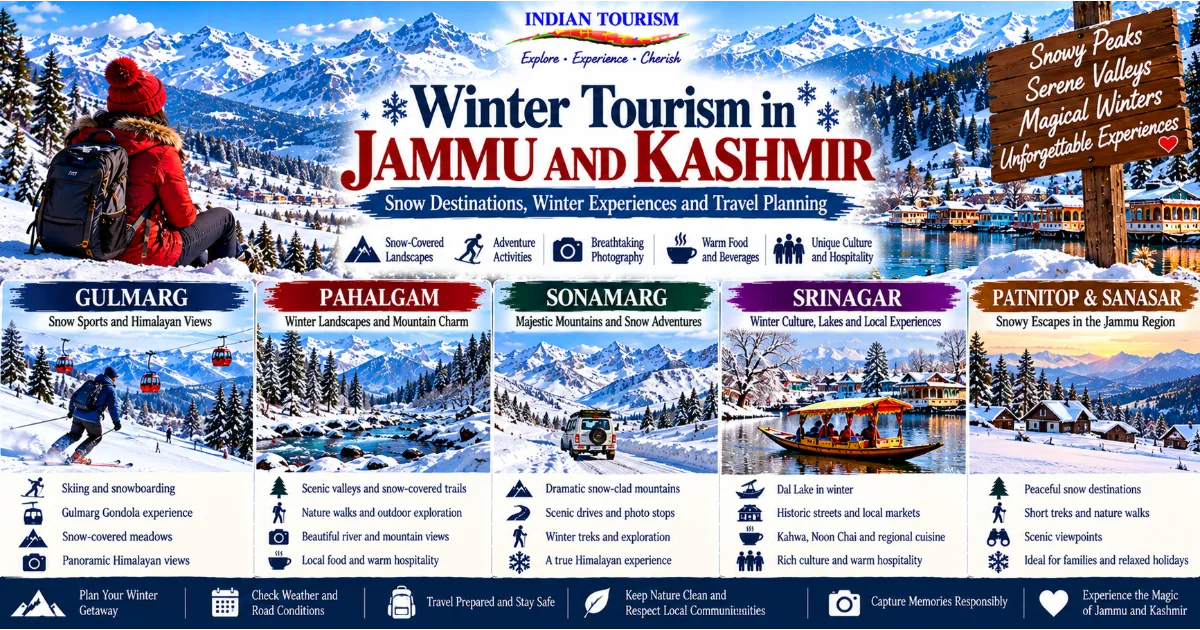
Winter enthusiasts may choose January, February or December for snow-related experiences, particularly in Gulmarg when conditions are suitable. However, snow is weather-dependent, and travel plans should include alternatives.
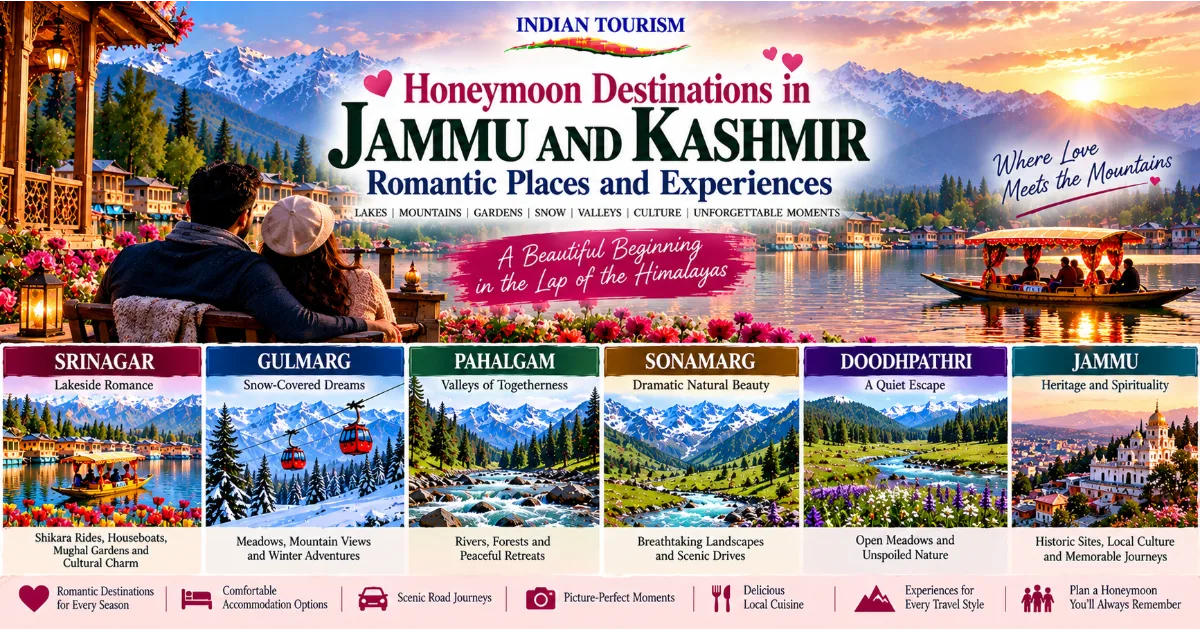
Families with children may prefer periods when the weather is comfortable and transport arrangements are straightforward. Couples seeking scenic stays may enjoy spring, summer or autumn, depending on whether they prefer flowers, green landscapes or seasonal colours.
History and culture enthusiasts can visit throughout much of the year by focusing on Srinagar's historic neighbourhoods, religious buildings, handicrafts and selected archaeological sites. Their itinerary should still reflect opening arrangements and seasonal access.
Budget travellers may find it useful to compare accommodation rates across different periods rather than assuming one month will always be cheapest. Demand can rise around school holidays, festivals, weather events and major travel periods.
The best approach is to choose the experiences that matter most, confirm the conditions associated with them and build the itinerary around realistic travel times. No single month guarantees every attraction will be at its best.
Practical Tips for Planning a Month-Specific Visit
Start by identifying the destinations that are most important to you. A spring garden trip should be planned differently from a winter snow holiday or an autumn photography journey. Selecting priorities helps prevent unnecessary travel and makes it easier to choose suitable accommodation.
Check seasonal access before booking non-refundable arrangements. Mountain roads, cable car services, excursions and outdoor activities can be affected by weather and maintenance. Use current official information and reliable local guidance when making decisions.
Pack according to the highest elevation you expect to visit, not only the weather in your arrival city. A traveller staying in Srinagar but visiting a high mountain area may need substantially warmer clothing than the city forecast suggests.
Allow enough time for road journeys. Mountain routes can be affected by traffic, roadworks, weather and restrictions. Avoid planning several distant destinations in one day, particularly during winter or periods of heavy rainfall.
Book popular accommodation and activities early when travelling during busy periods. At the same time, review cancellation conditions and avoid committing to a rigid schedule that leaves no room for weather-related changes.
Finally, respect the environment and local communities. Avoid littering, use reputable guides and transport providers, follow instructions at religious sites and treat historic structures with care.
Conclusion: Every Month Reveals a Different Kashmir
Jammu and Kashmir offers a remarkable range of seasonal experiences, from the flowering gardens of spring and the green mountain meadows of summer to the golden landscapes of autumn and the snow-covered slopes of winter. Each month creates a different opportunity to understand the region's natural beauty, cultural heritage and distinctive way of life.
Srinagar remains a versatile destination throughout the year, while Gulmarg, Pahalgam and Sonamarg offer different experiences depending on weather and access. The Jammu region adds religious, historical and cultural attractions that broaden the journey beyond the Kashmir Valley.
The most rewarding trip is not necessarily the one that includes the greatest number of destinations. It is the one that matches the season to the traveller's interests, allows realistic travel times and remains flexible when conditions change.
Before choosing your dates, decide whether you want flowers, meadows, autumn colours, snow, cultural exploration or a combination of experiences. Then check the relevant conditions and plan a balanced itinerary that allows time to appreciate each destination.
Jammu and Kashmir is not defined by one season alone. Its changing landscapes are part of what makes it special, and every month offers a different way to experience the mountains, lakes, valleys, heritage and hospitality of the region.
#IndianTourism #JammuAndKashmir #KashmirTourism #BestTimeToVisitKashmir #Srinagar #Gulmarg #Pahalgam #Sonamarg #DalLake #KashmirInSpring #KashmirInAutumn #KashmirInWinter #IndiaTravelGuide #SeasonalTravel #ExploreKashmir #ResponsibleTourism