Where Water Shapes the Beauty of the Himalayas
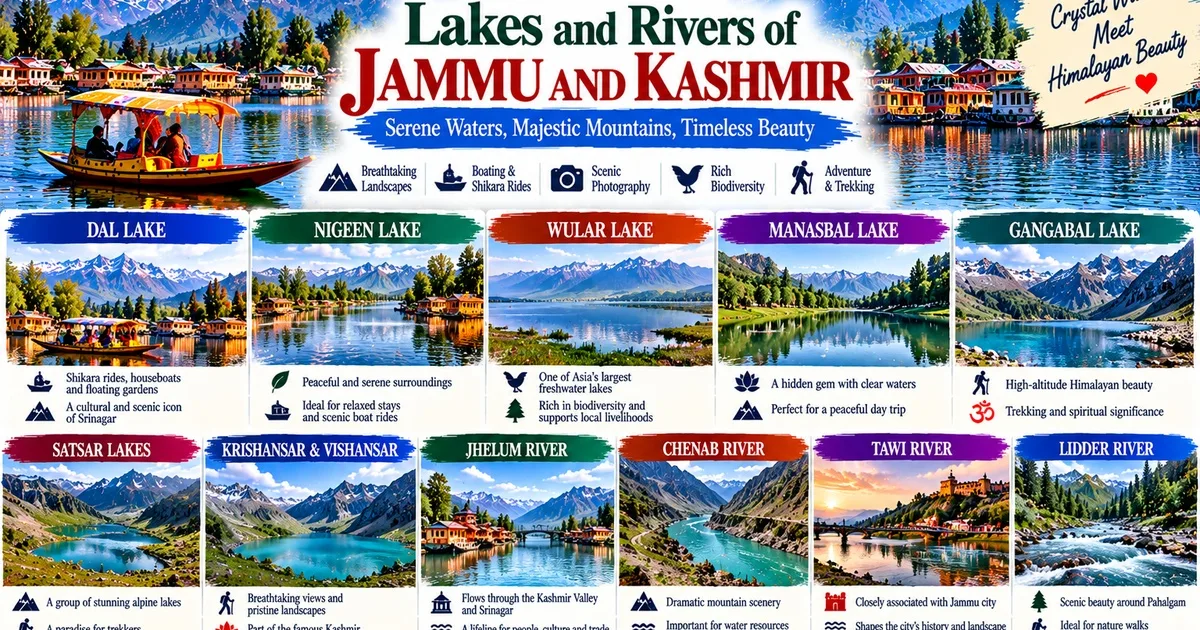
Jammu and Kashmir is renowned for its spectacular mountains, green valleys, traditional villages and breathtaking natural scenery. Among the most captivating features of this Himalayan region are its lakes and rivers, which have shaped its landscapes, supported communities and inspired generations of travellers. From the famous Dal Lake in Srinagar to the high-altitude beauty of Pangong Lake's neighbouring Himalayan landscapes in the wider Ladakh region, the northern Himalayas contain extraordinary examples of how water transforms a destination. Within Jammu and Kashmir itself, lakes such as Wular, Manasbal, Dal and Gangabal offer distinct experiences, while rivers such as the Jhelum, Chenab, Tawi and Lidder contribute to the region's geography, agriculture, traditions and tourism.
Lakes and rivers are more than scenic attractions. They provide water for households and agriculture, support fish and bird populations, influence local climates and connect settlements across valleys. Many communities have developed distinctive ways of living around these water bodies, creating traditions related to fishing, farming, transport, food and seasonal recreation. For visitors, these landscapes offer opportunities for boating, photography, birdwatching, lakeside walks, fishing where permitted and journeys through some of the most beautiful parts of the Himalayas.
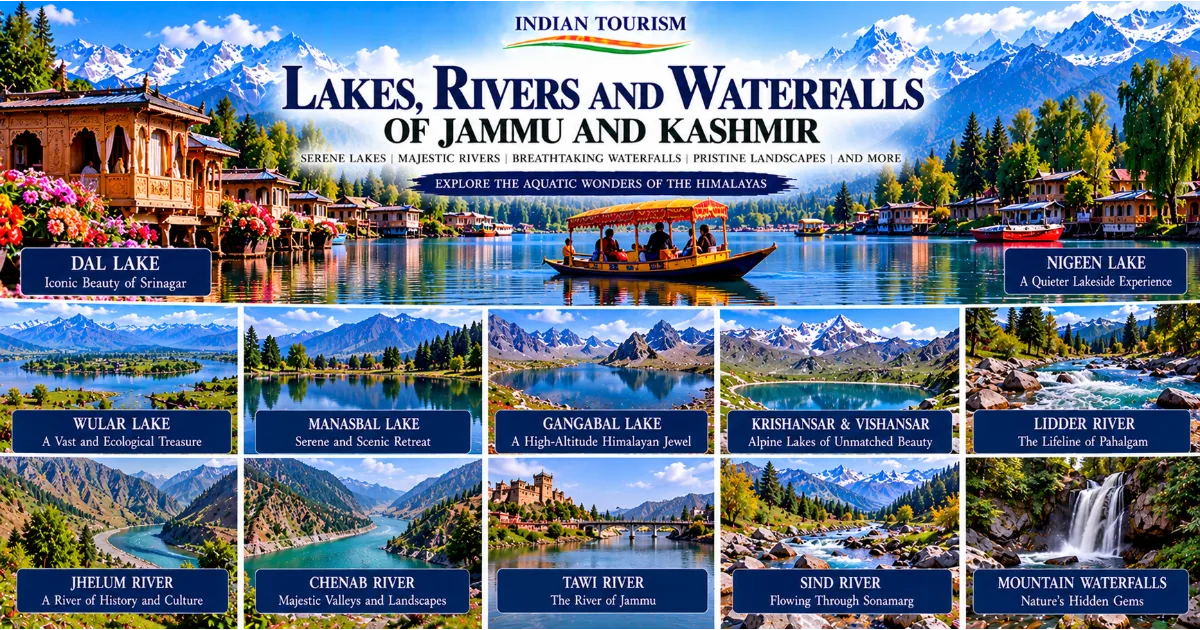
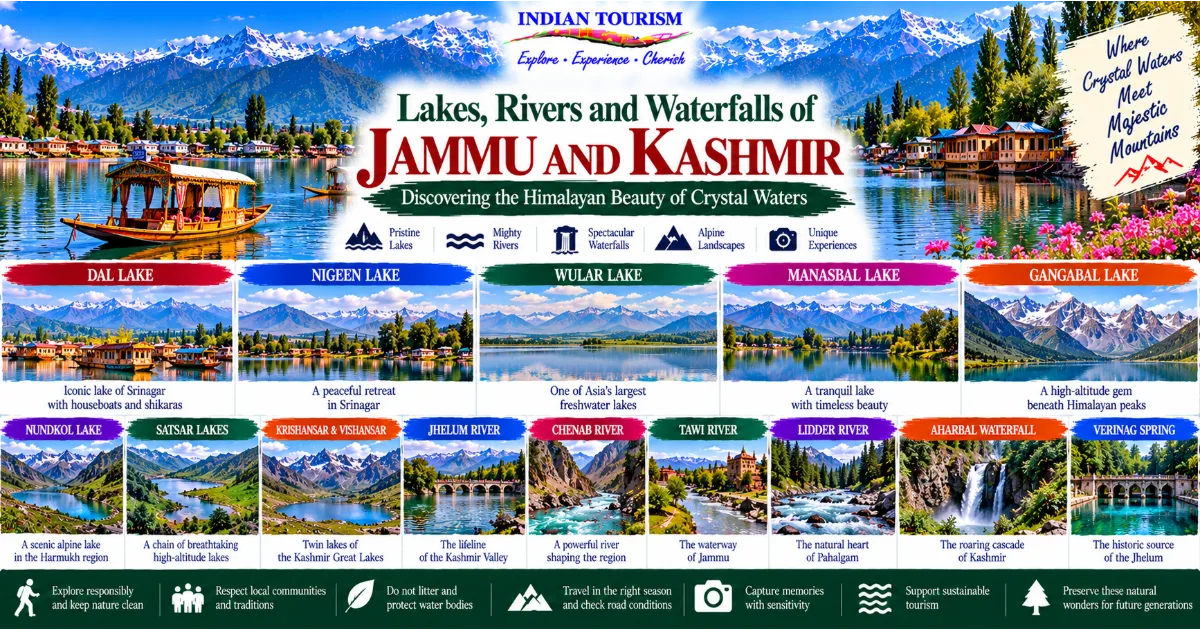
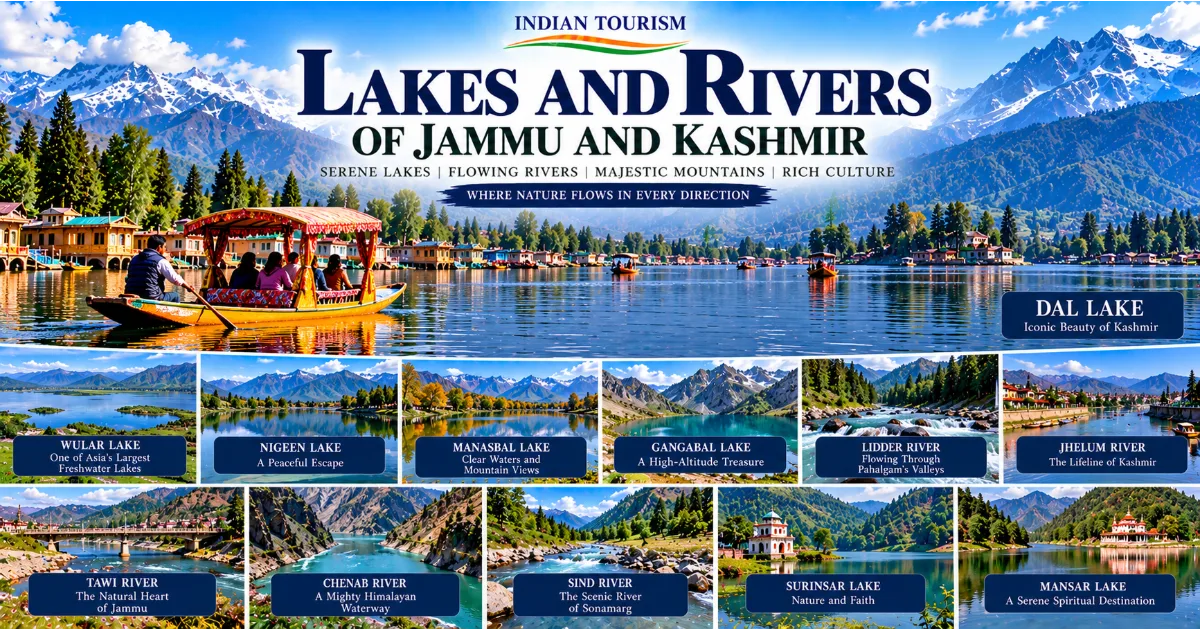
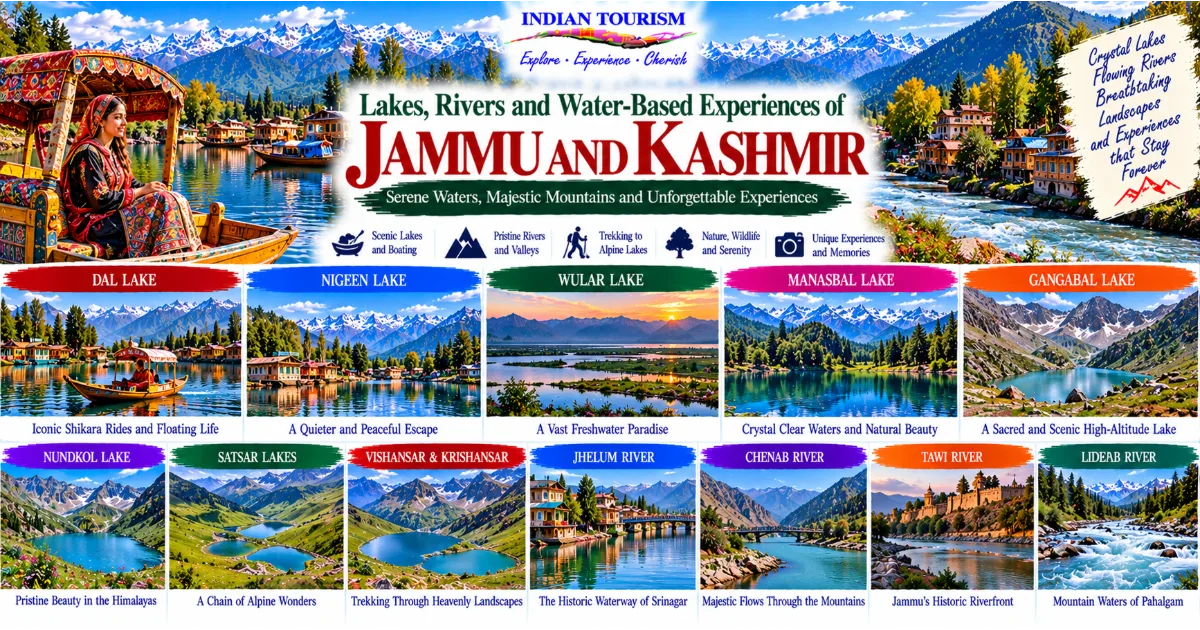
The experience varies considerably from one destination to another. Dal Lake is closely connected with the cultural and urban life of Srinagar, with houseboats, shikaras, floating markets and views of the surrounding mountains. Wular Lake is a vast freshwater lake of major ecological importance. Manasbal Lake is known for its relatively peaceful atmosphere and scenic surroundings. Gangabal Lake, situated at high altitude beneath the Harmukh mountain range, attracts trekkers and pilgrims seeking a more remote Himalayan experience.
The rivers of Jammu and Kashmir offer another perspective on the landscape. The Jhelum flows through the Kashmir Valley and Srinagar, while the Chenab cuts through dramatic mountain terrain. The Tawi is closely associated with Jammu city, and the Lidder River flows through the picturesque surroundings of Pahalgam. Each waterway has its own character, shaped by elevation, geology, climate and human settlement.
Continue Reading
This guide explores the major lakes and rivers of Jammu and Kashmir, their attractions, suitable seasons, travel experiences and the importance of responsible tourism.
Dal Lake: The Cultural Heart of Srinagar
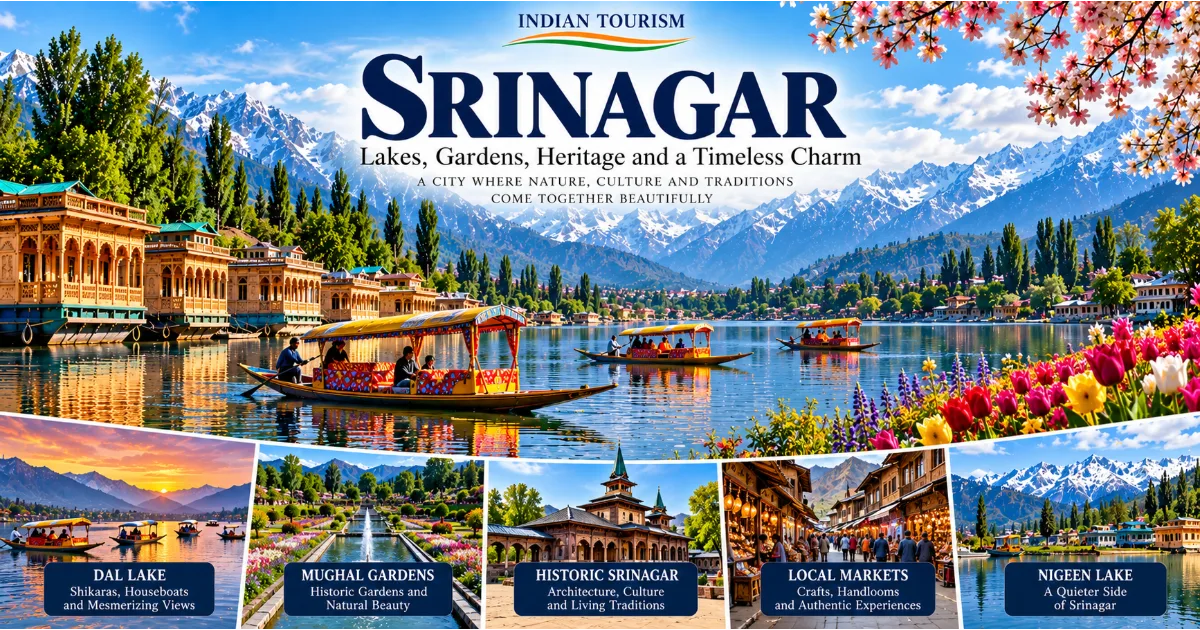
Dal Lake is one of the most recognisable natural landmarks of Kashmir and a defining feature of Srinagar's identity. Surrounded by mountains, gardens, residential neighbourhoods and traditional houseboats, the lake offers a combination of natural beauty and cultural experiences that has attracted travellers for generations.
The lake is closely associated with the shikara, a traditional wooden boat used for transport, sightseeing and everyday activities. A shikara ride provides a different perspective on Srinagar, allowing visitors to observe floating gardens, waterside homes, small trading boats and the changing reflections of the surrounding landscape. Early mornings can be particularly atmospheric, when the water is relatively calm and the mountains appear through the soft light.
Houseboats are another distinctive part of Dal Lake's tourism heritage. These floating accommodations range from relatively simple traditional properties to more elaborate establishments offering private rooms, dining areas and views across the water. Staying on a houseboat can provide a memorable experience, although travellers should compare facilities, location, heating arrangements, reviews and environmental practices before booking.
Dal Lake also supports livelihoods through fishing, horticulture, boat services and the cultivation of aquatic plants. Floating gardens are an important feature of the lake's traditional economy, demonstrating how residents have adapted to a watery environment. In some areas, floating markets allow visitors to observe small-scale trading and local produce sales.
The experience changes with the seasons. Spring brings fresh vegetation and renewed activity, summer offers longer days for boating, autumn creates beautiful colours around the surrounding hills, and winter can bring cold temperatures and occasional freezing conditions in parts of the lake. Visitors should check current weather and boating conditions before planning outdoor activities.
Dal Lake faces environmental challenges, including waste pollution, nutrient enrichment and pressure from urban development. Responsible visitors can help by avoiding litter, using legitimate boat operators and choosing accommodation providers that take waste management seriously. The lake is not simply a tourist attraction. It is a living environment and an essential part of Srinagar's cultural and economic life.
Nigeen Lake: A Quieter Lakeside Experience
Nigeen Lake, located near Dal Lake in Srinagar, offers a different atmosphere for travellers who prefer a relatively peaceful waterfront setting. Although connected with the broader lake system, it is often described as a distinct destination because of its surroundings, boating experiences and accommodation options.
The lake is known for its clear views, houseboats, shikaras and tree-lined edges. Compared with some of the busiest parts of Dal Lake, particular areas around Nigeen can feel more relaxed, although conditions vary according to the season and the number of visitors.
A shikara ride on Nigeen Lake allows travellers to enjoy the mountain scenery and observe local life at a comfortable pace. The experience can be particularly rewarding in the early morning or near sunset, when the light changes across the water and surrounding hills. Photographers may find opportunities to capture reflections, boats and traditional waterside architecture.
Houseboat stays are available around the lake, and the setting can appeal to couples, families and travellers interested in slower-paced holidays. Before booking, visitors should check the exact location, access arrangements, heating, meals and transport options. A property that looks close to the main attractions on a map may still require a boat ride or additional road travel.
Nigeen Lake can be combined with a wider Srinagar itinerary that includes Dal Lake, the Mughal gardens and historic religious sites. However, visitors should allow enough time to enjoy the water rather than rushing between attractions.
The lake's environmental condition depends on responsible management and everyday practices. Travellers should avoid leaving waste behind, should not throw food packaging into the water and should support services that demonstrate care for the surrounding ecosystem.
Wular Lake: A Vast Freshwater Landscape
Wular Lake, located in the northern part of the Kashmir Valley, is one of the region's most important freshwater ecosystems. Its scale and ecological significance distinguish it from the more urbanised lakes around Srinagar. The lake is associated with the Jhelum River system and plays an important role in water storage, fisheries, livelihoods and wetland ecology.
The landscape around Wular is different from the enclosed atmosphere of Dal Lake. Its wide stretches of water, open views and surrounding settlements create a sense of space that reflects the broader geography of the Valley. The appearance of the lake changes with water levels, weather and the seasons, making it an interesting destination for visitors who want to experience Kashmir's natural environment beyond its most famous tourist centres.
Wular supports fishing communities whose livelihoods depend on the lake's resources. Fish, aquatic plants and wetland products have long formed part of local economic activity. The surrounding landscape also supports birdlife, making the area relevant to nature enthusiasts and birdwatchers.
Visitors interested in Wular should consider the importance of the lake as a working ecosystem rather than a conventional recreational attraction. Boating options and access facilities may vary by location, and not every shoreline is developed for tourism. Travellers should use locally authorised services and seek guidance about safe places to observe the landscape.
The lake faces ecological pressures that can include sedimentation, pollution, changes in land use and the degradation of wetland habitats. Protecting its ecological functions matters not only for wildlife but also for communities and water management throughout the Valley.
A visit to Wular can provide a deeper understanding of the relationship between natural landscapes and human livelihoods. It is particularly suitable for travellers interested in wetlands, rural life and environmental conservation.
Manasbal Lake: A Hidden Gem Near Srinagar
Manasbal Lake, situated in the Ganderbal district, is often appreciated for its scenic beauty and comparatively peaceful atmosphere. Surrounded by hills and rural settlements, it offers a rewarding excursion for visitors who want to explore beyond Srinagar's most familiar tourist locations.
The lake is known for its relatively clear water, aquatic vegetation and attractive views. Its setting creates opportunities for photography, lakeside observation and seasonal birdwatching. Depending on local conditions, visitors may also find boating services and places to sit beside the water.
Manasbal's surroundings reveal a quieter side of Kashmir's landscape. Villages, cultivated fields and the nearby hills create a setting that differs from the busy waterfront areas of Srinagar. Travellers can use the visit to understand how lakes form part of rural life, supporting agriculture, recreation and local economic activity.
The lake is often included in day trips from Srinagar, but travel time depends on the starting point, traffic and road conditions. Visitors should confirm the availability of facilities before travelling, especially if they expect restaurants, boat services or other organised activities.
Nature enthusiasts may appreciate the seasonal birdlife and vegetation around the lake. Observation should be carried out without disturbing birds, damaging plants or entering restricted areas. Feeding wildlife or leaving food waste can harm the environment.
Manasbal is a good choice for travellers who prefer a slower excursion with time for scenery and photography. Combining it with a local heritage stop can create a fuller day, provided the itinerary allows enough time to enjoy the lake itself.
Gangabal Lake: A High-Altitude Himalayan Treasure
Gangabal Lake lies at high altitude beneath the Harmukh mountain range and is among the most striking alpine lakes associated with the Kashmir Himalayas. Its remote setting, mountain backdrop and trekking approach make it very different from the easily accessible lakes around Srinagar.
The lake is reached through a mountain journey that requires proper preparation. Trekkers generally travel through elevated terrain, with route conditions influenced by snow, rainfall, temperature and the season. The journey is physically demanding in places, and visitors should not assume that the route is suitable for everyone.
Gangabal holds religious significance for some Hindu pilgrims and is associated with traditions connected to Lord Shiva. Its cultural importance adds another dimension to the natural landscape, demonstrating how mountain lakes can become places of spiritual meaning as well as destinations for adventure tourism.
The surroundings offer dramatic views of mountains, open meadows and clear alpine water. For experienced hikers, the journey can provide a rewarding introduction to the high-altitude environment of Kashmir. However, the scenery should not distract from the risks associated with changing weather, difficult terrain and limited facilities.
Travellers should plan with experienced local guides or authorised trekking providers when appropriate, carry suitable clothing and equipment, and check current access and safety information. Acclimatisation, hydration and realistic daily distances are important considerations. People with medical concerns should seek suitable advice before undertaking strenuous high-altitude travel.
Because Gangabal is a fragile natural environment, visitors must carry back their waste, avoid disturbing wildlife and refrain from polluting the water. Camping should take place only where permitted and in accordance with local rules.
Gangabal is best suited to travellers who value nature, trekking and cultural landscapes and who are prepared to respect the demands of a remote Himalayan destination.
Satsar Lakes: A Chain of Alpine Waters
The Satsar Lakes are a group of high-altitude lakes associated with the Kashmir Great Lakes trekking region. Their name refers to a group of lakes, and their appearance changes according to seasonal water levels, snowmelt and weather conditions.
These lakes are typically experienced as part of a multi-day mountain trek rather than as an easy roadside excursion. The journey passes through alpine meadows, mountain paths and highland terrain, providing views of the wider Himalayan landscape.
The attraction of Satsar lies in the sense of remoteness and the variety of scenery encountered along the route. Trekkers may experience open meadows, rocky slopes, changing vegetation and clear water surrounded by mountain terrain. The exact appearance of the lakes varies with the season, and some may be smaller or partially affected by changing water conditions.
The trekking season is generally limited by snow and weather. Travellers should verify current route conditions, permit requirements where applicable, local guidance and any restrictions before setting out. A trek that is described as beautiful can still involve challenging climbs, cold nights and rapidly changing conditions.
Appropriate equipment is essential. Visitors should carry layers for cold weather, waterproof protection, sturdy footwear and sufficient supplies according to the route plan. Hiring a qualified local guide or joining a reputable trekking group can improve safety and help visitors understand the landscape.
Satsar's ecological sensitivity makes responsible trekking especially important. Waste should be carried out, vegetation should not be damaged, and wildlife should be observed from a distance. Visitors should avoid washing with soaps or detergents in natural water bodies.
For experienced outdoor travellers, Satsar offers a remarkable way to experience the alpine side of Kashmir. It is best approached as a carefully planned mountain expedition rather than a casual day trip.
Krishansar and Vishansar Lakes: The Beauty of the Kashmir Great Lakes Region
Krishansar and Vishansar are celebrated alpine lakes in the Kashmir Great Lakes trekking landscape. Their mountain settings, meadows and clear waters make them popular subjects for photographers and trekking enthusiasts.
Vishansar is often encountered along established trekking itineraries through the highlands, while Krishansar forms part of the wider alpine lake region. Both lakes are associated with dramatic scenery and seasonal changes influenced by snowmelt and mountain weather.
The route to these lakes involves high-altitude travel and should be undertaken only with appropriate preparation. Trekkers may encounter steep sections, exposed paths, cold conditions and limited access to facilities. Weather can change rapidly, and the availability of safe campsites or route access may vary.
The experience is particularly rewarding for people who enjoy walking through remote landscapes rather than travelling by vehicle between conventional sightseeing stops. The lakes offer a sense of quiet and scale that is difficult to find in more developed tourist areas.
Visitors should respect local regulations, seek current guidance and avoid travelling independently into unfamiliar high-altitude terrain without the required experience and equipment. Trekking schedules should include sufficient time for rest, weather delays and safe descent.
The ecological importance of these lakes requires careful behaviour. Visitors should not leave plastic waste, damage meadow vegetation or contaminate the water. Human waste should be managed according to responsible trekking practices and local requirements.
Krishansar and Vishansar demonstrate why the Kashmir Himalayas attract trekkers from across India and abroad. Their beauty is best experienced by visitors who understand that remote landscapes demand patience, preparation and environmental responsibility.
The Jhelum River: The Lifeline of the Kashmir Valley
The Jhelum River is one of the most important waterways in Kashmir. It flows through the Valley and passes through Srinagar, where it has historically shaped transport, trade, settlement and everyday life.
The river is closely connected with the history of Srinagar. Traditional neighbourhoods developed along its banks, and bridges created important links between different parts of the city. For centuries, waterways played a role in moving people and goods, while the river provided water for households, agriculture and other activities.
A journey along the Jhelum offers a different perspective on Srinagar from a shikara ride on Dal Lake. The river passes through an urban environment that includes traditional houses, historic buildings, bridges and commercial areas. Its banks reveal the relationship between the city and the waterway that runs through it.
The Jhelum also plays an important role in the wider hydrology of the Kashmir Valley. Its flow is influenced by rainfall, snowmelt and seasonal conditions. Water management is therefore important for agriculture, settlement and flood risk.
Travellers should not assume that every section of the river is suitable for boating or recreation. Conditions vary, and water levels, currents and local restrictions must be considered. Visitors should use authorised operators and follow safety instructions.
The river faces environmental pressures associated with urban development, waste disposal and changing land use. Protecting water quality is important for residents, ecosystems and future tourism. Visitors can contribute by avoiding litter and supporting responsible businesses.
The Jhelum is not merely a feature of the landscape. It is part of Kashmir's historical memory and continuing urban life, connecting communities through geography, commerce and culture.
The Chenab River: Dramatic Mountain Scenery in Jammu
The Chenab River is one of the major rivers associated with the Jammu region. Its course passes through striking mountain landscapes, deep valleys and settlements that reflect the dramatic topography of the western Himalayas.
The river's scenery can be particularly impressive where the waterway cuts through steep terrain. Mountain slopes, rocky banks and changing river colours create a landscape that differs from the softer lakeside environment around Srinagar.
The Chenab is important for water resources, agriculture and hydropower development. Its flow and surrounding terrain have influenced transport routes, settlement patterns and infrastructure across the region. The river also illustrates the engineering challenges associated with developing transport and energy projects in mountainous environments.
For travellers, the Chenab's surroundings can offer opportunities for photography and scenic road journeys. However, the river should be approached with caution. Strong currents, steep banks and sudden changes in water conditions can make swimming or informal river activities dangerous.
Visitors should stop only at safe, permitted locations and avoid standing close to unstable edges. Roadside viewpoints may have limited protection, so travellers should follow traffic rules and local safety instructions.
The Chenab's landscape is especially appealing to visitors who enjoy dramatic mountain scenery and less urbanised travel routes. A journey through the region can reveal a different dimension of Jammu and Kashmir's geography, but it should be planned with realistic expectations about travel times and facilities.
The Tawi River: The Waterway That Shapes Jammu
The Tawi River is closely associated with Jammu city and contributes to its geographical and cultural identity. The city developed around the river and its surrounding terrain, and the waterway remains an important feature of the urban landscape.
Bahu Fort, positioned on elevated ground overlooking the Tawi, illustrates the relationship between the river and the city's historical development. The river helped shape settlement patterns and influenced the strategic importance of particular locations.
The Tawi's banks and bridges offer views of Jammu's changing urban environment. Travellers exploring the city can appreciate how the river separates and connects different areas while forming part of the wider regional landscape.
The river is also important for water management and the surrounding environment. Seasonal changes can influence its flow, and local authorities must manage risks associated with heavy rainfall and flooding.
Although the river may look inviting from certain viewpoints, visitors should not assume that swimming or entering the water is safe. Conditions can change quickly, and some locations may have restrictions or hazards. It is best to enjoy the river from safe public viewpoints.
The Tawi can be incorporated into a broader Jammu heritage itinerary, particularly alongside Bahu Fort and other historic attractions. Its significance becomes clearer when visitors consider the relationship between natural geography, defence, settlement and modern urban development.
The Lidder River: Nature and Adventure Around Pahalgam
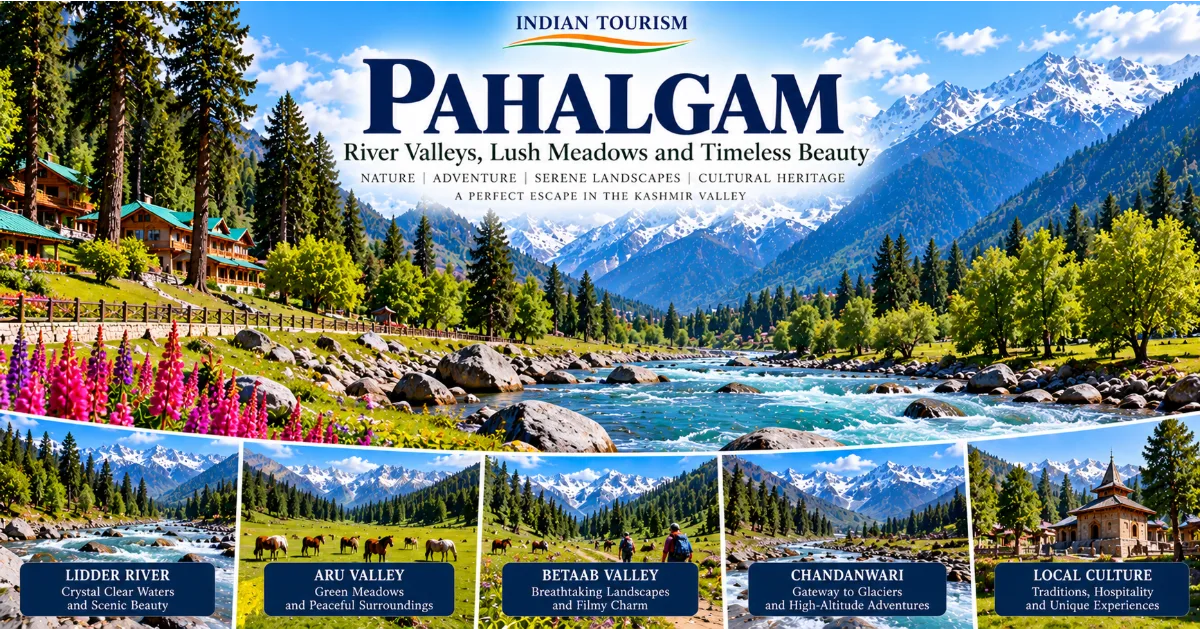
The Lidder River flows through the Pahalgam area and is one of the most recognisable natural features of this popular mountain destination. Its clear water, rocky banks, green surroundings and mountain backdrop contribute to Pahalgam's reputation as a scenic retreat.
The river is especially attractive during warmer months, when visitors come to enjoy the surrounding meadows, forests and walking routes. The sound of flowing water and the changing views along the river create a peaceful atmosphere that contrasts with the busier areas of Srinagar.
Pahalgam's tourism activities include nature walks, sightseeing and certain organised outdoor experiences. Availability depends on weather, water conditions, local rules and the season. Travellers should check with authorised local operators before booking activities near the river.
The Lidder is also associated with the wider landscape of mountain pilgrimage routes. Its surroundings provide access to valleys and trails that are important for trekking and seasonal travel, although the more demanding routes require careful preparation.
Visitors should avoid entering the river without reliable local safety guidance. Cold water, strong currents, slippery rocks and sudden changes in flow can create serious hazards. Children should be supervised closely near the banks, and travellers should not climb onto unstable rocks for photographs.
Responsible tourism around the Lidder includes preventing litter, respecting riverside vegetation and using established paths. The river is a natural asset that supports tourism and local life, so protecting its water quality is essential.
For travellers seeking a combination of mountain scenery and accessible outdoor experiences, the Lidder River is a rewarding part of a Pahalgam itinerary.
Best Time to Visit Lakes and Rivers in Jammu and Kashmir
The best season depends on the water body and the activities planned. Spring, summer and autumn offer different experiences, while winter conditions can affect access and outdoor safety.
Spring is a good time to explore many lakes around Srinagar. Gardens begin to bloom, temperatures gradually become more comfortable and the surrounding landscape becomes greener. Weather can still be changeable, so visitors should carry suitable clothing.
Summer is popular for boating, lakeside sightseeing and trekking to high-altitude lakes. It also coincides with the main season for many outdoor routes. However, the popularity of the season can bring crowds to well-known destinations, and remote trekking routes may still be affected by snow or unstable weather.
Autumn offers attractive colours, cooler temperatures and opportunities for photography. It can be an excellent period for exploring lakes, rivers and nearby villages, though conditions vary with elevation.
Winter can bring a distinctive atmosphere to Srinagar and other lower-altitude destinations, but cold temperatures, snow and icy roads may affect access. High-altitude lakes and trekking routes may be inaccessible or unsafe during this period.
Before travelling, visitors should check current weather forecasts, road conditions, local access arrangements and any relevant safety notices. High-altitude routes require particular care because conditions can change rapidly.
Practical Travel Tips for Exploring Water Landscapes
Planning is essential when exploring lakes and rivers. Travellers should choose destinations according to their available time, physical ability and preferred activities. Lakes around Srinagar are generally easier to incorporate into short visits, while alpine lakes may require multi-day treks.
For boating, visitors should use authorised operators, confirm prices before departure and follow safety instructions. Life jackets should be used where required and available. Travellers should avoid overcrowded boats and should not pressure operators to travel in unsafe weather.
For trekking, suitable footwear, warm layers, rain protection and adequate supplies are essential. High-altitude routes should be approached with realistic expectations, and travellers should seek qualified guidance when necessary. People with health concerns should obtain appropriate medical advice before strenuous mountain travel.
Families should be especially cautious near water. Children need close supervision, and visitors should avoid slippery rocks, steep banks and unfamiliar currents. Swimming should only be considered where it is explicitly permitted and conditions are known to be safe.
Accommodation should be selected according to the itinerary. Visitors staying near Dal Lake or Nigeen Lake should check access arrangements, heating, meals and transport options. Those travelling to remote trekking areas should confirm camping rules and available support before departure.
Travellers should also keep some flexibility in their plans. Rain, snow, road disruptions or changes in water conditions can affect activities. A flexible schedule is safer and more enjoyable than attempting to follow a rigid itinerary regardless of conditions.
Responsible Tourism: Protecting Lakes, Rivers and Wetlands
The lakes and rivers of Jammu and Kashmir are essential environmental resources. They support aquatic ecosystems, birds, fish, agriculture, drinking water and local livelihoods. Tourism can provide economic benefits, but unmanaged activity can also contribute to pollution, habitat damage and pressure on local infrastructure.
Visitors should never throw rubbish into water bodies or leave plastic packaging along the shoreline. Carrying reusable bottles where practical and taking waste to appropriate disposal points are simple ways to reduce environmental impact.
Boating and accommodation providers also have a role in protecting water quality. Travellers can support businesses that demonstrate responsible waste management and avoid services that visibly pollute the surrounding environment.
Wildlife should be observed from a distance. Feeding birds, disturbing nesting areas and damaging aquatic plants can harm the ecosystem. In wetland areas such as Wular Lake, visitors should follow local guidance about access and birdwatching.
Trekking visitors should follow established paths and responsible camping practices. Waste should be carried out, campsites should be used only where permitted, and detergents or other pollutants should never be introduced into natural water bodies.
Respect for local communities is equally important. Lakes and rivers are working environments, not just scenic backdrops. Fishing, farming, transport and other activities may be taking place while tourists are present. Visitors should avoid obstructing livelihoods or photographing people without permission.
Protecting these water landscapes is essential for the future of tourism in Jammu and Kashmir. Their beauty depends on healthy ecosystems and the responsible management of human activity.
Conclusion: Discover the Many Faces of Jammu and Kashmir's Water Landscapes
The lakes and rivers of Jammu and Kashmir reveal the region's remarkable geographical and cultural diversity. Dal Lake offers an unforgettable introduction to Srinagar's waterfront life, while Nigeen Lake provides a quieter atmosphere for boating and relaxation. Wular Lake demonstrates the ecological importance of large wetlands, and Manasbal Lake offers a scenic excursion beyond the city's busiest tourist areas.
At higher elevations, Gangabal, Satsar, Krishansar and Vishansar reveal the extraordinary beauty of the Kashmir Himalayas. These destinations reward prepared trekkers with alpine scenery, mountain meadows and a sense of remoteness, but they also demand respect for changing weather and fragile ecosystems.
The Jhelum, Chenab, Tawi and Lidder rivers show how waterways shape settlement, transport, agriculture and tourism. From the historic riverfront of Srinagar to the mountain landscapes around Pahalgam, these rivers form an essential part of the region's natural and cultural identity.
For travellers, the most rewarding way to explore these places is to balance adventure with preparation and enjoyment with responsibility. Choose suitable destinations, check current conditions, use authorised services, respect local livelihoods and protect the environment. Avoid unsafe activities near rivers and prepare carefully before undertaking high-altitude treks.
Jammu and Kashmir's water landscapes offer much more than beautiful photographs. They tell stories about communities, ecosystems, traditions and the relationship between people and the Himalayan environment. By exploring these places responsibly, visitors can discover a quieter, deeper and equally memorable side of the region.
#IndianTourism #JammuAndKashmir #KashmirLakes #DalLake #NigeenLake #WularLake #ManasbalLake #GangabalLake #JhelumRiver #ChenabRiver #TawiRiver #LidderRiver #KashmirGreatLakes #NatureTourism #ResponsibleTravel #ExploreIndia