Discovering the Sacred City of Mathura
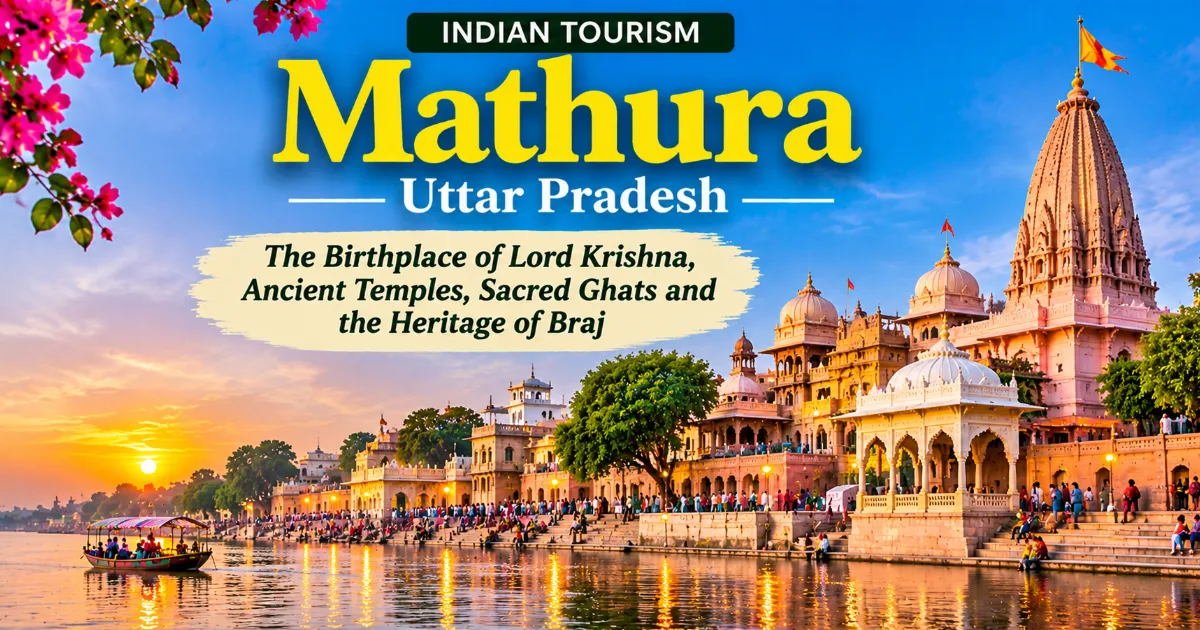
Mathura, located on the banks of the Yamuna River in Uttar Pradesh, is one of India's most significant religious, historical and cultural destinations. Revered as the birthplace of Lord Krishna, the city holds a special place in Hindu tradition and attracts pilgrims, historians, spiritual seekers and travellers throughout the year. Its temples, ancient ghats, religious festivals, traditional markets and archaeological heritage make it an important destination in the wider Braj region.
Mathura is more than a pilgrimage centre. It is a city where mythology, history, art and everyday life come together. Its streets are closely connected with stories from the life of Lord Krishna, while its museums and archaeological remains reveal a much older history of settlement, trade, religion and artistic achievement.
The city is particularly important to followers of Krishna traditions. Temples dedicated to Krishna and other Hindu deities attract devotees from across India and abroad. The Yamuna River remains central to the city's religious identity, with its ghats serving as places for prayer, rituals and cultural gatherings.
Mathura is also known for its distinctive food, especially its traditional sweets, including the famous Mathura peda. Its markets offer religious souvenirs, handicrafts, devotional products and regional specialities. Festivals such as Janmashtami and Holi transform the city into a vibrant centre of religious celebration.
Continue Reading
For travellers exploring Uttar Pradesh, Mathura offers an opportunity to understand one of India's most enduring spiritual traditions while discovering a destination with a rich historical and cultural landscape.
Historical Background of Mathura
Mathura is among the ancient cities of the Indian subcontinent. Its history extends back many centuries, and its location along important trade and cultural routes helped it develop into a significant centre of commerce, religion and political activity.
In ancient Indian literature and religious traditions, Mathura is closely associated with the kingdom of the Yadavas and the life of Lord Krishna. The city is traditionally identified as the birthplace of Krishna, who is believed to have been born in a prison cell under the rule of King Kansa.
Beyond its religious associations, Mathura developed into an important urban centre during ancient historical periods. It was associated with the Mahajanapada of Surasena and later became part of larger political and imperial formations.
The city flourished under several dynasties, including the Mauryas and Kushanas. During the Kushana period, Mathura became one of the most important centres of sculpture and artistic production in northern India. The Mathura school of art developed a distinctive style that influenced Indian sculpture for generations.
Mathura was also an important centre for Buddhism and Jainism. Archaeological discoveries reveal the presence of religious institutions, sculptures and inscriptions connected with different traditions. This history demonstrates that Mathura was a diverse religious and cultural centre rather than a city associated with only one tradition.
During medieval periods, Mathura experienced political and religious changes, including the construction, destruction and rebuilding of religious structures. The city continued to remain an important pilgrimage destination despite these changes.
Under different regional rulers and later during the colonial period, Mathura developed further as a commercial and administrative centre. Its temples, religious institutions and traditional neighbourhoods continued to preserve its identity.
Today, Mathura represents a remarkable combination of ancient history, religious devotion and living cultural traditions.
Shri Krishna Janmabhoomi: The Sacred Birthplace of Lord Krishna
Shri Krishna Janmabhoomi is the most important religious destination in Mathura. The site is traditionally regarded as the birthplace of Lord Krishna and holds immense significance for devotees.
According to Hindu tradition, Krishna was born to Devaki and Vasudeva in a prison cell under the rule of King Kansa. Kansa, who feared a prophecy that Devaki's child would eventually bring about his downfall, imprisoned the couple. The birth of Krishna and the events that followed form an important part of the Bhagavata Purana and other Hindu religious narratives.
The Janmabhoomi complex contains places of worship and structures associated with the traditional account of Krishna's birth. Devotees visit to offer prayers, participate in religious ceremonies and experience the spiritual atmosphere of the site.
The complex becomes particularly important during Janmashtami, the festival celebrating Krishna's birth. Large numbers of devotees gather for prayers, devotional singing and special ceremonies. The midnight celebration is especially significant because Krishna's birth is traditionally commemorated at that time.
Visitors should understand that the site is an active religious complex with specific security arrangements and restrictions. Photography, electronic devices, footwear and other belongings may be subject to rules. Travellers should confirm the current entry guidelines before visiting.
For pilgrims and travellers interested in Krishna traditions, Shri Krishna Janmabhoomi is an essential part of a Mathura journey.
Dwarkadhish Temple: A Centre of Devotion and Architectural Beauty
Dwarkadhish Temple is one of the most prominent temples in Mathura. Dedicated to Lord Krishna in his form as Dwarkadhish, or the Lord of Dwarka, the temple is known for its colourful architecture, devotional atmosphere and traditional religious practices.
The temple was established in the nineteenth century and became an important centre of Krishna worship. Its architecture features decorative elements, painted surfaces and traditional design features associated with religious buildings in northern India.
The temple attracts devotees throughout the year, especially during major festivals and special religious occasions. Daily worship includes rituals, offerings and devotional activities that follow established temple traditions.
Janmashtami is one of the most important occasions at Dwarkadhish Temple. The celebrations attract large crowds, and the surrounding neighbourhood becomes especially lively.
The temple is also associated with the festival of Holi, when the Braj region celebrates Krishna's playful relationship with colour, music and community festivities.
Visitors should confirm temple timings before planning their visit because darshan schedules may vary according to religious occasions and seasonal arrangements.
Vishram Ghat: The Sacred Banks of the Yamuna
Vishram Ghat is one of the most important ghats in Mathura and occupies a central place in the city's religious geography. Located along the Yamuna River, it is traditionally associated with the belief that Lord Krishna rested here after defeating Kansa.
The name Vishram means rest, and the ghat is considered an important place for prayer, bathing and religious observances. It is also regarded as a central point from which several traditional pilgrimages around Mathura begin.
The ghat is surrounded by temples, steps, shrines and traditional buildings. Its atmosphere changes throughout the day. In the morning, devotees gather for prayers and ritual bathing, while the evening brings a different experience as lamps, devotional music and aarti ceremonies create a spiritually significant setting.
The Yamuna aarti is one of the most memorable experiences for visitors. The sight of lamps being offered to the river reflects the religious relationship between the people of Mathura and the Yamuna.
Travellers should follow local guidance when approaching the water, particularly during periods of strong currents or changing river conditions. Visitors should also avoid leaving offerings, plastic or other waste in the river.
Gita Mandir: A Temple Celebrating the Bhagavad Gita
Gita Mandir, also known as Birla Mandir, is an important religious attraction located near Mathura. The temple is associated with the teachings of the Bhagavad Gita and provides a peaceful environment for prayer and reflection.
The Bhagavad Gita is one of the most influential philosophical texts in Hindu tradition. Presented as a conversation between Lord Krishna and Arjuna on the battlefield of Kurukshetra, it explores duty, action, devotion, knowledge and the nature of existence.
The temple's architectural design and religious displays reflect the importance of these teachings. Visitors can explore the temple surroundings, appreciate its structure and spend time reflecting on the philosophical ideas associated with Krishna.
Gita Mandir is particularly suitable for travellers who want to combine religious sightseeing with an interest in Indian philosophy.
Government Museum, Mathura: Exploring Ancient Indian Art
The Government Museum in Mathura is one of the most valuable cultural institutions in the city. It is particularly important for its collections of ancient sculpture and archaeological material associated with the Mathura school of art.
The museum provides insight into the city's historical significance beyond its association with Krishna. Its collections include sculptures, inscriptions, coins and other objects that reflect the artistic and religious traditions of ancient Mathura.
The Mathura school of art is especially notable for its use of red sandstone and its distinctive approach to representing human figures, religious personalities and symbolic forms.
The museum's collections include works associated with Hinduism, Buddhism and Jainism. These objects reveal the religious diversity that shaped Mathura over several centuries.
Visitors interested in Indian art history should allow sufficient time to explore the museum. Its collections help explain how Mathura became one of the most influential artistic centres of ancient India.
Before visiting, confirm current opening hours and any access requirements.
Kans Qila: Exploring the Legendary Kingdom of Kansa
Kans Qila is a historic fort traditionally associated with King Kansa, the maternal uncle of Lord Krishna in Hindu mythology. The fort is located near the Yamuna River and is connected with local traditions surrounding the story of Krishna's birth and childhood.
The site is of interest to visitors who want to explore the relationship between religious narratives and the physical landscape of Mathura.
Historical structures and remains at the location reflect different periods of the city's development. However, the connection with Kansa belongs primarily to religious and local tradition and should be understood separately from archaeological evidence.
The fort is not as developed as some of Mathura's major temple attractions. Visitors should confirm accessibility and local conditions before including it in their itinerary.
Potra Kund: A Sacred Water Tank Associated with Krishna
Potra Kund is a traditional water tank located near the Krishna Janmabhoomi area. It is associated with local religious beliefs connected with Krishna's childhood.
The name Potra Kund is traditionally linked with the idea of clothes or garments used for a child. The water tank is an important part of the religious landscape surrounding the birthplace of Krishna.
Its stepped design and surrounding structures reflect the traditional role of water bodies in Indian religious settlements. Such tanks were not simply sources of water. They often served as places for ritual activities, community gatherings and religious observances.
Visitors exploring the Janmabhoomi area may include Potra Kund as part of a broader heritage walk, depending on accessibility and local conditions.
Bhuteshwar Mahadev Temple: An Important Shiva Shrine
Bhuteshwar Mahadev Temple is one of Mathura's important religious sites dedicated to Lord Shiva. It holds a significant position in local religious traditions and attracts devotees throughout the year.
The temple is associated with the wider sacred geography of Mathura. While the city is most strongly identified with Krishna worship, temples dedicated to Shiva and other Hindu deities demonstrate the diversity of its religious landscape.
Mahashivratri is an important occasion at the temple, bringing devotees together for worship and special ceremonies.
Visitors interested in the religious traditions of Mathura can include the temple in their exploration of the city.
Mathura's Connection with the Wider Braj Region
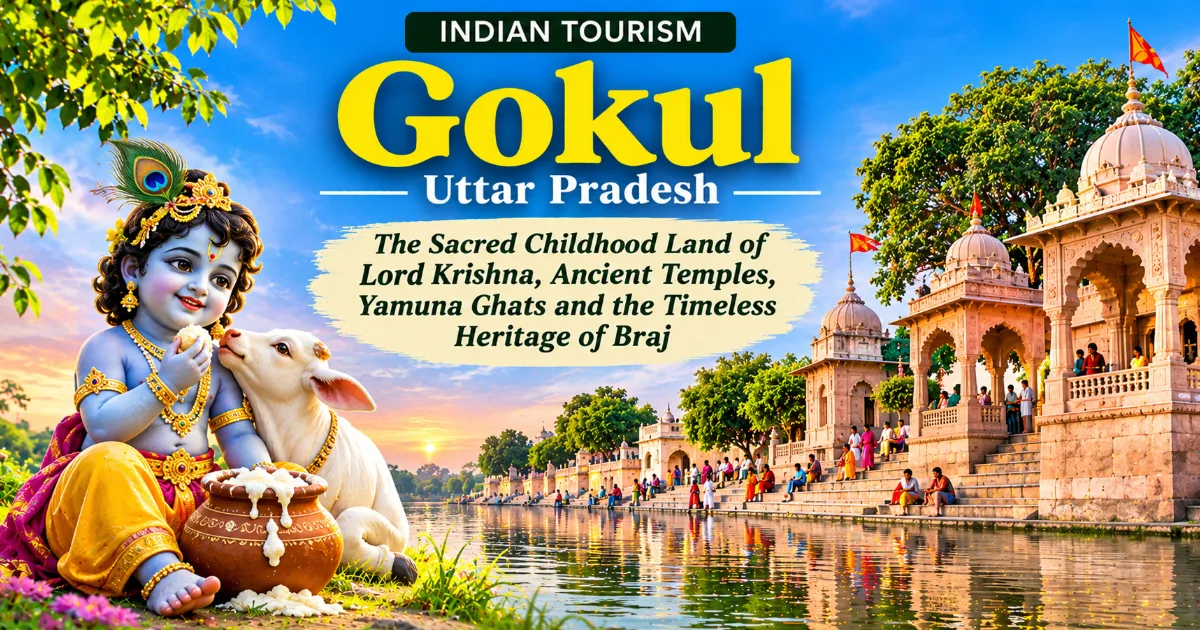
Mathura is the principal gateway to the wider Braj region, a cultural and religious landscape associated with the life and stories of Lord Krishna.
Braj includes several places connected with Krishna traditions, including Vrindavan, Govardhan, Barsana, Nandgaon and Gokul. Each location has its own religious associations, temples, festivals and local traditions.
Mathura is particularly important because of its traditional identification as Krishna's birthplace. Vrindavan is associated with Krishna's childhood and devotional traditions, while Govardhan is connected with the story of Krishna lifting Govardhan Hill.
Barsana is traditionally associated with Radha, and Nandgaon is connected with Nanda and Krishna's childhood.
These places are separate destinations and deserve individual exploration. Travellers using Mathura as a base can plan additional journeys into the Braj region according to their interests and available time.
The cultural identity of Braj is expressed through devotional music, dance, poetry, storytelling and festivals. The region's traditions have influenced Krishna devotional movements across India.
Janmashtami: Celebrating the Birth of Lord Krishna
Janmashtami is the most important festival associated with Mathura. It celebrates the birth of Lord Krishna and attracts devotees from across India and many international destinations.
The festival is observed according to the Hindu lunar calendar, and its dates vary each year. Celebrations generally include fasting, prayers, devotional singing, temple decorations and special ceremonies.
In Mathura, temples are decorated with flowers, lights and religious displays. Devotees gather to listen to stories from Krishna's life, participate in bhajans and observe rituals.
The midnight celebration is particularly significant. According to tradition, Krishna was born at midnight, and temples organise special ceremonies to mark the moment.
The streets of Mathura become lively during the festival, with religious processions, decorated shrines and devotional performances.
Travellers planning to visit during Janmashtami should book accommodation well in advance. Heavy crowds, traffic restrictions and security arrangements can affect movement around the city.
Visitors should also be prepared for long waiting periods at popular temples and follow the instructions of local authorities.
Holi in Mathura: A Celebration of Colour and Devotion
Holi in Mathura is closely associated with the traditions of Lord Krishna and the wider Braj region. The festival is celebrated with colours, devotional music, traditional performances and community gatherings.
The stories of Krishna playing Holi with Radha and the people of Braj have shaped the region's distinctive celebration style.
Holi festivities in the wider region include several traditional events and local observances. Some celebrations begin before the main day of Holi, creating an extended festival season.
Visitors should remember that individual events can differ in timing, location and access arrangements. It is important to confirm local schedules and follow safety instructions.
Travellers should wear clothing that they do not mind getting stained, protect electronic devices and respect people who do not wish to participate in colour celebrations.
The festival offers a memorable opportunity to experience the living cultural traditions of Braj, but it requires careful planning because of the large crowds.
Food of Mathura: Discovering Traditional Braj Flavours
Mathura's food culture is closely connected with its religious traditions, dairy production and regional culinary practices. The city is particularly famous for sweets, snacks and vegetarian food.
Mathura Peda
Mathura peda is the city's most famous sweet. Traditionally prepared using reduced milk solids, sugar and aromatic ingredients, it has a distinctive flavour and texture.
The sweet is closely associated with Mathura's religious identity and is frequently purchased by pilgrims as prasad or as a gift for family and friends.
Several traditional sweet shops offer different varieties. Travellers can compare freshness, ingredients and packaging before purchasing.
Bedai and Aloo Sabzi
Bedai is a popular breakfast preparation in Mathura. It is commonly served with spicy potato curry and may be accompanied by sweets or other local snacks.
The combination of crisp or fried bread and flavourful curry makes it a filling meal, particularly for visitors exploring the city early in the day.
Kachori and Jalebi
Kachori is another popular snack available in local markets. It is often served with chutneys or potato preparations.
Jalebi, with its crisp texture and syrup-based sweetness, is commonly enjoyed as part of breakfast or as an evening treat.
Lassi
Mathura's association with dairy traditions makes lassi a popular local drink. Prepared using yoghurt, it offers a refreshing option, especially during warmer months.
Some establishments serve thick lassi in traditional clay cups, adding to the regional food experience.
Rabri and Other Milk-Based Sweets
Milk-based sweets are an important part of the culinary culture of Mathura. Rabri, peda and other traditional preparations reflect the region's long association with dairy products.
Vegetarian Food Traditions
Because Mathura is an important religious destination, vegetarian food is widely available. Visitors can find traditional thalis, snacks, sweets and simple meals in restaurants and local eateries.
Travellers should check ingredients and preparation practices if they have specific dietary requirements.
Shopping in Mathura: Religious Souvenirs and Local Products
Shopping in Mathura offers a chance to take home products connected with the city's religious and cultural identity.
Markets near major temples sell Krishna idols, devotional pictures, prayer beads, religious books, incense, brass items and other worship accessories.
Visitors can also find traditional clothing, decorative items, sweets and regional handicrafts.
Religious souvenirs are particularly popular among pilgrims. Small idols, framed artwork and decorative products are available in a range of styles and prices.
Mathura peda is among the most popular food purchases. Travellers should consider packaging and shelf life when buying sweets for long journeys.
Visitors should compare prices and product quality across different shops, particularly when purchasing metal items or handcrafted products.
Best Time to Visit Mathura
The most comfortable period for visiting Mathura is generally from October to March. During these months, temperatures are usually more suitable for exploring temples, ghats, markets and historical sites.
Winter, from November to February, is ideal for sightseeing. The weather is generally pleasant during the day, although early mornings and evenings can be cold.
Spring, particularly February and March, is attractive for visitors interested in Holi celebrations and the wider cultural traditions of Braj. Festival periods can be crowded, so accommodation and transport should be planned in advance.
Summer, from April to June, can be very hot. Visitors should schedule outdoor activities early in the morning or later in the evening and avoid prolonged exposure to direct sunlight.
Monsoon, from July to September, brings rainfall and increased humidity. The surroundings may become greener, but rain can affect travel and sightseeing plans.
For general sightseeing, November to February is a practical choice. For festival experiences, travellers can plan around Janmashtami or Holi, keeping in mind that both periods attract large crowds.
How to Reach Mathura
Mathura is well connected to major cities in northern India through rail and road networks. Its location makes it accessible from Delhi, Agra and other important destinations in Uttar Pradesh.
By Train
Mathura Junction is an important railway station serving the city. It is connected to several major railway routes and receives trains from destinations across India.
Rail travel is a convenient option for visitors arriving from Delhi, Agra, Jaipur, Mumbai, Kolkata and other cities.
Travellers should confirm train schedules and station information before departure. During major religious festivals, railway services and stations may experience heavy passenger traffic.
By Road
Mathura is connected to Delhi, Agra and other cities through national highways and regional roads. Road travel is convenient for visitors using private vehicles, taxis or buses.
The Yamuna Expressway provides an important road connection between the Delhi region and Agra, with access to the wider Mathura area through connecting routes.
State transport and private bus services operate on several regional routes. Journey duration depends on traffic, road conditions and the starting point.
By Air
Mathura does not have a major commercial airport serving regular passenger flights within the city. Travellers commonly use airports in the wider region, particularly Delhi, and continue by road or rail.
The choice of airport depends on flight availability, fares and onward transport arrangements.
Getting Around Mathura
Mathura's local transport network includes auto-rickshaws, cycle-rickshaws, taxis and local road transport services.
For visitors exploring the old city, walking can be useful because many religious sites and markets are located within relatively close distances. However, some streets can be narrow and crowded.
Cycle-rickshaws are useful for short journeys through busy neighbourhoods, while taxis and auto-rickshaws can help reach attractions farther from the central areas.
Visitors should agree on fares before starting a journey where fixed pricing is not available.
During major festivals, road restrictions and crowd management arrangements may affect access to temples and ghats. It is advisable to follow official local instructions rather than relying entirely on normal navigation routes.
Accommodation in Mathura
Mathura offers a range of accommodation options, including hotels, guesthouses, dharamshalas and budget lodges.
Pilgrims may prefer accommodation near the major temple areas and traditional religious neighbourhoods. This can make early morning visits and evening prayers more convenient.
Travellers seeking more conventional hotel facilities can consider properties near major roads and transport connections.
Accommodation demand increases significantly during Janmashtami, Holi and other major religious occasions. Visitors should make reservations well in advance during these periods.
Before booking, consider cleanliness, transport access, guest reviews, security, available facilities and cancellation policies.
Suggested Two-Day Mathura Travel Itinerary
A two-day itinerary provides a practical introduction to the city's main religious, cultural and historical attractions.
Day One: Sacred Mathura and the Yamuna
Begin the day at Shri Krishna Janmabhoomi. Spend time understanding the site's religious significance and follow the current entry guidelines.
Continue to Potra Kund and explore the surrounding heritage area where access is available.
Visit Dwarkadhish Temple and learn about its traditions and architectural features. Allow enough time for darshan because temple timings and visitor arrangements may vary.
In the afternoon, explore the Government Museum to understand Mathura's ancient artistic heritage. The museum provides an important historical perspective beyond the city's religious identity.
In the evening, visit Vishram Ghat. Experience the atmosphere along the Yamuna and observe the evening aarti respectfully.
Day Two: Temples, Markets and Local Food
Begin with a visit to Bhuteshwar Mahadev Temple. Continue to Gita Mandir and explore its connection with the Bhagavad Gita.
Depending on accessibility, include Kans Qila and other historical sites that interest you.
Spend the afternoon exploring Mathura's markets. Shop for devotional products, traditional souvenirs and local sweets.
Enjoy a traditional vegetarian meal and try regional specialities such as bedai, aloo sabzi, kachori, jalebi and Mathura peda.
If time permits, explore additional ghats and temples before concluding your visit.
Travellers who have more time can use Mathura as a starting point for separate visits to other destinations in the Braj region. Those places should be planned as individual excursions rather than rushed into a short city itinerary.
Responsible Tourism in Mathura
Mathura's religious sites, riverfront and historic neighbourhoods require respectful visitor behaviour.
Temples are active places of worship, so visitors should follow dress codes, photography restrictions and other local rules. During religious ceremonies, avoid blocking pathways or disturbing devotees.
The Yamuna River is central to the city's religious identity, but it also faces environmental pressures. Visitors should avoid throwing plastic, food packaging or other waste into the river or along its banks.
When purchasing religious souvenirs, choose reputable sellers and avoid products that involve damage to heritage structures or protected cultural objects.
During festivals, follow crowd management instructions and avoid pushing, blocking emergency access or entering restricted areas.
Supporting local food establishments and responsible businesses can help contribute to the city's economy. Visitors should also respect residents, local customs and the daily routines of communities living around major pilgrimage sites.
Practical Travel Tips for Visitors
Mathura is an important pilgrimage destination, so visitors should plan around temple timings and festival schedules. Some temples have separate timings for morning and evening darshan, and these can change during special occasions.
Carry comfortable footwear because sightseeing often involves walking through temple areas, markets and ghats. Many religious sites require visitors to leave footwear outside designated areas.
During summer, carry drinking water, wear light clothing and plan outdoor visits around the cooler hours of the day.
Keep personal belongings secure in crowded markets and festival areas. Follow official instructions at religious complexes and confirm current security rules before arriving.
Visitors should be prepared for traffic congestion around major temples, especially during Janmashtami and Holi. Starting early can help make the experience more manageable.
If you intend to attend a major festival, arrange accommodation and onward travel well in advance. Avoid assuming that normal travel times or road access will remain unchanged during large gatherings.
For visitors interested in photography, always ask permission before photographing people, religious ceremonies or restricted areas.
Why Mathura Deserves a Place on India's Travel Map
Mathura deserves recognition as one of India's most important cultural and spiritual destinations because its significance extends far beyond its temples.
The city represents a major chapter in the history of Indian religious traditions. Its connection with Lord Krishna has shaped its festivals, devotional practices, literature, music and everyday life.
Its archaeological heritage provides another dimension to its importance. The Mathura school of art demonstrates the city's contribution to ancient Indian sculpture and visual culture. The presence of Buddhist and Jain remains also reveals its historical role as a diverse religious centre.
The Yamuna ghats offer an experience of traditional river-based worship, while local markets and food establishments introduce visitors to the everyday culture of the city.
Mathura is also a gateway to the wider Braj region, where numerous places preserve traditions associated with Krishna and Radha. Travellers can use the city as a starting point for a broader cultural journey through northern Uttar Pradesh.
For pilgrims, the city offers religious experiences. For history enthusiasts, it offers archaeological and architectural discoveries. For food lovers, it provides traditional sweets and regional vegetarian cuisine. For cultural travellers, it reveals a living tradition that continues to influence celebrations and devotional practices across India.
Conclusion: Experience the Sacred Heritage of Mathura
Mathura is a destination where ancient stories, religious devotion and historical heritage remain closely connected. Its temples preserve traditions associated with Lord Krishna, its ghats reflect the enduring importance of the Yamuna River, and its museums reveal an artistic history that stretches back many centuries.
A visit to Shri Krishna Janmabhoomi, Dwarkadhish Temple and Vishram Ghat provides an introduction to the city's spiritual identity. The Government Museum offers insight into its archaeological significance, while its markets and traditional food introduce visitors to the everyday culture of Braj.
Festivals such as Janmashtami and Holi reveal the city's remarkable ability to bring history and religious tradition into public celebration. These occasions make Mathura especially memorable, although they also require careful travel planning.
Whether you are visiting as a pilgrim, exploring India's ancient heritage or discovering the cultural traditions of Uttar Pradesh, Mathura offers an experience that is both meaningful and memorable.
Mathura is not merely a city associated with the birthplace of Lord Krishna. It is a living centre of devotion, art, history and the timeless cultural heritage of Braj.
#MathuraTourism #UttarPradeshTourism #KrishnaJanmabhoomi #BrajCulture #ExploreIndia