
A Sacred Landmark in the Garhwal Himalayas
The Garhwal Himalayas of Uttarakhand are home to sacred destinations where natural landscapes and religious traditions come together. Among these places, Divya Shila holds a distinctive position in the pilgrimage experience associated with Yamunotri. Located near the Yamunotri temple, this revered rock formation is an important place of worship for pilgrims visiting the sacred shrine dedicated to Goddess Yamuna. Although it may appear modest beside the dramatic mountain scenery surrounding it, Divya Shila carries deep religious meaning and forms part of the traditional sequence of worship followed by many devotees.
Yamunotri is one of the four sacred destinations of the Char Dham pilgrimage in Uttarakhand, alongside Gangotri, Kedarnath, and Badrinath. Its location in the high Himalayas makes the journey physically demanding, while its religious importance attracts pilgrims from different parts of India. For many devotees, visiting Yamunotri is not simply a journey to a temple. It is an opportunity to express faith, participate in established traditions, and experience a sacred landscape associated with the origin of the Yamuna River.
Divya Shila is closely connected with this spiritual journey. Pilgrims traditionally offer prayers at the sacred rock before proceeding to worship at the Yamunotri temple. This practice gives Divya Shila a special role in the religious experience of the destination. It is not merely a landmark near the temple but a place where devotees pause, prepare themselves for worship, and acknowledge the sacred character of the surrounding landscape.
The appeal of Divya Shila extends beyond its religious importance. Its location amid steep mountain slopes, rocky terrain, flowing water, and the changing atmosphere of the Himalayas offers visitors an opportunity to understand how geography and faith are connected in Uttarakhand. The natural environment shapes the pilgrimage route, influences the timing of visits, and determines the practical conditions under which religious traditions continue.
Continue Reading
For travelers interested in Indian culture, Himalayan pilgrimage, religious architecture, and the history of sacred places, Divya Shila offers a meaningful subject of exploration. Understanding its significance requires looking beyond its physical appearance to the traditions, beliefs, and experiences that give it importance.
Where Is Divya Shila Located?
Divya Shila is situated near the Yamunotri temple in Uttarkashi district of Uttarakhand. The temple stands in the upper reaches of the Yamuna valley, surrounded by the rugged terrain of the Garhwal Himalayas. This location gives the area both its striking natural character and its significance as a pilgrimage destination.
The landscape around Yamunotri differs considerably from the plains and lower hill regions of northern India. Mountain slopes rise steeply above the valley, rocky surfaces dominate many sections of the terrain, and streams descend through narrow channels. The available space for buildings and pathways is limited by the natural contours of the land.
Divya Shila is located within this distinctive Himalayan setting. Its proximity to the Yamunotri temple means that pilgrims encounter it as part of their visit to the shrine. The sacred rock forms an important point in the local sequence of worship, connecting the physical journey through the mountains with the religious practices performed at the destination.
The location also explains why visiting Divya Shila requires careful planning. Travelers must first reach the Yamunotri area, which involves road travel through the mountain region followed by an uphill journey from the established starting point at Janki Chatti. The route can be physically demanding, particularly for visitors who are unfamiliar with sustained mountain walking.
Weather conditions can change quickly at higher elevations. Rain may make paths slippery, while cold temperatures can affect comfort and mobility. During periods of heavy rainfall, landslides and road disruptions can influence access to the wider region. Visitors should therefore confirm current conditions before beginning their journey.
The mountain environment is an essential part of the experience. Divya Shila cannot be understood entirely as an isolated religious object. Its significance is connected to the Yamunotri temple, the surrounding landscape, and the pilgrimage traditions that bring people to this remote Himalayan location.
The Religious Significance of Divya Shila
Divya Shila is revered by pilgrims visiting Yamunotri and is traditionally associated with worship before devotees enter the main temple. In Hindu religious practice, sacred objects and natural features can become important focal points for devotion. Their significance may be shaped by traditional beliefs, ritual practices, and the stories associated with a particular place.
The name Divya Shila is commonly understood as referring to a sacred or divine rock. In the Yamunotri pilgrimage tradition, the rock is treated with reverence and occupies a recognized place in the worship experience. Pilgrims may offer prayers and participate in customary practices before proceeding to the temple dedicated to Goddess Yamuna.
This sequence illustrates how pilgrimage can involve several connected sacred places rather than a single final destination. A journey may include a riverbank, a natural feature, a smaller shrine, and a principal temple, each contributing to the religious experience. These places can have different roles while remaining connected through tradition.
For many devotees, prayer at Divya Shila is a moment of spiritual preparation. After traveling through the mountains and reaching the sacred area, pilgrims pause to focus their attention on worship. The physical journey itself can also carry religious meaning because it requires effort, patience, and commitment.
The importance of Divya Shila should be understood within the living traditions of Yamunotri. Religious practices can vary among individuals and families, and visitors should follow the instructions of local temple authorities regarding the accepted sequence of worship.
Travelers who are unfamiliar with the tradition can observe respectfully and learn from the setting. There is no need to participate in a ritual unless they wish to do so and understand the customary practice. Quiet observation can provide insight into how devotees express faith through gestures, offerings, and moments of prayer.
Divya Shila demonstrates that the religious importance of a place is not always determined by its size or architectural complexity. A natural rock can hold a central position in a pilgrimage tradition because of the meaning attached to it by generations of worshippers.
Goddess Yamuna and the Sacred Landscape
To understand Divya Shila fully, it is useful to understand the religious importance of Goddess Yamuna. The Yamuna River occupies a prominent place in Hindu traditions and is associated with purification, devotion, life, and divine presence. Its cultural significance extends across northern India, connecting Himalayan landscapes with cities, pilgrimage centers, and communities farther downstream.
In Hindu belief, rivers are frequently treated as sacred entities rather than simply geographical features. They provide water for agriculture and daily life, but they also carry religious meaning through stories, rituals, festivals, and devotional practices. The Yamuna is associated with Goddess Yamuna, who is honored in several religious traditions.
The upper Yamuna valley is particularly significant because it forms part of the Himalayan landscape associated with the river's sacred origins. The Yamunotri temple is dedicated to the goddess, and the surrounding region has developed a pilgrimage tradition that draws visitors from different parts of the country.
Divya Shila forms part of this sacred geography. Its connection with the Yamunotri temple places it within a wider landscape in which natural features and religious sites are linked through traditional worship. The mountain slopes, flowing water, and rocky terrain are not simply scenery for pilgrims. They are part of the environment through which devotees experience the sacred character of the region.
The relationship between the Yamuna and the surrounding landscape also reminds visitors of the practical importance of water in Himalayan communities. Mountain streams and rivers support ecosystems, contribute to local water systems, and influence settlement patterns. Their religious significance exists alongside these environmental functions.
Visitors should approach the river and its surrounding environment with care. Water levels can rise quickly during heavy rainfall, and rocky banks may be slippery. Religious devotion does not remove the need for environmental responsibility or personal safety.
By exploring the connection between Goddess Yamuna, Yamunotri, and Divya Shila, travelers can gain a deeper understanding of how Hindu pilgrimage traditions connect faith with geography and the natural world.
The Traditional Sequence of Worship at Yamunotri
The pilgrimage experience at Yamunotri includes several customary practices that help structure the visit. Divya Shila is traditionally associated with prayer before devotees proceed to the main temple. This sequence gives the sacred rock a distinct place within the wider worship experience.
For many pilgrims, the journey begins long before they reach the shrine. Travel arrangements, preparation for the mountain route, physical effort, and anticipation all contribute to the experience. Reaching the Yamunotri area can therefore feel like the culmination of a significant personal undertaking.
Upon arrival, devotees may follow the established local sequence of worship. Praying at Divya Shila before visiting the temple is an important part of the traditional practice associated with the destination. The order of rituals and the arrangements for worship should be confirmed locally because procedures can depend on temple customs and current conditions.
Rituals often involve symbolic gestures, prayers, and offerings. These actions allow devotees to express respect and establish a focused connection with the sacred place. The meaning of an offering may be spiritual rather than material, representing gratitude, devotion, or a personal prayer.
For first-time visitors, observing the sequence can provide a valuable introduction to the pilgrimage tradition. Watching how people move between sacred locations reveals the structure of the visit and the importance attached to different parts of the site.
Visitors should avoid treating the rituals as a performance created for tourists. They are meaningful religious practices for the people taking part. Photography should be limited to places where it is permitted, and travelers should never obstruct worshippers or interfere with temple arrangements.
If visitors are uncertain about the appropriate behavior, they can ask a local official or a knowledgeable guide. Following instructions is the simplest way to show respect.
The traditional sequence of worship demonstrates how a pilgrimage destination can contain several connected layers of religious meaning. Divya Shila and the Yamunotri temple are distinct places, yet their roles are linked within the broader spiritual experience.
The Natural Beauty Around Divya Shila
The natural setting around Divya Shila is one of the defining features of the Yamunotri pilgrimage area. The surrounding Himalayas create a landscape of steep slopes, exposed rock, flowing water, and vegetation adapted to mountain conditions.
The terrain is rugged and uneven, reflecting the geological processes that have shaped the Himalayan region. Rocky surfaces dominate many sections, while pockets of vegetation occupy places where soil and moisture allow plants to grow. The landscape changes with elevation, sunlight, rainfall, and seasonal temperatures.
Mountain streams add movement and sound to the environment. Water flows through rocky channels, creating white water in some sections and quieter pools in others. The appearance of the streams changes according to rainfall and seasonal snowmelt. During heavy rain, water levels can rise rapidly, making nearby rocks and riverbanks hazardous.
The mountains also influence the atmosphere. Clouds may move through the valley, sometimes covering distant ridges and sometimes revealing clear views of the surrounding slopes. Changes in sunlight can transform the appearance of the landscape within a short period.
Visitors may notice how the pilgrimage route fits into the terrain. Paths follow available ground, buildings occupy limited spaces, and movement is directed through narrow sections shaped by the surrounding mountains. The environment makes it clear that the destination exists within a landscape that places practical limits on construction and access.
For nature lovers, the region provides opportunities to observe the relationship between altitude, vegetation, water, and human activity. However, visitors should remain on established paths and avoid entering unstable areas for better views or photographs.
The natural setting should not be separated from the religious experience. For many pilgrims, the effort required to reach Yamunotri and the sight of the surrounding mountains contribute to the meaning of the journey. The landscape becomes part of the experience through which devotion is expressed and remembered.
Divya Shila and the Char Dham Pilgrimage
Yamunotri is one of the four destinations associated with the Char Dham pilgrimage in Uttarakhand. The other three are Gangotri, Kedarnath, and Badrinath. These sacred places are located in the Garhwal Himalayas and are connected through established pilgrimage traditions.
The Char Dham journey is important to many Hindu devotees because it brings together several revered destinations within one religious itinerary. Each place has its own deity, history, rituals, and geographical character. Together, they form a major part of Uttarakhand's religious identity.
Yamunotri represents the tradition associated with Goddess Yamuna. Divya Shila contributes to the pilgrimage experience by serving as a sacred point of worship near the main temple. Its role demonstrates that the significance of a pilgrimage destination can extend beyond the principal shrine to include other places recognized through local tradition.
Pilgrims may approach the Char Dham journey in different ways. Some complete all four destinations within one trip, while others visit individual sites according to their circumstances, available time, physical ability, and religious priorities. Travel arrangements can vary considerably depending on the season and the starting point.
The mountain setting makes careful planning essential. Roads may be affected by weather, and the final approaches to some destinations involve demanding walks or other arrangements. Travelers should confirm current access conditions and avoid relying on fixed schedules that leave no room for delays.
The pilgrimage also creates economic opportunities for communities throughout the region. Accommodation providers, food vendors, drivers, guides, and local shops may depend partly on seasonal visitors. At the same time, large visitor numbers can place pressure on roads, sanitation, waste management, and other infrastructure.
Responsible pilgrimage tourism requires respect for both the religious traditions and the environment. Visitors should follow local rules, minimize waste, and avoid behavior that disturbs other pilgrims.
Divya Shila provides a small but meaningful example of how individual sacred places contribute to the wider Char Dham experience. Its significance is connected to Yamunotri, while Yamunotri itself forms part of a broader network of pilgrimage destinations in Uttarakhand.
Understanding the Cultural Heritage of Yamunotri
The cultural heritage of Yamunotri is shaped by religious beliefs, seasonal traditions, mountain geography, and the communities that maintain pilgrimage practices. Divya Shila belongs to this wider cultural landscape.
Himalayan pilgrimage traditions have developed in response to both spiritual aspirations and environmental conditions. The mountains create physical challenges, and seasonal weather influences when certain routes and temples can be accessed. Communities have developed customary arrangements that allow religious observances to continue despite these constraints.
The culture of pilgrimage also involves hospitality and local service. Residents and businesses support visitors by providing accommodation, food, transport, supplies, and guidance. These services are part of the wider social environment surrounding the sacred destination.
Traditional practices may be transmitted through family participation, community memory, religious instruction, and repeated annual observances. A pilgrim who returns to Yamunotri over several years may experience the destination through memories of previous journeys, changing personal circumstances, and continuing religious commitments.
For younger generations, pilgrimage traditions can provide a connection with family history and cultural identity. Participating in the journey may be a way of learning customary behavior, understanding religious stories, and maintaining relationships with older family members.
Visitors interested in cultural heritage should recognize that traditions are not static objects. They continue through the participation of people who may adapt practical arrangements while preserving the central meaning of their practices.
Divya Shila is part of this living heritage. Its importance depends on the continued recognition of the sacred rock within the Yamunotri pilgrimage tradition. The place remains meaningful because devotees continue to visit, pray, and follow customary practices.
Respectful tourism can support appreciation for this heritage. Travelers should learn about the significance of the site, follow local instructions, and avoid actions that reduce a sacred place to a mere photographic background.
Photography Opportunities Around Divya Shila
The Yamunotri area offers opportunities for photography focused on religious culture, mountain scenery, water, and the relationship between people and the landscape. Divya Shila is a distinctive subject because of its religious significance and its location near the main temple.
Visitors should first confirm whether photography is permitted in the immediate area. Rules may differ between public spaces, temple grounds, and locations where religious ceremonies take place. If photography is restricted, those restrictions should be respected.
From suitable public viewpoints, photographers may capture the surrounding mountains and rocky terrain. A wide composition can show the relationship between the sacred area and the landscape, while closer images may emphasize the textures of stone and the details of the surrounding environment.
The flowing water in the wider Yamunotri area can provide another photographic subject. Long-exposure photography may create a soft appearance for moving water, while faster shutter speeds can capture individual splashes. However, photographers should never approach unstable riverbanks or step onto wet rocks for a better angle.
Changing weather can create dramatic conditions. Clouds and mist may partially obscure the mountains, while clear periods can reveal sharper details. The light may change quickly, so patience is often more useful than rushing to take photographs.
Pilgrims themselves should be photographed respectfully. Ask permission before taking close-up images of individuals, particularly when they are engaged in prayer. Avoid blocking the path or disrupting the movement of people through the sacred area.
Photographers should also protect their equipment from moisture and cold. A weather-resistant bag and spare batteries can be useful in the mountain environment.
The best images of Divya Shila will communicate the site's religious and geographical context. Rather than focusing only on the rock itself, visitors can consider how it relates to the temple, the surrounding terrain, and the pilgrimage experience.
Best Time to Visit Divya Shila
The best time to visit Divya Shila depends primarily on the official Yamunotri pilgrimage season and the prevailing weather conditions. Because the sacred rock is located near the Yamunotri temple, access is closely linked to the seasonal operation of the pilgrimage route.
Spring and Early Summer
Spring and early summer are generally suitable periods for many travelers visiting the Yamunotri region, subject to the official opening schedule. Temperatures become more comfortable, and the pilgrimage season brings activity to the route.
Visitors should confirm the temple opening date and the current arrangements for reaching the area before traveling. Conditions can remain cold at higher elevations even when the weather in lower towns is pleasant.
Travelers should carry layers of clothing and prepare for changes in temperature. Comfortable footwear is essential for the uphill journey and the uneven surfaces around the pilgrimage area.
Monsoon
The monsoon brings rainfall to the mountains and can make the surrounding landscape appear greener. However, heavy rain can also create significant travel risks.
Landslides, falling rocks, slippery paths, and rising water levels may affect access. Road journeys can take longer than expected, and sections of the route may be temporarily closed.
Visitors should check official weather and road advisories before setting out. Avoid traveling during severe weather warnings and do not attempt to cross flooded areas.
Autumn
Autumn can offer clear mountain views and cooler temperatures. Many travelers appreciate the atmosphere of the Himalayan landscape during periods when visibility is favorable.
However, the timing of the pilgrimage season is important. Visitors should confirm that the Yamunotri temple is open and that the route remains accessible on their intended travel dates.
The end of the season may affect accommodation and transport availability. Flexible plans are advisable.
Winter
Winter brings severe cold to the higher reaches of the Yamunotri region. The temple closes for the winter according to the established religious calendar, and the usual pilgrimage experience is not available in the same way as during the open season.
Travelers should not assume that Divya Shila can be visited as part of a normal pilgrimage during winter. Access depends on local conditions and official arrangements.
Anyone considering travel outside the usual season should seek reliable local information and follow the instructions of authorities. Safety should take priority over the desire to reach a particular location.
How to Reach Divya Shila
Divya Shila is reached as part of a journey to Yamunotri. Travelers must first reach the Yamunotri route's road-access point and then continue toward the temple area according to the current local arrangements.
By Road
Road travel is the principal way to reach the wider Yamunotri region. Travelers generally approach through the mountain road network serving Uttarkashi district and the Yamuna valley.
Janki Chatti is widely used as the starting point for the uphill journey toward Yamunotri. The road journey to this settlement passes through mountainous terrain and can be affected by traffic, roadwork, weather, and landslides.
Drivers should allow sufficient time and avoid planning a tight connection between arrival and the uphill journey. Mountain roads require careful driving, particularly around sharp bends and narrow sections.
Before leaving, confirm current road access, parking arrangements, and any official instructions affecting the pilgrimage route.
By Train
There is no railway station at Divya Shila or Yamunotri. Travelers arriving by train must continue by road from a suitable railway station in the wider region.
The most appropriate connection depends on the starting point and available transport. Allow time for the road journey, and avoid assuming that train arrival times will align perfectly with mountain travel schedules.
By Air
Travelers arriving by air can use an airport serving the wider Dehradun region and continue by road toward the Yamunotri route. The journey requires careful planning because the final road section passes through mountainous terrain.
Flight schedules, road conditions, and the time required for the uphill walk should be considered together. It is generally sensible to avoid combining a long drive with a demanding mountain walk when doing so would create fatigue or leave insufficient daylight.
The Uphill Journey
From Janki Chatti, pilgrims continue toward Yamunotri using the available authorized arrangements. The route involves a sustained ascent and can be physically demanding.
Visitors should check the current route distance, walking conditions, available transport options, and any official restrictions before starting. Maintain a steady pace, take breaks, and carry safe drinking water.
Once in the Yamunotri area, follow the local instructions for reaching Divya Shila and the temple. The sacred rock is part of the pilgrimage area, so visitors should not attempt to approach it through unofficial paths or restricted sections.
Physical Preparation for the Yamunotri Pilgrimage
Visiting Divya Shila requires more preparation than reaching an easily accessible roadside attraction because it is part of the Yamunotri pilgrimage journey. The physical demands of the route should be considered carefully.
The uphill walk from Janki Chatti can be challenging for people who are unfamiliar with sustained climbing. The terrain, elevation, weather, and crowd conditions all influence how difficult the journey feels.
Travelers should assess their fitness honestly. Regular walking before the trip may help prepare for the effort, but it does not guarantee that the journey will be easy. Anyone with a medical condition or concerns about high-altitude activity should consult a qualified healthcare professional before traveling.
Comfortable walking shoes with good grip are important. Clothing should be suitable for changing weather, and a rain layer can be useful even when the forecast appears favorable.
Carry safe drinking water and appropriate snacks. Avoid starting the journey without adequate food or after a long period of travel without rest. Take breaks when needed rather than attempting to maintain another person's pace.
Families traveling with children or older adults should plan conservatively. Consider the needs of each person and be prepared to stop or turn back if the journey becomes too difficult.
Visitors should also be aware of the signs of serious illness or exhaustion. If symptoms become concerning, seek appropriate assistance rather than continuing simply to complete the pilgrimage.
Physical preparation allows travelers to focus more fully on the religious and cultural experience. A careful approach helps ensure that the journey remains meaningful without unnecessary risk.
Responsible Tourism at Divya Shila
Responsible tourism is especially important at sacred mountain destinations, where environmental conditions can be fragile and large numbers of visitors may place pressure on local infrastructure.
Visitors should keep the pilgrimage area clean. Carry waste with you until it can be disposed of properly, and avoid leaving plastic bottles, food wrappers, flowers, or other materials in unauthorized places.
Religious offerings should be handled according to local customs. Do not assume that every item can be left at the site, and follow the instructions of temple authorities regarding offerings and waste disposal.
Respect the sacred character of Divya Shila. Avoid climbing onto the rock or touching it in ways that conflict with local practices. Follow the accepted sequence of worship and give other pilgrims enough space to participate.
Waterways should be protected from pollution. Avoid throwing waste into streams or washing objects in places where doing so could affect water quality. The river system is important both environmentally and culturally.
Visitors should remain on established paths and avoid unstable slopes. The surrounding terrain can contain loose rocks and steep drops, and leaving marked routes may create unnecessary danger.
Support local businesses where practical. Using legitimate accommodation, food, and transport services can help distribute tourism income to the communities that support the pilgrimage.
Photography should be respectful and should follow current rules. Avoid obstructing worshippers or taking photographs where restrictions apply.
Responsible behavior helps preserve the natural environment and religious atmosphere of Yamunotri. The aim should be to leave the destination in a condition that allows future pilgrims and visitors to experience it with the same respect and care.
Suggested One-Day Itinerary for Divya Shila
A one-day visit to Divya Shila can be planned as part of a pilgrimage to Yamunotri, but travelers must consider the road journey and the physical demands of the uphill route.
Begin early from an appropriate base in the region. Confirm the current road conditions and the official arrangements for reaching Janki Chatti. If you are traveling from farther away, avoid underestimating the time required to reach the starting point.
Once at Janki Chatti, prepare for the uphill journey. Check that you have suitable footwear, water, clothing, and any necessary medication. Begin at a steady pace and allow time for rest.
After reaching the Yamunotri area, follow the accepted local sequence of worship. If conditions and temple arrangements permit, offer prayers at Divya Shila before proceeding to the main temple. Follow instructions regarding queues, offerings, and photography.
Allow time to experience the surroundings respectfully. Observe the mountain landscape and flowing water from safe locations. Avoid rushing through the sacred area simply to fit additional destinations into the day.
After completing the visit, begin the return journey with sufficient time remaining. The descent may still require care, particularly if the path is wet or crowded.
This itinerary is most suitable for travelers who have prepared for the physical demands and confirmed that the route is open. People who require more time should consider staying overnight in the wider region rather than attempting an overly ambitious schedule.
Suggested Two-Day Itinerary
A two-day itinerary provides more flexibility and can make the pilgrimage less rushed.
On the first day, travel to the Yamuna valley and reach a suitable base such as Barkot or another location with appropriate accommodation. Use the day to rest, check weather forecasts, confirm transport arrangements, and learn about the current pilgrimage schedule.
On the second day, travel to Janki Chatti and begin the uphill journey toward Yamunotri if conditions are favorable. Allow enough time for the ascent, worship at Divya Shila, and the temple visit.
After completing the pilgrimage, return according to the available transport arrangements. Depending on your pace and the conditions, it may be more appropriate to stay overnight again rather than continue a long road journey while tired.
The two-day format is useful for travelers who prefer a more relaxed experience or who are unfamiliar with mountain travel. It also provides some flexibility if road conditions or weather cause delays.
The itinerary should remain adaptable. If the route is closed, the weather deteriorates, or authorities advise against travel, postpone the pilgrimage rather than attempting to keep to a fixed schedule.
Nearby Places to Explore
Divya Shila is part of the Yamunotri pilgrimage area, and several nearby or regionally connected destinations may be included in a wider itinerary.
Yamunotri Temple
The Yamunotri temple is the principal religious destination associated with Divya Shila. Dedicated to Goddess Yamuna, it occupies an important place in the Char Dham pilgrimage.
Visitors should follow the local sequence of worship and confirm the temple's opening schedule before traveling.
Janki Chatti
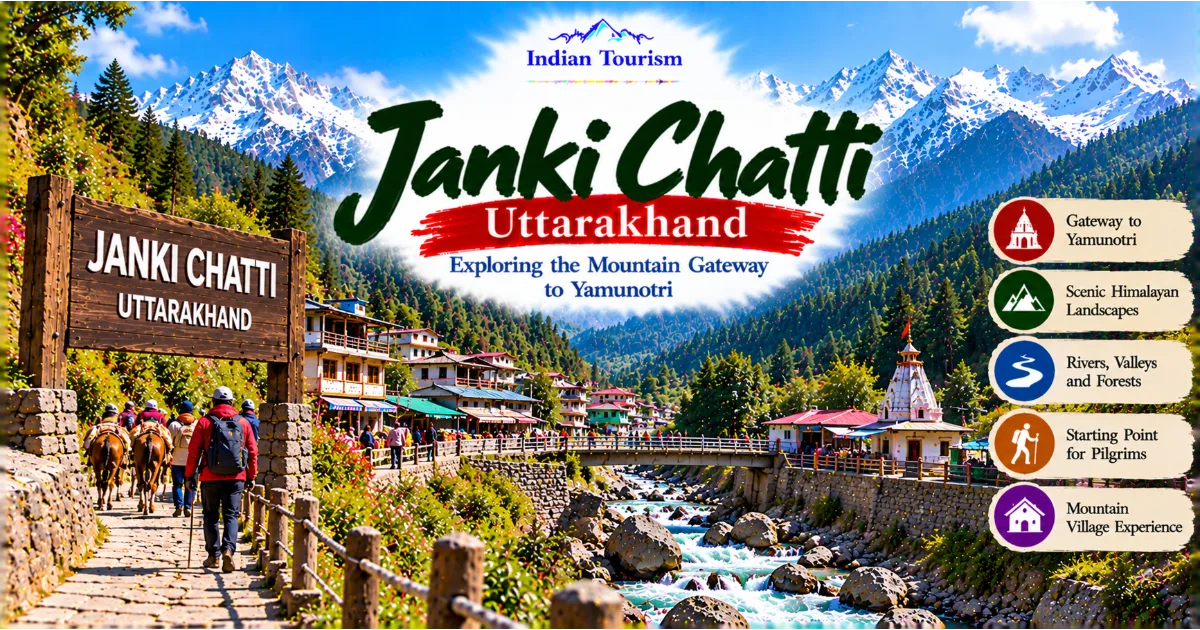
Janki Chatti serves as an important starting point for the uphill journey toward Yamunotri. It provides a place for travelers to organize supplies and prepare for the pilgrimage.
Visitors should confirm current transport arrangements and route conditions before beginning the ascent.
Hanuman Chatti
Hanuman Chatti is part of the wider Yamunotri travel corridor. The settlement provides insight into the relationship between mountain transportation, pilgrimage, and local livelihoods.
Travelers can consider it as part of a broader regional journey if road conditions and time allow.
Barkot
Barkot is an important town in the Yamuna valley travel network. It may offer accommodation, food, supplies, and transport arrangements for travelers approaching the Yamunotri route.
Staying in Barkot can help visitors organize their journey and avoid rushing directly into a demanding mountain walk after a long drive.
Who Should Visit Divya Shila?
Divya Shila is particularly meaningful for pilgrims visiting Yamunotri and people interested in Hindu religious traditions. Its role in the customary sequence of worship makes it an important place for those who wish to understand the spiritual character of the destination.
Cultural travelers may appreciate learning how natural features become sacred through religious practice and community memory. Divya Shila provides a clear example of how a place can hold significance without being a large architectural structure.
History enthusiasts can explore the relationship between pilgrimage routes, seasonal access, and local traditions. The wider Yamunotri region demonstrates how religious practices continue within a challenging mountain environment.
Nature lovers may value the surrounding Himalayan landscape, although the primary journey involves a demanding approach rather than a simple sightseeing stop. Visitors should prepare appropriately for the route and respect environmental restrictions.
Photographers can document the surrounding mountains and the cultural atmosphere from permitted viewpoints. Respect for religious practices should guide all photography.
Families can visit if the route is appropriate for the abilities and needs of every member. The uphill journey should not be underestimated, and plans should allow time for rest.
Divya Shila may not suit travelers seeking an easily accessible attraction or extensive commercial entertainment. Its value lies in religious significance, cultural understanding, and the experience of reaching a sacred place within the Himalayas.
Final Thoughts: The Sacred Meaning of Divya Shila
Divya Shila is an important part of the Yamunotri pilgrimage tradition in Uttarakhand. Its religious significance comes from its association with worship before devotees proceed to the temple dedicated to Goddess Yamuna. Although it is physically modest compared with the surrounding Himalayan landscape, its role in the traditional sequence of worship gives it a meaningful place in the pilgrimage experience.
The sacred rock also illustrates the relationship between natural features and religious traditions in India. Places become significant through the beliefs, practices, and memories that communities preserve across generations. Divya Shila is part of a wider sacred landscape that includes the Yamunotri temple, the Yamuna valley, and the mountain environment through which pilgrims travel.
For visitors, learning about Divya Shila offers an opportunity to appreciate the cultural richness of Uttarakhand beyond its dramatic scenery. The journey encourages reflection on the importance of faith, the continuity of traditions, and the role of geography in shaping religious life.
A successful visit requires practical preparation. Travelers should confirm the official pilgrimage schedule, road access, weather, and current route arrangements. They should also prepare for the uphill journey and follow all local instructions once they reach the sacred area.
Respectful behavior is essential. Visitors should protect the environment, follow customary practices, and avoid disturbing people engaged in worship. By doing so, they help preserve the religious atmosphere and natural setting that make Yamunotri special.
Divya Shila reminds travelers that a sacred destination does not need to be large or elaborate to hold deep meaning. Its importance lies in the traditions connected with it and in the continuing devotion of the people who visit. Within the dramatic landscape of the Garhwal Himalayas, this sacred rock forms a small but significant part of Uttarakhand's enduring spiritual heritage.
#IndianTourism #UttarakhandTourism #DivyaShila #Yamunotri #GoddessYamuna #CharDhamYatra #GarhwalHimalayas #HimalayanPilgrimage #ReligiousTourism #IndianCulture #SacredPlacesOfIndia #ExploreUttarakhand #TravelIndia #ResponsibleTourism