
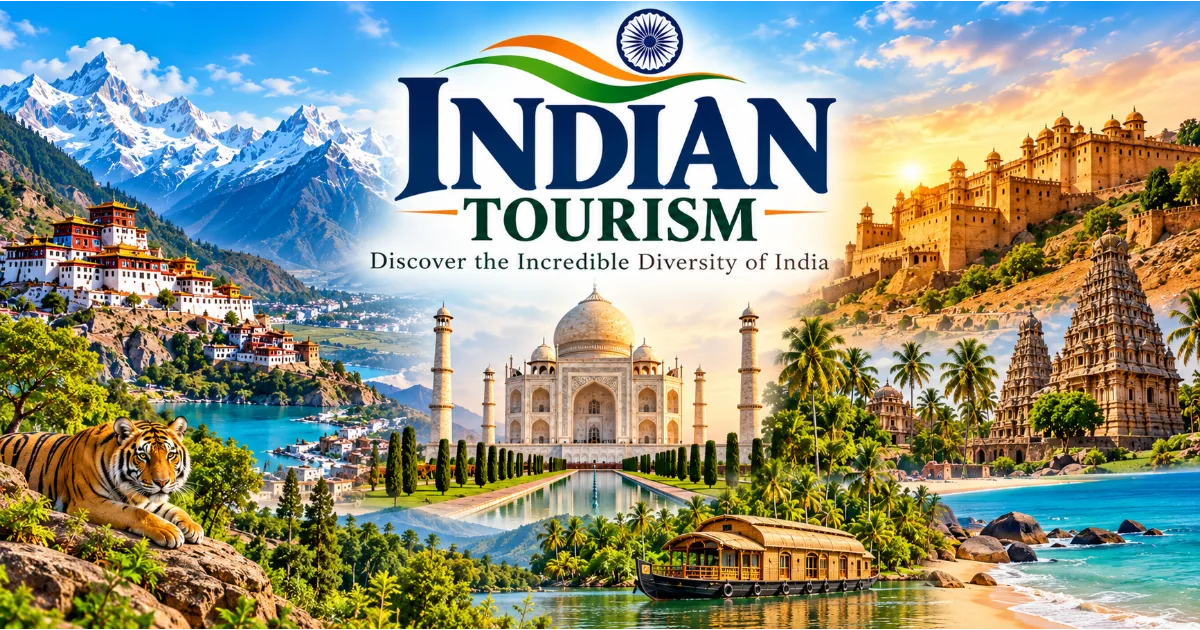
A Journey Through a Land of Extraordinary Diversity
India is a country where every journey introduces travellers to a different world. From the snow-covered mountains of the Himalayas to the sunlit beaches of the southern coastline, from the golden deserts of Rajasthan to the green tea gardens of Assam, India offers an extraordinary variety of landscapes, cultures, traditions, architecture, food, wildlife, and travel experiences. Every region has its own identity, shaped by geography, history, climate, language, and the people who call it home. Travelling across India is not simply about visiting famous monuments or taking photographs at beautiful locations. It is an opportunity to understand a country whose diversity is reflected in its everyday life, celebrations, cuisine, architecture, and relationship with nature.
For some travellers, India means exploring magnificent palaces, ancient forts, and historic cities. For others, it means walking through mountain villages, watching the sunrise over a quiet beach, discovering sacred places, enjoying regional food, or spending time in communities that preserve generations of traditional knowledge. Some visitors seek adventure, while others prefer peaceful retreats, wildlife experiences, family holidays, romantic escapes, or carefully planned cultural journeys. India's remarkable variety makes it possible to experience many different kinds of travel without leaving the country.
Indian Tourism begins with a simple idea: every state, region, and destination has a story worth discovering. Through this series, we will explore India step by step, beginning with the country as a whole and gradually moving into individual states, tourism regions, cities, towns, villages, natural attractions, and lesser-known destinations. The aim is to help readers understand not only where to travel, but also when to visit, what to experience, how to plan a journey, and what makes each destination special.
Understanding the Many Faces of India
A Country of Contrasting Landscapes
India's geography is one of the strongest reasons for its tourism diversity. The northern Himalayan region contains high mountain ranges, glaciers, valleys, alpine lakes, forests, and settlements shaped by mountain life. Destinations in Jammu and Kashmir, Ladakh, Himachal Pradesh, Uttarakhand, and Sikkim attract travellers interested in mountain scenery, trekking, photography, winter experiences, monasteries, and peaceful retreats. Depending on the destination and season, visitors may encounter snow-covered roads, green valleys, flowering meadows, clear mountain lakes, or dramatic high-altitude landscapes.
Further south and west, the scenery changes dramatically. Rajasthan is known for its desert landscapes, sandstone architecture, colourful cities, and historic forts. Gujarat combines a long coastline, historic towns, wildlife habitats, craft traditions, and the extraordinary seasonal landscapes of the Rann of Kutch. Madhya Pradesh offers forests, wildlife reserves, ancient temples, archaeological sites, and historic settlements. Maharashtra combines major cities with hill stations, coastal destinations, caves, forts, and mountain routes through the Western Ghats.
Southern India presents another remarkable collection of landscapes. Kerala is celebrated for its backwaters, beaches, forests, plantations, and hill destinations. Karnataka combines coastal scenery, Western Ghats landscapes, heritage monuments, wildlife areas, and lively urban centres. Tamil Nadu is home to historic temple towns, coastal destinations, hill stations, and architectural landmarks. Andhra Pradesh and Telangana offer a combination of religious destinations, historic monuments, natural landscapes, reservoirs, and modern cities.
Eastern and northeastern India provide equally varied experiences. West Bengal includes Himalayan foothills, historic cities, forests, and coastal areas. Odisha combines temple architecture, beaches, lakes, and tribal cultural traditions. Assam is known for the Brahmaputra River, tea gardens, wildlife, and cultural heritage. Meghalaya offers waterfalls, caves, forested hills, and distinctive living root bridges. Arunachal Pradesh, Nagaland, Manipur, Mizoram, and Tripura present mountain landscapes, forests, traditional settlements, and cultural experiences that differ from one region to another.
India's island territories add another dimension to this geographical diversity. The Andaman and Nicobar Islands are associated with tropical forests, beaches, marine ecosystems, and island landscapes, while Lakshadweep is known for its coral islands and clear surrounding waters. Access, environmental protection, local regulations, and seasonal conditions are important considerations when planning travel to these destinations.
The Importance of Regional Identity
India cannot be understood through a single description of its culture or lifestyle. Languages, food habits, clothing, architecture, music, dance, festivals, and social customs vary considerably across regions. A traveller moving from Punjab to Kerala will notice differences in cuisine, landscape, climate, and cultural expression. A visit to Rajasthan may reveal desert architecture and historic royal traditions, while a journey through Nagaland may introduce visitors to distinctive community festivals, local crafts, and mountain landscapes.
These differences make regional tourism especially meaningful. Rather than treating every state as a collection of famous attractions, travellers can explore the stories behind its towns, villages, monuments, markets, landscapes, and traditions. Regional travel also helps visitors appreciate places beyond the most heavily promoted tourist centres.
Exploring India State by State
Northern India: Mountains, Heritage, and Historic Cities
Northern India offers a broad range of experiences, from mountain adventures and spiritual journeys to architectural exploration and urban tourism. Jammu and Kashmir attracts visitors with its valleys, lakes, mountain scenery, gardens, and distinctive cultural heritage. Ladakh offers dramatic high-altitude landscapes, monasteries, mountain passes, and opportunities to learn about communities living in a challenging environment. Travel here requires careful planning because altitude, weather, road access, and seasonal closures can affect itineraries.
Himachal Pradesh is known for its mountain towns, forested valleys, trekking routes, orchards, and traditional settlements. Uttarakhand combines Himalayan scenery with pilgrimage routes, forests, rivers, and hill destinations. Punjab introduces travellers to a rich culinary culture, historic sites, agricultural landscapes, and important religious destinations. Haryana and Delhi offer different combinations of historical landmarks, modern urban experiences, museums, markets, and cultural attractions.
Uttar Pradesh contains some of India's most recognisable heritage and pilgrimage destinations, including Agra, Varanasi, and numerous historic cities and sacred sites. Travellers can explore Mughal architecture, riverfront traditions, ancient religious centres, local markets, and regional cuisine. Northern India is therefore not a single travel experience. It is a collection of journeys that may focus on mountains, history, spirituality, food, architecture, or contemporary urban life.
Western India: Royal Architecture, Coastlines, and Colourful Traditions
Western India offers a compelling mixture of historic cities, desert landscapes, coastal settlements, and modern metropolitan centres. Rajasthan is particularly well known for its forts, palaces, havelis, desert towns, lakes, and colourful festivals. Jaipur, Udaipur, Jodhpur, Jaisalmer, and other destinations provide different perspectives on the region's architectural heritage and cultural traditions. Travellers can explore historic streets, traditional crafts, local food, desert experiences, and heritage accommodation.
Gujarat offers an equally varied tourism landscape. Visitors can explore historic stepwells, temples, coastal towns, craft villages, wildlife areas, and the seasonal salt desert of the Rann of Kutch. The state also has important archaeological sites and living traditions associated with textiles, handicrafts, and regional festivals.
Maharashtra combines the energy of Mumbai and Pune with historic hill forts, ancient rock-cut caves, beaches, vineyards, forests, and mountain destinations. Goa is widely associated with beaches and coastal holidays, but its tourism identity also includes Portuguese-era architecture, local villages, traditional cuisine, religious heritage, and cultural celebrations. Dadra and Nagar Haveli and Daman and Diu offer their own combinations of coastal scenery, heritage, and nature-based experiences.
Central India: Wildlife, Archaeology, and Natural Landscapes
Central India is an important destination for travellers interested in wildlife, ancient architecture, forests, and archaeological heritage. Madhya Pradesh contains numerous historic monuments, temple complexes, and wildlife reserves. Destinations such as Khajuraho, Sanchi, and the state's national parks attract visitors for very different reasons. The region allows travellers to combine architectural exploration with nature-based tourism, although wildlife sightings are never guaranteed and safari access depends on park regulations and availability.
Chhattisgarh offers waterfalls, forests, caves, cultural traditions, and less widely known destinations. Its tourism potential includes nature experiences, heritage exploration, and opportunities to learn about local communities and traditional practices. Responsible travel is particularly important when visiting ecologically sensitive areas or places where community life and cultural privacy deserve respect.
Eastern India: Spiritual Heritage, Architecture, and Natural Beauty
Eastern India offers historic cities, religious destinations, coastlines, forests, rivers, and distinctive culinary traditions. Bihar has important Buddhist, Jain, and other historical connections, making it significant for pilgrimage and heritage tourism. Travellers interested in the history of religious movements can explore sites associated with ancient learning, spiritual traditions, and archaeological discoveries.
Jharkhand contains forests, waterfalls, hills, and destinations connected with local cultural traditions. Odisha combines a remarkable temple heritage with coastal tourism, wildlife habitats, and the landscapes surrounding Chilika Lake. Its architecture, traditional arts, festivals, and regional cuisine offer rich opportunities for cultural exploration.
West Bengal brings together the historic and cultural attractions of Kolkata, the Himalayan landscapes around Darjeeling, the mangrove environment of the Sundarbans, and coastal destinations. Travellers can explore literature, art, colonial-era architecture, tea gardens, religious traditions, and regional food. The eastern region demonstrates how history, ecology, and cultural life can shape tourism in different ways.
Northeastern India: Mountains, Biodiversity, and Living Cultures
Northeastern India deserves special attention because of its geographical diversity, rich biodiversity, and distinct cultural identities. Assam is known for tea gardens, river landscapes, wildlife, and cultural traditions. Meghalaya offers misty hills, caves, waterfalls, forests, and living root bridges created through generations of local knowledge. Arunachal Pradesh has high mountains, valleys, monasteries, forests, and communities with diverse languages and traditions.
Nagaland, Manipur, Mizoram, and Tripura offer different combinations of mountain scenery, historic sites, local festivals, traditional crafts, and regional cuisine. Sikkim attracts visitors with Himalayan views, monasteries, mountain villages, and nature-based experiences. Travel planning in the northeast should take account of seasonal rainfall, road conditions, local customs, permit requirements where applicable, and the need to respect community traditions.
The region should not be treated as one uniform destination. Each state has its own character, and meaningful tourism requires attention to local context. Visitors can contribute positively by choosing responsible operators, respecting photography restrictions, reducing waste, and supporting local businesses.
Southern India: Temples, Beaches, Hill Stations, and Heritage
Southern India offers a remarkable range of cultural and natural experiences. Kerala combines backwaters, beaches, forests, hill stations, plantations, and a distinctive culinary heritage. Visitors may explore houseboat routes, coastal towns, wildlife areas, spice-growing regions, and mountain landscapes. The monsoon transforms many parts of Kerala, but heavy rainfall can also affect transport, outdoor activities, and safety.
Karnataka brings together major urban centres, ancient monuments, temple architecture, coastal destinations, and the Western Ghats. Hampi is particularly important for its monumental remains and historical landscape, while Mysuru offers palaces, gardens, and cultural attractions. Coastal Karnataka introduces visitors to beaches, religious sites, and regional food traditions.
Tamil Nadu is renowned for its monumental temples, historic cities, classical arts, coastal destinations, and hill stations. Cities such as Chennai and Madurai offer different cultural experiences, while destinations such as Ooty and Kodaikanal attract visitors seeking cooler mountain environments. Andhra Pradesh includes important religious centres, coastal landscapes, valleys, and historic attractions. Telangana combines Hyderabad's heritage and food culture with forts, monuments, lakes, and other regional destinations. Puducherry offers coastal streetscapes, heritage architecture, cafés, and a distinctive blend of cultural influences.
Choosing the Best Time to Visit India
Understanding India's Travel Seasons
India has no single best travel season because its geography creates substantial regional differences. Winter is generally a comfortable period for exploring many plains, desert destinations, and historic cities, although conditions vary by location. Mountain destinations may experience snowfall, freezing temperatures, or road closures. Coastal areas can offer pleasant holidays, while some wildlife reserves have seasonal operating schedules that visitors should check before travelling.
Summer can be challenging in many inland destinations because of high temperatures, but it can be suitable for certain Himalayan regions and higher-altitude hill stations. Travellers should consider local weather, altitude, road conditions, and the availability of accommodation rather than assuming that every mountain destination will be cool or accessible.
The monsoon season brings rainfall that supports forests, agriculture, waterfalls, and green landscapes. Destinations in the Western Ghats and parts of northeastern India can be especially scenic during this period. However, heavy rain may create risks from landslides, flooding, rough seas, and transport disruption. Travellers should monitor local advisories and remain flexible with plans.
The most suitable travel period therefore depends on the destination and the purpose of the trip. A beach holiday, a wildlife safari, a pilgrimage, a Himalayan trek, and a city heritage tour may all require different timing. Throughout this series, seasonal recommendations will be tailored to individual destinations and updated when conditions or regulations change.
Travel Experiences for Every Type of Traveller
Honeymoon and Romantic Holidays
India offers many possibilities for couples seeking a romantic holiday. Mountain retreats, quiet beaches, lake destinations, heritage hotels, plantation stays, and island experiences provide different settings for a honeymoon. Couples may prefer the scenery of Kashmir, the mountain atmosphere of Himachal Pradesh, the backwaters of Kerala, the beaches of Goa, or the lakes and palaces of Rajasthan. The right choice depends on budget, travel duration, preferred climate, privacy, accessibility, and the kind of experiences a couple enjoys.
A successful honeymoon does not necessarily require an expensive resort or a long itinerary. Some couples prefer peaceful surroundings and unhurried days, while others enjoy adventure, sightseeing, food experiences, and outdoor activities. Destination guides in this series will help readers compare these options and identify the most suitable time to travel.
Family Holidays and Multi-Generational Travel
Family travel requires attention to comfort, accessibility, travel time, accommodation, food preferences, and the needs of children or older travellers. Destinations with manageable transport, a variety of activities, and suitable accommodation can make family holidays more enjoyable. Historic cities, beaches, hill stations, wildlife experiences, museums, and cultural attractions can all work well when planned around the group's interests and physical needs.
Multi-generational trips may benefit from a slower itinerary with enough time for rest. Rather than trying to visit every attraction, families can select a few meaningful experiences and leave room for unexpected discoveries. Our future guides will discuss practical travel durations, suitable routes, seasonal conditions, and common planning considerations.
Adventure, Wildlife, and Nature Tourism
India's mountains, forests, rivers, coastlines, and protected areas create opportunities for trekking, rafting, camping, birdwatching, wildlife safaris, diving, and other outdoor activities. These experiences should be planned with attention to safety, environmental regulations, weather, equipment, and the experience level required.
Wildlife tourism can be rewarding, but responsible visitors understand that animals are not performers and sightings cannot be guaranteed. Visitors should follow park instructions, avoid disturbing wildlife, and choose authorised activities. In mountain regions, altitude and rapidly changing weather may create serious risks, making local guidance and appropriate preparation essential.
Nature tourism also includes quieter experiences such as walking through tea gardens, visiting forest villages, observing birds, exploring waterfalls from safe viewpoints, or learning about local conservation initiatives. These experiences can help travellers appreciate landscapes beyond the usual sightseeing checklist.
Food, Festivals, and Cultural Discovery
Understanding India Through Its Cuisine
Food is one of the most rewarding ways to understand India's regional identities. Recipes vary with climate, agriculture, local ingredients, religion, community traditions, trade, and historical influences. Travellers may encounter wheat-based dishes in northern regions, rice-centred meals across many eastern and southern communities, coastal seafood traditions, millet-based foods, distinctive sweets, and a wide variety of vegetarian and non-vegetarian preparations.
Regional food deserves more than a quick restaurant stop. Local markets, traditional eateries, seasonal produce, and regional cooking methods can reveal how people connect food with place and identity. Visitors should communicate dietary requirements clearly and pay attention to food hygiene, drinking water, allergies, and food safety.
Festivals and Living Traditions
Festivals provide insight into the histories, beliefs, artistic practices, and community life of different regions. Celebrations such as Durga Puja, Onam, Pongal, Bihu, Navratri, Ganesh Chaturthi, and numerous regional festivals transform cities, villages, temples, streets, and public spaces in different ways. Each festival has its own local expressions, and the experience can vary significantly between communities.
Festival travel requires planning because accommodation, transport, and popular attractions may become crowded. Visitors should learn about appropriate behaviour, photography restrictions, religious customs, and public safety. Respectful participation allows travellers to appreciate celebrations without treating community traditions as mere spectacles.
Planning a Memorable Trip Across India
Budget, Transport, and Accommodation
A successful trip begins with realistic planning. India offers options across a broad range of budgets, but costs vary by destination, season, travel style, accommodation, and transport availability. Travellers should consider transport to the destination, local movement, accommodation, meals, entry tickets, guided activities, permits, insurance, and a reserve for unexpected expenses.
Railways, domestic flights, buses, taxis, ferries, and private vehicles all play different roles in Indian travel. The most suitable option depends on distance, route, time, comfort, accessibility, and local conditions. Accommodation ranges from hostels and homestays to guesthouses, hotels, heritage properties, and luxury resorts. Choosing a suitable location can reduce travel time and make an itinerary more practical.
A good itinerary balances sightseeing with rest. Travellers should avoid packing too many distant attractions into a short visit, especially where mountain roads, weather, ferry schedules, or local transport can affect travel times. Booking requirements, opening hours, permits, and seasonal availability should be verified before departure.
Responsible and Sustainable Tourism
Tourism can support local employment, small businesses, craftspeople, guides, accommodation providers, and conservation initiatives. It can also create pressure on water supplies, waste systems, wildlife, fragile landscapes, and historic sites when visitor numbers exceed local capacity. Responsible travel helps reduce these negative effects.
Visitors can support local communities by choosing locally operated services, purchasing authentic crafts, respecting cultural boundaries, reducing single-use waste, conserving water, and following environmental rules. At religious and heritage sites, appropriate clothing and respectful behaviour are important. In ecologically sensitive locations, visitors should stay on permitted routes, avoid feeding animals, and follow guidance from authorised staff.
Responsible tourism also involves recognising that communities have the right to decide how their homes, cultural practices, and natural resources are experienced by visitors. Good travel is not only about what a visitor gains, but also about whether the journey respects the people and places encountered.
What to Expect From the Indian Tourism Series
A Journey Through Every State and Region
Indian Tourism will explore the country in a structured sequence, beginning with state introductions and moving into the regions and destinations within each state. Each state guide will explain its geographical character, major tourism areas, cultural identity, significant attractions, and practical travel considerations. Regional guides will then focus on travel circuits, towns, landscapes, and experiences that can be explored together.
Individual destination articles will provide more detailed information about attractions, local experiences, the best time to visit, seasonal conditions, transport, accommodation areas, budgets, and suggested itineraries. Where relevant, guides will also discuss honeymoon travel, family holidays, adventure activities, wildlife, food, heritage, and lesser-known places. The aim is to make the series useful both for readers beginning to explore India and for experienced travellers searching for a more focused journey.
The series will cover well-known destinations as well as places that receive less attention. Popular attractions remain important because of their history, beauty, or cultural significance, but quieter towns and less familiar regions can offer equally meaningful experiences. Each destination will be approached on its own merits, with practical advice and respect for its local context.
Conclusion: Every Destination Has a Story
India's greatest tourism strength lies in its diversity. Its mountains, deserts, rivers, forests, coastlines, historic monuments, living traditions, regional cuisines, and welcoming communities create countless opportunities for exploration. No single journey can reveal the whole country, and no list of famous attractions can fully capture the variety of experiences available across its states and territories.
Indian Tourism is an invitation to explore that diversity with curiosity and care. Through state-wise guides, region-wise journeys, destination articles, seasonal recommendations, and practical travel advice, this series will help readers discover the places that interest them and plan journeys that suit their needs. Whether the goal is a romantic escape, a family holiday, a wildlife adventure, a heritage tour, a spiritual journey, or the discovery of a quiet village, there is always another part of India to explore.
Our journey begins here, with an open invitation to discover India's many landscapes, cultures, and stories. In the next stage, we will begin exploring the states and union territories one by one, gradually building a detailed travel guide to the country and the experiences that make each destination unique.
#IndianTourism #ExploreIndia #DiscoverIndia #TravelIndia #IncredibleIndia #IndiaTravelGuide #IndianHeritage #IndianCulture #NatureTourism #AdventureTravel #HoneymoonDestinations #FamilyTravel #ResponsibleTourism

