
A Peaceful Escape into the Forests of Himachal Pradesh
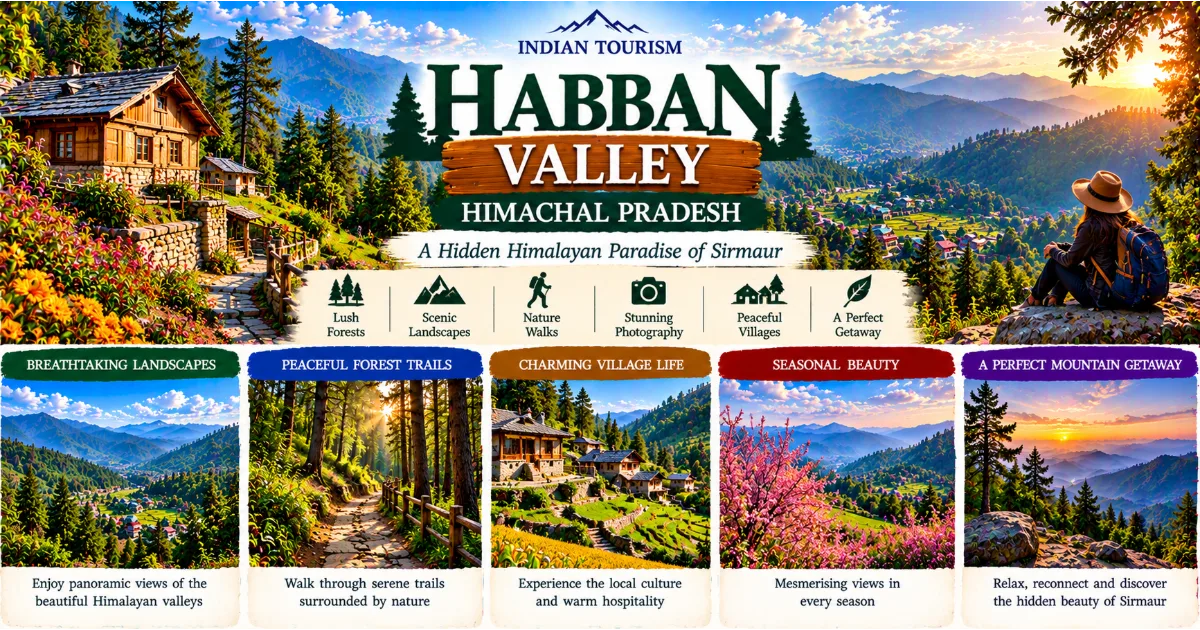
Himachal Pradesh is widely celebrated for its dramatic mountain scenery, charming hill towns, ancient temples and valleys that offer a welcome escape from the pressures of everyday life. While destinations such as Shimla, Manali and Dharamshala attract visitors throughout the year, the state also contains quieter places where the experience of travel is shaped by forests, village life, fresh mountain air and the pleasure of discovering landscapes away from busy tourist centres. Habban Valley, situated in the Sirmaur district, is one such destination. Known for its forested surroundings, peaceful atmosphere and traditional mountain setting, it offers travellers an opportunity to experience a quieter side of Himachal Pradesh.
Habban Valley appeals particularly to people who prefer slow travel over crowded sightseeing. Instead of spending the entire day moving between commercial attractions, visitors can explore village surroundings, walk through wooded landscapes, observe local life and appreciate the changing colours of the mountains. The experience is less about ticking destinations off a list and more about enjoying the character of a place. The valley's appeal lies in its natural setting and the opportunity to reconnect with a simpler rhythm of travel.
The region is associated with the forested hills of Sirmaur, where settlements are scattered among slopes, agricultural land and woodland. The landscape changes with the seasons, from fresh greenery during favourable periods to the warm colours of autumn and the cooler atmosphere of winter. For photographers, nature enthusiasts, couples and families seeking a quiet getaway, Habban Valley offers a setting that feels different from the heavily commercialised hill stations of northern India.
A visit to Habban Valley can also introduce travellers to the cultural character of rural Himachal Pradesh. Local architecture, traditional food, farming practices and community life reveal how people adapt to the demands of a mountainous environment. These experiences can be just as memorable as the scenery itself.
This guide explores Habban Valley's location, natural environment, seasonal appeal, travel planning, activities, nearby attractions and responsible tourism practices. It is designed for travellers who want to discover the lesser-known destinations of Himachal Pradesh while approaching the region with curiosity and respect.
Where Is Habban Valley Located?
Habban Valley is located in the Sirmaur district of Himachal Pradesh, in the southern part of the state's mountain region. The area is known for its forested surroundings, rural settlements and relatively peaceful atmosphere compared with major commercial hill stations. Its geographical setting makes it appealing to travellers who want to experience the landscapes of the lower and middle Himalayan region without necessarily travelling to the highest mountain areas.
The broader Sirmaur district contains a variety of landscapes, including foothills, cultivated valleys, forested slopes and settlements with distinct local traditions. Habban Valley forms part of this varied environment, offering a different experience from the district's better-known religious and historical destinations.
The journey to the valley is part of the experience. Roads wind through hilly terrain, passing wooded slopes, small settlements and changing views of the surrounding landscape. Depending on the starting point and current road conditions, the journey may require more time than a map suggests. Visitors should allow for slower driving on mountain roads and avoid planning an itinerary that depends on reaching several distant places in a single day.
Habban Valley is especially suitable for travellers who appreciate destinations that are not dominated by large shopping complexes, nightlife or busy tourist promenades. The region's attraction is its quiet atmosphere and natural environment. Visitors should therefore arrive with realistic expectations and understand that facilities may be more limited than in larger towns.
Because rural tourism infrastructure can vary, it is wise to confirm accommodation, transport arrangements and access conditions before departure. Planning these details in advance allows travellers to enjoy the destination without unnecessary uncertainty.
The Natural Beauty of Habban Valley
Forests That Shape the Landscape
The forested surroundings are among the most appealing features of Habban Valley. Trees cover many of the slopes, creating a landscape where wooded hills, open spaces and village settlements exist alongside one another. The forests influence the atmosphere of the region, providing shade, supporting wildlife and contributing to the sense of tranquillity that visitors often seek in mountain destinations.
Walking through a forested landscape can be a rewarding experience even when there is no specific attraction at the end of the route. The changing light, sounds of birds, movement of leaves and occasional openings through the trees encourage visitors to slow down and notice details that might be overlooked during a hurried trip.
Forest environments are also important for maintaining ecological balance. Trees help protect soil, regulate water movement and provide habitats for a variety of organisms. In mountainous regions, healthy forest cover can reduce erosion and support the stability of slopes, although the effectiveness of forests depends on many factors, including soil conditions, vegetation type and land management.
Visitors should treat these landscapes as living ecosystems rather than simply scenic backgrounds. Staying on established paths, avoiding litter and refraining from disturbing wildlife help preserve the environment for future generations.
Mountain Views and Open Slopes
Habban Valley offers the kind of mountain scenery that encourages travellers to pause and appreciate the landscape. Depending on the route and location, visitors may encounter views of wooded ridges, cultivated slopes, small settlements and distant hills.
The experience can change considerably with the weather. Clear mornings may reveal layered mountain profiles, while mist and low clouds can create a softer, more atmospheric setting. After rainfall, the landscape may appear especially fresh, although wet conditions can also make roads and walking paths more difficult to navigate.
For photographers, these changes create opportunities to capture the valley in different moods. Wide landscape images can show the relationship between the forests and surrounding hills, while closer photographs can focus on village houses, trees, agricultural plots and details of rural life.
Visitors should remember that not every scenic location is a designated viewpoint. Some open spaces may be privately owned or used for farming. Before entering a field or stopping on a narrow road to take photographs, travellers should make sure they are not disturbing residents or creating a safety hazard.
Fresh Mountain Air and a Slower Pace
One of the simplest pleasures of visiting a quiet mountain destination is the opportunity to experience a different pace of life. Habban Valley offers a setting where visitors can spend time outdoors, enjoy the surrounding landscape and take a break from constant traffic, crowded commercial areas and digital distractions.
A peaceful environment can make a short holiday feel more restorative, especially for people whose everyday routines involve long working hours or busy urban surroundings. Walking, reading, photography and spending time with family can become the main activities rather than additions to a demanding sightseeing schedule.
However, travellers should avoid assuming that every rural mountain location is completely untouched or free from environmental pressures. Communities in the hills depend on roads, electricity, water supplies and other services, and tourism can place additional demands on local resources.
The best way to appreciate the valley is to enjoy its quiet character while respecting the needs of the people who live there. Responsible visitors understand that a destination remains peaceful only when tourism develops in a way that supports rather than overwhelms the local environment.
Why Habban Valley Is Different from Popular Hill Stations
A Destination for Slow Travel
Popular hill stations often offer a large selection of hotels, restaurants, shopping areas, organised activities and entertainment. These facilities can make travel convenient, but they can also create congestion during peak periods. Habban Valley appeals to a different kind of traveller, one who prefers fewer distractions and more time to experience the surroundings.
Slow travel is based on the idea that a destination should be experienced rather than merely visited. Instead of moving rapidly between attractions, travellers spend more time walking, observing local life, trying regional food and understanding the landscape.
In Habban Valley, this approach can mean beginning the morning with a walk, spending the afternoon reading or photographing the scenery and ending the day with a meal prepared using local ingredients. The value of the experience comes from the quality of time spent there rather than the number of places visited.
This style of travel can be particularly rewarding for couples and families seeking a break from crowded destinations. It also encourages visitors to spend money locally and develop a stronger appreciation for the region.
A More Intimate Connection with Rural Life
Rural destinations offer opportunities to understand the relationship between people and their environment. In mountain settlements, homes, roads, agricultural land and daily routines often reflect the challenges of living on sloping terrain and adapting to seasonal changes.
Visitors may observe farming activity, household gardens, traditional building materials and the use of local resources. These details provide a glimpse into how communities organise their lives around the landscape.
Travellers should approach such observations with humility. A village is not an open-air museum created for visitors. It is a home for people who have their own responsibilities, routines and expectations of privacy. Photography should be undertaken respectfully, and visitors should ask permission before taking pictures of individuals or private property.
Engaging politely with local residents can make a trip more meaningful, but visitors should not expect people to provide entertainment or personal stories simply because they are travelling through the area. Respectful curiosity is the foundation of responsible cultural tourism.
A Chance to Disconnect
A visit to Habban Valley can provide an opportunity to reduce screen time and focus on the immediate environment. Travellers can enjoy a walk without constantly checking notifications, spend time talking with companions and appreciate the simple experience of being outdoors.
Connectivity may vary in rural and mountainous areas, so visitors should not assume that mobile networks and internet services will always be reliable. Anyone who needs uninterrupted access for work should confirm connectivity with the accommodation provider before booking.
For leisure travellers, occasional limits on connectivity can encourage a healthier relationship with technology during a holiday. Keeping a phone available for navigation and emergencies remains important, but not every moment needs to be documented or shared online.
The most lasting memories of a quiet valley often come from experiences that do not require a photograph: the sound of birds in the morning, a conversation over tea, the smell of wet earth after rainfall or the changing colours of the hills at sunset.
Best Time to Visit Habban Valley
Spring: A Season of Renewal
Spring can be a rewarding time to visit Habban Valley because the landscape begins to show fresh growth after the colder months. Trees and vegetation develop new colour, and the weather may become more comfortable for outdoor activities.
The season is suitable for travellers who enjoy walking, photography and observing the changing landscape. Mornings can be cool, while afternoons may be pleasant depending on the weather. Visitors should carry layers because temperatures can vary between shaded forest areas and open slopes.
Spring also provides opportunities to observe the relationship between rural life and seasonal change. Agricultural activity may become more visible as communities prepare land and tend to crops. The exact timing of such activities varies according to altitude, weather and local farming practices.
For the best experience, visitors should check current road conditions and accommodation availability before travelling. Spring weather can still be unpredictable, particularly in mountainous areas.
Summer: A Refreshing Mountain Escape
Summer can attract travellers seeking relief from the heat of the plains. Habban Valley's forested surroundings and mountain setting may provide a more comfortable atmosphere than many lowland cities, although actual temperatures depend on local conditions.
This season can be suitable for families, couples and nature enthusiasts who want to spend time outdoors. Walking, photography and relaxed exploration can form the basis of a summer visit.
Visitors should still carry drinking water, use sun protection and avoid strenuous activity during the hottest part of the day. Mountain weather can change quickly, so it is wise to carry a light jacket even when the forecast suggests warm conditions.
Summer can also be a busy period for some Himachal Pradesh destinations. Habban Valley may offer a quieter alternative, but accommodation and transport should still be arranged in advance if travelling during public holidays or school vacations.
Monsoon: Green Landscapes and Greater Caution
The monsoon can transform the valley with lush vegetation, fresh colours and misty mountain scenery. For photographers, the season may offer dramatic views and atmospheric conditions.
However, rainfall also creates important travel considerations. Mountain roads may become slippery, visibility can decline and landslides can affect routes in some parts of Himachal Pradesh. Walking paths may become muddy, while heavy rain can make outdoor activities uncomfortable or unsafe.
Visitors planning a monsoon trip should check weather forecasts and local road information before leaving. Travel plans should remain flexible, and drivers should avoid rushing along unfamiliar mountain roads.
If heavy rain is forecast, postponing a journey may be safer than attempting to reach the destination at any cost. The beauty of a green mountain landscape is not worth taking unnecessary risks.
Autumn: Clear Views and Comfortable Exploration
Autumn can be an appealing period for visiting Habban Valley because the weather may become more stable after the monsoon. Depending on local conditions, the landscape can offer clear views, comfortable daytime temperatures and opportunities for longer walks.
This season is often suitable for travellers who want to combine relaxation with photography and exploration of nearby rural areas. Clearer conditions can make mountain ridges and forested slopes easier to appreciate.
Autumn is also a good time to plan a slower itinerary. Visitors can spend time in the valley without needing to organise a packed schedule, and they may find the cooler evenings especially pleasant after a day outdoors.
As always, conditions vary from year to year. Checking current forecasts and road access remains important.
Winter: Quiet Days and Cold Nights
Winter can bring a quieter atmosphere to Habban Valley. The air becomes cooler, and mornings and evenings may require warm clothing. The landscape can have a different character from the greener seasons, with softer light and a more subdued palette.
Travellers who enjoy peaceful surroundings may appreciate the season, provided they are prepared for lower temperatures and possible weather-related disruptions. Visitors should confirm that their chosen accommodation remains open and has suitable heating or bedding arrangements.
Driving during winter requires care, particularly on shaded or narrow roads where moisture may make the surface slippery. Travellers should avoid late-night driving in unfamiliar areas and carry appropriate clothing.
Winter is best suited to visitors who prefer quiet stays and have flexible plans. Those seeking extensive outdoor activities should verify conditions before travelling.
How to Reach Habban Valley
By Road
Road travel is generally the most practical way to reach Habban Valley. Visitors can travel towards the relevant part of Sirmaur district and continue along local mountain roads. The best route depends on the starting point and current road conditions.
Travellers should not rely only on estimated driving times from a mapping application. Mountain roads can be narrow, winding or slower than expected, and temporary roadworks or weather conditions may cause delays.
A private vehicle offers flexibility, while a taxi can be a convenient option for visitors who do not wish to drive on unfamiliar roads. If using a taxi, confirm the fare, waiting arrangements and whether the driver is comfortable travelling to the exact accommodation or village location.
Before setting out, confirm the final approach with the accommodation provider. Rural properties may be located away from major roads, and some routes may require additional walking or local transport.
By Rail
Visitors travelling from distant cities can consider a railway connection serving the wider region and continue by road. The most suitable railhead depends on the origin of the trip, train availability and the route chosen for the final transfer.
Rail travel can reduce the strain of a long road journey, but the onward connection should be planned carefully. Travellers arriving late in the evening may find fewer transport options available for the final mountain leg.
Check schedules before booking and allow sufficient time between the train arrival and the road transfer. If travelling with children, older adults or substantial luggage, arranging a vehicle in advance can make the journey more comfortable.
By Air
Travellers arriving from other parts of India can consider an airport with suitable connections to the wider Himachal region or nearby states. The practical choice depends on flight availability, road distance and the total journey time.
An airport that appears close geographically may not necessarily provide the most convenient journey if the road connection is long or transport options are limited. It is therefore important to compare the entire trip rather than focusing only on the flight.
Visitors should confirm the onward transfer before departure and allow extra time for mountain roads. If weather conditions are uncertain, flexible travel arrangements can reduce the stress of unexpected delays.
Local Transport and the Final Journey
The final stage of travel is particularly important when visiting rural mountain destinations. Local public transport may be limited, and the availability of taxis can vary by time of day.
Visitors should confirm whether their accommodation can arrange a pickup or recommend a reliable local driver. Ask about the condition of the approach road, parking availability and any walking required to reach the property.
If travelling independently, download or save essential navigation information before leaving an area with reliable connectivity. Keep the accommodation's contact details accessible and share your broad travel plan with someone if travelling alone.
Good preparation allows visitors to spend more time enjoying Habban Valley and less time worrying about the practical details of reaching it.
Things to Do in Habban Valley
Take a Relaxed Nature Walk
Walking is one of the simplest ways to appreciate a forested mountain destination. Habban Valley's surroundings may offer opportunities for short walks along village roads, established paths and suitable open areas.
The best walk is not necessarily the longest. A gentle route can allow visitors to notice the details of the landscape, from the texture of tree bark to the sound of birds and the way sunlight moves across a hillside.
Before setting out, ask locally about suitable routes, access restrictions and current conditions. Some paths may cross private land or agricultural areas, while others may become slippery after rainfall.
Wear comfortable footwear with a good grip, carry drinking water and avoid walking alone in unfamiliar terrain without informing someone of your plans. Visitors should also be prepared to turn back if weather conditions deteriorate.
Enjoy Forest Photography
Habban Valley can appeal to photographers who enjoy capturing natural landscapes and rural environments. The combination of trees, hills, changing light and village details creates opportunities for both wide-angle compositions and close-up images.
Early morning and late afternoon may offer attractive light, although the best conditions depend on weather and the position of the sun. Mist can add atmosphere, while clear days may reveal more distant layers of the landscape.
Photographers should pay attention to their surroundings rather than focusing only on the camera. Avoid stepping into unsafe areas to obtain a particular angle, and do not damage vegetation while setting up equipment.
When photographing people, ask permission and respect a refusal. The same courtesy applies to homes, courtyards and agricultural spaces. A photograph should never come at the expense of someone's privacy or comfort.
Experience Rural Hospitality
Staying in a locally operated guesthouse or homestay, where available, can provide a deeper understanding of the valley. Accommodation hosts may be able to introduce visitors to regional food, local customs and practical information about nearby walks or attractions.
A homestay can also help travellers appreciate the routines of rural life. Meals may reflect seasonal ingredients, and the pace of service may differ from that of a large hotel. This is part of the experience rather than a shortcoming.
Visitors should communicate their needs clearly and understand the facilities being offered before booking. Rural accommodation may have fewer services than urban hotels, so expectations about internet access, heating, hot water and transport should be discussed in advance.
Choosing local accommodation can also help direct tourism income towards the community. When visitors stay respectfully and support local services, tourism has a better chance of creating lasting benefits for the destination.
Spend Time Reading, Resting and Reflecting
A holiday in Habban Valley does not need to be built around constant activity. Some visitors may find the greatest value in reading beside a window, enjoying tea outdoors or spending a quiet afternoon observing the landscape.
This approach can be particularly appealing to people who experience busy schedules and constant digital communication in their everyday lives. A slower itinerary creates room for conversation, reflection and genuine rest.
Families can use the time to enjoy activities together without the pressure of a crowded sightseeing schedule. Couples may appreciate the peaceful setting, while solo travellers can enjoy time outdoors and a more deliberate travel experience.
It is important to remain aware of the practical realities of rural travel. Keep emergency contacts available, follow local advice and ensure that any planned walk or excursion is suitable for the current conditions.
Habban Valley for Couples and Honeymoon Travellers
A Quiet Setting for Shared Experiences
Couples seeking a peaceful holiday may find Habban Valley appealing because of its forested landscape and relatively relaxed atmosphere. The destination is better suited to travellers who value nature, privacy and unhurried time together than to those looking for nightlife or large entertainment complexes.
A simple itinerary can include a morning walk, a relaxed meal, photography and an evening spent enjoying the surroundings. These activities create opportunities for conversation and shared experiences without requiring an elaborate schedule.
The suitability of a stay depends on accommodation quality, road access and the facilities available at the chosen property. Couples should confirm these details before booking, especially if they expect particular comforts or services.
Planning a Romantic Mountain Stay
A romantic getaway does not necessarily require luxury or extensive sightseeing. The experience may be more memorable when travellers choose a comfortable place to stay, allow time for rest and avoid packing too many activities into the day.
When selecting accommodation, consider the views, privacy, meal arrangements, access road and availability of transport. If the property is located far from the main road, confirm how to reach it and whether a vehicle is necessary for local exploration.
Weather can influence the experience significantly. During the monsoon, outdoor plans may be disrupted, while winter can bring colder nights. Couples should select clothing and accommodation according to the season rather than relying on photographs alone.
Visitors should also respect local customs and the privacy of residents. A quiet destination remains welcoming when travellers behave considerately and recognise that they are guests in a living community.
Habban Valley for Families
A Nature-Based Holiday for Children
Families can use a visit to Habban Valley as an opportunity to introduce children to forests, mountain landscapes and rural life. Outdoor experiences can encourage curiosity about plants, birds, weather and the relationship between people and the environment.
Children can observe how the landscape changes with altitude and exposure, notice different types of vegetation and learn why forests are important for soil and water. These activities do not require specialised equipment. A simple walk and a few thoughtful questions can turn the surroundings into an informal learning experience.
Parents should choose routes appropriate for the children's age and fitness. Keep children away from steep edges, slippery paths and unfamiliar watercourses. Supervision is especially important on narrow roads and near agricultural areas.
The trip should remain flexible enough to accommodate rest and changing weather. A quiet mountain holiday is most enjoyable when children have time to explore safely rather than being hurried from one activity to another.
Practical Considerations for Family Travel
Families should confirm accommodation facilities before booking. Important considerations may include room size, bedding, food availability, access to drinking water, heating during cold weather and the distance from the main road.
If travelling with very young children or older family members, ask about stairs, uneven paths and vehicle access. Rural properties can vary significantly in layout and accessibility.
Carry essential medicines, personal care items and snacks suitable for the journey. Local shops may not stock every specialised item, and transport delays can make it useful to have basic supplies available.
A successful family trip depends more on realistic planning than on the number of places visited. Habban Valley can be enjoyed at a relaxed pace, with time for outdoor exploration and rest.
Local Food and Traditional Mountain Hospitality
The Importance of Regional Food
Food is an important part of discovering a place because it connects visitors with local agriculture, household traditions and seasonal availability. In rural Himachal Pradesh, meals may include grains, pulses, vegetables and preparations influenced by the produce available in the surrounding region.
The exact food served in Habban Valley will depend on the accommodation and household. Visitors should not assume that every property offers the same dishes or dining arrangements. Asking about meals in advance helps travellers understand what to expect.
A locally prepared meal can offer insight into the practical side of mountain life. Ingredients may reflect seasonal conditions, while recipes may be passed between generations and adapted to family preferences.
Travellers with dietary restrictions should explain their requirements before arrival. People with food allergies should ask about ingredients and preparation methods rather than assuming that a dish is suitable.
Supporting Local Food Providers
Where local eateries or accommodation providers offer meals, choosing them can support the regional economy. Purchasing food locally also reduces the need to transport every item from larger towns, although the actual environmental benefit depends on how the supply chain operates.
Visitors should be patient if service takes longer than expected in a small establishment. Rural businesses may operate with limited staff and resources, and meals may be prepared after an order is placed.
Carry drinking water and check whether safe refill options are available. Avoid leaving packaging or food waste in natural areas. Responsible food practices help protect the landscape that attracts visitors in the first place.
Nearby Attractions to Consider
Rajgarh and the Surrounding Sirmaur Landscape
Rajgarh is one of the places travellers may consider when exploring the wider Sirmaur region. The surrounding area is known for rural settlements, forested slopes and agricultural landscapes that provide an alternative to the busier tourist centres of Himachal Pradesh.
Visitors interested in local life can use the broader region to understand how communities are connected through roads, markets and shared services. The landscape offers opportunities for scenic drives and relaxed exploration, provided the route is suitable for the available vehicle and current conditions.
A visit should be planned according to actual distances rather than assuming that nearby destinations can always be covered quickly. Mountain roads often require more time than expected, and stopping to enjoy the scenery adds to the journey.
Nahan: History and Town Life
Nahan is an important historic town in Sirmaur and can provide a useful contrast to the quiet rural atmosphere of Habban Valley. Its streets, markets and historic character introduce visitors to another dimension of the district.
Travellers can explore the town at a relaxed pace, observe local life and learn about the history of the former princely state of Sirmaur. Nahan can also serve as a practical stop for supplies and transport arrangements when planning a longer journey.
Whether Nahan can be comfortably combined with Habban Valley in one day depends on the starting point, road conditions and the time available. Visitors seeking a relaxed trip may prefer to allocate additional time rather than rushing between locations.
Churdhar: A Mountain Destination for Prepared Hikers
Churdhar is known for its mountain environment and religious significance, attracting visitors who are interested in trekking and the landscape of the Sirmaur region. It offers a different kind of experience from Habban Valley because the journey can involve more demanding outdoor activity.
A trip to Churdhar should be planned separately and with careful attention to fitness, weather, route conditions and seasonal access. Visitors should not assume that a trek is suitable for everyone or that conditions remain stable throughout the year.
Those who want a more relaxed holiday can enjoy Habban Valley without adding a demanding trek. Travellers who wish to include Churdhar should seek current local advice and prepare appropriately.
Paonta Sahib: A Centre of Sikh Heritage
Paonta Sahib is a major religious destination in Sirmaur associated with Guru Gobind Singh Ji and the history of Sikhism. Its prominent gurudwara, community service traditions and connection with the Yamuna River make it a meaningful place to explore.
The town offers a cultural experience that contrasts with the forested setting of Habban Valley. Visitors can learn about Sikh history, observe religious practices and experience the tradition of langar where available.
Because the journey between destinations can involve substantial road travel, visitors should confirm the route and allow enough time. A multi-day itinerary is generally more suitable than attempting to combine several distant attractions in a single hurried day.
Responsible Tourism in Habban Valley
Protecting the Forest Environment
Forest landscapes are vulnerable to littering, careless fires, damage to vegetation and unmanaged visitor activity. Even small amounts of waste can accumulate when many visitors follow the same route.
Travellers should carry reusable water bottles where practical, take all rubbish away from walking areas and use designated disposal facilities. Avoid lighting fires unless explicitly permitted in a designated safe location, and never leave a fire unattended.
Visitors should stay on established paths and avoid cutting vegetation or disturbing wildlife. Feeding wild animals can change their behaviour and create risks for both people and animals.
A forest remains healthy through the combined effects of ecological processes and responsible management. Tourism can support appreciation for nature, but it should not undermine the systems that make the landscape valuable.
Respecting Village Life
Habban Valley is part of a living rural environment. Residents may be working in fields, tending animals, maintaining homes or travelling along local roads while visitors explore the area.
Travellers should avoid blocking access, entering private property without permission or photographing people without consent. Noise should be kept to a reasonable level, especially in the evening and early morning.
If a resident offers information about the area, listen respectfully and recognise the value of local knowledge. At the same time, avoid assuming that every person has the time or desire to engage with visitors.
Supporting local shops and accommodation providers can help tourism benefit the community. Responsible travel is not only about preserving scenery; it is also about maintaining respectful relationships with the people who live in the destination.
Reducing the Impact of Travel
Mountain destinations can face pressure on water, waste management and road infrastructure. Visitors can reduce their impact by conserving water, limiting disposable packaging and choosing accommodation that manages waste responsibly.
Where practical, travellers can share transport, plan efficient routes and avoid unnecessary vehicle movement on narrow village roads. They should also consider whether an activity is appropriate for the local environment rather than assuming that every outdoor activity is harmless.
The goal is not to eliminate all impact, which is rarely possible, but to travel thoughtfully and minimise avoidable damage. A quiet valley can remain attractive only if the natural and cultural qualities that define it are respected.
Practical Travel Tips for Habban Valley
Before leaving, confirm your accommodation, route and local transport arrangements. Ask the host about the final approach road, parking, mobile connectivity and any walking required to reach the property.
Carry comfortable walking shoes, clothing suited to the season, drinking water, personal medicines and basic emergency supplies. Mountain weather can change quickly, so a light waterproof layer is useful even when conditions initially appear clear.
Avoid planning long outdoor walks late in the day, particularly if you are unfamiliar with the area. Tell someone about your route and expected return time if you intend to explore beyond the immediate surroundings.
During the monsoon, pay close attention to weather and road updates. If conditions become unsafe, postpone the journey or change the itinerary. During winter, confirm heating arrangements and prepare for colder nights.
Respect local customs, ask before taking photographs of people or private property and avoid littering. These simple actions can improve the experience for visitors and residents alike.
Finally, allow enough time for the destination. Habban Valley is best experienced without a rigid schedule. A relaxed approach gives you the freedom to appreciate the landscape and adapt to changing conditions.
Suggested Two-Day Itinerary
Day One: Arrival and Exploration
Begin the journey early enough to reach Habban Valley during daylight. Once you arrive, check in at your accommodation, settle in and ask the host about local walking routes and current conditions.
Spend the afternoon exploring the immediate surroundings. A short walk can introduce you to the forested slopes, village roads and changing mountain views. Avoid attempting an unfamiliar or lengthy route on the first day, especially if you have spent several hours travelling.
As evening approaches, return to the accommodation and enjoy a relaxed meal. Use the time to learn about local food and daily life, or simply rest after the journey. Keep outdoor movement limited after dark if you are unfamiliar with the area.
Day Two: Nature and Local Experiences
Begin the morning with a walk along a suitable established path. Early hours may offer comfortable temperatures and attractive light for photography, although the exact conditions will depend on the season.
After breakfast, spend time observing the landscape and, where appropriate, exploring nearby village surroundings. If your host recommends a suitable local attraction, confirm the route and travel time before leaving.
Allow time for lunch and an unhurried departure. If you are travelling onwards to another part of Sirmaur, ensure that the journey can be completed safely during daylight. Avoid adding distant attractions simply to make the itinerary appear more comprehensive.
This two-day approach allows travellers to experience the valley without turning the visit into a race against the clock. It leaves room for rest, spontaneous discoveries and meaningful contact with the surroundings.
Conclusion: Discover the Quiet Beauty of Habban Valley
Habban Valley offers a distinctive way to experience Himachal Pradesh. Its forested surroundings, rural character and peaceful atmosphere make it an appealing destination for travellers who want to move beyond the busiest hill stations and discover a quieter part of the Himalayas.
The valley is particularly suited to slow travel, nature walks, landscape photography and relaxed stays. It can also introduce visitors to the everyday realities of rural mountain life, where farming, community relationships and environmental conditions shape the rhythm of each day.
The best experience comes from thoughtful planning and realistic expectations. Visitors should confirm road access and accommodation, prepare for seasonal weather and respect the privacy of local residents. By supporting local services and reducing environmental impact, travellers can help preserve the qualities that make the destination special.
Habban Valley may not offer the scale of attractions found in major tourist centres, but its appeal lies in the opportunity to pause, observe and appreciate the natural world. For anyone exploring the lesser-known destinations of Sirmaur, it offers a rewarding reminder that a memorable journey does not always require a crowded itinerary or a famous landmark.
Sometimes, the most meaningful travel experience is simply a quiet mountain morning, a walk beneath the trees and the chance to discover a place at its own pace.
#IndianTourism #HimachalPradesh #HabbanValley #Sirmaur #ExploreHimachal #HiddenHimalayas #NatureTravel #MountainGetaway #ForestRetreat #SlowTravel #RuralTourism #HimachalTravel #ResponsibleTourism #FamilyTravel #DiscoverIndia
