
Where the Mountains Meet a World of Quiet Beauty
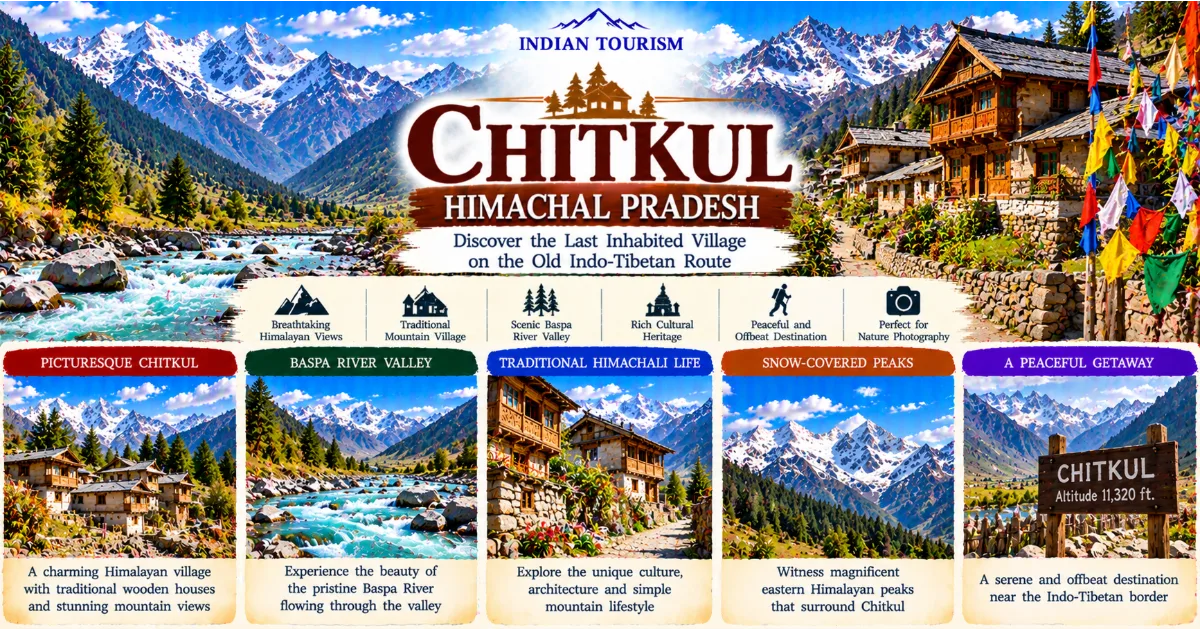
High in the Kinnaur district of Himachal Pradesh, surrounded by towering Himalayan peaks, deep valleys and the flowing waters of the Baspa River, lies Chitkul, one of the most captivating mountain villages in northern India. Known for its traditional wooden houses, dramatic mountain scenery, peaceful atmosphere and distinctive local culture, Chitkul offers a travel experience that feels very different from the busy hill stations of the Himalayas. Here, the landscape remains the central attraction, and the rhythm of village life follows the seasons, the river and the changing mountain weather.
Chitkul is often described as the last inhabited village near the Indo-Tibetan border along this route. The description reflects its remote location and its historical connection with mountain routes leading towards Tibet. However, border access and travel restrictions are governed by local regulations, so visitors should not interpret the phrase as permission to approach restricted areas. The village itself is the destination, offering travellers an opportunity to appreciate the natural beauty and cultural heritage of Kinnaur.
The journey to Chitkul is an experience in itself. As travellers move through the Baspa Valley, the scenery changes from cultivated slopes and forested mountains to broad riverbanks, rugged cliffs and settlements built along the valley. The air becomes cooler, the landscape opens up, and the distant mountains create an impressive backdrop for the villages scattered across the region.
Unlike destinations that depend on large resorts, commercial entertainment or crowded marketplaces, Chitkul appeals to visitors who appreciate nature, photography, cultural exploration and quiet mountain surroundings. It is a place where a morning walk beside the river, a conversation with a local resident or a view of the snow-covered peaks can become the most memorable part of the journey.
Chitkul is particularly attractive to travellers exploring Kinnaur and Sangla Valley. It can be included in a wider itinerary that introduces visitors to traditional Himalayan settlements, regional cuisine, local architecture and the dramatic geography of the western Himalayas. For those willing to travel beyond the familiar tourist circuit, Chitkul offers a rewarding combination of scenic beauty and cultural character.
Understanding Chitkul and Its Location
Where Is Chitkul Located?
Chitkul is situated in the Baspa Valley of Kinnaur district in Himachal Pradesh. The village lies at a high altitude in the Himalayan region, close to the Indo-Tibetan border area. Its setting among mountains and river valleys gives it a distinctive geographical character and makes it one of the most recognisable destinations in Kinnaur.
The village is reached by road from the Sangla Valley. Sangla serves as an important base for exploring this part of Kinnaur, with access to accommodation, food and transport services. From Sangla, the road continues through a landscape of mountain slopes, settlements and river scenery before reaching Chitkul.
The region is geographically different from the lower Himalayan hill stations. The mountains are steeper, the weather can change quickly, and the growing season is relatively short. Settlements have developed in places where water, cultivable land and access routes allow people to live and work in a challenging environment.
Chitkul's remote setting contributes to its appeal, but it also requires careful planning. Transport options may be limited, mobile connectivity can vary, and road access may be affected by snow, landslides or maintenance work. Visitors should check current conditions before departure rather than relying entirely on older travel accounts.
The Baspa Valley
The Baspa Valley is one of the most beautiful landscapes in Kinnaur. The Baspa River flows through the valley, nourishing cultivated areas and creating a natural corridor between the surrounding mountains. Its combination of forests, open meadows, rocky slopes and traditional settlements gives the region a varied and memorable appearance.
As the road moves towards Chitkul, the valley reveals a succession of landscapes. Some sections are lined with trees and cultivated land, while others open towards broad mountain views. The river adds movement to the scenery, and the surrounding peaks change colour as the sunlight shifts throughout the day.
The valley is not merely a scenic backdrop. It supports villages, agriculture, local transport and a range of seasonal activities. Water from the river and nearby streams is important for cultivation, while the mountain environment shapes the design of houses and the routines of daily life.
For travellers, understanding the Baspa Valley helps place Chitkul in its proper context. The village is part of a larger cultural and geographical region, and its beauty becomes more meaningful when experienced alongside the settlements and landscapes that surround it.
The Natural Beauty of Chitkul
Dramatic Himalayan Mountain Views
Chitkul is known for the dramatic mountain scenery that surrounds the village. High ridges, rugged slopes and distant snow-covered peaks create a powerful sense of scale. Depending on the season and weather, the mountains may appear sharply defined against a clear sky or partially hidden behind clouds drifting through the valley.
The scenery changes throughout the day. Early morning light can illuminate the peaks while the lower valley remains in shadow. By afternoon, the sunlight may reveal different colours in the rocks and vegetation, while evening brings softer tones and longer shadows across the landscape.
Photography enthusiasts often visit Chitkul for wide mountain views, traditional village scenes and the contrast between buildings and the natural environment. The best photographs, however, do not always require dramatic equipment or difficult hikes. A quiet viewpoint, a village path or a safe section beside the river can provide memorable compositions.
Weather conditions are unpredictable in the mountains. Cloud cover can appear quickly, and the most impressive peaks may not always be visible. Travellers should enjoy the surroundings as they are rather than planning the entire visit around a particular photograph.
The Baspa River
The Baspa River is one of the defining features of the valley. Its waters flow through the mountain landscape, creating a natural focal point for the surrounding settlements and agricultural areas. The riverbank offers opportunities for quiet walks and scenic observation where access is safe and permitted.
The sound of flowing water can make the area feel peaceful, especially during quieter hours when road traffic is limited. The contrast between the river, the vegetation along its banks and the rugged mountain slopes creates some of the most recognisable views associated with Chitkul.
Visitors should remember that mountain rivers can be dangerous even when the water appears calm. Flow strength, depth and temperature can change, and snowmelt may increase the current. Avoid entering the river or walking onto unstable rocks near the water.
The river is also an essential part of the local environment. Keeping its banks clean, avoiding litter and respecting local water use help protect a resource that supports both residents and the surrounding ecosystem.
Meadows, Trees and Seasonal Colours
Chitkul's landscape changes significantly with the seasons. During the warmer months, cultivated plots and patches of vegetation bring colour to the valley. Trees, grass and flowering plants create a contrast with the rocky mountains, while the river continues to shape the visual character of the surroundings.
Autumn brings a different atmosphere as vegetation changes colour and the air becomes cooler. Depending on the weather, the landscape can display golden fields, muted greens and clear views of distant mountains.
Winter transforms the region. Snow can cover rooftops, paths and open ground, creating a striking scene, but it can also make travel difficult. Access to the village and the availability of services depend on conditions at the time.
Visitors should avoid damaging meadows or cultivated land for photographs. Staying on established paths and following local guidance helps protect the landscape that makes Chitkul attractive.
Traditional Architecture and Village Life
Wooden Houses and Himalayan Building Traditions
One of the most distinctive aspects of Chitkul is its traditional architecture. Buildings in Kinnaur often reflect the practical demands of the mountain environment, combining locally available materials with construction methods adapted to cold weather and seasonal changes.
Wood and stone are important features of traditional regional building styles. In some structures, timber frames and carved wooden elements create a distinctive appearance, while stone provides strength and protection. Roof designs and building layouts respond to local weather conditions and the need to make efficient use of available space.
Traditional houses are not simply decorative attractions. They represent generations of practical knowledge about materials, insulation, weather and the use of land. Their appearance reflects both the cultural identity of the region and the conditions in which people have lived.
Modern buildings and facilities are also part of village life. As tourism and local needs change, construction styles may evolve. The village should therefore be understood as a living settlement rather than a preserved outdoor museum.
Visitors should respect private property and avoid entering courtyards or photographing the interiors of homes without permission. Observing the architecture from public paths is usually sufficient to appreciate its character.
The Cultural Identity of Kinnaur
Kinnaur has a distinctive cultural heritage shaped by its geographical position, historical trade connections and interactions with neighbouring Himalayan regions. Its communities have developed traditions that reflect both local identity and wider cultural influences.
Religious practices, festivals, clothing, architecture and food contribute to the character of the region. The specific customs of individual villages can vary, so travellers should avoid assuming that every settlement follows identical traditions.
Chitkul forms part of this wider cultural landscape. Its remoteness has helped preserve certain aspects of village life, although residents also participate in contemporary economic and social activities. Education, transport, communication and tourism influence the way communities adapt to changing circumstances.
For visitors, the best way to understand the culture is through respectful observation and conversation. A local guide or host may be able to explain the history of the village, the meaning of traditional buildings and the importance of seasonal activities.
A Living Village, Not Just a Tourist Attraction
Chitkul is home to people whose daily responsibilities continue regardless of the tourist season. Agricultural work, household activities, local services and family life remain central to the village.
Tourism can provide additional income through accommodation, meals, transport and guiding. However, visitors should recognise that the local economy has its own rhythms and that services may be limited outside the main travel season.
A responsible traveller does not expect every resident to provide information or pose for photographs. Asking permission, greeting people politely and respecting private spaces contribute to a positive relationship between visitors and the community.
Supporting locally operated businesses can help distribute tourism income within the region. Buying food from local establishments, using local transport where practical and choosing community-based accommodation are simple ways to make a visit more beneficial.
Best Places to Explore in and Around Chitkul
The Village Centre
The village centre is a natural starting point for exploring Chitkul. Its lanes, traditional buildings and mountain backdrop offer a glimpse into the layout of a high-altitude Himalayan settlement.
Walking through the village allows visitors to observe architectural details, cultivated plots and the relationship between homes and the surrounding terrain. The experience is particularly rewarding when approached slowly, with time to notice the smaller features that are easy to miss during a hurried visit.
Travellers should remain aware of local activity. Narrow lanes may be used by residents, vehicles or agricultural transport, so it is important not to block access while taking photographs.
The village centre is also a useful place to ask about local conditions and identify safe walking routes. Visitors should follow the guidance of residents, especially when paths lead towards private fields or areas close to the river.
The Baspa River Viewpoints
Several accessible areas around the valley provide views of the Baspa River and the surrounding mountains. The exact suitability of each viewpoint depends on current access, weather and local restrictions.
Rather than searching for a single famous photograph, visitors can enjoy the changing scenery along safe stretches of the road and established paths. The river, valley slopes and distant peaks create a natural composition that changes throughout the day.
Do not approach unstable riverbanks or climb onto exposed rocks for a better view. Mountain conditions can be hazardous, and a photograph is never worth risking an accident.
Travellers should carry their rubbish back to the village or dispose of it at an appropriate facility. The cleanliness of the river environment depends on the behaviour of both residents and visitors.
Mathi Temple and Local Religious Heritage
The Mathi Temple in Chitkul is associated with the religious traditions of the region and is an important part of the village's cultural landscape. Visitors interested in local history and belief may find it a valuable place to learn about the spiritual identity of the community.
Religious sites should be approached with respect. Visitors should follow any instructions concerning footwear, photography, access and behaviour. If a ceremony or local gathering is taking place, it is especially important to avoid interrupting participants.
The temple's significance is connected with local tradition, and visitors should be open to learning how residents understand its role in village life. A respectful visit can provide a deeper cultural perspective than sightseeing alone.
Religious practices and access arrangements may vary, so travellers should seek local guidance before entering restricted areas or taking photographs.
Sangla Village
Sangla is one of the principal settlements in the Baspa Valley and an important base for exploring Chitkul. The village offers access to accommodation, food, transport and other services that may be more limited farther up the valley.
Sangla also has its own cultural and scenic attractions. Its setting among mountain slopes and cultivated land provides a useful introduction to the wider region before travellers continue towards Chitkul.
Spending time in Sangla can help visitors understand the relationship between different settlements in the valley. The villages share geographical and cultural connections, but each has its own character and local attractions.
Travellers who want a relaxed experience may choose to stay in Sangla and make a planned excursion to Chitkul. Others may prefer to spend a night closer to Chitkul if suitable accommodation is available and road conditions allow.
Kamru Fort
Kamru Fort, located near Sangla, is a significant historical attraction in Kinnaur. Its traditional architecture and association with the history of the region make it an interesting addition to a Baspa Valley itinerary.
The fort reflects the importance of fortified structures and local centres of authority in the historical landscape of the western Himalayas. Its setting also offers an opportunity to observe traditional building styles and the relationship between architecture and terrain.
Visitors should check current access arrangements and respect any restrictions in place. Historic and religious structures require care, particularly where timber, carved elements or older materials may be vulnerable to damage.
Combining Kamru Fort with Sangla and Chitkul can provide a broader experience of Kinnaur, bringing together natural scenery, village life and historical heritage.
Best Time to Visit Chitkul
Spring: The Valley Begins to Change
Spring brings a gradual transition from winter conditions towards the warmer travel season. Snow may remain at higher elevations, while lower areas begin to show signs of seasonal change.
The scenery can be particularly attractive during this period because of the contrast between snow-covered mountains and emerging vegetation. However, road conditions can remain uncertain, and some facilities may not yet be operating at full capacity.
Travellers should confirm accommodation availability and the condition of the route from Sangla before departure. Temperatures can still fall sharply, especially at night.
Spring is suitable for visitors who enjoy quieter travel and are prepared to adapt their plans to the weather. Warm clothing and flexible scheduling remain essential.
Summer: The Main Travel Season
Summer is generally the most convenient season for visiting Chitkul. Road access is often more favourable, the valley becomes greener and longer daylight hours allow visitors to explore the village and surrounding scenery at a relaxed pace.
This period is popular with road travellers, photographers and people exploring Kinnaur. Accommodation and food services may be more readily available than during winter, although advance arrangements are still advisable during busy periods.
Days can be pleasant, but evenings remain cool because of the altitude. Travellers should carry layers rather than relying on daytime temperatures.
Visitors should also remember that summer conditions do not eliminate the possibility of rain, landslides or road disruption. Checking local advisories remains important throughout the journey.
Autumn: Clear Skies and Golden Landscapes
Autumn can be an excellent season for photography and peaceful exploration. The air may feel crisp, and the landscape can display warm colours as cultivated areas and vegetation change with the season.
The cooler temperatures also mean that travellers should prepare for cold mornings and evenings. As winter approaches, accommodation options may become more limited and road conditions can become less predictable.
Visitors planning an autumn journey should confirm their return transport and avoid leaving essential arrangements until the final day.
Winter: Snow, Silence and Difficult Access
Winter can transform Chitkul into a dramatic snow-covered landscape. The village may appear especially peaceful, with snow on roofs and surrounding slopes creating a striking contrast against the mountains.
However, the same conditions can make travel challenging. Heavy snowfall, icy roads, freezing temperatures and limited services can affect access and accommodation.
Winter travel should only be undertaken after checking current conditions and confirming reliable transport and lodging. Visitors should not assume that a road or facility remains available simply because it was accessible during a previous season.
For most travellers, the warmer months provide a more practical opportunity to experience Chitkul without the additional difficulties associated with severe winter weather.
How to Reach Chitkul
By Road from Sangla
Sangla is the main local base for travelling to Chitkul. The road follows the Baspa Valley and passes through mountain scenery before reaching the village.
The journey is relatively short compared with many long-distance Himalayan routes, but travel time can vary according to road conditions, traffic and weather. Narrow sections, bends and exposed stretches require careful driving.
Visitors using a private vehicle should ensure that it is suitable for mountain roads and that the driver has experience in similar conditions. Avoid unnecessary stops where the road is narrow or visibility is limited.
Those travelling by taxi should confirm the fare, waiting arrangements and return journey before leaving Sangla. Local advice is particularly valuable when conditions have changed recently.
Reaching Sangla from Shimla and Other Regional Centres
Many visitors reach Sangla as part of a wider journey through Kinnaur. Shimla can serve as a starting point for a road trip, although the total journey requires careful scheduling because of the distance and mountain terrain.
The route passes through several settlements and changing landscapes. Travellers should allow sufficient time for breaks, meals and possible delays rather than attempting to complete the journey in an overly ambitious schedule.
Public transport may be available on parts of the route, but schedules and onward connections should be checked in advance. Travellers using buses may need to arrange local transport for the final stretch to Chitkul.
Because mountain roads can be affected by weather and maintenance work, it is wise to keep a flexible itinerary and avoid making essential connections too tightly timed.
Travel Preparation and Safety
Before setting out, confirm road access, weather conditions, accommodation and local travel restrictions. Carry drinking water, warm clothing, essential medication and basic supplies for delays.
Mobile connectivity varies across the region. Downloading necessary maps in advance and informing someone about your itinerary can be helpful when travelling through remote areas.
Drivers should avoid travelling too quickly on narrow mountain roads and should not attempt unfamiliar routes after dark when visibility is poor. If local authorities advise against travel, follow their guidance.
Good preparation helps travellers enjoy Chitkul while reducing the risks associated with remote mountain journeys.
Where to Stay in Chitkul
Homestays and Small Guesthouses
Chitkul has accommodation options that may include homestays, guesthouses and small lodgings. Facilities differ, so travellers should confirm the availability of heating, hot water, meals and transport access before booking.
A homestay can provide a closer introduction to local hospitality and daily life. Visitors may learn about regional food, seasonal routines and the history of the village through conversations with their hosts.
The experience may be simpler than staying in a large hotel, and amenities can vary considerably. Travellers should set realistic expectations and ask questions about facilities before arrival.
Booking ahead is advisable during the main travel season. Visitors should also confirm cancellation policies and alternative arrangements in case road conditions disrupt the journey.
Staying in Sangla
Sangla can be a practical alternative for travellers who want access to a wider range of services. It provides a base for exploring the Baspa Valley and visiting Chitkul without necessarily changing accommodation each night.
Staying in Sangla may suit visitors who prefer more dining options or want to explore nearby historical and cultural attractions. The choice between Sangla and Chitkul depends on the intended itinerary, transport availability and the type of experience desired.
Travellers should avoid overloading a single day with too many stops. Allowing time for the journey and the village itself usually results in a more enjoyable visit.
Local Food and Traditional Flavours
Food is an important part of experiencing Kinnaur. The cuisine reflects the local climate, available ingredients and the practical needs of life in the mountains. Visitors may encounter simple home-cooked meals, warming soups, noodles, rice dishes, lentils and seasonal vegetables.
Depending on the establishment, travellers may also find momos and other dishes influenced by wider Himalayan and Tibetan culinary traditions. Availability varies between businesses, and the range of options may be more limited in a small village than in a larger town.
Local meals can be particularly satisfying after a day spent exploring the valley. Warm food and hot drinks provide comfort when temperatures fall in the evening.
Visitors with dietary restrictions should ask about ingredients and preparation methods. Carrying suitable snacks can be helpful during longer journeys when shops and restaurants may not be available.
Choosing locally operated eateries and homestays can support the community economy. Travellers should also avoid wasting food and dispose of packaging responsibly.
Responsible Tourism in Chitkul
Protecting the River and Mountain Environment
The beauty of Chitkul depends on the health of its river, vegetation and surrounding mountains. Littering, careless camping and damage to natural areas can reduce the quality of the environment for residents and future visitors.
Carry rubbish back to appropriate disposal points and avoid leaving plastic bottles, food packaging or other waste along the riverbank. Do not dump waste into streams or the Baspa River.
Stay on established paths and avoid entering cultivated fields without permission. The surrounding landscape is part of the local environment and, in many places, directly supports agricultural activity.
Visitors should also avoid making fires in unsuitable locations or disturbing wildlife. Responsible travel means enjoying the landscape without damaging the conditions that make it special.
Respecting Local Culture
Chitkul's cultural identity is an important part of its appeal. Visitors should approach religious sites respectfully, follow local instructions and ask permission before photographing residents or private property.
Traditional buildings may be fragile, so climbing on roofs, touching delicate carvings or entering closed structures should be avoided. A photograph should never take priority over the preservation of cultural heritage.
Travellers can learn about the village by listening to local explanations and asking thoughtful questions. Avoid making assumptions about local beliefs or customs, and remember that traditions can differ between communities.
Supporting the Local Economy
Tourism can provide valuable opportunities for residents, particularly through accommodation, meals, transport and guiding. Spending money with locally operated businesses can help ensure that some of the economic benefits remain in the region.
Visitors should treat service providers fairly and respect agreed arrangements. Paying for local expertise and following guidance about safe routes can also improve the quality of the experience.
Responsible tourism is not limited to environmental protection. It also involves recognising the rights, time and livelihoods of the people who live in the destination.
A Suggested Three-Day Chitkul Itinerary
Day One: Reach Sangla and Explore the Valley
Begin your journey by travelling to Sangla and settling into your accommodation. Depending on your arrival time, explore the nearby settlement and enjoy views of the Baspa Valley.
Use the day to confirm local transport, road conditions and the best time to travel to Chitkul. If you arrive after a long journey, prioritise rest and avoid strenuous activities.
A relaxed first day helps you appreciate the region without rushing directly into sightseeing.
Day Two: Discover Chitkul
Travel to Chitkul after checking the latest local conditions. Begin with a walk through accessible parts of the village, observing traditional buildings, mountain views and the surrounding landscape.
Visit the Mathi Temple if access is available, following all local rules. Continue towards suitable viewpoints near the Baspa River, keeping a safe distance from the water and unstable ground.
Allow time for a meal and a relaxed exploration of the village. Rather than attempting to visit every possible viewpoint, focus on enjoying the setting and understanding the local environment.
Return to your accommodation according to the road and weather conditions. If you plan to stay overnight in Chitkul, confirm the booking and facilities before departure.
Day Three: Explore Nearby Heritage and Return
Depending on your route and available time, visit Sangla's cultural attractions or explore another accessible part of the Baspa Valley. Kamru Fort can be a worthwhile addition if access arrangements permit.
Before beginning the return journey, check weather and road information. Allow extra time for delays and avoid planning a long onward drive immediately after a full day of sightseeing.
Travellers with additional days can explore more of Kinnaur at a comfortable pace. A longer itinerary provides opportunities to understand the region beyond its most photographed locations.
Who Should Visit Chitkul?
Chitkul is especially suitable for travellers who enjoy mountain scenery, quiet village walks, landscape photography and cultural exploration. It appeals to people who prefer destinations where nature and local life remain more prominent than commercial entertainment.
Couples may appreciate the peaceful atmosphere and dramatic views, while families with older children may enjoy learning about mountain geography and traditional settlements. Travellers should consider the altitude, road conditions and availability of services when deciding whether the journey is suitable for younger children or older family members.
Photographers can find opportunities throughout the valley, but should prioritise safety and respect for local privacy. Adventure-oriented visitors may enjoy exploring the surrounding region, provided that they use appropriate guidance and do not enter restricted areas.
Chitkul may be less suitable for visitors who require extensive nightlife, luxury shopping or a large selection of urban conveniences. Its appeal lies in its relative remoteness, natural beauty and cultural character.
Conclusion: Why Chitkul Belongs on Your Himachal Pradesh Travel List
Chitkul is one of the most memorable destinations in Kinnaur because it brings together dramatic Himalayan scenery, traditional village architecture, the flowing Baspa River and a distinctive regional culture. Its remote location gives the journey a sense of discovery, while the surrounding valley offers opportunities to slow down and appreciate the natural environment.
The village is often described as the last inhabited village on this route towards the Indo-Tibetan border, but its importance extends far beyond that description. Chitkul is a living community shaped by mountain geography, seasonal agriculture, local traditions and changing economic opportunities. Its buildings, religious heritage and everyday activities reveal how people have adapted to life in a high-altitude environment.
The best way to experience Chitkul is to travel thoughtfully. Check road conditions, prepare for changing weather, respect local customs and avoid damaging the river or surrounding landscape. Supporting local accommodation and food businesses can help ensure that tourism contributes positively to the community.
Whether you are exploring the Baspa Valley for its scenery, photographing the Himalayan peaks or learning about the cultural heritage of Kinnaur, Chitkul offers a rewarding experience. It reminds visitors that some of the most meaningful journeys are not defined by the number of attractions visited, but by the time spent understanding a place.
For travellers seeking a quieter side of Himachal Pradesh, Chitkul is an invitation to discover the mountains at a slower pace, appreciate the traditions of a remote Himalayan community and experience the remarkable beauty of the Baspa Valley.
#IndianTourism #Chitkul #HimachalPradesh #Kinnaur #SanglaValley #BaspaValley #HimalayanTravel #ExploreHimachal #MountainVillage #TravelIndia #HimalayanCulture #NatureTravel #ResponsibleTourism #VillageTourism #IncredibleIndia
