
Discovering the Power and Beauty of Aharbal
Jammu and Kashmir is famous for its snow-covered mountains, peaceful lakes, green valleys and beautiful gardens. Yet some of the region's most memorable natural attractions are created not by still water or open meadows, but by the dramatic movement of rivers through rocky mountain landscapes. Aharbal Waterfall, located in the Kulgam district of south Kashmir, is one of the most striking examples of this natural beauty.
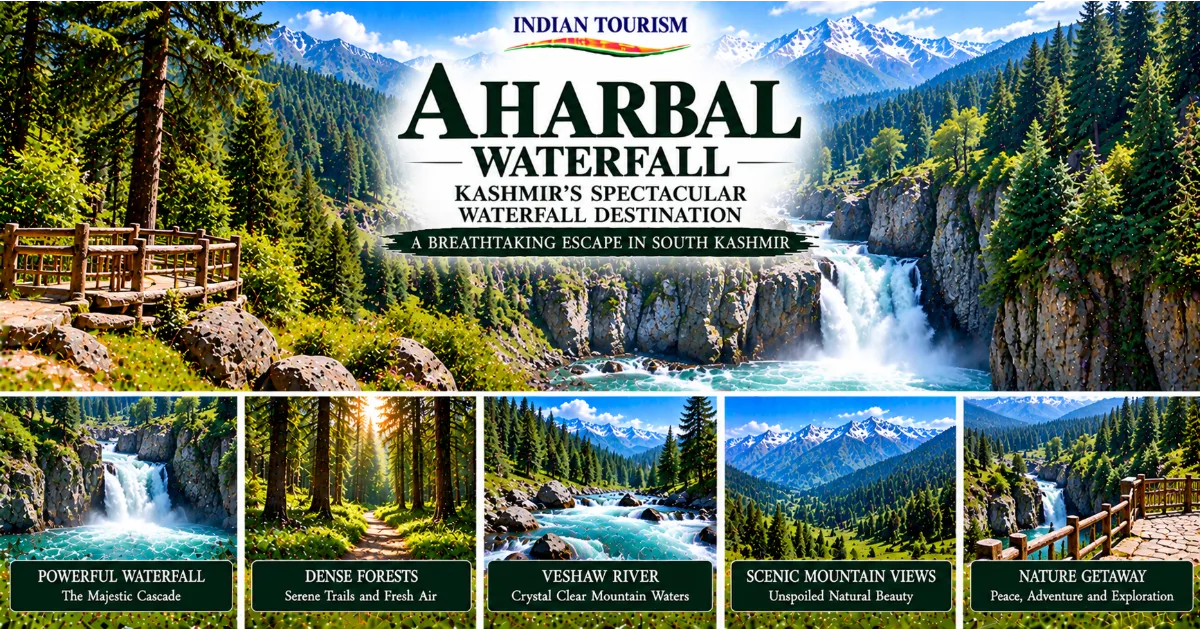
Often described as one of Kashmir's most impressive waterfalls, Aharbal is formed by the waters of the Veshaw River as they descend through a rugged gorge. The river gathers force as it moves across the rocky terrain, creating a powerful cascade surrounded by steep stone walls and forested slopes. The sound of rushing water, the cool atmosphere and the dramatic scenery make the destination appealing to travellers who enjoy nature, photography and outdoor exploration.
Unlike the calm waters of Dal Lake or the carefully designed landscapes of Srinagar's Mughal gardens, Aharbal offers a raw and energetic experience. The waterfall reminds visitors of the immense power of mountain rivers and the role water plays in shaping the geography of Kashmir. Its surrounding landscape also provides opportunities to appreciate the region's forests, rural settlements and changing mountain scenery.
Aharbal can be included in a wider journey through south Kashmir, particularly for travellers exploring the countryside around Kulgam and the surrounding mountain foothills. It is a destination where careful planning matters. Water levels can change with rainfall and snowmelt, rocks near the gorge may be slippery, and conditions around the waterfall can be hazardous. Visitors should follow local directions and admire the cascade from safe, permitted viewpoints.
This guide explores Aharbal Waterfall's location, natural features, best visiting season, travel arrangements, photography opportunities, nearby experiences and practical safety considerations. It also explains how visitors can enjoy the destination responsibly while protecting the river, surrounding landscape and local communities.
1. Where Is Aharbal Waterfall Located?
Aharbal Waterfall is situated in the Kulgam district of Jammu and Kashmir, in the southern part of the Kashmir Valley. The destination lies in a landscape shaped by mountain streams, wooded slopes and the waterways that flow through the wider Veshaw River system.
Aharbal is reached by road from the south Kashmir region. Travellers commonly plan the journey from Srinagar or from towns closer to Kulgam, depending on their wider itinerary. The route passes through populated areas and countryside before reaching the waterfall's natural setting.
The destination is particularly suitable for visitors who want to explore a different side of Kashmir beyond its best-known lakes and resort towns. While Srinagar is associated with urban heritage and lakeside experiences, Aharbal is defined by the sound and movement of water in a mountain gorge.
The waterfall is a natural attraction rather than a large town with extensive visitor facilities. Travellers should therefore arrange transportation, check access conditions and carry essential supplies before departure.
The exact journey time depends on the starting point, road conditions, traffic and any stops made along the route. Visitors should confirm current directions locally rather than relying on a fixed travel duration.
2. Why Aharbal Waterfall Is Famous
Aharbal is best known for its powerful waterfall and the dramatic gorge through which the Veshaw River flows. Its appeal comes from the combination of moving water, rugged rock formations and the natural landscape surrounding the cascade.
The Powerful Cascade
The waterfall is the principal attraction. Water descends through a rocky section of the river, producing a forceful cascade whose appearance changes with seasonal flow.
During periods of strong water discharge, the river can look especially dramatic. The sound of water echoes through the gorge, while spray and mist may rise around the cascade. The combination creates a memorable sensory experience for visitors standing at an appropriate viewing area.
The waterfall should never be approached casually. The force of moving water can be difficult to judge from the shore, and rocks near the cascade may be unstable or slippery. Even when the river appears calm at a distance, conditions near the drop can be dangerous.
The Rocky Gorge
The waterfall is set within a rugged gorge, where flowing water has helped shape the surrounding rock over long periods. The steep sides and exposed stone give the area a dramatic character.
The contrast between the moving water and the solid rock is one of the most appealing features for photographers. Visitors can observe how the river follows the natural contours of the landscape without needing to approach the edge.
Forested Surroundings
The wider landscape includes green slopes and vegetation that soften the appearance of the rocky gorge. During the warmer months, the surrounding countryside can look especially fresh, while autumn brings a different atmosphere as temperatures fall and the vegetation changes.
The forested setting also helps connect the waterfall to the wider natural environment of south Kashmir. It is not simply an isolated cascade but part of a river landscape that supports ecological processes and contributes to the region's scenic character.
A Memorable Day Trip
Aharbal is often considered for a day excursion by travellers staying in the Kashmir Valley. The waterfall provides a clear focal point for the visit, while the road journey offers opportunities to observe the countryside.
Visitors should avoid overloading the day with distant attractions. A relaxed schedule allows enough time to travel safely, explore the permitted viewing areas and enjoy the surroundings without rushing.
3. Understanding the Veshaw River and the Waterfall
The Veshaw River is central to Aharbal's identity. The river is part of the wider water system of south Kashmir, where mountain runoff, rainfall and snowmelt contribute to flowing streams and rivers.
The waterfall occurs where the river moves through a steep rocky section. Differences in the height and shape of the terrain force water downward, creating the cascade that visitors come to see.
The Role of Mountain Water
Mountain rivers are influenced by seasonal weather. Snowmelt can contribute to river flow during warmer periods, while rainfall may cause sudden increases in water volume.
These changes are important when planning a visit. A waterfall may look different from one month to another, and the river's force can increase quickly after heavy rain.
Visitors should never assume that a familiar viewpoint will be equally safe under all conditions. Follow local instructions and avoid areas that have been closed or identified as hazardous.
How Water Shapes the Landscape
Flowing water gradually wears away rock, carries sediment and changes the shape of river channels. Over time, this process creates different surfaces, ledges and channels through which the river moves.
At Aharbal, the relationship between water and rock gives the waterfall its distinctive character. The gorge provides a natural setting in which visitors can observe the strength of erosion and the continuous movement of a mountain river.
The process takes place over long periods, although individual floods and high-flow events can produce rapid changes. The river should therefore be treated as a dynamic environment rather than a fixed scenic feature.
Why the River Must Be Respected
The river is beautiful, but it is not a swimming pool or a controlled water attraction. Its depth, speed and turbulence can vary, and submerged rocks may be difficult to see.
Do not enter the river near the waterfall, attempt to cross it for a photograph or stand on wet rocks close to the edge. The safest way to enjoy Aharbal is from designated viewing areas and stable ground.
4. Best Time to Visit Aharbal Waterfall
Aharbal can offer a different experience throughout the year. The most suitable visiting season depends on the weather, river conditions, road access and the type of scenery you want to experience.
Spring: Fresh Landscapes and Changing River Flow
Spring brings the transition from winter towards warmer conditions. The surrounding countryside gradually becomes greener, while rainfall and snowmelt can influence the river's flow.
The waterfall may appear particularly powerful during periods of increased water discharge. However, higher water levels can also create more dangerous conditions around the gorge.
Visitors should pay attention to local warnings and avoid approaching the riverbank when the current is strong. The visual appeal of a fuller waterfall is never a reason to take unnecessary risks.
Summer: A Popular Season for Day Trips
Summer is generally a practical period for visiting Aharbal, particularly for travellers who want to combine the waterfall with a road trip through south Kashmir.
Warmer daytime conditions can make the surrounding area more comfortable to explore. The countryside may be green, and the contrast between vegetation and the rocky gorge can create excellent photographic opportunities.
Summer does not eliminate the hazards associated with moving water. River conditions may remain strong, and rainfall can change the situation quickly. Visitors should stay within safe areas and avoid treating the water as suitable for recreation.
Autumn: A Quieter and Cooler Experience
Autumn can bring cooler air and a different atmosphere to the surrounding landscape. The vegetation may change colour, and the scenery can feel calmer outside the busiest travel periods.
This season may appeal to visitors who prefer photography and relaxed sightseeing. Daylight hours become shorter, so the return journey should be planned accordingly.
Carry warm clothing and check the weather before departure, particularly if the itinerary includes other mountain destinations.
Winter: Cold Weather and Access Precautions
Winter can transform the surrounding landscape, with snow or ice possible in the wider region. The waterfall may look different under colder conditions, but travel can also become more difficult.
Do not assume that roads, paths and viewpoints will remain accessible throughout winter. Confirm local access and weather conditions before setting out, and avoid icy surfaces near the gorge.
Visitors without suitable winter equipment or local guidance should consider travelling during a more accessible season.
The Best Months for Most Travellers
For a general sightseeing visit, the warmer months are often the most convenient, but no single month guarantees ideal conditions. River flow, rainfall and road access vary from year to year.
Before travelling, check current weather forecasts and local advice. If the river is unusually high or access is restricted, postpone the visit rather than attempting to reach an unsafe viewpoint.
5. How to Reach Aharbal Waterfall
Road travel is the main practical way to reach Aharbal Waterfall. Travellers can arrange transportation from Srinagar or another suitable base in south Kashmir.
By Air
Srinagar's Sheikh ul-Alam International Airport is the principal air gateway for many visitors travelling to the Kashmir Valley. From the airport, travellers can arrange road transport towards the Kulgam district and Aharbal.
The total journey depends on traffic, the chosen route and road conditions. Visitors arriving on a flight should allow sufficient time before scheduling a long excursion.
If you are unfamiliar with the region, arranging a vehicle and driver in advance can make the trip more straightforward.
By Rail
Depending on the origin of the journey and current railway services, travellers may arrive through Jammu or use railway connections serving the Kashmir Valley. The final leg to Aharbal requires road transportation.
Confirm the latest train services before booking. Do not assume that rail transport will take you directly to the waterfall.
By Road from Srinagar
Travelling by road from Srinagar is a common option for visitors who want to include Aharbal in a wider Kashmir itinerary. The journey passes through the valley and south Kashmir countryside before reaching the waterfall area.
A private taxi or locally arranged vehicle provides flexibility, especially for travellers who want to stop at safe viewpoints along the way.
The journey should be planned around actual conditions rather than a rigid time estimate. Traffic, roadworks, weather and local restrictions may affect travel.
By Road from Kulgam and Nearby Areas
Travellers already staying in south Kashmir may find it more convenient to arrange transportation from a nearby town. This can reduce the amount of driving required and make it easier to combine Aharbal with other destinations in the district.
Confirm the return arrangements before beginning the excursion. Do not assume that transport will be readily available at every hour, particularly during quieter seasons.
Is Self-Driving Suitable?
Self-driving can work for visitors who are experienced with local road conditions and comfortable navigating unfamiliar routes. Drivers should remain alert on bends, avoid sudden stops and follow all traffic instructions.
A local driver may be preferable for visitors unfamiliar with the area. Regardless of transport choice, avoid driving after dark on unfamiliar roads whenever possible.
6. What to See and Do at Aharbal Waterfall
The waterfall is the main attraction, but visitors can enjoy several related experiences while remaining within safe and permitted areas.
Observe the Waterfall from a Safe Viewpoint
The best way to experience Aharbal is to view the cascade from a safe location. Spend time observing how the water moves through the gorge and how the surrounding rock shapes its path.
The sound and force of the waterfall can be impressive even from a distance. Visitors should not attempt to get closer merely to obtain a dramatic photograph.
Follow barriers, signs and local directions. If a viewing area is closed, do not bypass the restriction.
Appreciate the Surrounding Gorge
The rocky gorge is part of the waterfall's visual appeal. Its steep surfaces, river channels and vegetation create a natural contrast that changes with the light and water flow.
Take time to observe the landscape rather than focusing only on the point where the water falls. The wider scene often reveals more about the relationship between the river and the surrounding terrain.
Enjoy Nature Photography
Aharbal offers opportunities for landscape photography, particularly for visitors who enjoy moving water and rugged natural scenery.
A fast shutter speed can help capture the details of flowing water, while a longer exposure may create a softer appearance when conditions and equipment allow. Any photographic technique should be used only from stable, safe ground.
Protect cameras and phones from spray and rain. Avoid placing equipment on wet rocks or leaning over barriers for a better composition.
Take a Relaxed Walk in Suitable Areas
Where permitted paths and safe walking areas are available, visitors can explore the surroundings at a relaxed pace. Walking provides a chance to appreciate the vegetation, river landscape and changing views.
Choose footwear with a good grip and avoid uneven surfaces when they are wet. Do not wander onto unmarked tracks or descend towards the gorge without local guidance.
Observe the Changing Light
The waterfall can look different as sunlight moves across the landscape. Bright conditions may highlight the water's movement, while cloud cover can soften the contrast between rock and vegetation.
Photographers should be patient and avoid rushing towards unsafe positions. The landscape can be appreciated without crossing barriers or taking risks.
Enjoy a Simple Outdoor Break
A short rest can form part of the visit, provided that the chosen area is permitted and away from dangerous edges, water and traffic.
Carry food and water if facilities are uncertain. Take all packaging with you and avoid lighting fires or leaving leftovers for animals.
7. The Natural Environment Around Aharbal
Aharbal is part of a wider landscape of river channels, wooded slopes and mountain terrain. These environments are connected through water movement, soil conditions and vegetation.
Forests and Vegetation
The surrounding greenery contributes to the waterfall's scenic setting. Trees and other plants provide habitat, protect soil and form part of the wider ecological system.
Visitors should avoid damaging plants, breaking branches or collecting vegetation. Small disturbances may seem harmless, but repeated activity can gradually degrade popular natural sites.
River Habitats
The Veshaw River supports a river environment shaped by flow, temperature, sediment and seasonal variation. Water quality and habitat conditions depend on the health of the wider landscape.
Do not throw rubbish into the river or wash utensils with detergent near the water. Avoid entering the river, especially close to the cascade, where currents and submerged rocks create hazards.
Wildlife and Quiet Observation
Visitors may notice birds and other signs of wildlife in the surrounding landscape, although sightings are never guaranteed.
Observe animals quietly from a distance. Do not feed wildlife, chase animals for photographs or disturb nests and resting places.
Why Conservation Matters
A natural attraction can be damaged by unmanaged tourism. Litter, noise, unsafe vehicle movement and pressure on vegetation can reduce the quality of the environment.
Visitors can help protect Aharbal by staying in permitted areas, carrying out their waste and respecting local rules. A clean and well-managed waterfall benefits residents and future travellers alike.
8. Aharbal for Families, Couples and Solo Travellers
Aharbal can appeal to different kinds of travellers, but the river environment requires special attention to safety.
Family Visits
Families may enjoy the waterfall as an outdoor learning experience. Children can observe how flowing water shapes rock and learn why rivers are powerful natural systems.
Parents must supervise children closely. Keep them away from the river's edge, wet rocks and steep slopes, and do not allow them to run around the viewing areas.
Bring drinking water, snacks, warm layers and basic first-aid supplies. Facilities may be limited, so prepare before leaving a larger settlement.
Couples
Couples seeking a scenic day trip may enjoy the dramatic setting and the opportunity to take landscape photographs. A visit can be combined with other south Kashmir attractions if the itinerary allows enough time.
Plan transport and the return journey in advance. Avoid spending time near dangerous edges for photographs, even if the area appears quiet.
Solo Travellers
Solo travellers can appreciate Aharbal at their own pace, but should be especially cautious around the gorge and unfamiliar walking routes.
Share your itinerary with someone, keep your phone charged and check local access conditions. Avoid isolated paths and do not attempt to explore restricted areas alone.
Nature Enthusiasts and Photographers
People interested in rivers, geology and landscape photography may find Aharbal particularly rewarding. The waterfall offers a chance to observe moving water and the shape of the surrounding rock.
Visitors should remember that photography is secondary to safety. No image is worth entering a dangerous area or ignoring a local warning.
9. How Long Should You Spend at Aharbal?
The time needed depends on your starting point, transportation and interest in exploring the surroundings.
A Day Trip
A day trip may be suitable for visitors staying in Srinagar or elsewhere in south Kashmir, provided that road conditions allow a comfortable return. The plan should include time for the journey, viewing the waterfall, taking photographs and resting.
Avoid adding too many distant stops. The waterfall deserves enough time to be enjoyed without rushing.
A Longer South Kashmir Excursion
Travellers with more time may use Aharbal as part of a wider itinerary that includes other destinations in the region. This can provide a more varied experience of south Kashmir's natural and cultural landscapes.
Plan the order of stops carefully and check road conditions before travelling. If a destination is inaccessible or the weather deteriorates, be prepared to change the itinerary.
Combining Aharbal with Other Places
Aharbal may be combined with other attractions in the Kulgam and Anantnag areas, depending on the route and available time. However, visitors should not assume that every destination can be reached quickly.
A realistic itinerary includes breaks, road delays and sufficient daylight for the return journey. Fewer destinations explored carefully are often more rewarding than a crowded schedule.
10. Where to Stay When Visiting Aharbal
Accommodation planning depends on whether Aharbal is a short excursion or part of a longer journey through south Kashmir.
Staying in Srinagar
Srinagar offers a broad range of accommodation, dining and transport services. It can be a practical base for visitors who want to explore several parts of Kashmir.
The main consideration is travel time. If visiting Aharbal as a day trip, leave early enough to enjoy the waterfall and return safely.
Staying in South Kashmir
A stay in or around a suitable south Kashmir town may reduce road travel and make it easier to explore nearby destinations. Accommodation availability and standards vary, so confirm arrangements before travelling.
Ask about transport, meals, heating, sanitation and payment methods. Do not assume that a property near the district will necessarily be close to the waterfall.
Guesthouses and Homestays
Where genuine local guesthouses or homestays are available, they may provide an opportunity to support local households and learn about regional life.
Confirm the services provided before booking. Respect household routines and follow local customs, particularly when staying in a family home.
Choosing Responsible Accommodation
Look for accommodation that manages waste appropriately and treats workers and residents fairly. Using local services can help distribute tourism benefits beyond the largest commercial centres.
Responsible choices can make tourism more valuable to the community while reducing pressure on the natural environment.
11. Food and Refreshments During Your Visit
Food planning is important for a trip to a natural attraction where facilities may be limited or seasonal.
Carry Essential Supplies
Bring enough drinking water and food for the planned visit. Choose items that can be carried easily and that produce minimal waste.
Keep wrappers and containers in your bag until they can be disposed of properly. Do not leave food waste beside the river or feed it to animals.
Explore Kashmiri Cuisine
A wider trip through south Kashmir offers opportunities to experience regional food. Depending on the establishment, visitors may find rice dishes, breads, vegetables, meat preparations and traditional beverages.
Food traditions vary among households and communities. Ask about ingredients and preparation if you have dietary requirements.
Support Local Food Providers
If local refreshment facilities are operating, purchasing from them can support small businesses. Be courteous and do not assume that every service will be available throughout the year.
Carrying basic supplies is more reliable than depending on facilities that may not be operating when you arrive.
12. Practical Safety Tips for Aharbal Waterfall
Aharbal's beauty comes with risks that visitors should take seriously. The waterfall and gorge are natural environments, not controlled recreational facilities.
Stay Behind Barriers
Use designated viewpoints and follow all signs and local instructions. Do not climb over barriers or move into restricted areas.
The force of water and the depth of the gorge may be difficult to judge from above. A seemingly short step towards the river can create serious danger.
Avoid Entering the River
Do not swim, bathe or attempt to cross the river near the waterfall. Strong currents, submerged rocks and sudden changes in water level can make the water extremely hazardous.
Even experienced swimmers should not assume that they can manage the conditions.
Be Careful on Wet Rocks
Water spray and rainfall can make rock surfaces slippery. Wear footwear with a good grip and avoid stepping onto wet ledges.
If a path is muddy, damaged or closed, do not attempt to continue simply to reach a better viewpoint.
Watch the Weather
Heavy rainfall can change river conditions quickly. If rain intensifies or local authorities issue warnings, move away from the river and follow instructions.
Do not wait beside the gorge to see whether the water rises further.
Supervise Children
Children should remain close to responsible adults throughout the visit. Keep them away from edges, barriers, streams and uneven surfaces.
Explain the dangers of moving water before reaching the waterfall, rather than relying on warnings after they have begun exploring.
Keep the Return Journey Safe
Leave enough time to return before dark, particularly if the route is unfamiliar. Keep your phone charged and confirm transportation arrangements before arriving.
If conditions become unsafe, shorten the visit and return to a secure location.
13. Responsible Tourism: Protecting Aharbal Waterfall
The long-term appeal of Aharbal depends on preserving the river and the landscape around it. Responsible tourism helps ensure that visitors can enjoy the waterfall without causing unnecessary damage.
Carry Out All Waste
Plastic bottles, snack wrappers and disposable plates can remain in the environment for years. Carry your waste to an appropriate disposal point.
Reusable bottles and containers can reduce the amount of rubbish generated during a visit. Never throw rubbish into the river or down the gorge.
Protect the River
Do not dispose of food, soap or other pollutants in the water. Avoid washing vehicles or utensils near the river.
The river is part of a wider ecological system, and keeping it clean helps protect the environment beyond the immediate waterfall.
Avoid Unauthorised Fires
Do not light fires in unauthorised areas. Dry vegetation and forest surroundings can create a serious fire risk.
Use designated facilities only where they are explicitly permitted and safe.
Respect Other Visitors
Keep noise at a reasonable level and allow others to enjoy the waterfall without obstruction. Do not block paths or viewing areas for extended photography sessions.
A respectful approach improves the experience for everyone.
Support Local Conservation
Where responsible local guides or conservation initiatives are available, consider supporting them. Choose operators who explain safety rules and encourage low-impact behaviour.
Tourism should help protect the destination rather than create pressure that damages its natural qualities.
14. A Suggested One-Day Itinerary for Aharbal Waterfall
A one-day visit can provide a rewarding introduction to Aharbal if the route is accessible and the weather is suitable.
Morning: Travel Through South Kashmir
Begin early after checking the road conditions and forecast. Carry water, food, warm clothing and rain protection.
Enjoy the countryside along the way, but stop only in safe and permitted places. Allow extra time for traffic and unexpected delays.
Late Morning: Reach the Waterfall
After arriving, follow local directions to the permitted viewing areas. Observe the river and gorge from a safe distance.
Take time to appreciate the sound and movement of the water. Do not attempt to reach the base of the cascade or climb onto wet rocks.
Midday: Rest and Enjoy the Surroundings
Take a break in an appropriate area away from the river's edge and vehicle traffic. Eat the food you have brought or use an available local facility.
Keep the area clean and avoid loud behaviour that disturbs other visitors or wildlife.
Afternoon: Photography and Short Walks
Use the afternoon to photograph the waterfall and surrounding landscape from safe positions. If permitted paths are available, enjoy a short walk that matches your fitness level.
Remain alert to changes in weather and river conditions. If rain becomes heavy or visibility declines, begin the return journey.
Late Afternoon: Return Safely
Leave enough daylight for the road journey. Carry out all waste and make sure everyone in your group has their belongings.
If you have planned additional stops, keep them optional. Safety and a relaxed return should take priority over completing a crowded itinerary.
15. Photography Guide: Capturing Aharbal Waterfall
Aharbal is a rewarding destination for photographers because it combines moving water, rugged rock and surrounding greenery.
Photographing the Full Cascade
A wide composition can show the relationship between the waterfall and the gorge. Include surrounding rock and vegetation to provide context rather than photographing only the white water.
Use a stable viewpoint and avoid leaning over barriers. A slightly wider view from a safe location is preferable to a close-up obtained at risk.
Capturing Water Movement
A faster shutter speed can help preserve the texture of splashing water, while a slower exposure may create a smoother effect. The choice depends on lighting, equipment and personal preference.
Use a tripod only where there is stable ground and sufficient space. Never set up equipment where it blocks a path or creates a hazard.
Managing Spray and Weather
Mist and spray may affect cameras and phones. Keep a cloth available to clean the lens and protect equipment when necessary.
If rainfall or water levels increase, stop photographing and move to a safer area. Equipment should never take priority over personal safety.
Photographing the Wider Landscape
The surrounding gorge, vegetation and river channels provide additional subjects. Photographs of the broader setting can communicate the scale and character of Aharbal.
Be patient and avoid disturbing other visitors. The best image is not worth damaging the landscape or entering a restricted area.
16. Common Mistakes to Avoid
A few common mistakes can reduce the quality of a visit or create unnecessary danger.
Assuming the River Is Safe
The water may look attractive and inviting, but its current can be powerful and its depth difficult to judge. Do not enter the river or approach the cascade.
Ignoring Local Warnings
Signs, barriers and local instructions are intended to protect visitors. Do not bypass them for a photograph or a closer view.
Planning Too Many Destinations
Trying to visit several distant places in one day can create pressure to rush. Allow sufficient time for the waterfall and the road journey.
Arriving Without Supplies
Food, drinking water and other facilities may not always be available. Carry essentials and confirm services before leaving a larger town.
Leaving Litter Behind
Rubbish damages the appearance and ecological quality of the destination. Take everything you bring back with you.
Underestimating Weather Changes
Rain can affect both the river and the road. Check conditions and be prepared to change your plan if the weather deteriorates.
17. Aharbal and the Future of Nature Tourism in Kashmir
Aharbal demonstrates the potential of nature-based tourism in south Kashmir. Its waterfall provides a distinctive attraction that can encourage visitors to explore areas beyond the region's most established tourist centres.
However, increasing visitor numbers also create responsibilities. Waste management, safe viewing areas, clear information and protection of the river are essential if tourism is to remain sustainable.
Local Economic Opportunities
Tourism can support drivers, guides, food providers and accommodation businesses. These opportunities are most valuable when local residents have a meaningful role in tourism planning and receive fair benefits.
Visitors can contribute by choosing responsible local services and treating residents with courtesy.
Infrastructure and Environmental Protection
Suitable infrastructure can improve safety and visitor comfort. Clear paths, appropriate barriers, sanitation and waste collection can reduce environmental pressure.
Development should be planned carefully so that the natural character of the waterfall is not overwhelmed by unnecessary construction or poorly managed commercial activity.
Building Visitor Awareness
Travellers need clear information about the dangers of the gorge, the river's changing flow and the importance of keeping the area clean. Local guides and tourism providers can help communicate these messages.
Responsible tourism depends on informed decisions by both visitors and destination managers.
18. Who Should Visit Aharbal Waterfall?
Aharbal is particularly suitable for travellers who enjoy waterfalls, river landscapes, photography and scenic road trips. It can appeal to families, couples and nature enthusiasts who want to experience the power of a mountain river.
It may be less suitable for visitors seeking water-based recreation, extensive shopping or a large number of organised attractions at one location. The river's hazards mean that swimming and casual water access should not be part of the plan.
Visitors with mobility limitations should check the accessibility of paths, viewing areas and facilities in advance. Uneven ground and steps may make some locations difficult to reach.
Families with children must maintain close supervision, and solo travellers should avoid unfamiliar or restricted routes. Anyone visiting should be prepared to follow local directions even if this limits access to a preferred viewpoint.
The best experience comes from appreciating the waterfall from a safe distance and understanding the natural forces that shape it.
19. Final Thoughts: Experience the Spectacular Waterfall of Kashmir
Aharbal Waterfall offers a powerful reminder of the natural diversity of Jammu and Kashmir. Its rushing water, rugged gorge and forested surroundings create an experience that differs from the calm lakes, gardens and meadows for which the region is widely known.
The waterfall can be the highlight of a day trip or an important stop on a wider journey through south Kashmir. Visitors can enjoy the sound of the river, photograph the landscape and appreciate the relationship between water and rock without needing an elaborate activity schedule.
The destination also requires caution. The force of the river, slippery surfaces and changing weather make it essential to follow local directions and remain within safe viewing areas. Visitors should never enter the water or cross barriers to obtain a closer photograph.
Protecting Aharbal means keeping the river clean, respecting the surrounding environment and supporting tourism practices that benefit local communities. The waterfall is not simply a scenic attraction. It is part of a living landscape whose health depends on careful management and responsible behaviour.
For travellers seeking a memorable natural experience in Kashmir, Aharbal offers a striking combination of sound, movement and mountain scenery. Visit with preparation, explore with respect and leave the area as clean as you found it.
